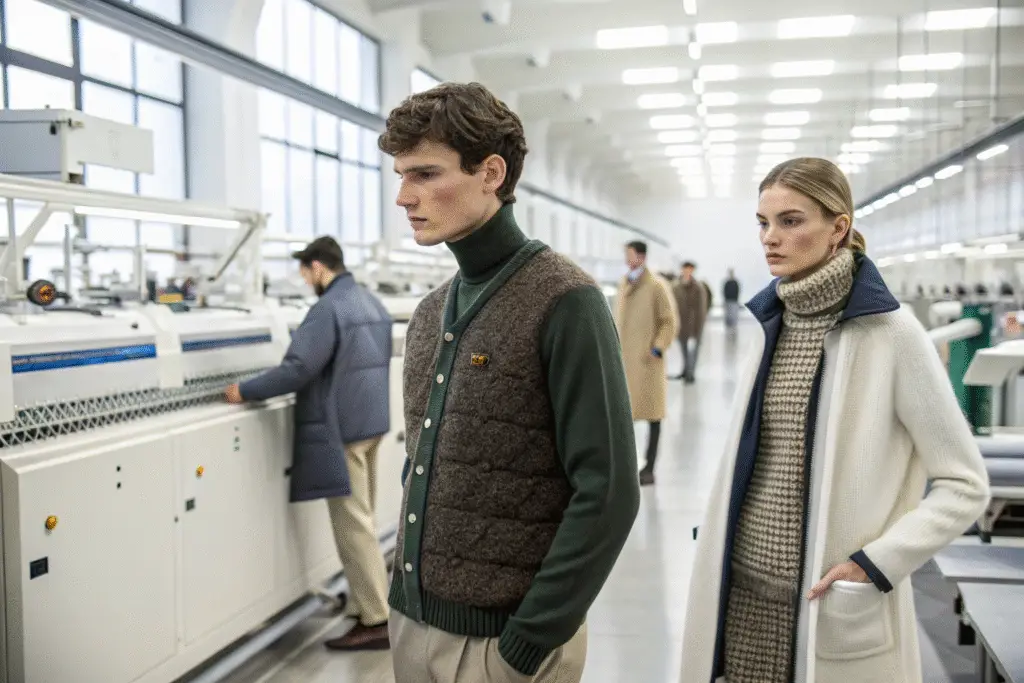
The demand for innovation in outerwear has never been higher. U.S. and European brands now seek products that balance comfort, style, and sustainability. 3D-knitted seamless outerwear is meeting this demand by reducing waste, speeding up production, and opening new design possibilities.
It is leading the apparel industry because it unites advanced technology, sustainable practices, and consumer-driven design. Factories like ours in China are prepared to deliver this innovation at scale for American buyers.
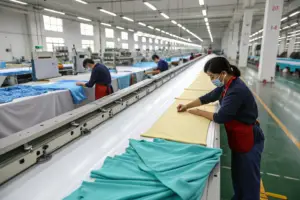
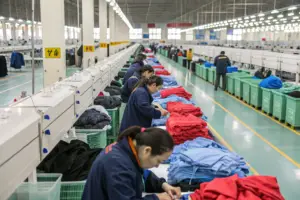
In the past, jackets and sweaters required many sewing operations. Today, entire garments can be produced in one piece. This not only improves durability and comfort but also supports sustainable production.
Why Is Seamless 3D Knitting Transforming Outerwear?
Traditional apparel production wastes 15–20% of fabric during cutting and stitching. Whole-garment knitting, by contrast, produces clothing directly from yarn, eliminating most waste.
It transforms outerwear by reducing waste, ensuring comfort, and accelerating production.
For buyers, the benefits include consistent quality, fewer delays, and smoother silhouettes. The absence of seams creates natural drape and prevents discomfort.
How Does It Improve Comfort And Fit?
Seamless knitting builds elasticity into key areas like shoulders and elbows, giving better movement and fit. Sportswear leaders like Nike and Adidas already use this technology in performance gear.
Designers can also integrate breathable zones or reinforced shoulders directly into garments, reducing the need for additional sewing.
Why Is It More Sustainable Than Traditional Methods?
Seamless knitting reduces both fabric waste and energy use, lowering carbon emissions. According to Fashion Takes Action, this makes it easier for brands to meet sustainability targets.
Luxury and mainstream brands alike promote seamless knitwear as both eco-friendly and premium, showing that sustainability has become a key selling point.
What Role Does Digital Design Play In Seamless Outerwear?
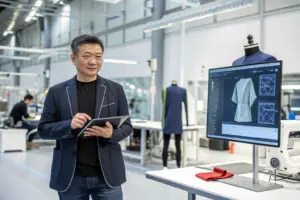
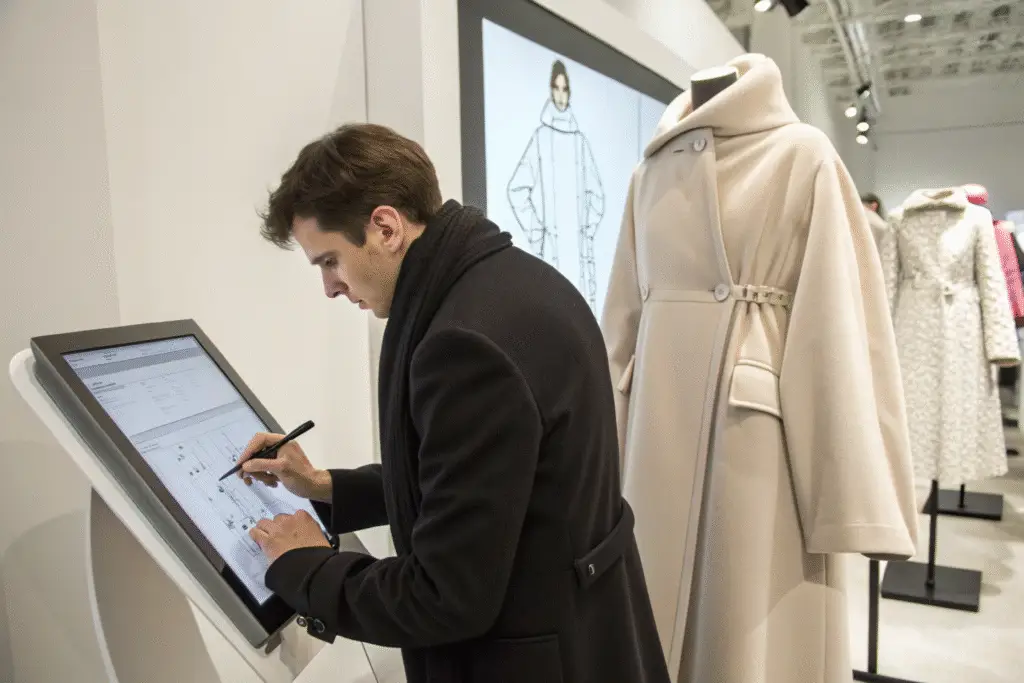
Digital tools like CLO 3D and APEXFiz allow designers to create virtual prototypes that look and behave like real garments. This reduces sampling costs, shortens lead times, and improves production accuracy.
Digital design is central to seamless outerwear because it enables faster development and clearer communication with buyers.
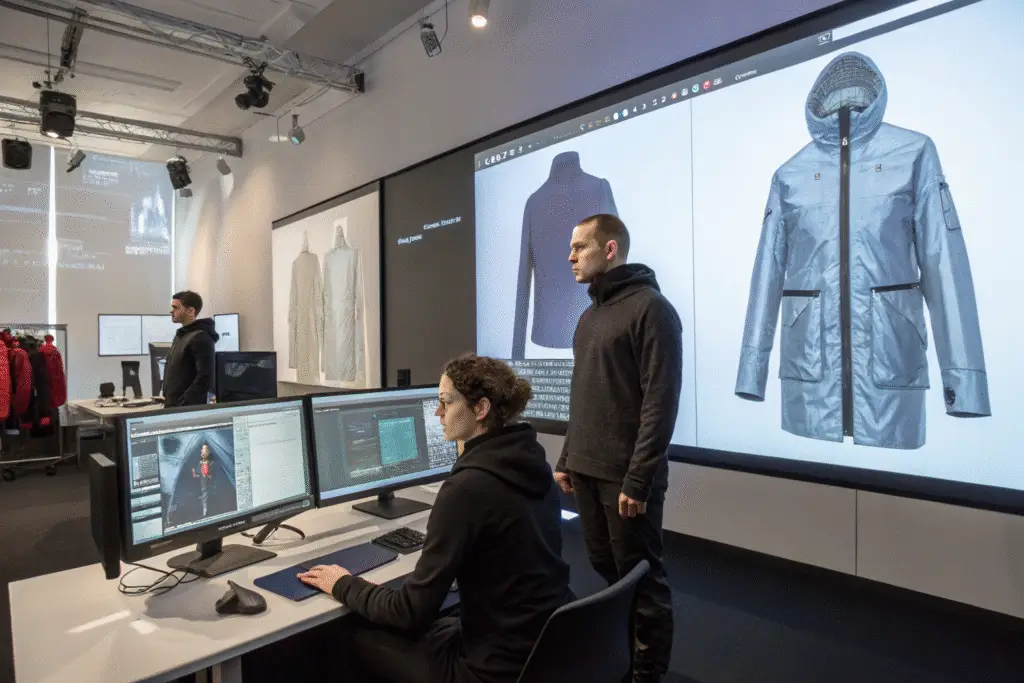
Can Digital Prototyping Improve Buyer Communication?
Yes. Digital samples cut misunderstandings about weight, drape, and fit. With tools like CLO 3D, buyers can see realistic 360° designs before production, saving time and avoiding costly revisions.
For buyers like Ron, this clarity speeds up decision-making and reduces delays.
How Does Digital Customization Support Branding?
Logos, textures, and patterns can be built directly into garments. With digital previews, brands test multiple options before knitting.
Platforms like Browzwear support custom branding features. This helps small and large brands alike align products with market demand while reducing risk.
Which Materials And Textures Are Leading This Trend?
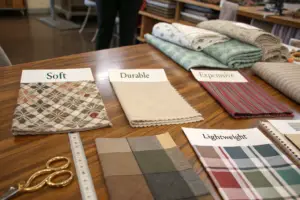
Innovation in yarns and structures is expanding what seamless outerwear can achieve. Recycled polyester, performance fibers, and biodegradable yarns combine function with sustainability.
Leading trends include eco-friendly yarns, breathable meshes, and sculptural jacquard patterns that add depth and comfort.
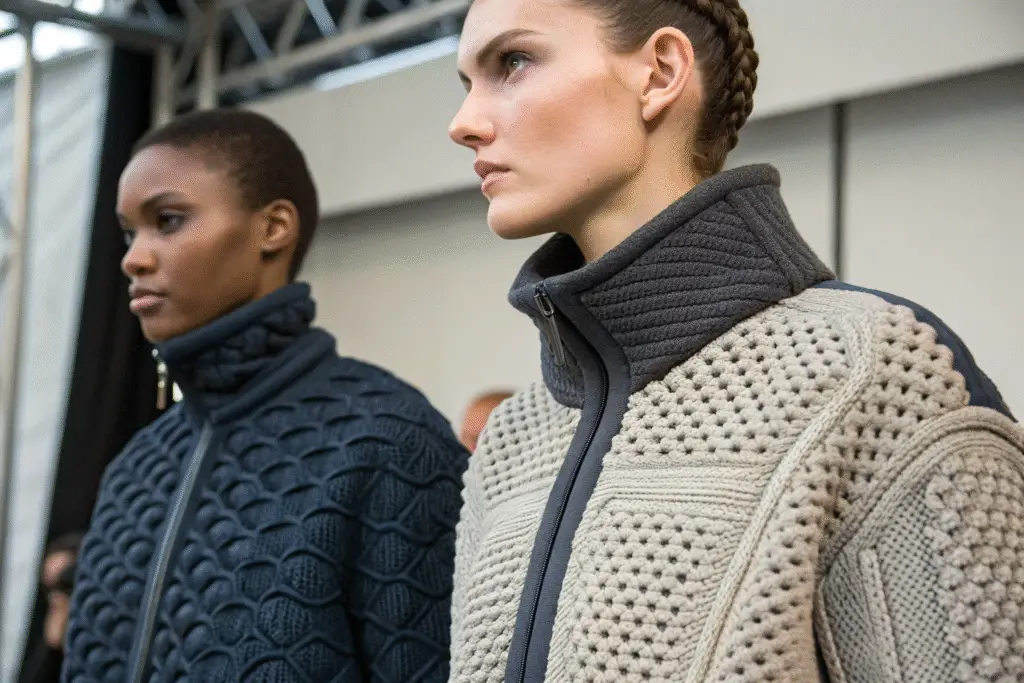
What Are Examples Of Textural Innovations?
Modern machines knit multiple textures in one garment. A jacket may combine mesh backs, dense fronts, and ribbed cuffs without separate processes. Companies like Shima Seiki highlight these advances.
Raised geometric patterns and lightweight meshes create visual depth, giving garments style without added labor.
Why Do Eco-Friendly Materials Dominate This Trend?
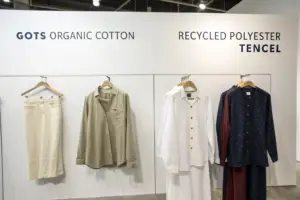
Sustainable yarns such as recycled polyester and organic cotton blends are increasingly popular. Textile World reports that warp-knit seamless fabrics using recycled fibers are gaining traction.
Pairing sustainable yarns with seamless knitting allows brands to meet eco-certification standards and attract eco-conscious consumers.
How Are Brands Adopting Seamless Outerwear In The Market?
Seamless knitting is moving from sportswear into luxury and mainstream fashion. Brands value its efficiency, sustainability, and design freedom.
Global and niche labels are adopting seamless outerwear to stand out in a competitive market.
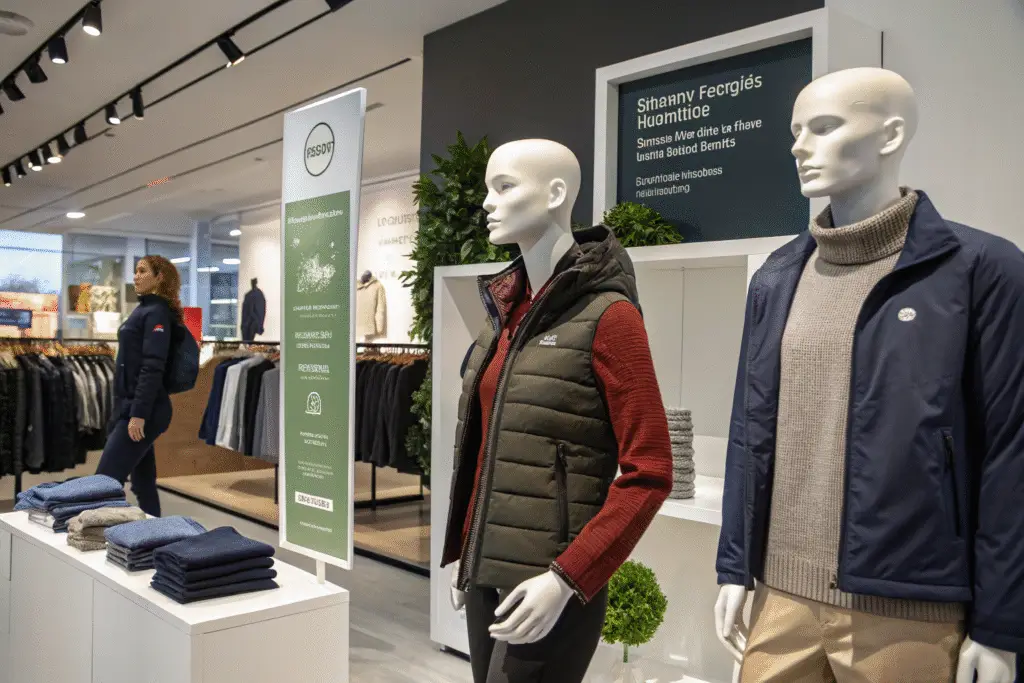
Which Global Brands Are Leading This Adoption?
Uniqlo offers entire 3D seamless knit collections, while Stella McCartney includes seamless items in sustainable lines. Nike and Adidas use it for functional outerwear.
This shows the technology’s versatility, from mass retail to high fashion.
How Can Smaller U.S. Brands Compete With These Giants?
Smaller brands can win by focusing on niches—urban commuting wear, sustainable streetwear, or boutique eco-friendly lines.
Through platforms like Alibaba, they can connect directly with factories offering seamless production at flexible minimums. With the right partner, small brands can compete effectively with global names.
Conclusion
3D-knitted seamless outerwear is reshaping fashion manufacturing. It reduces waste, speeds production, and supports new design features. U.S. buyers benefit from improved quality, comfort, and sustainability while standing out in competitive markets.
At Shanghai Fumao, we are ready to help brands bring these innovations into reality. With advanced knitting technology and reliable production, we ensure consistent quality and timely delivery. For collaboration, contact our Business Director Elaine at elaine@fumaoclothing.com.