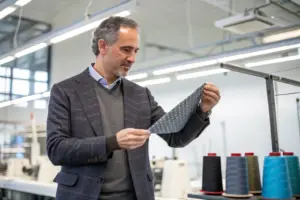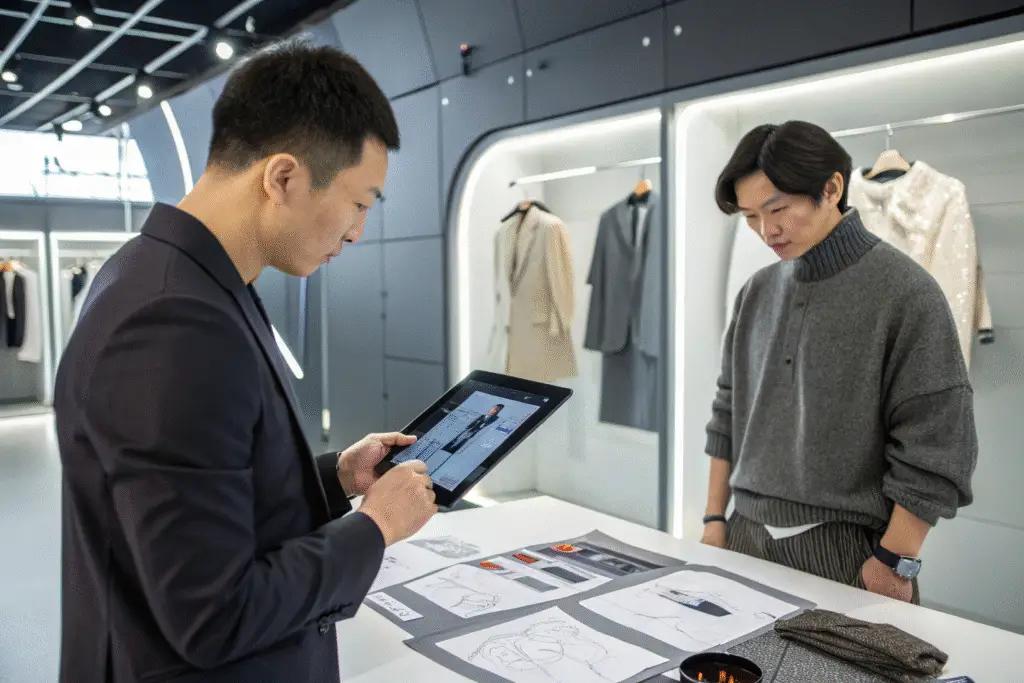
Custom apparel is no longer just about putting a logo on a T-shirt. In 2025, brands must innovate with materials, technology, and design versatility to stay ahead. Buyers, especially in the U.S., are looking for apparel that combines functionality, aesthetics, and storytelling.
From sustainable fabrics to AI-generated graphics, today’s custom clothing must meet higher consumer expectations. Whether you’re a fashion label, merch brand, or corporate buyer, understanding these trends helps you source smart and stay relevant.
In this guide, I’ll share the top 2025 custom apparel trends we’re seeing firsthand in our factory, and how to capitalize on them for your next collection.
Why Is Sustainable Custom Apparel Dominating 2025?
Sustainability isn’t a niche anymore — it’s a demand. Custom apparel made with planet-friendly materials is now leading orders in Europe and the U.S.
What Fabrics Are Considered Most Eco-Friendly?
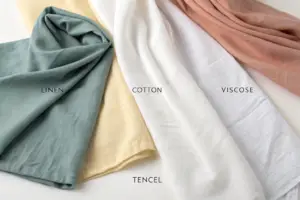
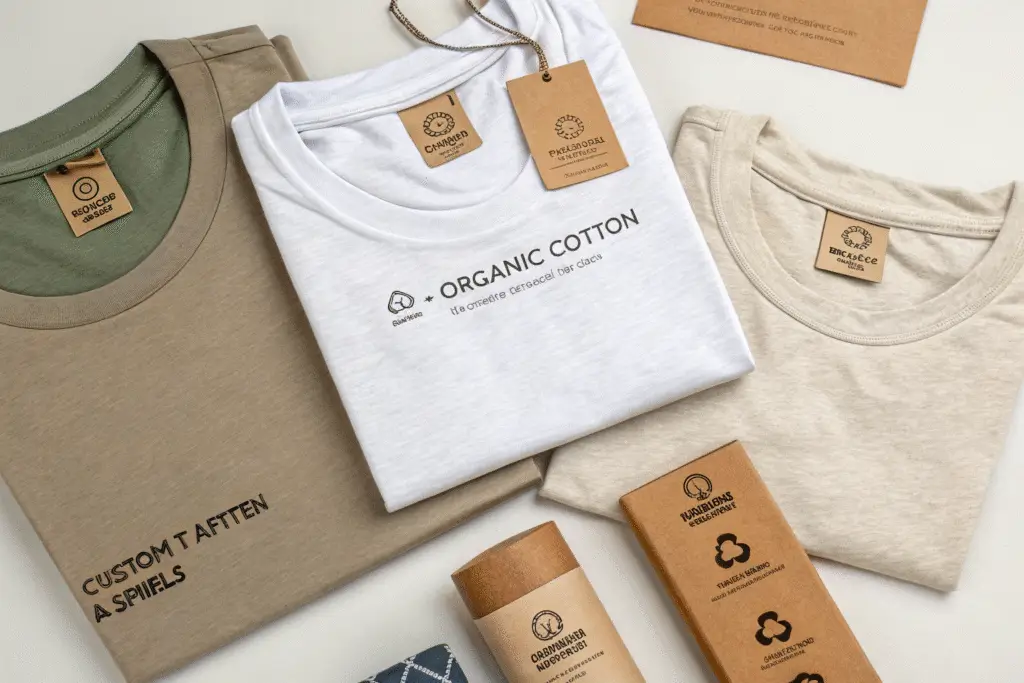
Buyers now prefer GOTS-certified organic cotton for T-shirts, bamboo viscose for athleisure, and GRS-certified rPET for hoodies and bags. These materials offer reduced water use and carbon footprints.
Recycled polyester is trending for corporate apparel and uniforms. Blends with hemp or lyocell are also gaining popularity in summer collections. Brands even ask for fabric mill traceability now.
Explore how OEKO-TEX certification ensures non-toxic garment components.
Are Buyers Willing to Pay More for Green Apparel?
Yes, especially in the premium market. Gen Z-led brands, eco-influencers, and even corporate clients are demanding ethical production. They’ll pay 10–30% more if they receive transparent supply chain info, such as a QR code-enabled label.
Our B2B clients often use sustainability as a marketing edge, printing certification icons or carbon impact per garment on packaging.
How Is Technology Shaping Custom Clothing Designs?
In 2025, creativity meets code. More custom designs are now developed through technology — from automated color matching to AI-assisted personalization.
How Are AI and 3D Rendering Changing Apparel Development?
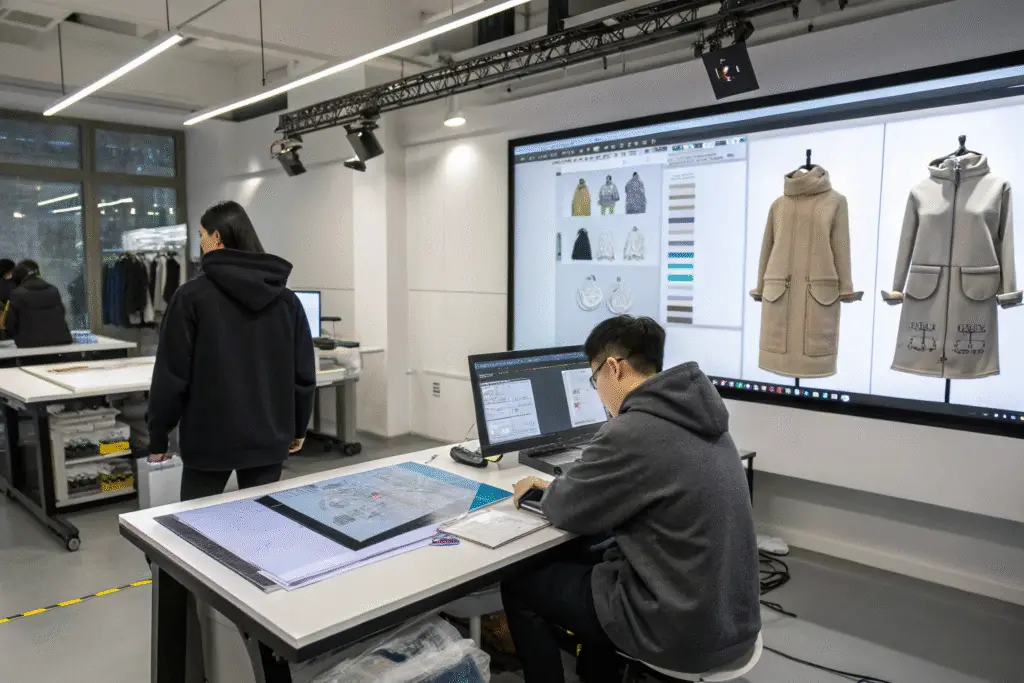
Designers now use AI platforms like Designify or Clo3D to generate on-model apparel previews without making a physical sample. This saves time, reduces waste, and boosts creative iterations.
Some clients provide AI-generated patterns for custom sportswear, while others use AR-based virtual try-ons. Expect 3D renderings to replace tech packs in many projects soon.
Check out Adobe Substance 3D for fabric and texture rendering.
Can Small Brands Access These Tools Affordably?
Yes. Several SaaS tools have launched lite versions or free trials for small buyers. Platforms like Tailornova help you generate custom garment patterns in minutes.
Factories like ours also offer mockup generation services for free if you're producing bulk. This bridges the gap between creative vision and physical output.
What Customization Techniques Are Most Popular Now?
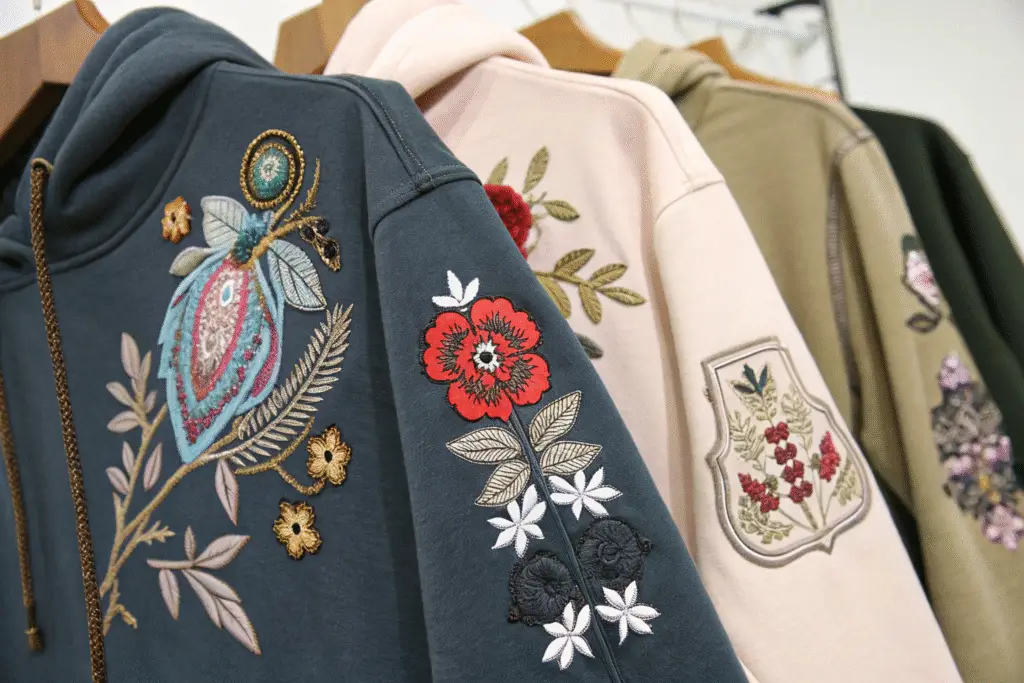
In 2025, customization means texture, depth, and durability. Traditional DTG and screen prints are evolving with tactile enhancements and multi-material combinations.
Which Decoration Styles Are Trending?
The biggest growth is in:
- 3D puff print on sweatshirts
- Silicone heat-seal patches for outerwear
- Reflective ink for performance gear
- Gradient embroidery on caps and tees
Buyers love the premium finish of tactile elements that combine tech and style. These are perfect for brands wanting a streetwear or athletic aesthetic.
Supacolor is one example offering high-quality heat transfers for complex logos.
Are Water-Based Prints Still in Demand?
Yes. Water-based ink continues to gain traction because it’s softer to touch and eco-friendly. It's ideal for OEKO-TEX-certified garments and babywear, where safety and comfort matter.
More brands also request non-PVC prints, even for promotional tees. We help them switch to phthalate-free inks and offer custom Pantone color matching.
What Apparel Categories Lead the Custom Market?
Not all clothing sells equally. In 2025, some product types consistently outperform others in B2B custom apparel sourcing.
What Are the Top-Selling Custom Pieces?
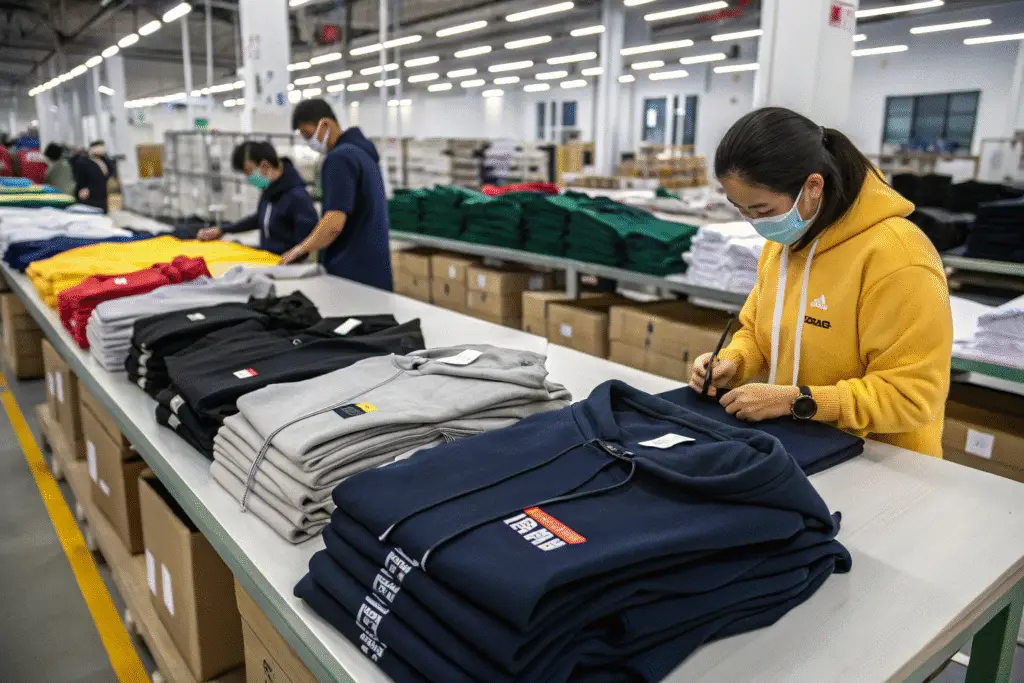
Based on our factory’s production reports, the leading custom categories this year are:
| Rank | Apparel Type | Key Trend Element |
|---|---|---|
| 1 | Oversized Hoodies | Puff print, recycled fleece |
| 2 | Crop Tops & Tanks | Stretch cotton, seamless edging |
| 3 | Streetwear Joggers | Adjustable cuffs, woven logos |
| 4 | Athletic Shorts | Breathable mesh, UV +50 rating |
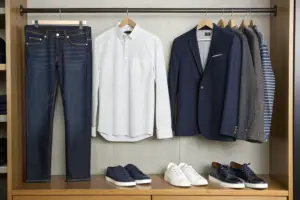
| 5 | Casual Blazers | Cotton-linen blends, minimal seams |
Products with lifestyle versatility are in demand — especially gender-neutral or multi-seasonal fits.
See examples at Printful’s custom catalog.
Why Is Loungewear Still Booming Post-Pandemic?
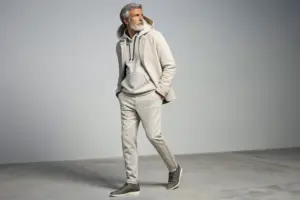
Comfort-first fashion isn’t going away. Custom loungewear (hoodies, sweatpants, oversized tees) remains a bestseller because of work-from-home culture and TikTok aesthetics.
Many of our U.S. clients request soft brushed cotton, garment-dyed effects, and loose silhouettes. They combine this with minimalist branding for a boutique feel.
Learn how Next Level Apparel is driving the loungewear boom.
Conclusion
Custom apparel in 2025 is smarter, greener, and more creative than ever. Whether you’re sourcing for fashion, merch, or corporate use, you’ll need to combine design innovation, eco materials, and advanced customization to stay ahead.
At Fumao Clothing, we specialize in producing custom garments that meet these modern expectations. From AI-aided mockups to sustainable sourcing and retail-ready finishings, we bring your brand’s vision to life.
To start your custom project with a reliable Chinese factory that follows 2025’s leading trends, contact our Business Director Elaine at elaine@fumaoclothing.com. We look forward to building with you.