As a seasoned apparel manufacturer, I constantly see new trends emerge. But few have captured the imagination of our brand partners like AI-generated microbiome prints. Many of our US-based clients, like Ron, are asking: is this just a fleeting novelty, or the next big thing in fashion? This technology promises unparalleled uniqueness, but it also brings new challenges in production and sourcing. Understanding these trends is crucial for any brand looking to stay ahead.
AI-generated microbiome prints represent a fusion of biotechnology and digital design, creating patterns that are truly one-of-a-kind. The top trends are moving beyond simple aesthetics to focus on sustainability, hyper-personalization, and scalable production techniques. For brands, this means tapping into consumer desire for unique, story-driven products while navigating the complexities of bringing such innovative designs to market. Partnering with a manufacturer experienced in advanced printing techniques becomes not just an advantage, but a necessity.
Let's dive into the key trends shaping this exciting frontier and how you can leverage them for your brand's success.
How Can AI Create Truly Unique Textile Designs?
The question of uniqueness is at the heart of AI-generated microbiome prints. Traditional prints repeat patterns. AI microbiome prints, however, use data from a specific biological source—like a person's skin or a soil sample—to generate a design that can never be exactly replicated. This process transforms raw biological data into a visual representation, ensuring each piece of fabric is as unique as the microbiome it's based on.
The core of this innovation lies in the algorithm's ability to interpret complex data. It doesn't just copy a pattern; it uses the data points to influence shape, color, and texture in a way that is both artistic and faithful to the source. This results in a customizable logo of nature itself, offering a level of product differentiation that is incredibly powerful for brands. For brands concerned with quality control, this digital-first approach allows for precise previews and adjustments before any fabric is printed, minimizing waste and ensuring the final product meets exact specifications.

What is the process behind converting microbiome data into a print?
The journey from swab to swatch is fascinating. It begins with collecting a microbiome sample. This data is then sequenced and translated into a digital format. An AI algorithm, often a type of generative adversarial network (GAN), interprets this data. It maps different bacteria strains to specific visual elements like color palettes or organic shapes. The fabric used is critical here; high-quality textile substrates like silk or tightly-woven cotton are often preferred because they hold the intricate details of the print with sharp clarity. This entire process underscores the importance of technical expertise, something we've honed through years of product development with innovative brands.
How does this technology ensure no two designs are alike?
The guarantee of uniqueness is baked into the science. Just as no two people share an identical microbiome, no two datasets are the same. The AI uses this inherent variation as its seed. Furthermore, parameters within the algorithm can be adjusted, ensuring that even with similar data inputs, the outputs are distinct. This is a game-changer for apparel brands aiming for limited editions or hyper-personalized items. It directly addresses a common pain point for buyers like Ron, who are always seeking a rare style to gain a competitive edge in their market. This technology moves beyond mass production to mass customization at an individual level.
Why Are Brands Investing in Bio-Based Customization?
Brands are always searching for a deeper connection with their customers. Bio-based customization through microbiome prints offers a powerful narrative: wear a piece that is intrinsically linked to you or a specific environment. This storytelling potential is a massive driver of brand value and customer loyalty, moving beyond mere aesthetics to create an emotional bond.
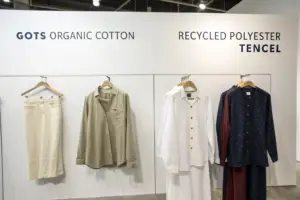
This trend aligns perfectly with the growing consumer demand for sustainability and transparency. Using AI to generate prints can significantly reduce water waste compared to traditional textile dyeing and printing methods. Brands can promote not just a product, but a philosophy—a commitment to innovation and environmental responsibility. This is a key consideration in our full-package manufacturing process, where we help brands source eco-friendly inks and manage efficient export & logistics to reduce the overall carbon footprint of their collections.

What is the consumer appeal of wearable personal data?
Today's consumers, especially in the U.S. fashion market, crave individuality and authenticity. Wearing a pattern derived from one's own microbiome is the ultimate expression of self. It transforms clothing from a commodity into a personal artifact. This concept resonates strongly in markets like North America and Europe, where personal identity and storytelling are key purchasing drivers. For a brand buyer, this represents an opportunity to create a product that competitors cannot easily replicate, securing a unique position in the marketplace.
How does this trend support sustainable fashion goals?
The sustainability angle is twofold. First, the design process itself is digital, eliminating the need for multiple physical samples and reducing material waste. Second, the narrative often revolves around a connection to nature, which encourages brands to pair this technology with top quality sustainable materials and DDP mode shipping to ensure responsible end-to-end production. By investing in this trend, brands demonstrate a forward-thinking approach that appeals to a socially and environmentally conscious clientele, turning a pain point about environmental impact into a core brand strength.
What Are the Key Production Challenges for Microbiome Apparel?
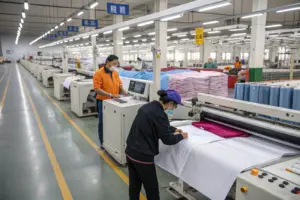
While the concept is revolutionary, the production reality requires a specialized manufacturer. The main challenges lie in color accuracy, fabric compatibility, and scaling from a unique prototype to a viable production run. Not all factories are equipped to handle the precision required for these complex prints.
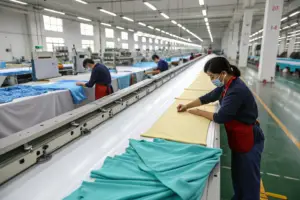
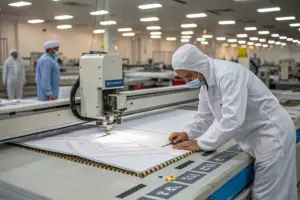
Achieving color fidelity is paramount. The digital design must be perfectly translated onto fabric, which requires advanced quality assurance processes and state-of-the-art printing machinery. Furthermore, different fabrics absorb dyes and react to printing processes differently. A manufacturer must have the expertise to recommend the right garment base for the desired effect. This is where our experience as a leading Chinese apparel manufacturer is critical. We have the proven expertise to navigate these challenges, ensuring that the visionary design becomes a high-quality, wearable product.

How do you maintain color consistency across different garment batches?
This is a technical hurdle. Since each design is unique, traditional batch matching is not applicable. Instead, consistency is achieved through rigorous machine calibration and using standardized, high-quality inks. We implement a robust quality control system that checks color accuracy against the digital file for every single print run, not just the first sample. This meticulous attention to detail is what builds reliable delivery of products that meet the exacting standards of brands like the one Ron owns.
Which fabrics yield the best results for high-definition microbiome prints?
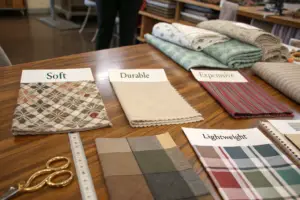
The choice of fabric is crucial. Our experience shows that fabrics with a smooth, tight weave or knit provide the best canvas for these detailed prints. For example: |
Fabric Type | Best For | Print Clarity |
|---|---|---|---|
| Silk Crepe de Chine | Luxury women’s wear, blouses |
Excellent | |
| High-Thread-Count Cotton | Premium T-shirts, polos |
Very Good | |
| Technical Polyesters | Activewear & sportswear |
Good (with specialty inks) |
We guide our clients through this selection process during the product development phase to ensure the final product aligns with their vision and quality expectations.
How to Source a Reliable Manufacturer for Tech-Driven Apparel?
Sourcing a partner for such a specialized product goes beyond just finding a low-cost producer. It requires a manufacturer with a blend of technical capability, communication skills, and a proven track record in innovation. The biggest pain points for buyers like Ron—inefficient communication and delayed shipments—are magnified when dealing with complex, technology-driven orders.
A reliable manufacturer acts as a true partner, providing creative and technical design support from the outset. They should be transparent about their capabilities, certifications, and logistics processes. Look for a factory that asks detailed questions about your project and demonstrates an understanding of the technology involved. Their ability to manage the entire full-package manufacturing process, from sourcing specialty fabrics to efficient export, is non-negotiable for a smooth experience.

What questions should you ask a potential supplier about their tech capabilities?
Don't be shy. Ask direct questions: What printing equipment do you use? Can you provide examples of similar complex print jobs? What is your process for color matching? How do you handle quality control for custom prints? What is your protocol if a shipment is at risk of delay? Their answers will reveal their level of expertise and commitment to quality assurance. A trustworthy supplier will be eager to showcase their proven expertise and provide clear, straightforward answers.
Why is a full-package partner essential for innovative apparel lines?
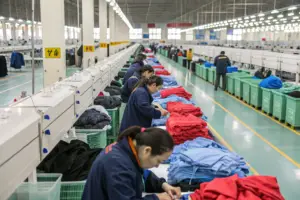
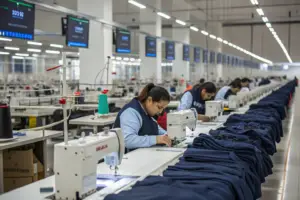
A full-package manufacturing partner simplifies the entire process. Instead of coordinating with multiple vendors for fabric, printing, stitching, and shipping, you have a single point of contact. This integrated approach drastically reduces the risk of delayed shipments and communication breakdowns. It allows you, the brand owner, to focus on marketing and sales while we handle the complex production and logistics. This model is particularly valuable for ambitious U.S. brands looking to bring cutting-edge concepts like microbiome prints to market efficiently and successfully.
Conclusion
The world of AI-generated microbiome prints is vibrant and full of potential. The trends are clear: a move towards deeply personal, sustainable, and artistically unique fashion. This technology offers a powerful tool for brands to differentiate themselves and connect with consumers on a new level. However, success hinges on overcoming the production challenges through a strategic partnership with a capable and reliable manufacturer.
Navigating these innovations requires a partner who understands both the art and the science. At Fumao Clothing, we are committed to being that partner. We combine the competitive pricing and efficiency of a leading Chinese apparel manufacturer with the technical expertise and quality assurance needed to bring your most ambitious apparel visions to life. If you are ready to explore how AI-generated microbiome prints can revolutionize your next collection, let's talk. Reach out to our Business Director, Elaine, at elaine@fumaoclothing.com to start the conversation today.