In the apparel manufacturing industry, lead time is a critical factor that can determine whether a brand hits or misses seasonal sales windows. Delays in production, fabric sourcing, or shipping can result in lost revenue and missed opportunities.
For U.S. fashion brands, reducing lead times means faster market response, improved cash flow, and higher customer satisfaction. As a Chinese apparel manufacturer, I’ve seen firsthand how applying targeted strategies can shave days or even weeks off production schedules.
Optimize Raw Material Sourcing and Inventory
Delays often begin before production even starts—when raw materials are out of stock or slow to arrive. By building strong supplier relationships and keeping critical materials in stock, brands can start production immediately when orders are confirmed.

How Can Vendor Relationships Shorten Lead Times?
Partnering with reliable fabric suppliers who understand your brand’s demand patterns allows for priority access and faster delivery. Platforms like Fibre2Fashion help brands connect with vetted suppliers who specialize in quick-turn materials.
Should Brands Keep a Safety Stock of Core Fabrics?
Yes. Maintaining a small inventory of frequently used fabrics reduces waiting time for new orders. According to Textile World, safety stock strategies can reduce lead time by up to 25% for repeat styles.
Implement Lean Manufacturing Practices
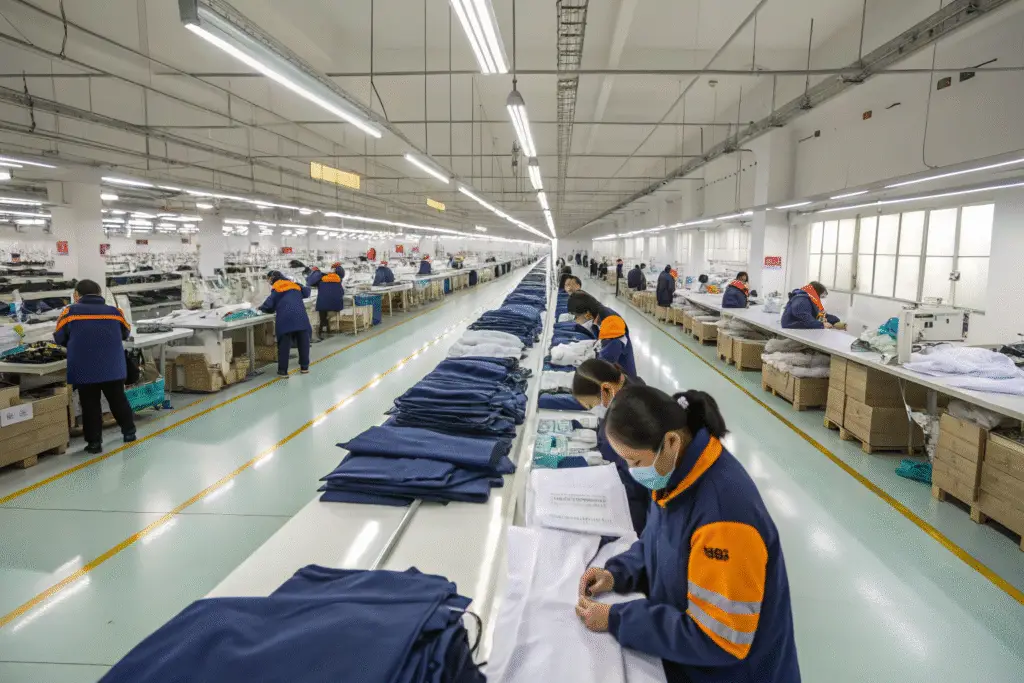
Lean manufacturing eliminates inefficiencies that cause unnecessary delays. By streamlining workflows, reducing changeover times, and minimizing defects, factories can produce garments faster without sacrificing quality.
What Is the Role of SMED in Lead Time Reduction?
Single-Minute Exchange of Dies (SMED) is a lean method that reduces machine setup times. Factories applying SMED principles—like those featured on Lean.org—can switch between garment styles faster, keeping lines running efficiently.
Can Lean Reduce Defects and Rework?
Absolutely. Lean processes incorporate quality checks throughout production, preventing defects from piling up at the end. American Society for Quality highlights that proactive defect prevention shortens delivery cycles.
Use Real-Time Production Tracking Systems
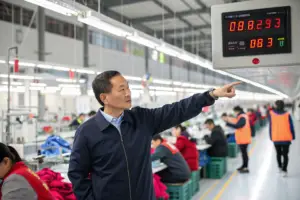
Without live data, production bottlenecks can go unnoticed until it’s too late. Real-time tracking allows managers to see progress instantly, make adjustments, and avoid delays.

How Does Live Tracking Improve Scheduling?
Tools like Coats Digital FastReact integrate planning with live output data, enabling immediate response to production slowdowns.
Can Tracking Systems Help with Supplier Coordination?
Yes. Platforms like Infor Nexus share live production milestones with suppliers, allowing them to prepare trims, labels, or packaging in sync with manufacturing.
Streamline Logistics and Customs Clearance
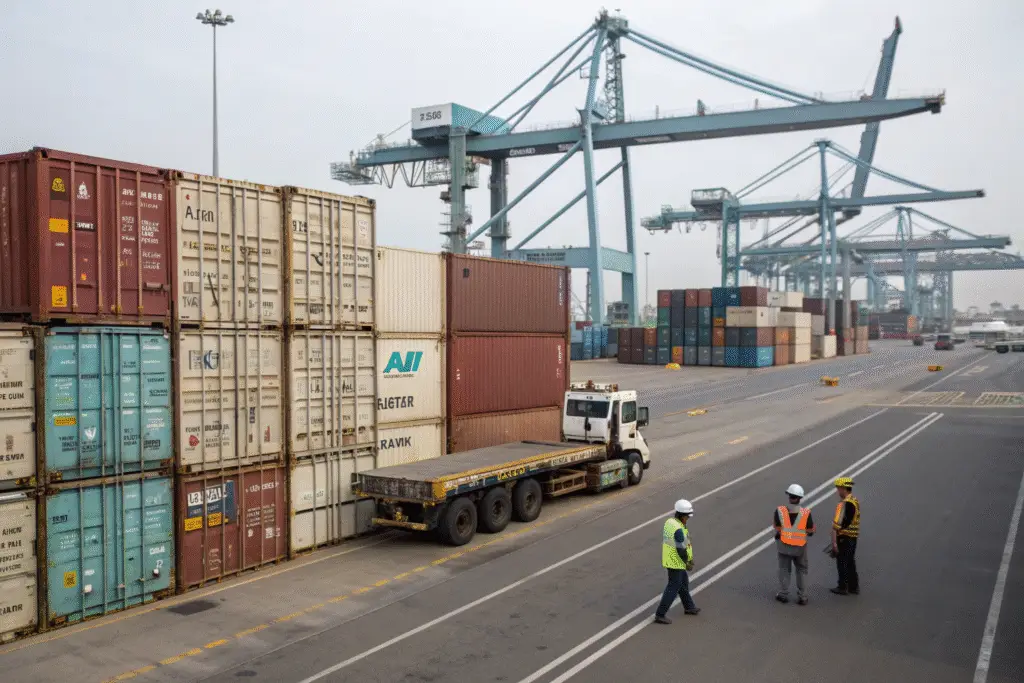
Fast production is meaningless if goods are stuck at ports or delayed in customs. Working with experienced logistics providers and preparing documentation early can cut shipping times significantly.
How Can DDP Shipping Reduce Delays?
Delivered Duty Paid (DDP) shipping handles customs clearance and duties upfront, ensuring faster delivery. According to Flexport, DDP reduces port delays by eliminating last-minute paperwork issues.
Should Brands Work with Multiple Freight Forwarders?
Yes. Having more than one freight partner provides flexibility during peak seasons or disruptions. Resources like Freightos allow brands to compare rates and transit times quickly.
Conclusion
Reducing lead times in fashion manufacturing requires action at every stage—from sourcing and production to logistics. By optimizing material supply, adopting lean methods, using real-time tracking, and improving shipping efficiency, brands can deliver faster and stay ahead in a competitive market.
At Shanghai Fumao, we help U.S. apparel brands cut lead times through proactive sourcing, lean production, and integrated logistics. For faster, more reliable manufacturing, contact our Business Director Elaine at strong>elaine@fumaoclothing.com</strong.