Sizing and fit are some of the biggest challenges in the apparel industry. Poor fit leads to high return rates, customer dissatisfaction, and wasted resources. With the growth of e-commerce, brands can no longer rely on in-store fitting rooms. Instead, they are turning to virtual fit testing tools that combine 3D body scanning, AI, and simulation technology to predict how garments will fit real customers.
Virtual fit testing tools help brands reduce returns, improve customer confidence, and speed up product development. By leveraging advanced software, fashion companies can test garments digitally before production, saving time and cost while offering a better shopping experience.
Here are the top 5 tools currently transforming virtual fit testing in fashion.
1. CLO 3D
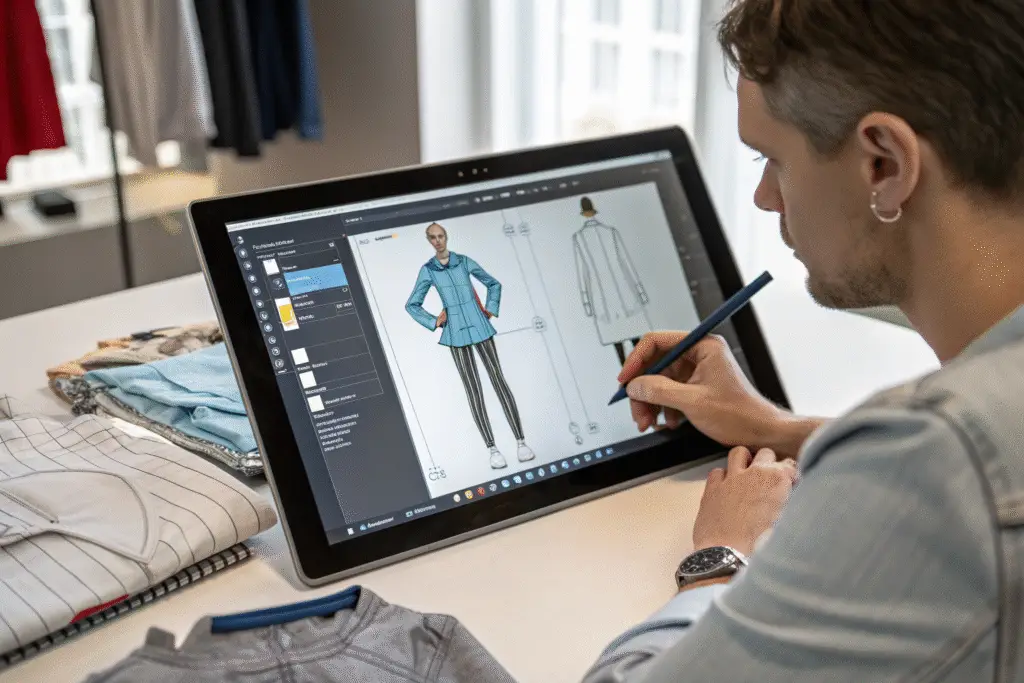
CLO 3D is one of the most popular virtual garment simulation platforms.
It allows designers to create realistic 3D garments, test fit on digital avatars, and simulate fabric movement. This tool helps brands visualize designs and make fit adjustments without physical samples.
Why Is CLO 3D Widely Used?
CLO 3D is praised for its accuracy in fabric draping and movement. Many global brands use it to speed up design cycles and cut sampling costs. According to CLO Virtual Fashion, the platform supports a wide range of file formats, making it compatible with other fashion software.
How Does CLO 3D Support Sustainability?
By reducing the number of physical prototypes, CLO 3D helps brands lower waste and carbon footprint. Designers can experiment with multiple iterations virtually, cutting down on unnecessary fabric consumption.
2. Browzwear
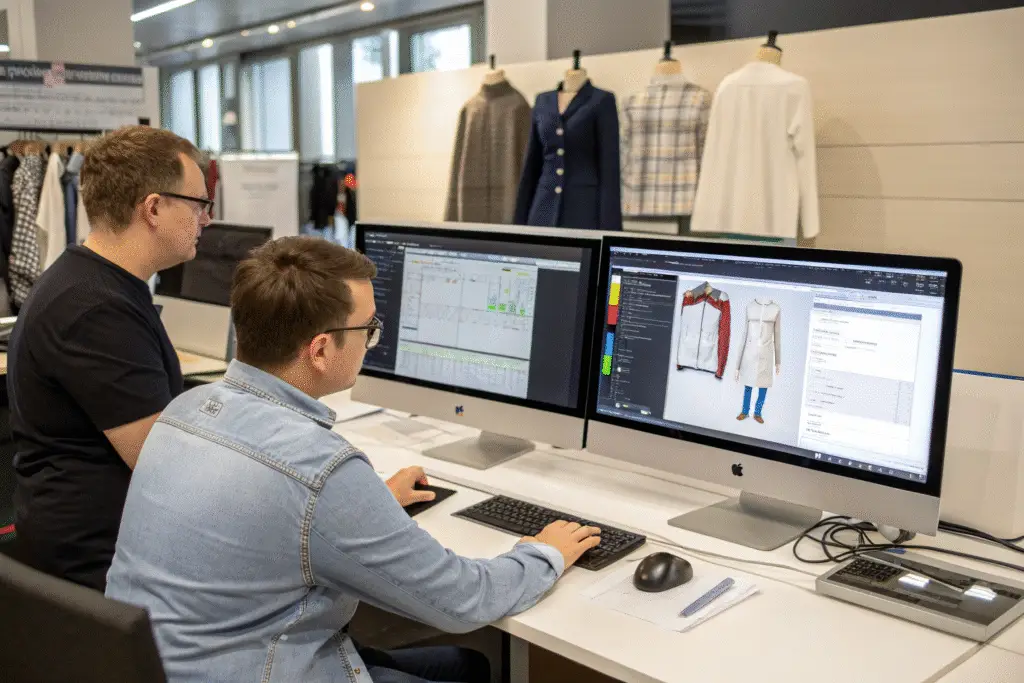
Browzwear is another leader in 3D apparel design and virtual fitting.
Its solutions, including VStitcher and Lotta, focus on creating accurate fit simulations for production-ready garments.
Why Do Manufacturers Prefer Browzwear?
Browzwear integrates with PLM and ERP systems, making it ideal for large-scale production. It also provides libraries of fabrics, trims, and hardware to ensure realistic garment rendering. Visit Browzwear’s site for detailed features.
Can Browzwear Improve Collaboration?
Yes. Teams across design, merchandising, and production can work in real time, reducing miscommunication and costly errors. Its cloud-based features make it especially valuable for global brands managing multiple teams.
3. Fit Analytics (Snap Inc.)
Fit Analytics, acquired by Snap Inc., is a tool designed for e-commerce apparel fit prediction.
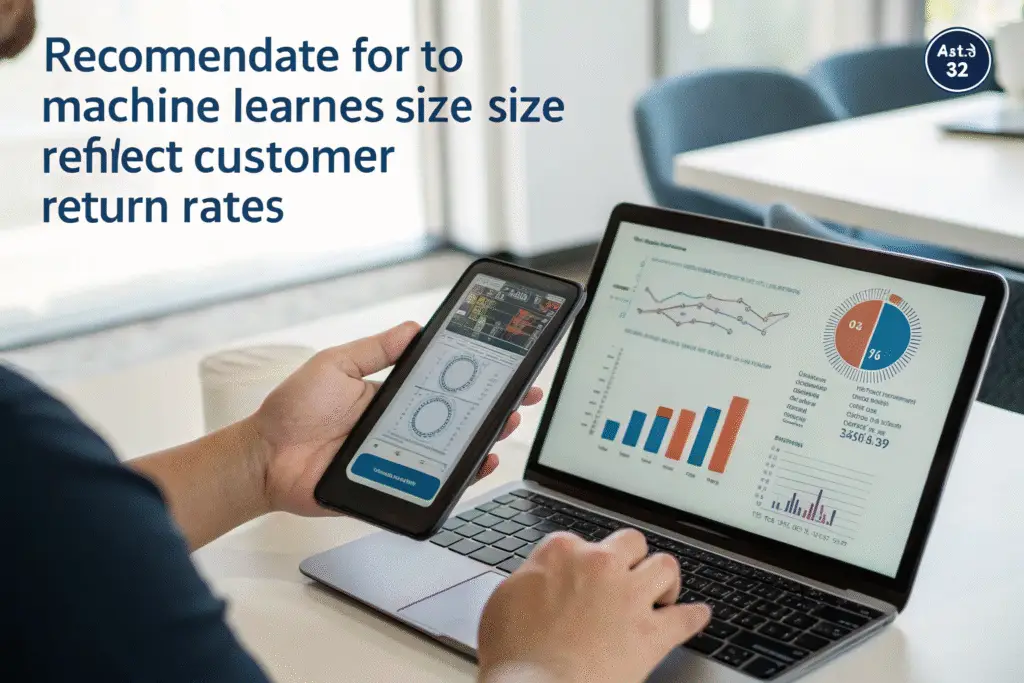
It uses machine learning and customer data to recommend the right size, reducing return rates.
How Does Fit Analytics Work for Shoppers?
Customers input their height, weight, and fit preferences. The tool then compares these details with data from millions of shoppers to predict the best size. Learn more at Fit Analytics.
Why Is It Popular in E-Commerce?
Because it integrates seamlessly with online stores, Fit Analytics improves customer confidence during checkout. Retailers report lower return rates and higher satisfaction after adopting the tool.
4. 3DLOOK
3DLOOK is a mobile body scanning solution for fashion fit technology.
It allows consumers to take body measurements through smartphone photos, which are then used to recommend the best size or create made-to-measure clothing.

How Does 3DLOOK Help Fashion Brands?
Brands can use 3DLOOK to capture accurate customer measurements without requiring special hardware. This data helps in virtual try-ons and production of custom-fit garments. See more at 3DLOOK.
Is 3DLOOK Suitable for Made-to-Order Apparel?
Yes. Many direct-to-consumer brands adopt it for made-to-order business models. It eliminates sizing guesswork, ensuring each item is tailored to the buyer’s measurements.
5. Metail
Metail focuses on providing virtual try-on technology for shoppers.
Its 3D visualization tools allow customers to create avatars and see how garments will fit and look on their body shape.

What Makes Metail Unique?
Metail emphasizes consumer experience, helping online shoppers “try before they buy.” This boosts customer confidence and reduces returns. For more information, visit Metail.
How Do Retailers Benefit From Metail?
Retailers gain data insights on body shapes and fit preferences. This not only improves current sales but also guides future product development.
Conclusion
The top 5 tools for virtual fit testing—CLO 3D, Browzwear, Fit Analytics, 3DLOOK, and Metail—each play a key role in solving fashion’s fit problem. From design-stage simulation to consumer-facing fit recommendations, these technologies reduce waste, lower return rates, and improve customer satisfaction.
At Shanghai Fumao, we work closely with U.S. and European brands exploring digital fashion solutions. As a manufacturer, we support integration with virtual fit tools by offering digital samples, fast prototyping, and high-quality production.
If you are ready to source apparel that aligns with virtual fit innovations, contact our Business Director, Elaine, at elaine@fumaoclothing.com. We can help bridge design technology with real-world manufacturing.