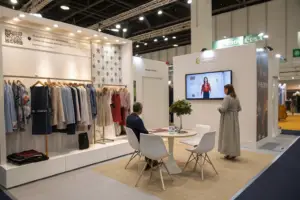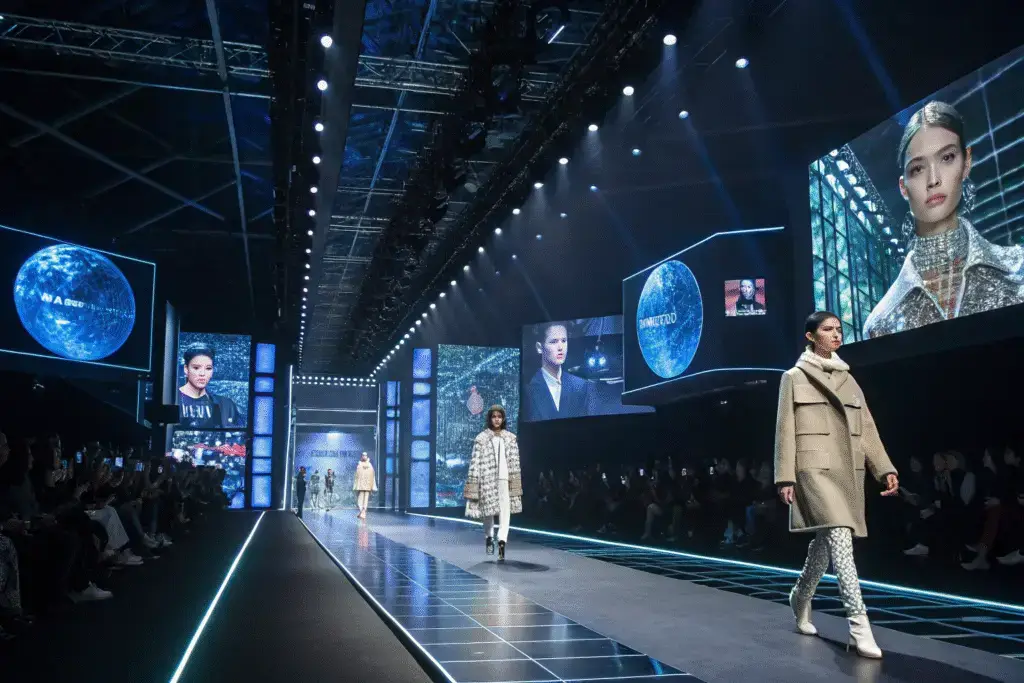
Fashion weeks and runway presentations have always been the centerpiece of the industry. But in recent years, brands are no longer restricted to physical shows. With rising digital innovation and global disruptions, virtual fashion shows have become the new frontier. They allow designers to reach international audiences, save costs, and showcase creativity beyond the limits of physical venues.
The top platforms for virtual fashion shows in 2025 include both established event solutions and cutting-edge metaverse platforms. They empower brands to launch collections, interact with buyers, and create immersive storytelling experiences.
I have seen how American and European buyers now attend virtual events to discover new collections without traveling, which speeds up sourcing and expands opportunities. Let’s explore the five leading platforms.
Why Are Virtual Fashion Shows Transforming the Industry?
Virtual fashion shows go far beyond livestreaming. They integrate digital fashion, immersive technologies, and interactive engagement.
They transform the industry by making runways more accessible, sustainable, and engaging for global buyers.
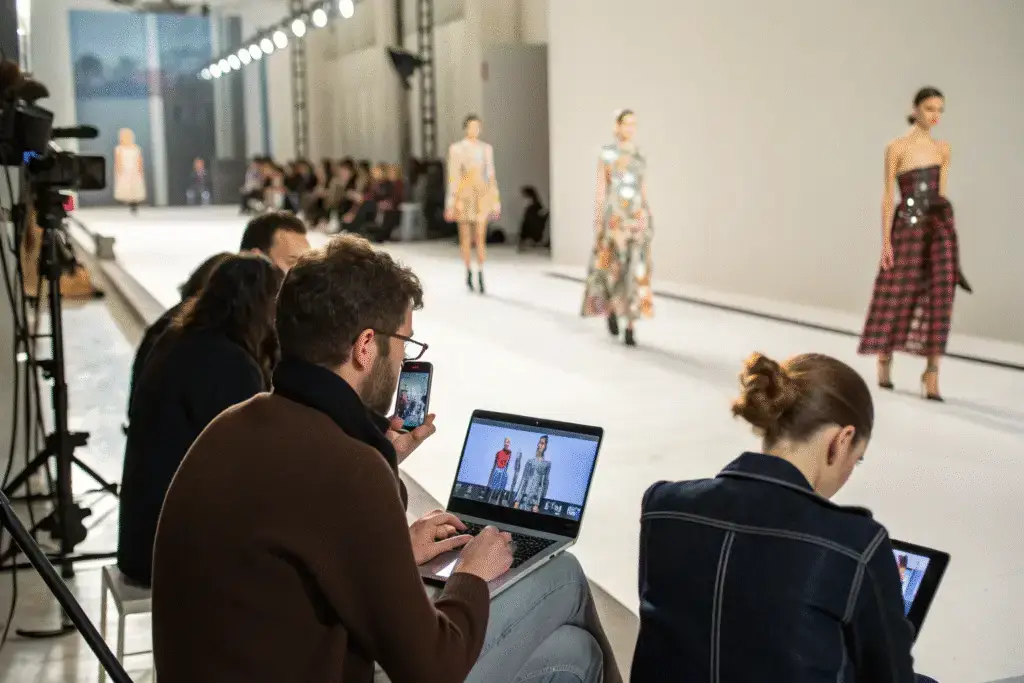
How Do They Expand Audience Reach?
Physical shows limit attendance due to location and cost. Virtual platforms remove barriers, letting thousands of global buyers and consumers join at once. Reports from Business of Fashion confirm that digital fashion weeks attract higher engagement than some physical events.
Why Are They More Sustainable?
By eliminating travel, logistics, and physical venue costs, virtual shows reduce carbon footprints. According to McKinsey State of Fashion, digital formats are a core sustainability strategy for brands moving forward.
Top 5 Platforms for Virtual Fashion Shows
Several platforms now lead the virtual fashion event space. Each offers unique benefits for designers, buyers, and consumers.
The top 5 platforms for 2025 are: Decentraland, Roblox, Vogue Runway, YouTube/Fashion, and Runway360.
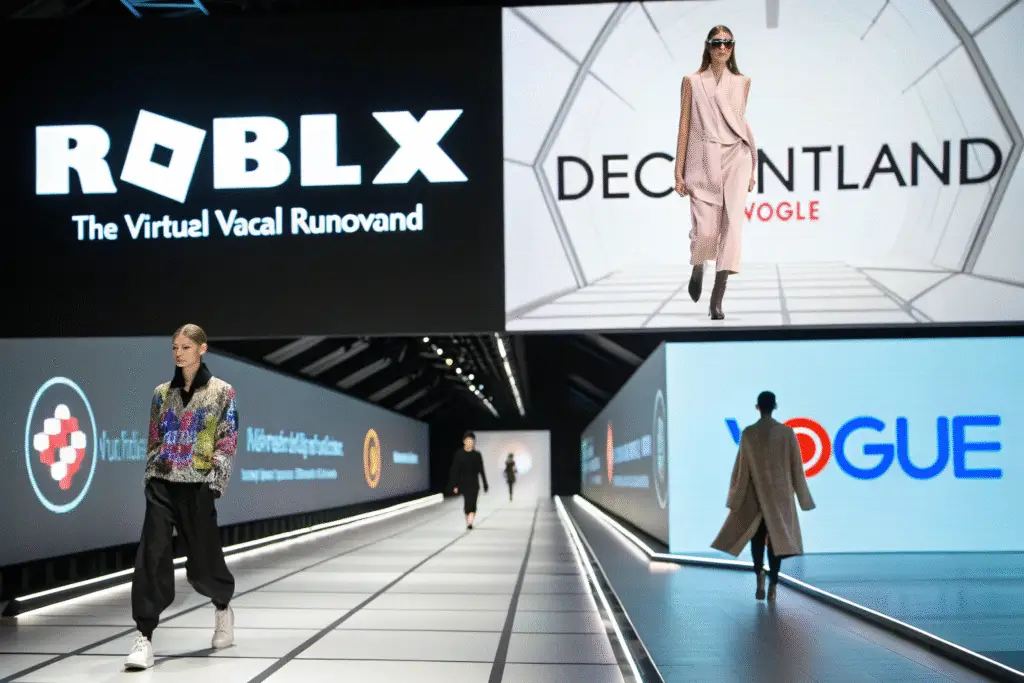
1. Decentraland
Decentraland is a blockchain-based metaverse where fashion houses host immersive shows. Luxury brands like Dolce & Gabbana have already used it for digital catwalks. Buyers can interact with garments as NFTs, merging fashion and digital assets.
2. Roblox
Roblox attracts younger audiences and offers high interactivity. Gucci and Nike have both launched virtual collections here. For brands targeting Gen Z, Roblox provides direct access to consumers and digital product testing.
3. Vogue Runway
Vogue Runway remains the industry’s top archive and digital show platform. Designers can reach global fashion editors, buyers, and fans with livestreams and detailed lookbooks. It is especially trusted by established U.S. and European buyers.
4. YouTube / Fashion
The YouTube/Fashion hub gives brands direct access to billions of viewers. Major fashion weeks livestream here, offering mass exposure. For emerging brands, it is a cost-effective alternative to reach global buyers.
5. Runway360 by CFDA
Runway360 by the Council of Fashion Designers of America (CFDA) is a professional platform designed for digital showcases. It integrates livestreams, lookbooks, and commerce tools, making it a strong choice for U.S. brands entering digital shows.
How Can Buyers Benefit from Virtual Shows?
Virtual shows are not only for consumers—they provide serious benefits for apparel buyers and sourcing professionals.
They give buyers instant access to collections, faster communication with designers, and earlier opportunities to secure production slots.
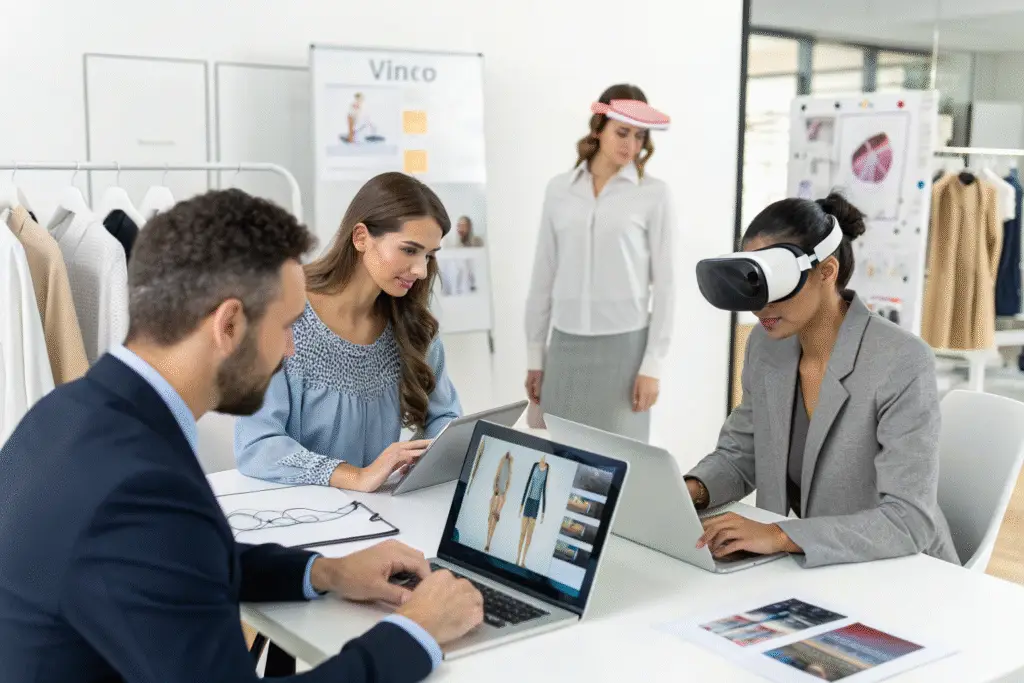
Do Virtual Shows Improve Sourcing Efficiency?
Yes. Buyers can view full collections online, request digital samples, and place orders without waiting for physical events. This reduces delays and speeds up decision-making. References from Fibre2Fashion note that virtual shows align sourcing cycles with real-time market needs.
Can Buyers Still Evaluate Quality Digitally?
While physical touch cannot be replaced, many platforms integrate high-resolution 3D garment rendering and AR try-ons. This allows buyers to evaluate fit, drape, and styling virtually. Tools from CLO 3D are now widely used in these showcases.
What Is the Future of Virtual Fashion Shows?
The future of virtual fashion shows is moving toward hybrid experiences where physical and digital formats merge.
Next-generation shows will combine AR/VR, blockchain, and direct-to-consumer commerce, making fashion weeks accessible to all.
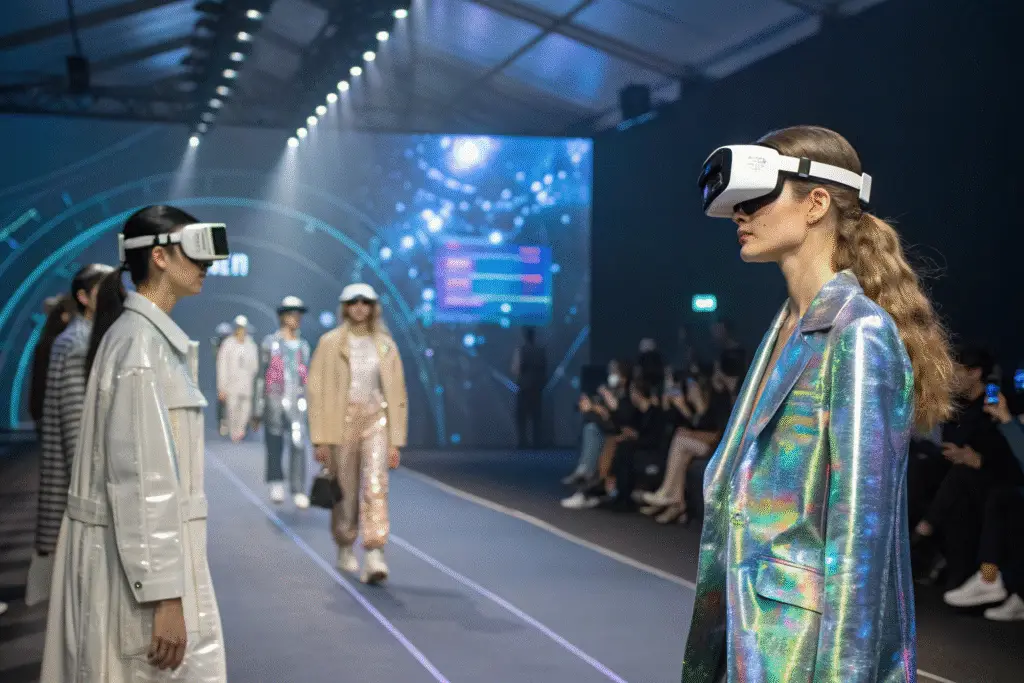
Will Metaverse Integration Dominate?
Yes. Platforms like Decentraland and Roblox show how metaverse-native fashion events attract massive audiences. According to Vogue Business, more brands are planning hybrid shows blending physical catwalks with virtual extensions.
How Will Commerce Change?
Virtual shows will connect directly to e-commerce, letting buyers and consumers purchase looks instantly. This “see now, buy now” model is gaining traction, with reports from WWD confirming stronger sales conversion in digital-first launches.
Conclusion
Virtual fashion shows are no longer experiments—they are the new standard for global engagement. The top platforms like Decentraland, Roblox, Vogue Runway, YouTube/Fashion, and Runway360 provide diverse options for brands and buyers.
As a Chinese apparel manufacturer, I encourage U.S. and European buyers to embrace virtual showcases not only for inspiration but also for sourcing efficiency. If you are looking for a production partner to turn virtual runway designs into real garments, we at Shanghai Fumao are ready to collaborate. Please contact our Business Director Elaine at strong>elaine@fumaoclothing.com</strong to start your next trend-driven project.