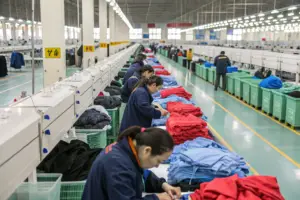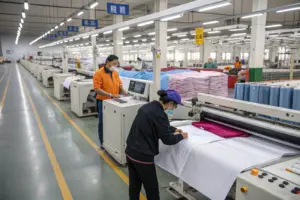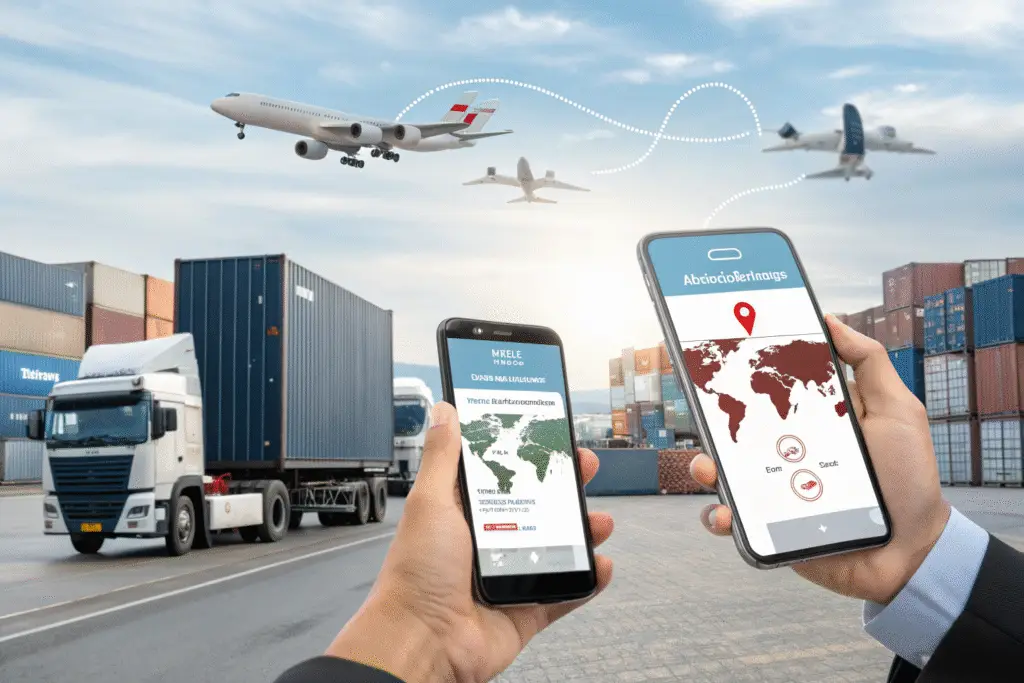
In today’s global apparel and fashion supply chain, fast and clear visibility is, to be honest, not a luxury—it’s survival. Many U.S. apparel brands lose revenue when shipments get stuck in transit, or when their buyers simply don’t know where the goods are. As a factory owner in China exporting to America, I see this frustration first-hand. Orders are placed, factories run smoothly, but when logistics falters, trust vanishes in an instant.
The best real-time shipping apps? They cut through the noise, sending proactive alerts, preventing missed seasons, and protecting margins. By automating shipment notifications, they give buyers a sense of control—something they badly need.
Actually, when I speak with clients in the U.S., their pain points are very clear: delays, hidden costs, and inefficient communication. That’s why tools with live tracking and automatic status updates matter. Below, I’ll break down five apps that consistently perform well for apparel buyers who work with us in China.
Why Is AfterShip Popular For Apparel Brands?
AfterShip is one of those names that almost every apparel buyer knows. Some might call it the gold standard in shipment tracking. Personally I think, for U.S. fashion brands, it solves two major headaches: visibility and communication.
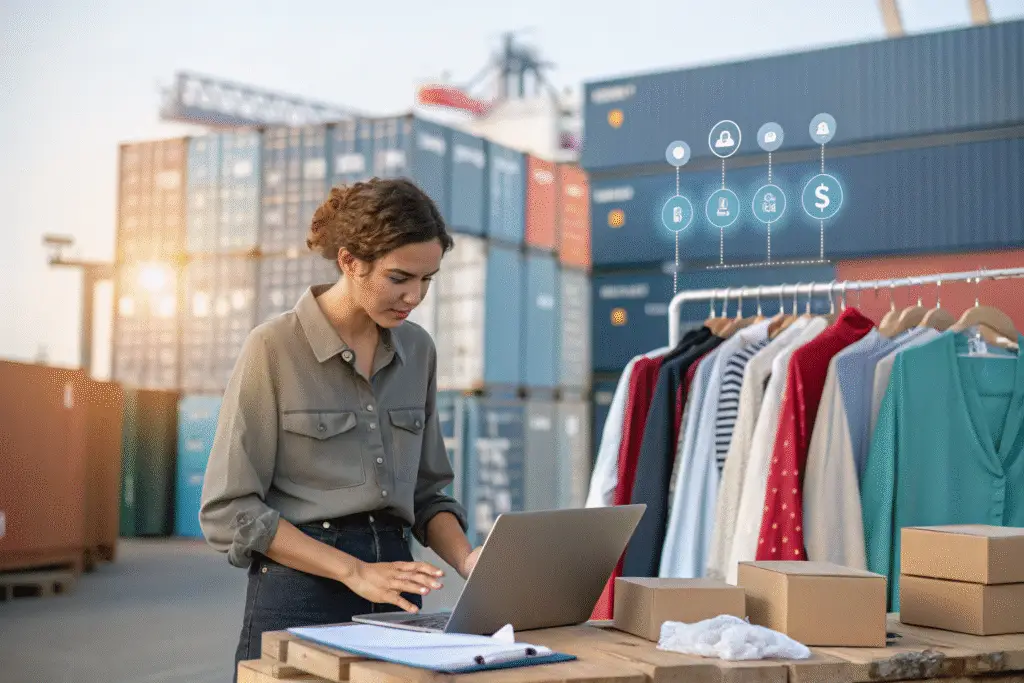
AfterShip supports over 1,000 carriers and shoots out instant alerts via SMS or email. That means no more endless email chains with suppliers asking, “Where is my order?”
How Does AfterShip Build Trust With Buyers?
What’s unique about AfterShip is the branded tracking page. U.S. buyers can check shipments directly without bugging the supplier. And when brands sell online, this same branded page improves the customer experience—making repeat sales more likely. According to Shopify, strong post-purchase experiences keep customers loyal. Another point worth noting: AfterShip integrates with BigCommerce and Magento, which helps scale operations seamlessly.
Can AfterShip Prevent Missed Selling Seasons?
Missed seasons are deadly in fashion. Actually, a delayed jacket delivery in fall means dead stock. AfterShip cuts that risk by pushing real-time alerts on every update. According to Parcel Monitor, this kind of visibility boosts operational reliability. From my own experience, American partners tell me their stress levels dropped when they could track shipments without calling us five times a week.
Is Shippo Better For Small And Mid-Sized Businesses?
Shippo is lightweight, but don’t let that fool you. For small and mid-sized apparel buyers, it is powerful enough. It’s simple, affordable, and well-integrated with global carriers.
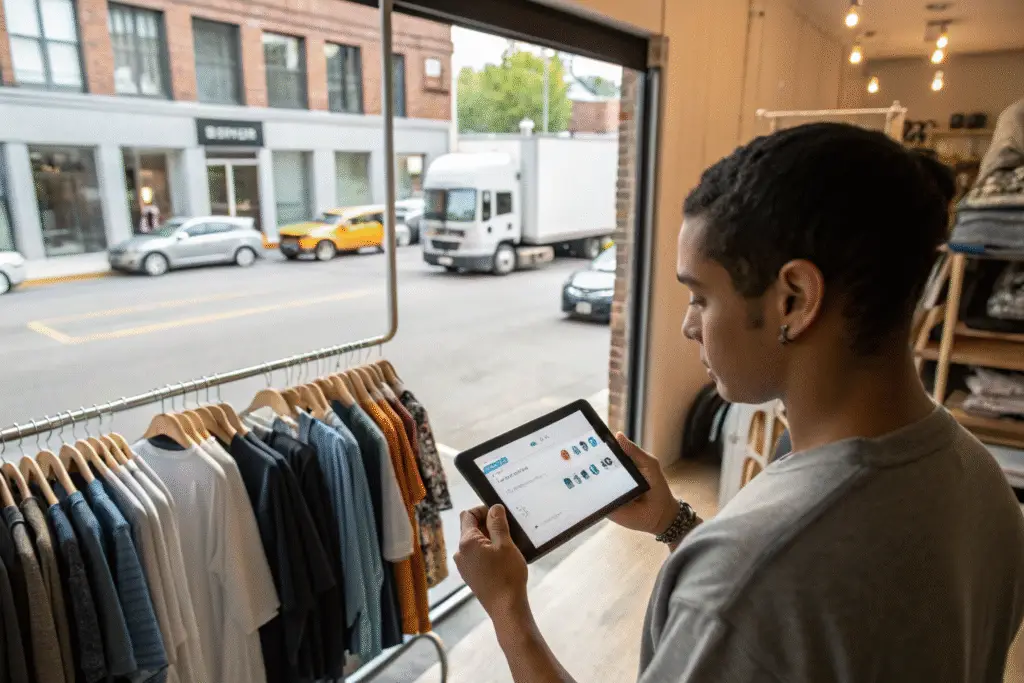
Shippo connects with 85+ carriers and sends immediate shipment alerts. Plus, its clear rate comparisons help buyers save money, which for smaller companies, is no small thing.
Why Do SMB Apparel Buyers Choose Shippo?
One big reason is cost clarity. A U.S. retailer buying T-shirts from China cannot afford hidden fees. Shippo’s rate comparison and real-time updates give peace of mind. According to GetApp, it’s one of the best tools for SMBs. And the integrations? With Etsy and Shopify, Shippo lets smaller brands operate like big players.
Does Shippo Help With Customs And Delays?
Customs—always the wildcard. Personally I think Shippo shines here because it tracks customs status in real time. The platform explains, in its knowledge base, how to navigate clearance. So when my smaller partners use it, they don’t panic when goods pause at the port. They know what’s happening, and they can plan ahead instead of guessing.
Why Is ShipStation A Favorite For E-Commerce Brands?
ShipStation—honestly, this app is built for scale. If you’re handling hundreds of orders per day, you can’t live without automation, and ShipStation provides that.
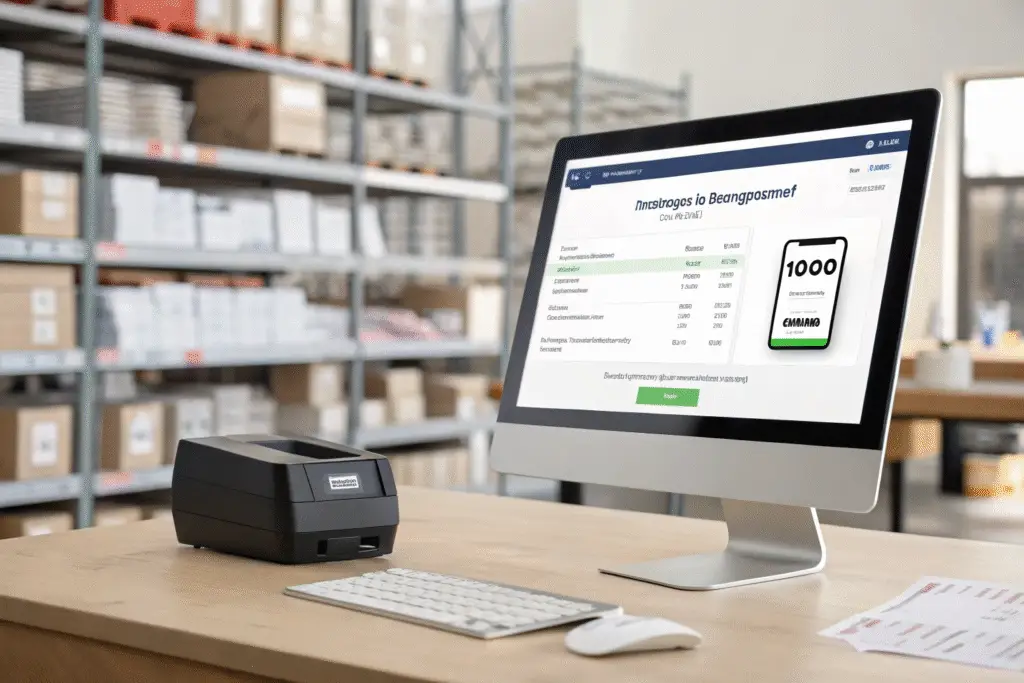
It works with Shopify, WooCommerce, Amazon, and more than 50 carriers. Label printing, shipping alerts, inventory sync… all automated.
Can ShipStation Handle Large Order Volumes?
Absolutely. With ShipStation, U.S. brands can sync orders, print labels in bulk, and send alerts without lifting a finger. According to WooCommerce, it is one of the strongest platforms for multi-channel fulfillment. Plus, its link with Amazon Seller Central makes it essential for fashion sellers competing in fast-paced marketplaces.
How Does ShipStation Improve Customer Communication?
Alerts—yes, ShipStation does them well. But it also lets you customize those messages. According to ShipStation’s blog, that personalization matters. During my conversations with U.S. partners, they often say ShipStation gave them sanity during high-volume sales like Black Friday. Without it, manual tracking would simply break their workflow.
Is Easyship The Best Option For Cross-Border E-Commerce?
Easyship, as the name suggests, makes cross-border shipping… well, easier. For brands in the U.S. working with Chinese factories like ours, the biggest fear is hidden duties and taxes.
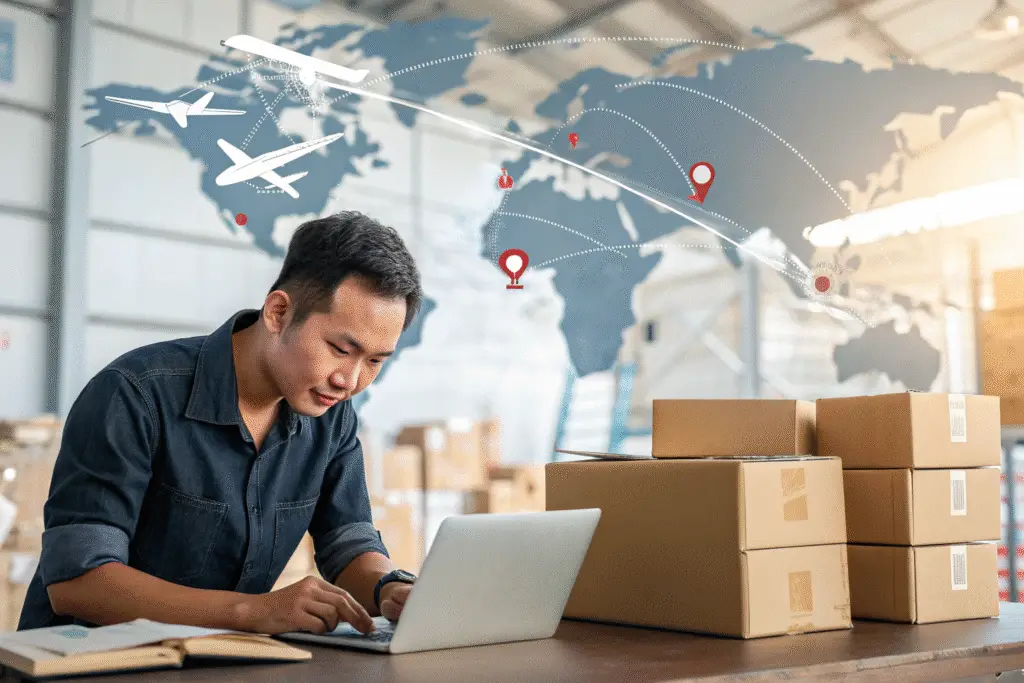
Easyship shows tax and duty costs upfront and connects them with shipment tracking. So no surprises when goods reach U.S. customs.
How Does Easyship Help With Duty And Tax Transparency?
Duty and tax costs kill margins if not managed. Easyship makes them clear. According to Easyship’s official site, this visibility prevents unexpected bills. It even integrates directly with Shopify Plus, which helps growing brands stay compliant.
Can Easyship Prevent Global Shipping Delays?
Delays at customs? They’re common. But Easyship provides real-time updates across routes. BigCommerce notes that this is why so many merchants use it for scaling internationally. From my side, American partners often tell me that Easyship was the first app that gave them confidence to expand sales into Europe and beyond.
Why Do Last-Mile Businesses Prefer Track-POD?
Track-POD is not about long journeys. It’s about the last step—the final mile. To be honest, that’s where most problems happen: packages left at the wrong door, missed deliveries, or unhappy customers.
Track-POD offers live GPS tracking, real-time SMS alerts, and electronic proof of delivery (ePOD). For U.S. apparel distributors, this closes the visibility gap.
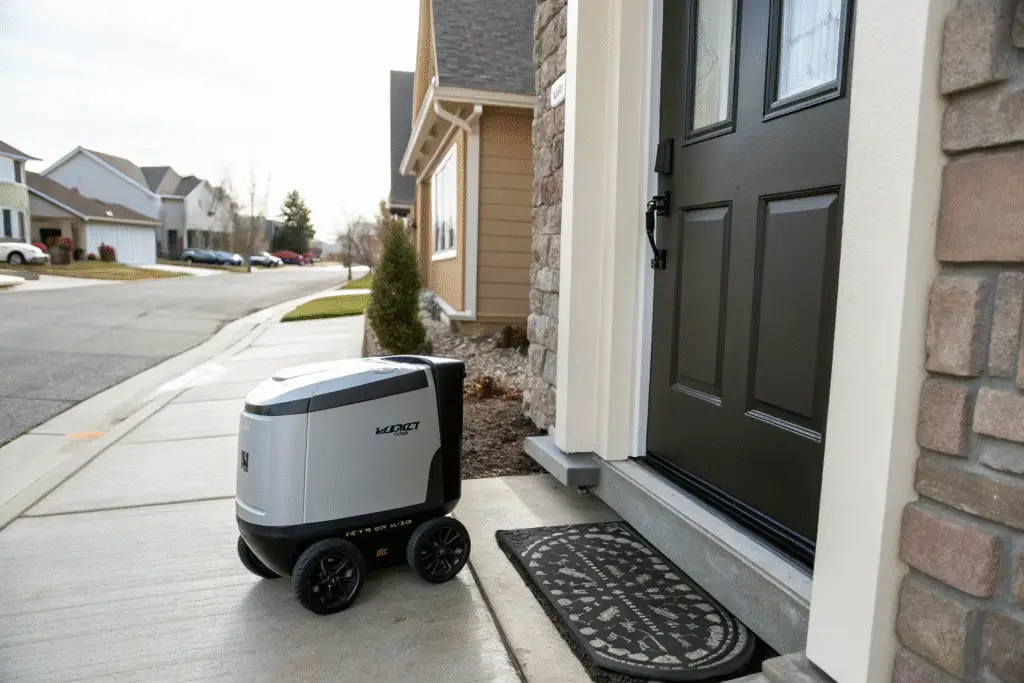
Can Track-POD Improve Customer Satisfaction At The Final Step?
Yes, and strongly so. With ePOD and live updates, customers feel safe. According to Track-POD’s blog, businesses cut disputes significantly. Plus, Track-POD integrates with Zapier, which lets managers automate alerts across systems.
How Does Track-POD Help With Large-Scale Deliveries?
For bulk shipments—imagine dozens of cartons of kids’ apparel moving across U.S. cities—Track-POD gives live maps and driver updates. Visiwise calls last-mile the most critical step, and I agree. With Track-POD, fewer packages vanish into thin air. In my own view, this tool works best when buyers want to protect their reputation with reliable deliveries.
Conclusion
To be honest, shipping is messy, but real-time alerts make it manageable. From AfterShip’s massive carrier network to Track-POD’s last-mile precision, each app solves a different pain point. If you’re an American apparel buyer, these tools are not optional anymore—they are essential for staying competitive.
If you want a reliable partner in China who not only produces but also supports efficient logistics, we at Shanghai Fumao Clothing are here. Our factory has five production lines, offers DDP delivery, and follows strict QC. To explore your apparel project with us, reach out to our Business Director Elaine at elaine@fumaoclothing.com. Together, we’ll make sure your shipments—and your business—run smoothly.