In today’s fast-moving fashion industry, keeping up with trends is a challenge—and a necessity. Trend analysis apps help brands and suppliers track emerging styles, colors, and consumer preferences in real time.
As a garment manufacturer serving U.S. and European brands, I’ve seen how the right trend analysis tools can guide product development and improve sales forecasting. With these tools, we can adapt quickly to changing markets and align production with what customers actually want.
This article will explore the top five fashion trend analysis apps, their features, and how apparel businesses can use them to gain a competitive advantage.
Why Use Fashion Trend Analysis Apps?
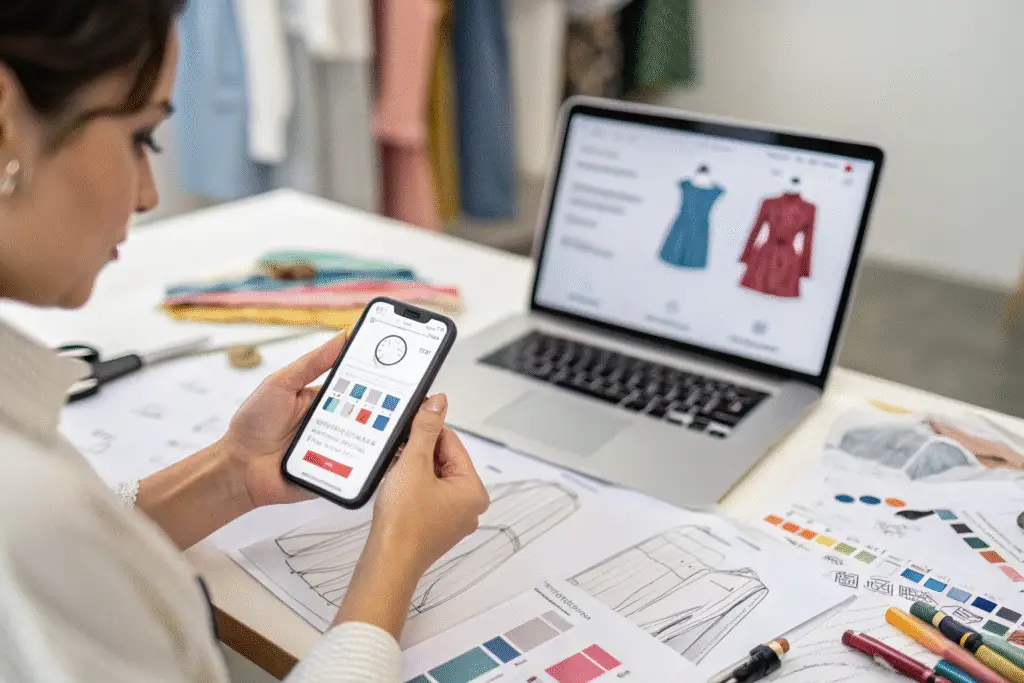
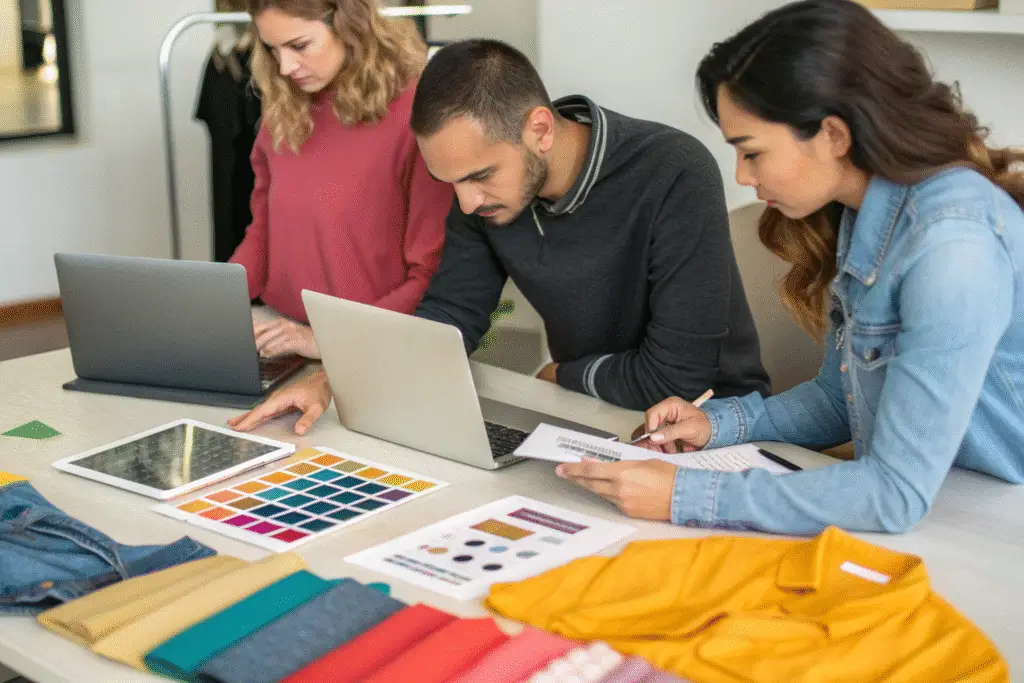
Trend analysis apps collect and interpret fashion data from runway shows, social media, retail sales, and cultural events. For suppliers, this information is valuable for anticipating buyer requests and planning collections.
In our own workflow, these tools help us design styles that match seasonal demand and avoid overproducing items that may fall out of favor.
How do these apps collect data?
They aggregate from fashion week coverage, retail sales, influencer activity, and consumer behavior analytics. See Edited fashion analytics and WGSN methodology.
Can trend apps improve B2B sales?
Yes. Suppliers who present trend-backed designs often win more contracts. Learn from Business of Fashion trend reports and Fashion Snoops tools.
Top App 1: WGSN
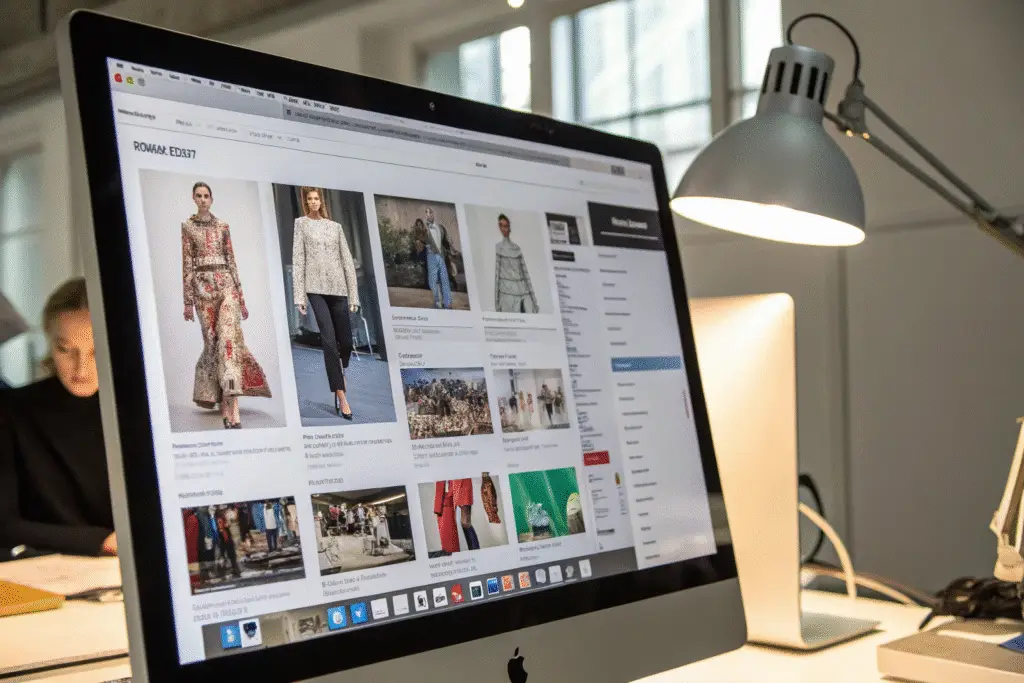
WGSN is one of the most recognized names in trend forecasting. It offers comprehensive reports on colors, fabrics, silhouettes, and consumer behavior across multiple fashion categories.
We use WGSN to guide long-term product development and ensure our designs match upcoming trends before they hit mass retail.
What makes WGSN a leader in trend analysis?
Its global network of experts and vast database of visual references. Visit WGSN official site and Vogue Business insights.
Is WGSN suitable for small apparel businesses?
Yes, though pricing may be high; it’s best for those with significant design output. See Fashionista industry reviews.
Top App 2: Edited
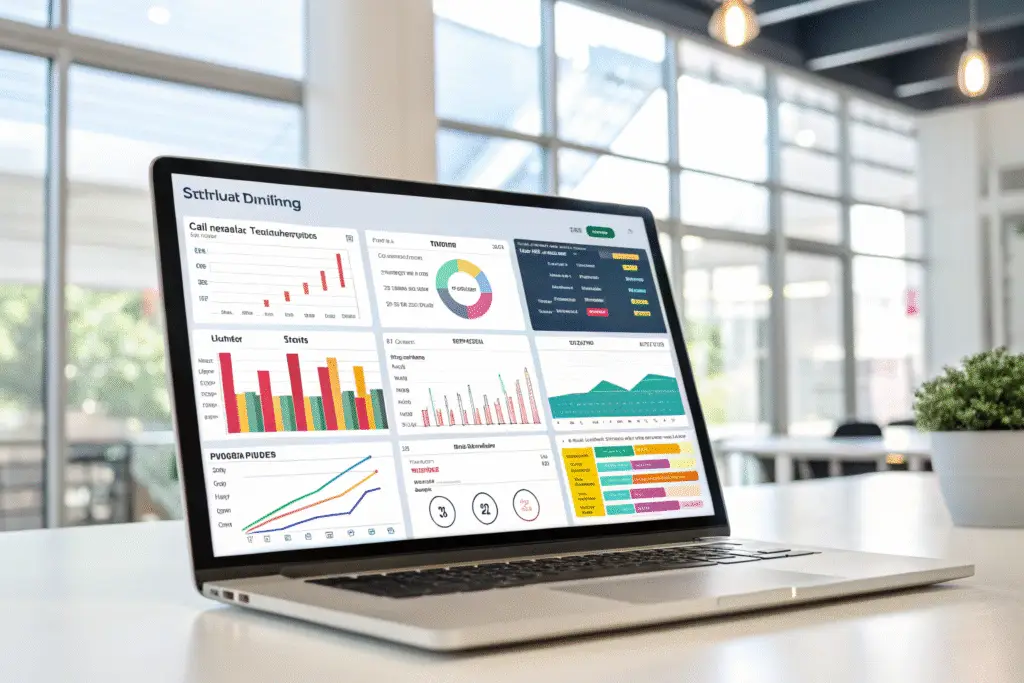
Edited specializes in real-time retail data analysis. It tracks product launches, pricing, and discount patterns across global fashion retailers, helping brands make informed decisions.
We use Edited to monitor competitor pricing and identify gaps in the market that we can fill.
How does Edited help with pricing strategy?
It provides data on competitor pricing trends and stock levels. Learn from Edited’s official tools and Retail Dive market analysis.
Can Edited track fabric usage trends?
Yes, by analyzing product descriptions and tagging systems. See Apparel Resources reports.
Top App 3: Trendalytics
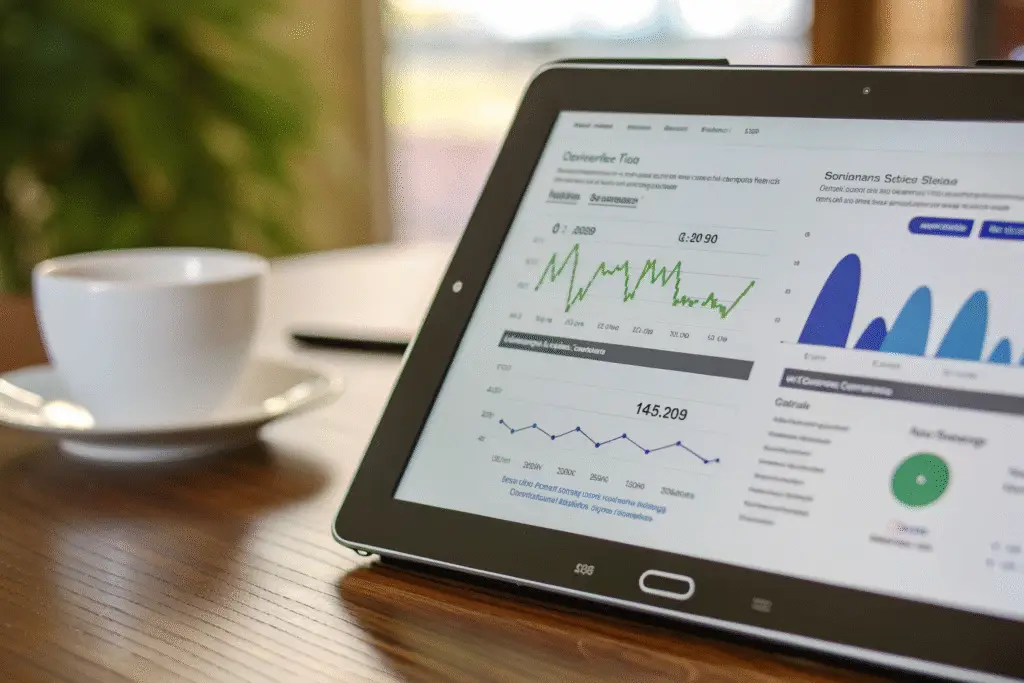
Trendalytics combines search data, social media trends, and retail analytics to predict which products will gain popularity.
We rely on Trendalytics to spot micro-trends before they explode, especially in fast-moving categories like athleisure.
How does Trendalytics detect rising trends?
It uses AI to monitor spikes in search interest and social engagement. Visit Trendalytics platform and WWD trend coverage.
Is it useful for seasonal planning?
Yes. It provides forecasts for upcoming seasons based on consumer interest patterns. See Textile World seasonal trends.
Top App 4: Heuritech
Heuritech uses AI-powered image recognition to analyze runway, social media, and e-commerce images. It predicts which styles, colors, and materials will trend next.
We find Heuritech valuable for early detection of style shifts before they hit retail.
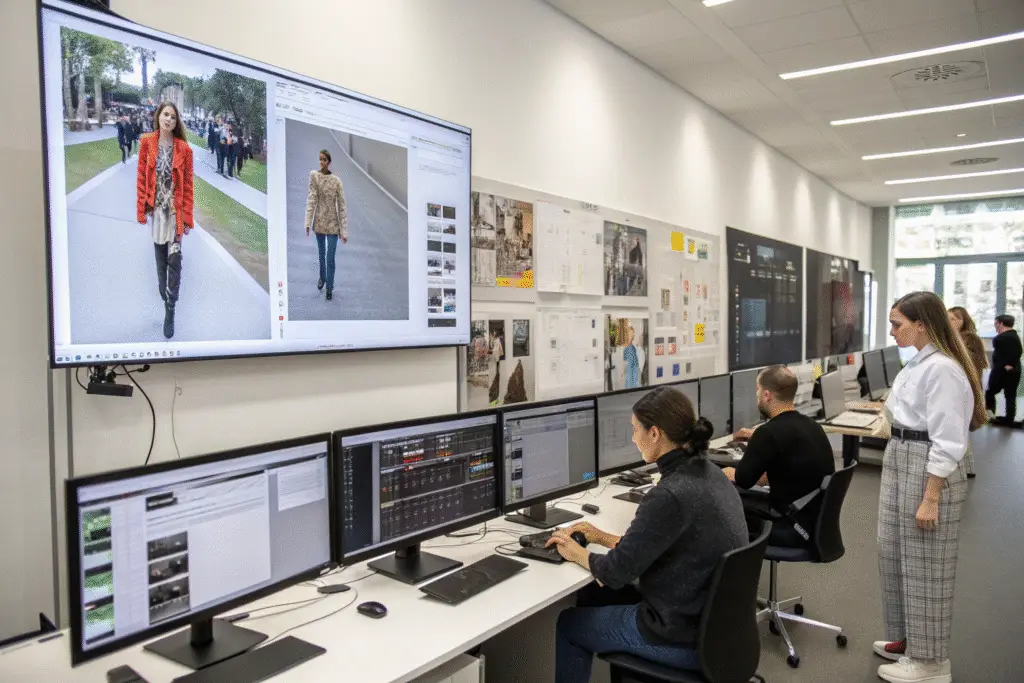
What makes Heuritech unique?
Its AI analyzes millions of images daily for fashion-specific trends. See Heuritech official site and TechCrunch AI coverage.
Can Heuritech help reduce overproduction?
Yes, by aligning design choices with data-backed demand forecasts. Learn from Fashion Network sustainability insights.
Top App 5: Fashion Snoops
Fashion Snoops offers cultural forecasting along with fashion-specific insights, making it useful for long-term brand positioning.
We use Fashion Snoops when creating collections that align with cultural themes and lifestyle shifts.
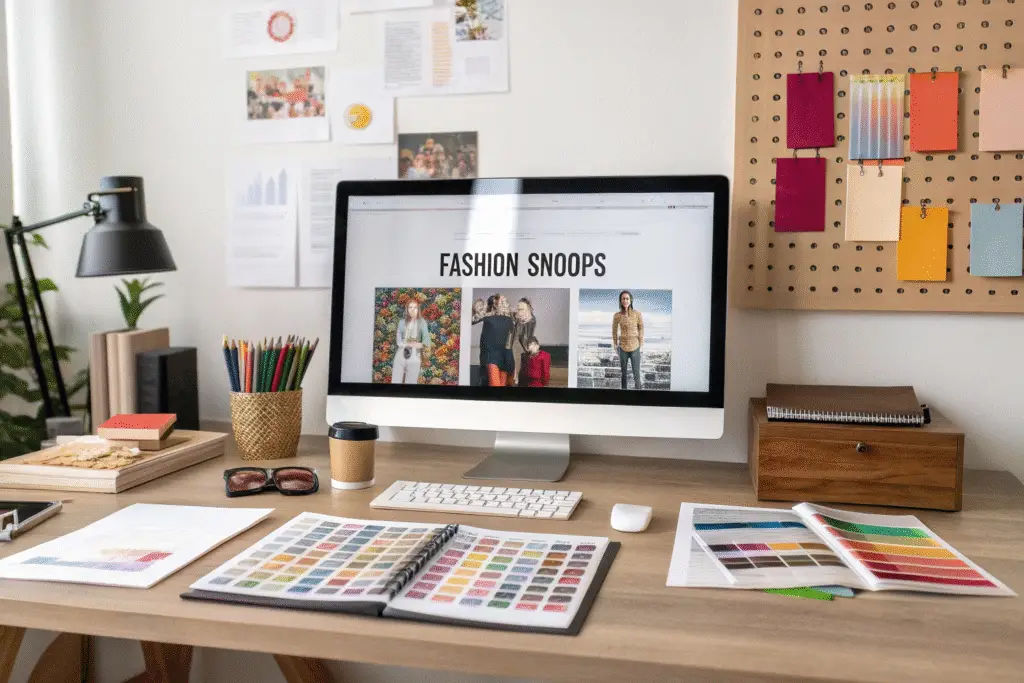
How does Fashion Snoops differ from other apps?
It focuses on macro cultural trends that influence fashion aesthetics. Visit Fashion Snoops official and Creative Review coverage.
Can it guide cross-category product design?
Yes, it works for apparel, accessories, and even home goods. See Design Milk trend features.
Conclusion
Fashion trend analysis apps are powerful tools for staying ahead in a fast-paced industry. WGSN, Edited, Trendalytics, Heuritech, and Fashion Snoops each offer unique features that can help suppliers and brands make better design, sourcing, and pricing decisions.
If your brand wants a manufacturing partner who understands fashion trends and can execute them quickly, Shanghai Fumao Clothing can bring your vision to life. Contact our Business Director Elaine at em>elaine@fumaoclothing.com</em to discuss your next collection.