Fabric defect detection has traditionally relied on human inspection, which is time-consuming, inconsistent, and expensive. In luxury and fast-fashion markets, defects in weaving, dyeing, or finishing can result in costly rejections and brand damage. With growing demand for quality assurance, AI-powered tools are transforming textile inspections by making them faster, more accurate, and scalable.
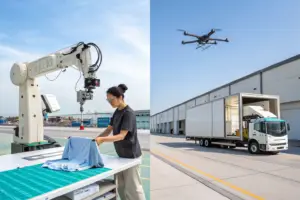
The top AI tools for fabric defect detection include systems that combine machine vision, deep learning, and automated reporting. These solutions reduce labor costs, improve efficiency, and give buyers stronger confidence in sourcing.
As a manufacturer, I’ve seen buyers increasingly request partnerships with factories that use AI inspection systems. Let’s review the leading tools.
Why Use AI in Fabric Defect Detection?
AI inspection replaces manual inspection, ensuring greater consistency in fabric quality.
It helps brands meet stricter quality standards while reducing production waste.
How Does AI Improve Accuracy?
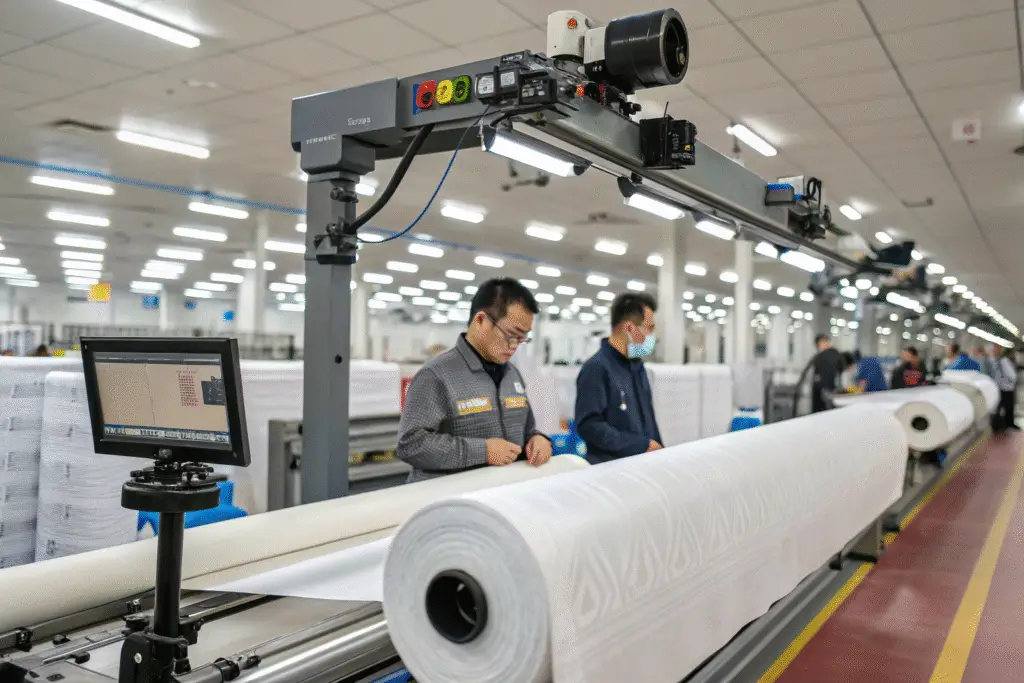
AI vision systems detect micro-defects that human inspectors may miss. According to Textile World, AI inspection systems improve detection accuracy by over 90%.
Why Is It More Efficient?
AI can scan thousands of meters of fabric continuously, reducing downtime and costs. Reports from Fibre2Fashion confirm that AI adoption in textile mills boosts productivity significantly.
Top 5 AI Tools for Fabric Defect Detection
Here are the most effective AI-powered solutions currently used in textile factories.
These tools combine deep learning with real-time fabric monitoring.
1. Uster EVS Fabric Inspection
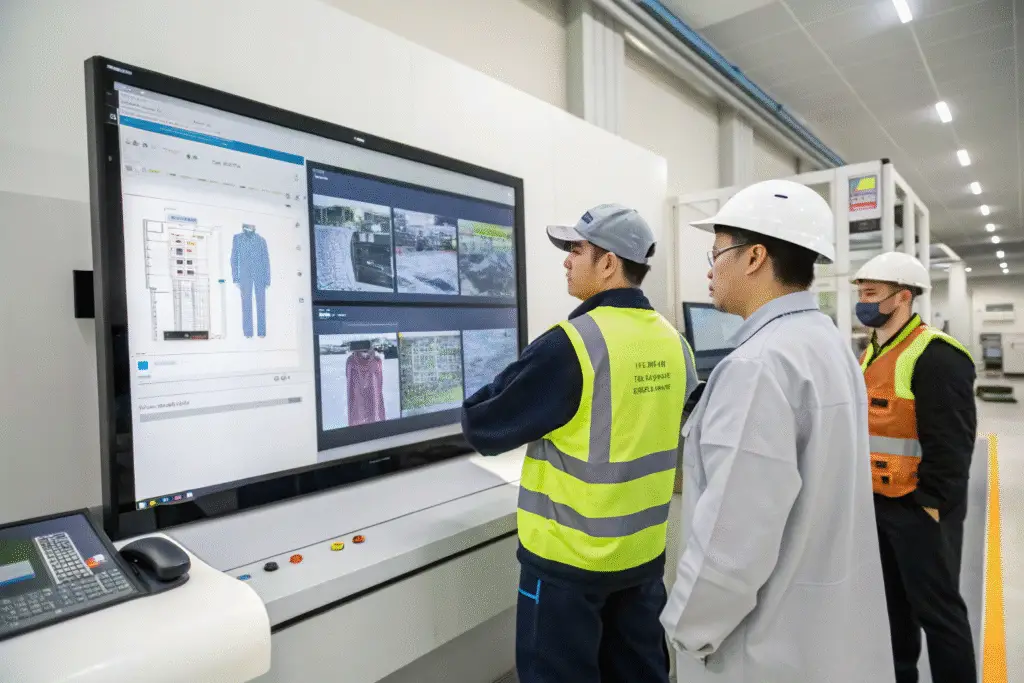
The Uster EVS system provides 100% automated fabric inspection. It uses advanced vision technology to identify weaving, knitting, and dyeing defects. Widely adopted in global textile hubs.
2. Shelton Vision WebSpector
Shelton Vision offers WebSpector, a deep-learning-based inspection system. It identifies complex fabric defects and generates reports for better quality control.
3. Elbit Vision Systems (EVS)
EVS specializes in machine vision for textiles, offering high-speed defect detection and integration with digital production systems.
4. Loomis AI Textile Inspection
Loomis AI applies deep learning for textile analysis, detecting even subtle irregularities in woven and knit fabrics. It integrates with IoT for predictive maintenance.
5. ADAMAS Vision System
Adamas Vision provides defect detection solutions tailored for apparel and upholstery textiles. Known for customizable algorithms and robust analytics.
How Do These Tools Integrate With Manufacturing?
Integration is key for maximizing efficiency in textile production.
AI tools link directly with weaving, knitting, and finishing machines to prevent defect escalation.
Can AI Reduce Rejections?
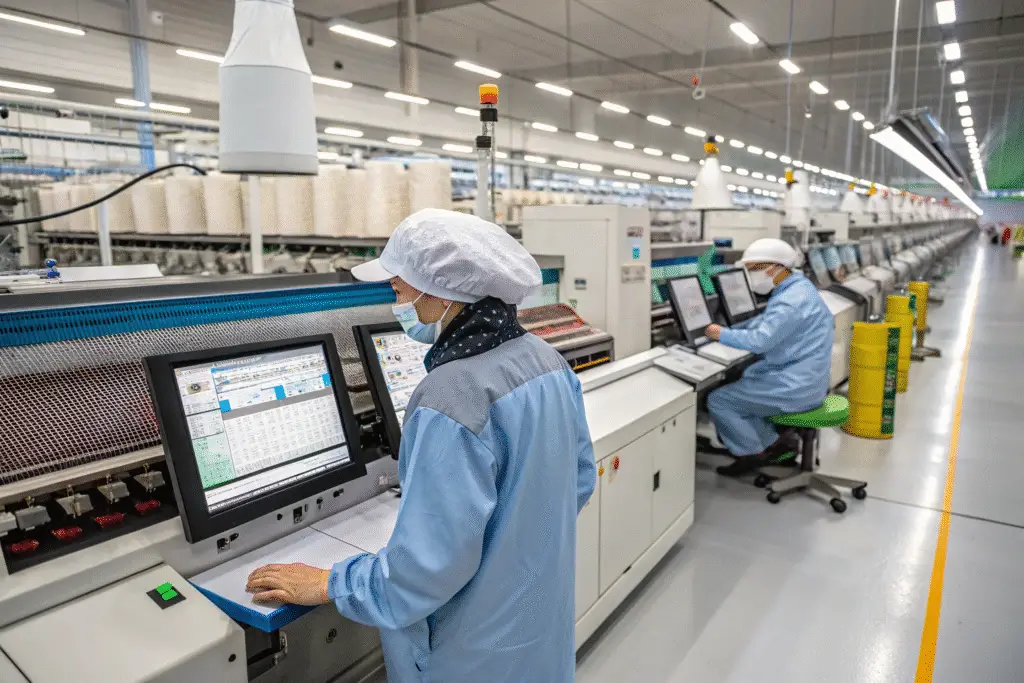
Yes. AI systems catch defects early, reducing rejections from buyers. Reports from Apparel Resources confirm that AI reduces waste by identifying issues before fabrics reach sewing floors.
Do They Support Digital Reporting?
Most systems create automated quality reports, giving buyers detailed data for compliance. Platforms like Provenance also link inspection data with supply chain transparency.
What Is the Future of AI in Fabric Inspection?
AI in textiles is still evolving, and its role will only expand.
The future lies in predictive analytics, edge computing, and real-time buyer access to inspection data.

Will AI Connect With Blockchain?
Yes. Integration with blockchain will allow buyers to trace fabric quality records, improving trust. Reports from Vogue Business note that AI + blockchain is gaining traction in luxury sourcing.
How Will AI Evolve Further?
Future systems will not only detect but also correct certain defects automatically. Research in Journal of Intelligent Manufacturing highlights AI-driven adaptive systems as the next frontier.
Conclusion
AI tools for fabric defect detection are transforming textile quality control. They reduce errors, improve efficiency, and give buyers more confidence in supplier reliability. The top five solutions—Uster EVS, Shelton WebSpector, EVS, Loomis AI, and Adamas Vision—are leading the shift toward smart factories.
As a Chinese apparel manufacturer, I encourage buyers to partner with suppliers who invest in AI-driven inspection. If you are ready to source from a reliable and innovative factory, we at Shanghai Fumao are here to collaborate. Please contact our Business Director Elaine at elaine@fumaoclothing.com to start sourcing high-quality, defect-free fabrics.