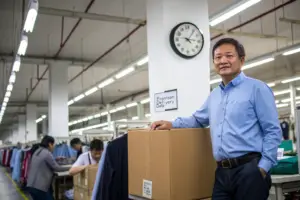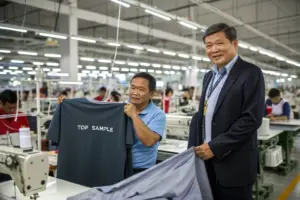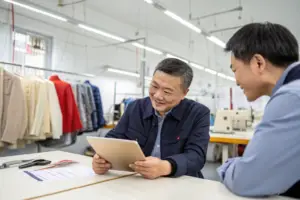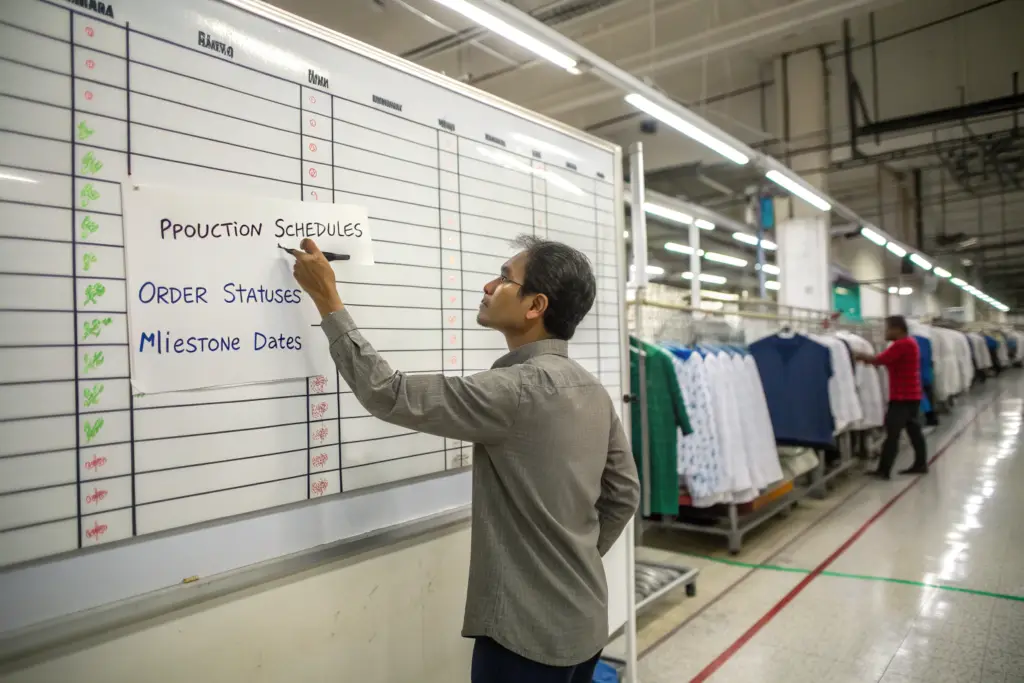
You have a new collection to produce. You have a factory partner. You have a timeline. You have a budget. Then things start to go wrong. Fabric is delayed. The sample is not right. The production line is behind. Your emails go unanswered. You feel like you are doing all the work. You wonder why the factory cannot just execute. The missing piece is often the project manager. This person sits between you and the production floor. They make things happen. Or they do not.
A successful garment production project manager combines technical knowledge of garment construction with strong communication skills, proactive problem-solving, and a deep understanding of the factory's operational constraints. They do not just pass messages between the brand and the production floor. They anticipate problems before they happen, translate design intent into clear manufacturing instructions, and take ownership of the timeline from fabric booking to shipment. They are the engine that turns a purchase order into delivered goods.
I have run a clothing factory for over a decade. I have seen project managers who make our work easy. I have seen project managers who create chaos. The difference is not about how much they know about sewing. It is about how they think. A great project manager understands both sides. They speak the brand's language. They also speak the factory's language. They bridge the gap. When you have a great project manager on your account, your stress level drops immediately.
What Technical Knowledge Must a Garment Project Manager Have?
You cannot manage what you do not understand. A project manager needs to understand how clothes are made. They do not need to be a master seamstress. But they need to know the basic process. They need to understand the language of manufacturing. Without this knowledge, they cannot identify problems early. They cannot ask the right questions. They cannot push back when something is wrong.

How does understanding garment construction help prevent problems?
When a project manager understands construction, they can spot potential issues before production starts. They look at a design and know if the seam is possible. They know if the fabric will work with the construction. They know if the timeline is realistic. This prevents the biggest source of delays: problems discovered during production that should have been caught earlier.
I remember a project manager from a New York brand who visited our factory. She walked through our sample room. She picked up a sample of a jacket that was in development. She looked at the armhole seam. She asked why we used a different seam type than what was in the tech pack. Our sample maker had made a mistake. She caught it before we made 20 samples. If she had not caught it, we would have produced a batch of samples with the wrong construction. The client would have rejected them. We would have lost two weeks. Her technical knowledge saved that time.
A good project manager understands the critical control points in garment production. They know that fabric cutting is a critical point. They know that the first sewing operation sets the standard for the rest. They know that finishing is where many small defects are caught or missed. They ask for reports at these points. They do not wait until the end to check quality.
They also understand the limitations of different fabrics. A project manager knows that silk requires different handling than denim. They know that heavy knit fabrics can stretch on the cutting table. They know that some fabrics cannot be washed after sewing. This knowledge informs their decisions. They can advise the brand on what is possible and what is risky.
What do project managers need to know about materials and trims?
Materials and trims are a major source of delays. Fabric is late. Zippers are out of stock. Buttons do not match the sample. A good project manager knows how to manage this. They understand lead times for different materials. They know that custom-dyed fabric takes longer than standard colors. They know that imported zippers have longer lead times than local ones. They plan accordingly.
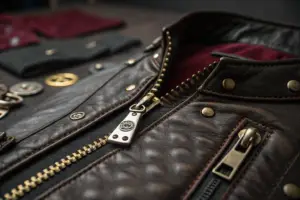
They also understand the importance of trim specifications. A zipper is not just a zipper. There is the length, the type of teeth, the slider, the stop, the tape color. Each detail matters. A project manager ensures that all trim specifications are documented in the tech pack. They do not assume the factory will figure it out. They make it explicit.
A project manager from a brand in Los Angeles taught me something valuable. She kept a "trim library" for each style. She had samples of every trim: the main label, the care label, the zipper, the button, the thread. She sent these physical samples to us with the tech pack. There was never any confusion about which trim to use. Her system was simple but effective. It prevented the small mistakes that can delay production.
Project managers should also understand fabric testing standards. They know when a fabric needs to be tested for colorfastness. They know when shrinkage testing is required. They know how to read a test report. This knowledge protects the brand. A project manager who catches a fabric issue before cutting saves the brand from a costly recall after shipment.
How Does a Project Manager Bridge Communication Between Brand and Factory?
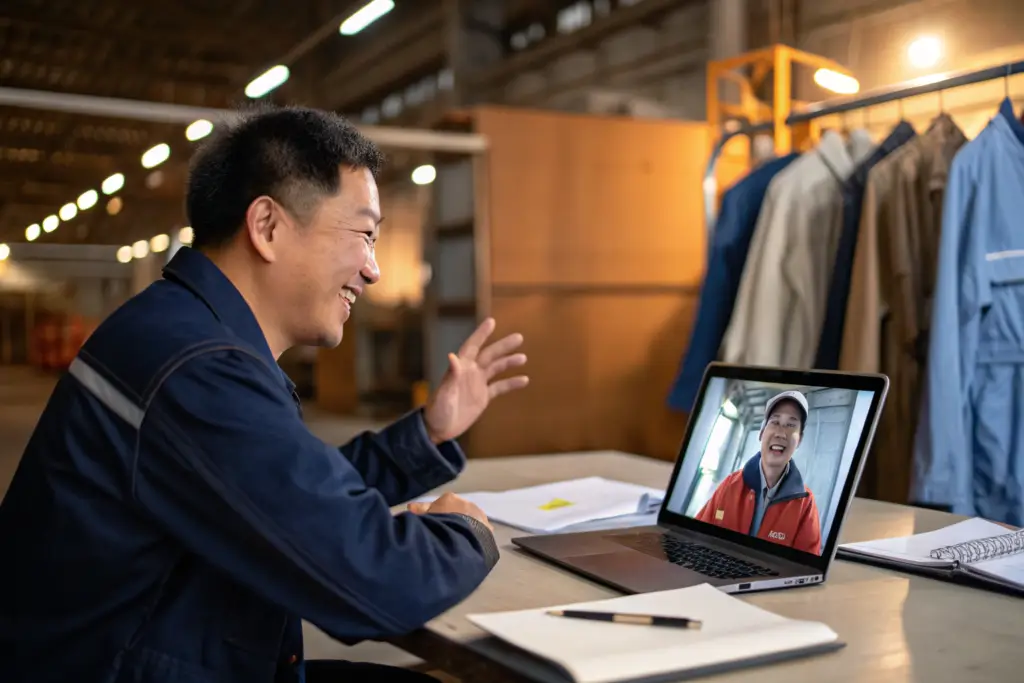
Communication is where most projects fail. The brand says one thing. The factory hears another. Emails get lost. Details get missed. A great project manager acts as a translator. They do not just forward emails. They interpret. They clarify. They make sure both sides understand each other. They build relationships that make problem-solving easier.
What communication habits separate great project managers from average ones?
Great project managers are proactive, not reactive. They do not wait for problems to come to them. They reach out. They send updates before they are asked. They flag potential issues early. This builds trust. The brand knows they are on top of things. The factory knows they will not be surprised at the last minute.
One of our best client-side project managers sends a production update every Friday. It is a simple email. It has the status of each style: fabric arrived, cutting started, sewing 50% complete, finishing in progress. It has photos. It has the estimated completion date. It takes her 30 minutes to write. It saves us hours of answering individual questions. It gives her boss complete visibility. This habit alone makes her project run smoothly.
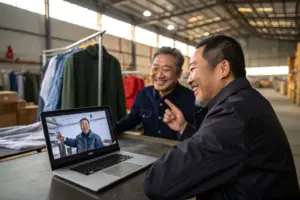
Great project managers also use visual communication. They do not rely on words alone. They use photos. They use videos. They use marked-up images. When there is a problem, they show it. A photo of a wrong button is clearer than an email saying "the button is wrong." A video of a fabric issue shows the problem instantly. Visual communication reduces misunderstandings.
Another important habit is documentation. Great project managers document every decision. They do not rely on verbal agreements. Every approval is in writing. Every change order is documented. Every delay is recorded. This creates a clear record. When there is a dispute, they have the evidence. When there is a success, they know exactly what worked.
A project manager in Chicago taught me about the importance of a production tracking sheet. She created a shared Google Sheet. It had a tab for every style. It had columns for fabric, trims, cutting, sewing, finishing, packing, and shipping. She updated it daily. She shared it with us and with her internal team. Everyone could see the status at any time. There were no more "where is my order" emails. The sheet answered the question.
How do project managers handle cultural and language differences?
Garment production is global. A brand in New York works with a factory in China. A project manager in between must navigate cultural and language differences. This is not just about translation. It is about understanding different communication styles, different expectations, and different ways of doing business.
A great project manager understands that "yes" does not always mean yes. In some cultures, people say yes to avoid conflict. They mean "I hear you" or "I understand your request." They do not mean "I agree and I will do it." A good project manager knows to ask clarifying questions. They ask "what is your plan to make this happen?" They do not accept a simple yes.
They also understand the concept of "face." In many Asian cultures, public criticism is avoided. A good project manager does not send angry emails copying everyone. They pick up the phone. They have a private conversation. They solve the problem without causing embarrassment. This approach maintains the relationship. The factory remains willing to help, not defensive.
A project manager from a European brand who worked with us was excellent at this. When she had a complaint, she called our production manager directly. She explained the issue calmly. She asked how we could solve it together. She never copied senior management on angry emails. Because of this, our team always prioritized her orders. We wanted to help her succeed. Her communication style made us partners, not adversaries.
How Does a Great Project Manager Handle Problems and Delays?
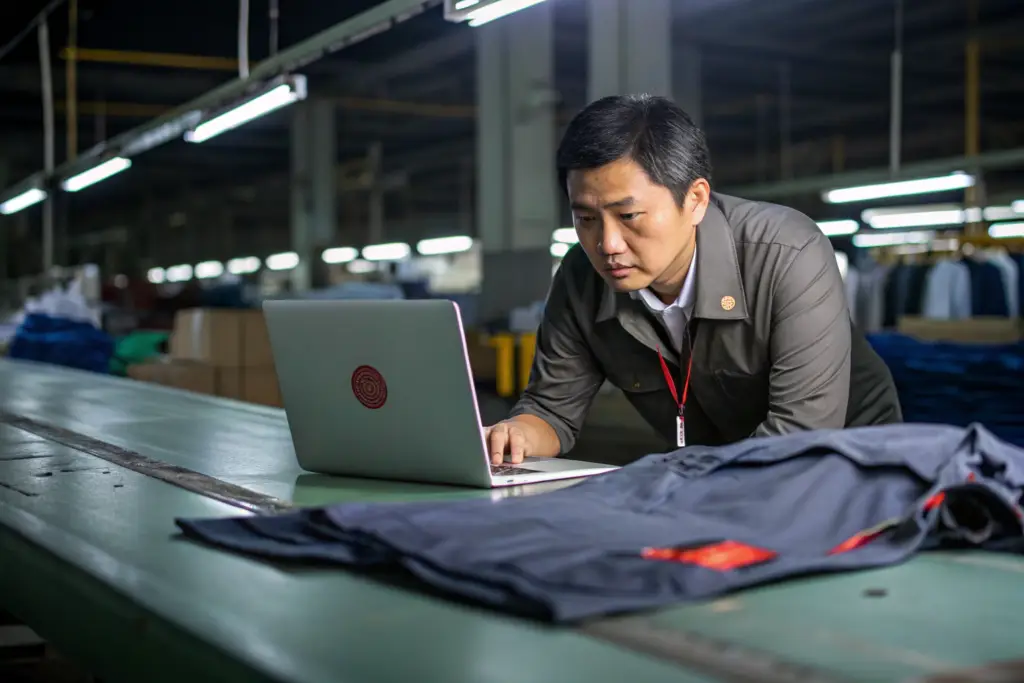
Problems will happen. Fabric will be late. A machine will break. A batch will have defects. The question is not whether problems occur. The question is how they are handled. A great project manager does not panic. They do not blame. They solve. They have a structured approach to problems. They communicate clearly. They find solutions that work for both sides.
What is the problem-solving process used by top project managers?
Top project managers follow a clear process when problems arise. First, they gather facts. They do not react to rumors. They get the full picture. What is the problem? When did it happen? What is the cause? Who is affected? They ask questions until they understand.
Second, they assess impact. How does this affect the timeline? How does it affect quality? How does it affect cost? They quantify the impact. They do not say "this is bad." They say "this will delay shipment by 10 days unless we expedite."
Third, they propose solutions. They do not just report problems. They bring options. "We can accept the delay. Or we can pay for air freight to recover the time. Or we can split the shipment and send part by sea, part by air." They present the trade-offs. They let the brand decide.
Fourth, they communicate clearly. They do not hide problems. They share them early. They share the facts, the impact, and the options. They ask for a decision. Then they execute.
I saw this process in action with a project manager from a Canadian brand. We had a fabric issue. The supplier sent the wrong color. It was a mistake on our end. The project manager called me. She did not yell. She asked for the facts. I told her we could get the correct fabric in 10 days. She calculated the impact. It would push shipment past their launch date. She proposed a solution: we would air freight the finished goods to catch the launch. We would share the cost. Her brand agreed. The launch happened on time. The relationship survived. Her calm, structured approach saved the day.
How do project managers manage expectations when things go wrong?
Managing expectations is as important as solving the problem. A project manager must be honest with their internal team. They must also be honest with the factory. They do not over-promise. They do not make commitments they cannot keep. They communicate what is realistic.
When there is a delay, a great project manager updates the timeline immediately. They do not wait until the original ship date has passed. They communicate early. They explain the new timeline. They explain what is being done to minimize the impact. This gives the brand time to adjust their marketing, their launch plans, or their order quantities.
They also manage expectations about quality. When there is a quality issue, they do not accept a quick fix that compromises standards. They push for the right fix. They accept that it may take more time. They communicate the trade-off to their internal team. "We can ship on time with a lower quality, or we can delay 10 days and get the quality we agreed to." They let the business decide.
A project manager for a major streetwear brand was excellent at this. When we had a production issue that would delay shipment, she immediately updated her internal tracker. She sent a note to her sales team: "Shipment delayed 14 days. New arrival date is X. Please adjust any pre-order communications." She did not wait for someone to ask. She took ownership. Her team appreciated the transparency. They were able to manage their customer expectations before customers became angry.
How Does a Project Manager Optimize the Production Timeline?
A timeline is not just a list of dates. It is a tool for managing the entire process. A great project manager knows how to build a realistic timeline. They know how to track progress against it. They know how to adjust when things change. They treat the timeline as a living document, not a fixed plan.
What are the key milestones a project manager must track?
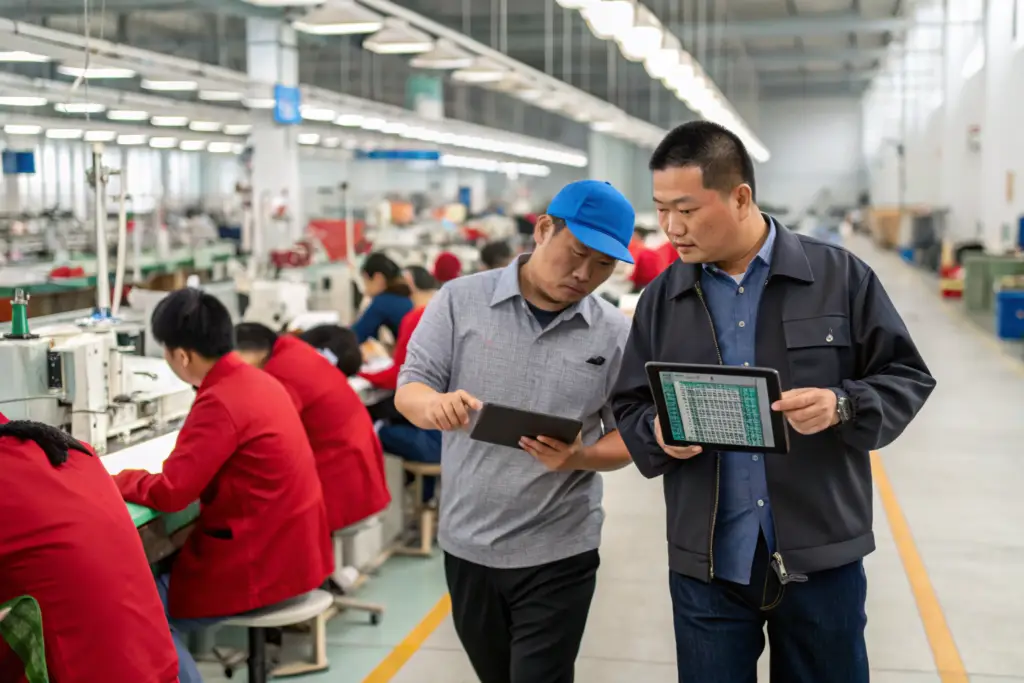
A successful project manager breaks the production process into clear milestones. They do not just track the final ship date. They track every step. This allows them to see problems early. They can intervene before a small delay becomes a big one.
The key milestones are:
- Fabric booking date: When fabric is ordered from the mill.
- Fabric arrival date: When fabric arrives at the factory.
- Fabric inspection date: When fabric is checked for defects.
- Cutting start date: When fabric is cut.
- Sewing start date: When the first sewing operations begin.
- First sample from production date: The first finished garment from the production line.
- Finishing start date: When garments go to washing, pressing, and packing.
- Final inspection date: When quality control checks the finished goods.
- Ship date: When goods leave the factory.
- Arrival date: When goods arrive at the brand's warehouse.
Each milestone has a planned date and an actual date. The project manager tracks the variance. If the fabric is late by 5 days, they know the ship date will be late unless they recover time elsewhere. They can then decide to expedite sewing or use air freight. They do not discover the delay at the ship date. They discover it at the fabric arrival date.
One of our clients in Seattle uses a Gantt chart for every production order. Their project manager shares it with us. It shows every milestone. It shows dependencies. It shows the critical path. We can see exactly where we are on the timeline. This visibility helps us prioritize their orders. We know which styles are on the critical path. We focus our resources there.
How do project managers balance multiple orders and priorities?
Most project managers handle multiple styles at once. They may have 20 or 50 styles in production at the same time. They need to manage priorities. Some styles are urgent. Some styles have flexibility. A great project manager knows how to allocate attention and resources.
They do this by understanding the "critical path" for each order. The critical path is the sequence of steps that determines the total duration. If a step on the critical path is delayed, the entire order is delayed. The project manager focuses on the critical path steps. They do not spend equal time on every detail. They focus on the details that matter.
They also communicate priorities clearly to the factory. They do not say "everything is urgent." They say "Style A must ship by March 15. Style B can ship by March 30. Please prioritize Style A." This helps the factory allocate resources. They can put their best workers on the urgent style. They can run the other style on a parallel line.
A project manager from a brand in Austin was excellent at this. She had 15 styles in production with us at one time. She created a priority matrix. She ranked each style by revenue potential and launch date. She shared this with us. We knew which styles to prioritize. Her orders always shipped on time because she helped us focus on what mattered most.
Conclusion
A successful garment production project manager is the most important person in the supply chain. They sit at the intersection of design, production, and business. They need technical knowledge to understand the product. They need communication skills to bridge cultures. They need problem-solving ability to handle the inevitable issues. They need planning skills to manage timelines.
When you have a great project manager, production feels easy. Samples are right the first time. Problems are solved before they become crises. Shipments arrive on time. You trust that your orders are in good hands. When you have a poor project manager, everything is a struggle. You feel like you are doing their job. You are constantly chasing for updates. Your shipments are always late.
At Shanghai Fumao, we have seen the difference great project managers make. Our best clients have project managers who are organized, communicative, and technically knowledgeable. They make our job easier. They make their own job easier. They get better results with less stress. They are the partners we want to work with season after season.
If you are building your production team, invest in a great project manager. It is the highest return investment you can make in your supply chain. If you are working with us and want to learn how we can support your project manager, we are happy to share our systems and processes. Our Business Director, Elaine, can walk you through how we work with project managers to ensure smooth production. You can reach her at elaine@fumaoclothing.com. Let us build a production process that works for your team.