Most apparel brands start out with big ideas, unique designs, and a clear target audience. But even the best products can fall flat when sourcing goes wrong. From communication breakdowns to quality control nightmares, sourcing mistakes can eat into your margins and damage your reputation.
Avoiding sourcing pitfalls is not just about finding the right supplier. It’s about building a system that guarantees consistency, transparency, and efficiency across development, production, and delivery.
In my journey helping U.S. brands scale with smooth, cost-effective manufacturing in China, I’ve seen the same avoidable errors hurt both small startups and established names. This blog covers the top sourcing mistakes—and how we help our clients avoid them from day one.
Why Do Brands Overlook Factory Audits and Certifications?
Overlooking factory audits is like driving blindfolded. Yet, many brands skip due diligence because they’re in a rush or feel overwhelmed. Without proper checks, you're gambling with your reputation.
Skipping audits and certifications increases the risk of unethical practices, low-quality goods, and regulatory violations.

Why Are Supplier Certifications So Important?
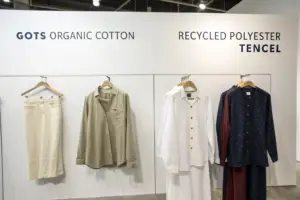
Certifications like BSCI, WRAP, or GOTS show that a factory meets global standards in labor rights, safety, and environmental responsibility. When these are missing or faked, it exposes your brand to supply chain violations or customs issues. Regular audits and documentation checks verify that you’re working with a factory that doesn’t just talk the talk.
To make sure certifications are real, use services like QIMA or ask for direct contact with certification bodies.
What Happens When You Skip a Factory Visit?
Virtual tours, third-party inspections, and audit reports help you judge capacity, workflow, and standards. Not visiting a factory—virtually or physically—often results in unmet quality expectations. Misunderstandings around sampling, packaging, and shipping readiness usually stem from this lack of insight. We offer our clients live video audits or walk-through recordings to avoid these pitfalls.
How Does Poor Communication Ruin Sourcing Projects?
Apparel sourcing is not just about pricing—it's a process built on precise communication. Yet, many brands fail to create effective feedback loops with their suppliers.
Unclear expectations, cultural misalignment, and slow responses can sabotage production before it even begins.
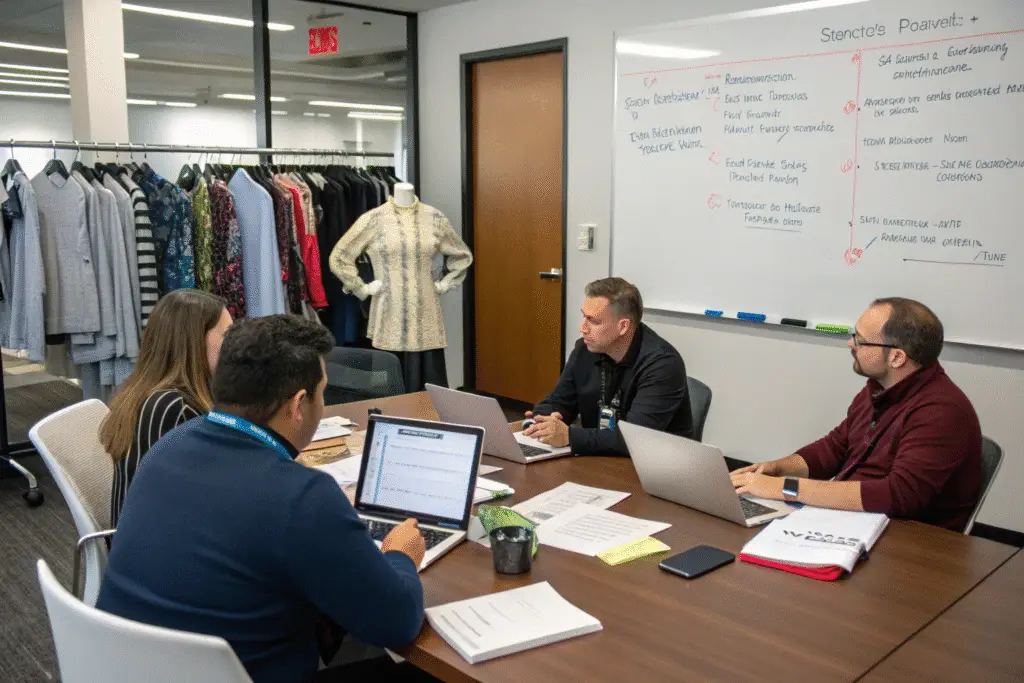
What Causes Misunderstandings Between Buyers and Factories?
Time zones, language differences, and assumptions about quality create friction. For example, when a client says “high-quality cotton,” we clarify: Do you mean 40s yarn count? Combed or carded? Reactive dyed or pigment dyed? One misinterpretation can derail production.
Apps like Slack and platforms like Trello can reduce back-and-forth confusion and keep everyone accountable.
How Can You Streamline Communication Effectively?
Brands that use tech-enabled product development—like digital tech packs, AI translation tools, and shared cloud folders—cut sourcing delays by weeks. Our team uses bilingual merchandisers and a strict approval process to close the loop at each stage. This way, you don’t just send specs and hope—they’re confirmed in writing, photos, and pre-production samples.
Why Do Brands Underestimate Lead Time and Shipping Delays?
Timing is everything in fashion. Yet, many brands wait too long to place orders or forget about Chinese holidays, port congestion, or customs clearance time.
Misjudging lead times leads to missed selling seasons and damaged retailer relationships.
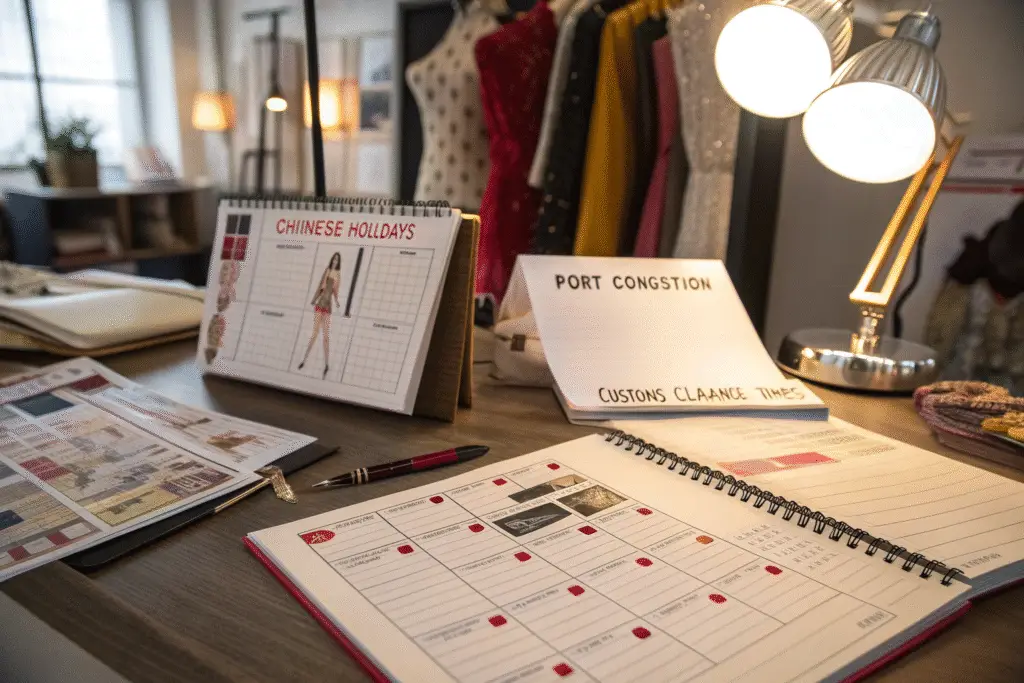
What Are the Hidden Time Buffers in Apparel Production?
From fabric dyeing to label printing, every step takes time. A factory might promise a 30-day lead time—but that’s from material arrival, not your deposit date. Add in 7 days for sampling, 5 days for quality checks, and 2 weeks of shipping. Suddenly, your 4-week production becomes 8.
Tools like Flexport can help brands visualize and track shipments to avoid nasty surprises.
How Can You Prevent Shipping-Related Losses?
Reliable forwarders, DDP shipping (we offer this!), and factory-side loading supervision help avoid delays. We often advise clients to avoid peak season (Sept-Dec) unless they’ve locked orders in by July. Also, always build a 10-day cushion into your calendar for logistics hiccups, whether local trucking or customs exams.
What Pricing Traps Should Brands Watch Out For?
Going for the lowest price seems smart—until you realize it comes with hidden costs. Brands often fall into the trap of chasing unrealistic quotes.
Cheap prices can mean poor quality, missed deadlines, or worse—supplier ghosting after deposit.

How Do Hidden Costs Sneak into Low Quotes?
Many suppliers quote prices without including trims, packaging, or even final pressing. Shipping, customs, and insurance are extra. Suddenly your $2 shirt becomes $3.80 at the door. That’s why DDP quotes are clearer—they show your true landed cost.
Sites like ImportYeti can help you compare factory pricing and detect suspicious inconsistencies.
What’s the Best Way to Balance Cost and Quality?
We guide brands through price breakdowns so they know what’s included. Sometimes, paying $0.20 more per unit gets you double the quality and reliability. Use cost sheets, inspect MOQ requirements, and compare at least three factories for every item. We’ve helped brands cut costs by 15% just by optimizing fabric yields and stitching techniques—without compromising quality.
Conclusion
Sourcing mistakes are expensive—but avoidable. The key is a proactive, transparent relationship with your supplier. Vet certifications. Communicate clearly. Respect timelines. Understand pricing. At Fumao Clothing, we’ve built our entire system to help U.S. brands like yours avoid these traps and scale smoothly.
We don’t just produce garments. We provide peace of mind, reliability, and long-term success for your brand. Let's build a sourcing journey that works for you—not against you.