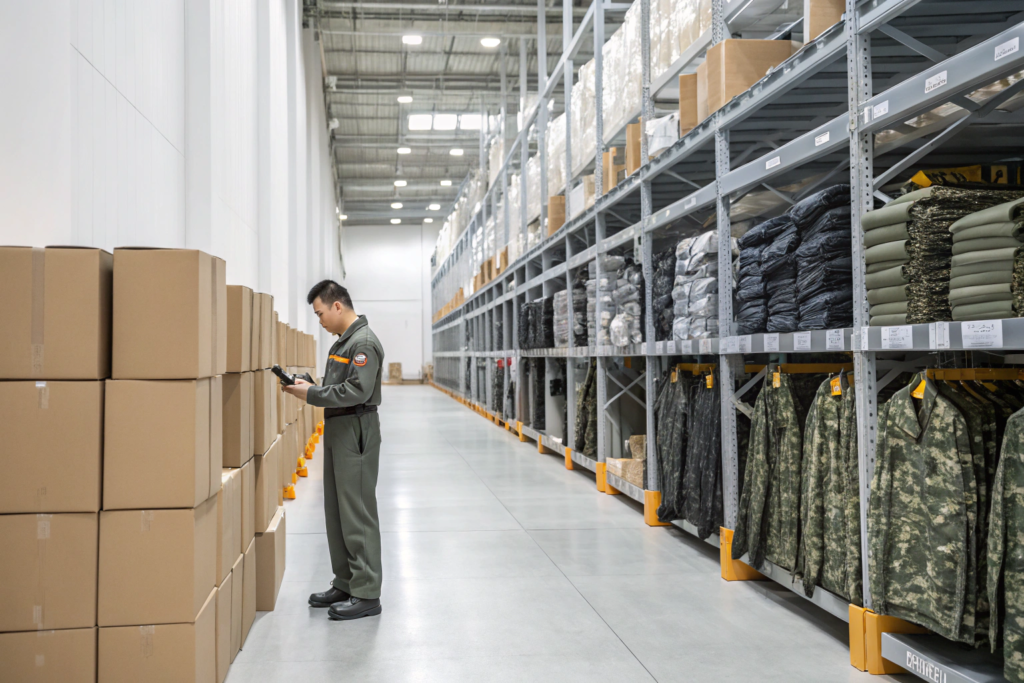
Are you struggling with the logistics puzzle of storing imported camouflage apparel? You've secured high-quality cargo from overseas, but a disorganized warehouse can derail your entire operation, leading to damaged goods, lost inventory, and missed sales. Efficient storage is the critical, often overlooked, link between a successful import and profitable retail.
Proper storage and warehousing for imported camouflage apparel are comprehensive solutions that encompass climate-controlled environments, specialized inventory management systems, strategic pre-retail preparation, and reliable last-mile logistics partners, all designed to preserve quality and ensure timely market delivery.
For American brand owners and distributors, the journey doesn't end when goods leave the factory in Asia. How you store and handle these goods upon arrival in the U.S. directly impacts your bottom line. A tailored warehousing strategy protects your investment and keeps your supply chain agile. Let's explore the key solutions that can transform your storage from a cost center into a competitive advantage.
How to choose a warehouse for imported clothing storage?
Selecting the right warehouse is your first and most crucial decision. The wrong choice can lead to inventory shrinkage, quality degradation, and fulfillment delays. You need a partner that understands the specific demands of apparel, not just general cargo.
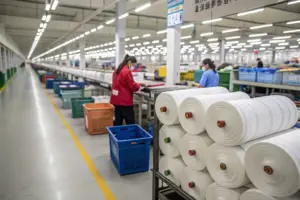
An ideal warehouse for imported camo apparel must offer climate control, robust security, scalable space, and an experienced management team familiar with textile handling. The location should optimize your inbound and outbound logistics costs.
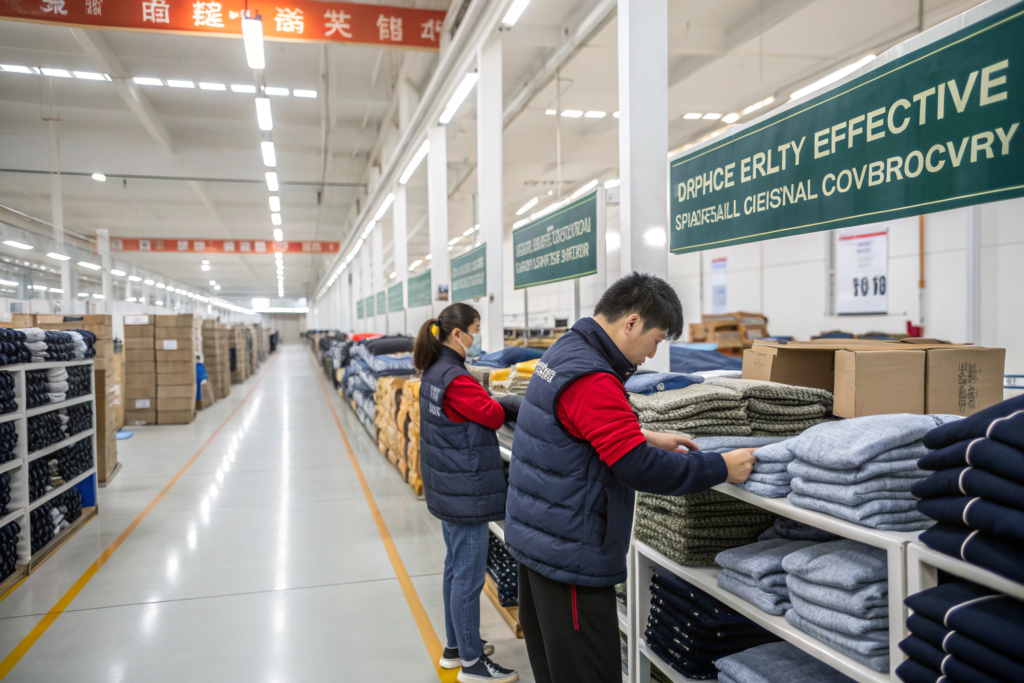
What environmental controls are vital for fabric preservation?
Camouflage fabrics, especially those with specialized coatings or blends, are sensitive to environmental factors. A standard warehouse won't suffice. You need a facility with strict climate control. Consistent, moderate temperature and humidity levels prevent mold, mildew, and fabric degradation. We recall a project in 2023 where a client stored a shipment of cotton-polyester blend camo jackets in a humid environment. Upon inspection, they discovered faint mildew spots, rendering the entire batch unsellable. This costly loss was entirely preventable. Furthermore, advanced facilities use HVAC systems and moisture monitors to maintain an ideal environment, which is a non-negotiable for preserving garment quality from season to season.
Which inventory management system prevents loss and delays?
Manual tracking is a recipe for error. A modern warehouse must implement a Warehouse Management System (WMS) that supports barcode or RFID scanning. This technology provides real-time inventory visibility, crucial for popular camo styles that sell quickly. It allows for accurate cycle counting and reduces picking errors. For instance, at Shanghai Fumao, we coordinate with our clients' stateside logistics partners who use systems like Fishbowl or NetSuite WMS. This integration allows our clients to see stock levels as easily as we see production schedules, creating a seamless flow from our factory floor to their storage rack. Efficient inventory management is the backbone of turning imported goods into readily available products.
What are best practices for organizing camo apparel inventory?
Once you have the right space, organizing it intelligently is key. Haphazard stacking leads to damaged goods, inefficient picking, and an inability to accurately assess what you have. A logical system speeds up operations and reduces labor costs.
Best practices involve a combination of strategic zoning, clear labeling, and a First-In, First-Out (FIFO) approach. This minimizes handling time and ensures older stock is sold first, maintaining product freshness.
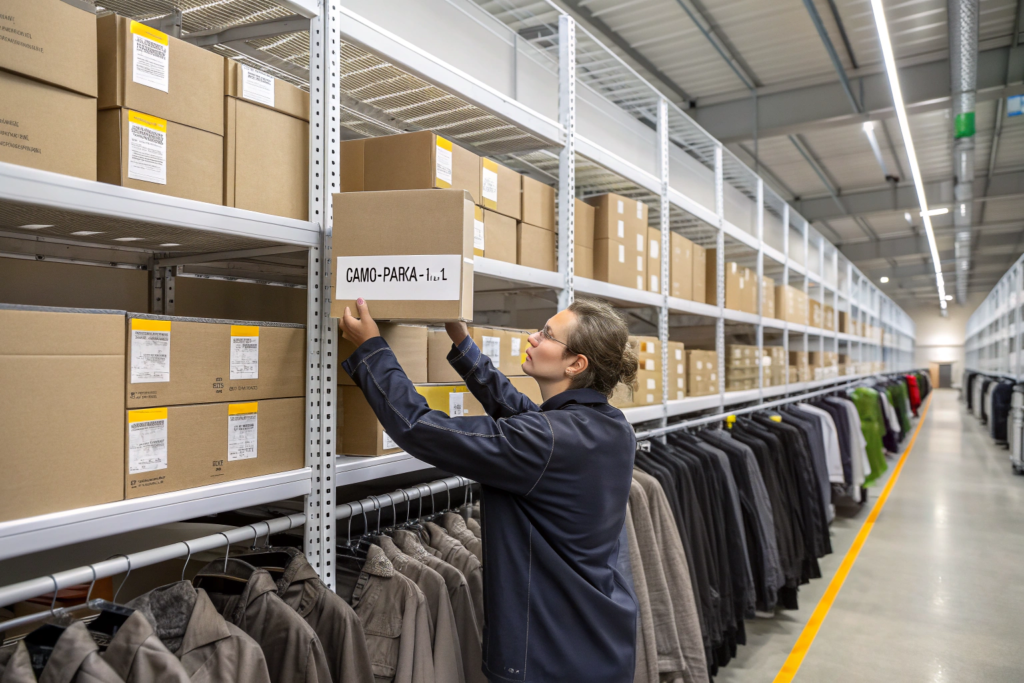
How to implement an efficient SKU and labeling system?
A clear SKU system is your inventory's roadmap. Each camo apparel item—differentiated by style, color, and size—must have a unique SKU. Labels should be large, scannable, and durable. We recommend using barcode labels on every carton and individual poly bag when possible. Here is a simple table illustrating a basic SKU structure for camo apparel:
| SKU Component | Example | Description |
|---|---|---|
| Product Line | CP |
Camo Parka |
| Color/Pattern | MTP |
Multi-Terrain Pattern |
| Size | L |
Large |
| Batch/Season | F24 |
Fall 2024 |
| Full SKU | CP-MTP-L-F24 |
Unique Item Identifier |
This system allowed one of our brand clients to reduce their order-picking time by 30% after they re-organized their warehouse using a similar logic. Accurate inventory labeling prevents the costly mistake of shipping the wrong item to a retailer.
Why is a FIFO system crucial for seasonal apparel?
Camouflage apparel, while somewhat perennial, still follows seasonal trends and product iterations. A First-In, First-Out (FIFO) system ensures that the oldest inventory is shipped first. This is critical to prevent older stock from becoming obsolete or physically degraded from prolonged storage. Implementing FIFO requires thoughtful warehouse layout—often arranging storage so that new arrivals are placed behind older stock. This practice protects your profit margins by reducing the need for deep discounting on old inventory and ensures customers receive the freshest possible product. It’s a fundamental aspect of sound stock rotation.
How to prepare camo apparel for storage after ocean freight?
Garments arriving from a long sea voyage need careful attention before they enter long-term storage. Directly transferring shipping cartons to racks can lock in moisture and creases, leading to quality complaints down the line.
The preparation process involves inspection, repackaging, and documentation. This step adds value by ensuring only perfect goods enter your sellable inventory.
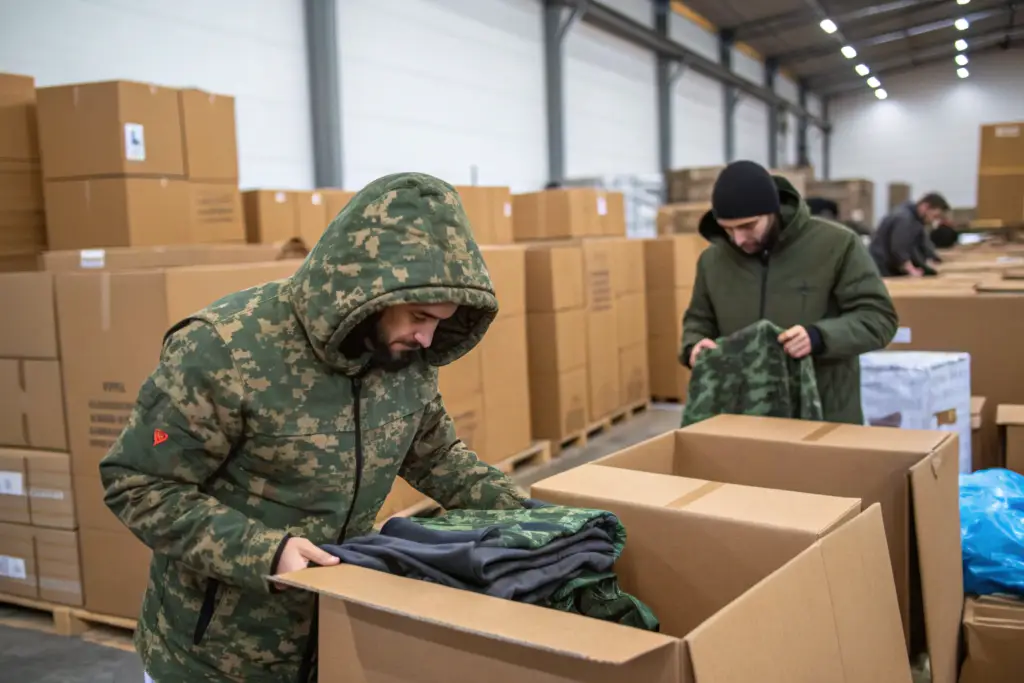
What are the essential steps for post-shipment inspection?
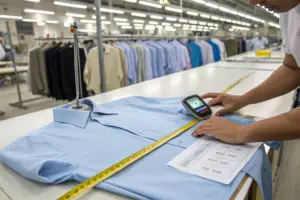
Upon receipt, a thorough inspection is mandatory. This checks for any transit damage or quality issues that may have been missed at the factory. Open a statistically significant sample of cartons. Look for water damage, mold, color transfer, or pests. In one case, a client discovered that a container had experienced minor water intrusion during transit. Because they inspected immediately at the warehouse, they could file a precise insurance claim and quarantine the affected goods, saving the majority of the shipment. This process, part of a rigorous quality control protocol, is your last defensive line before goods hit your shelves.
How does proper repackaging protect garment quality?
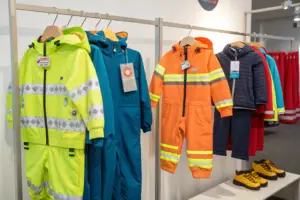
Shipping cartons are designed for durability, not retail-ready storage. We advise repackaging garments into clean, uniform boxes or hanging them in garment bags. For knits like camo sweaters, folding with tissue paper can prevent sharp creases. For woven items like tactical pants, hanging might be preferable. This also allows you to re-package in quantities that match your typical fulfillment batch sizes (e.g., 12 units per box), speeding up future orders. Partnering with a manufacturer that understands this need, like Shanghai Fumao, is beneficial. We often pre-pack in designated quantities and use high-quality packaging materials that can withstand both ocean freight and intermediate storage.
What logistics partners handle last-mile delivery from warehouse?
The final step is getting your perfectly stored camo apparel to retailers or end customers. The choice of last-mile partner affects delivery speed, cost, and the final condition of the product when it arrives.
You need a reliable partner that offers flexibility, transparency, and experience in handling apparel shipments, whether B2B or direct-to-consumer.

How to select a 3PL for B2B apparel distribution?
For brands shipping to retailers, a Third-Party Logistics (3PL) provider with B2B expertise is essential. Key criteria include their network of distribution centers, their experience with apparel fulfillment, and their ability to handle EDI (Electronic Data Interchange) for large retailers. Ask about their process for handling hanging garments versus folded. A good 3PL acts as an extension of your team. We have seen clients succeed by choosing 3PLs in strategic locations like Pennsylvania or the Midwest, which offer excellent ground shipping times to most of the U.S. population at reasonable costs.
What are the options for direct-to-consumer shipping?
For brands selling online, the last-mile partner is a direct touchpoint with the customer. Prioritize carriers that provide reliable tracking, handle returns efficiently, and offer carbon-neutral options if that aligns with your brand. Negotiated rates with major carriers like USPS, UPS, or FedEx are crucial for profitability. Some warehouses offer integrated fulfillment services, picking, packing, and shipping individual orders directly from your imported inventory. This integrated approach, from manufacturing with Shanghai Fumao to stateside fulfillment, creates a seamless and professional customer experience that builds brand loyalty.
Conclusion
A strategic approach to storing and warehousing imported camouflage apparel is not an overhead cost; it's a core component of your product's quality and your brand's reputation. From selecting a climate-controlled facility and implementing a smart WMS, to meticulous post-shipment prep and choosing agile logistics partners, each step safeguards your investment and ensures your products reach the market in perfect condition.
The complexities of international apparel sourcing demand a manufacturing partner who thinks beyond the production line. At Shanghai Fumao, we act as your strategic partner from the first sketch to the final delivery at your U.S. warehouse. We understand the entire journey, and our DDP (Delivered Duty Paid) service model can simplify the entire import and storage coordination process for you. Let us help you build a robust, efficient supply chain. For a consultation on how to streamline your next camo apparel import order, please contact our Business Director, Elaine, at: elaine@fumaoclothing.com.