You've received a garment manufacturer's quote that looks promising, but something feels off. Learning to identify the warning signs in production quotes can save your brand from costly mistakes, delayed shipments, and quality disasters. Certain patterns consistently indicate potential problems before they impact your business.
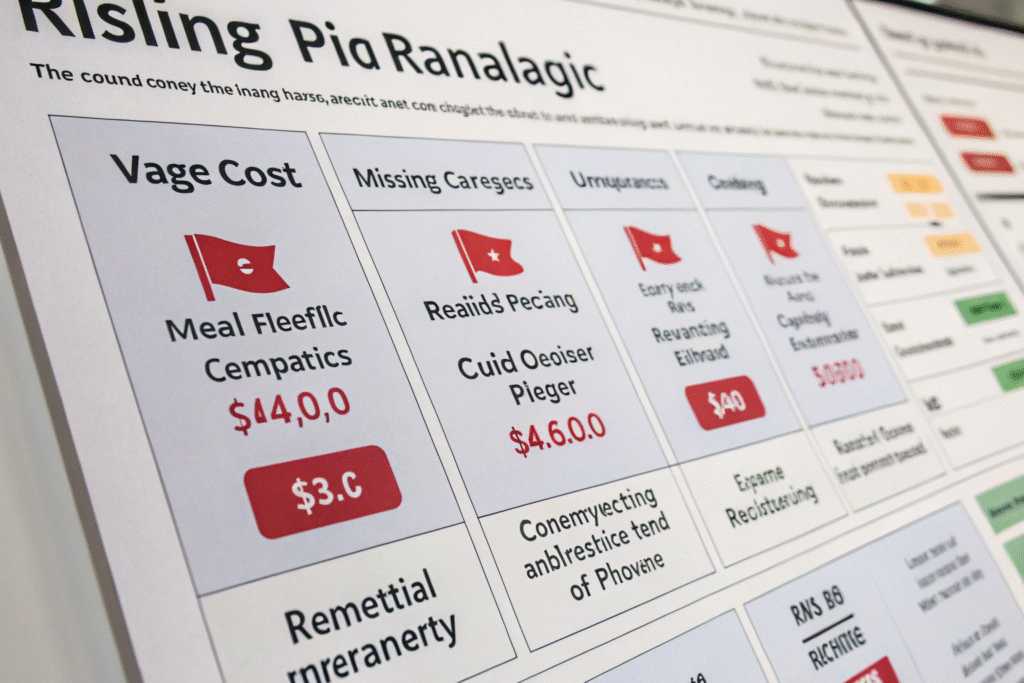
Red flags in garment manufacturing quotes include vague cost breakdowns, unrealistically low pricing, missing standard components, unclear payment terms, and absence of quality control specifications. Manufacturers displaying these warning signs typically cause 35-50% budget overruns and timeline delays averaging 4-6 weeks beyond initial promises. Recognizing these indicators early prevents partnerships that could damage your brand and profitability.
This guide identifies the specific warning signs that separate reliable manufacturing partners from problematic ones, helping you make informed decisions before committing to production.
What Pricing Vagueness Indicates Potential Problems?
Vague or consolidated pricing represents one of the most common and dangerous red flags in manufacturing quotes. When costs aren't transparently broken down, it becomes impossible to verify what's included and identify where unexpected charges might emerge later.
Detailed cost breakdowns demonstrate professionalism and transparency, while vague pricing often hides problems or future cost additions.

What specific pricing vagueness should concern you?
Concerning pricing patterns include:
- Lumped material costs without fabric/trim separation
- Undefined labor categories with no operation breakdown
- Missing overhead allocation or unexplained cost additions
- Vague "miscellaneous" charges without specific justification
- Unitemized shipping costs that could hide unexpected fees
A sportswear brand discovered their "all-inclusive" quote excluded $4,200 in trim costs and $1,800 in special labeling requirements that only emerged during production. The costing transparency absence damaged their budget and timeline. At Shanghai Fumao, we provide detailed breakdowns to prevent such surprises.
How does unrealistic low pricing signal trouble?
Warning signs in pricing levels:
- Quotes 25%+ below market average without clear justification
- Missing standard cost components like quality control or testing
- Unusually high material yields that seem technically impossible
- Labor costs below regional standards suggesting potential ethical issues
- No clear profit margin indicating possible bait-and-switch tactics
When a denim brand received a quote 40% below competitors, they discovered during production that the factory planned to use unauthorized subcontracting and inferior materials. The unrealistic pricing indicated fundamental problems with their approach.
What Missing Components Reveal About Manufacturer Reliability?
Quotes that omit standard production components often indicate inexperience, corner-cutting, or intentional cost hiding. Complete quotes demonstrate thorough understanding of the production process, while missing elements suggest potential problems.
The absence of standard items typically means they'll appear as unexpected charges later or won't be provided at all.
What essential elements are commonly missing?
Frequently omitted components include:
- Quality control and inspection costs
- Sample development and approval processes
- Testing and certification requirements
- Packaging and labeling specifications
- Documentation and compliance costs
A children's wear brand learned this lesson when their quote excluded mandatory safety testing, resulting in a $2,800 surprise charge and 3-week delay when the requirement emerged mid-production. The missing compliance costs demonstrated the factory's lack of market knowledge.
How do undefined processes indicate potential issues?
Process-related red flags:
- No clear sample approval workflow or revision limits
- Missing quality assurance methodology or inspection standards
- Unspecified change order process for modifications
- Absence of production timeline with specific milestones
- Undefined communication protocols and reporting standards
When a luxury brand's quote didn't specify the sample revision process, they faced $150 charges for each sample beyond the first two—costs that added $2,100 to their development budget. The process ambiguity created unexpected expenses.
What Payment Terms Reveal About Manufacturer Stability?
Payment terms provide significant insight into a manufacturer's financial health and business practices. Problematic payment structures often indicate cash flow issues, lack of confidence in delivery capabilities, or potential financial instability.
Reasonable payment terms balance risk appropriately between manufacturer and brand.
What payment structures should raise concerns?
Concerning payment patterns:
- 100% upfront payment requirements for new relationships
- Unusually large deposit percentages (50%+ for standard orders)
- Progress payments without clear milestones or verification
- Last-minute payment term changes after quote acceptance
- Resistance to standard escrow services or payment protection
A startup faced significant risk when a manufacturer demanded 80% payment before fabric sourcing, then experienced production delays that threatened their business. The payment structure risk demonstrated poor financial practices.
How do payment timing issues signal problems?
Timing-related warning signs:
- Pressure for immediate payment without reasonable review period
- Resistance to final payment after inspection and approval
- Frequent payment schedule changes during negotiations
- Unwillingness to align payments with production milestones
- Vague release criteria for progressive payments
When a manufacturer refused to accept 30% payment after pre-production sample approval instead of before, it revealed their lack of confidence in meeting quality standards. The payment confidence indicator helped the brand avoid a problematic partnership.
How Does Quality Control Vagueness Indicate Future Problems?
The quality control section of a manufacturing quote reveals much about a factory's commitment to consistent standards. Vague or minimal quality specifications often predict the variability and defects that plague many production relationships.
Detailed quality protocols demonstrate systematic approaches, while ambiguity suggests quality may be inconsistent or inadequate.
What quality specification gaps should concern you?
Concerning quality omissions:
- No defined AQL standards or inspection methodology
- Missing testing protocols for fabrics or finished goods
- Unspecified measurement tolerances or fit standards
- Absence of in-process quality checks during production
- No clear rejection criteria or dispute resolution process
A contemporary brand discovered their quote's quality section only stated "high quality standards" without specifics, resulting in inconsistent sizing that caused a 28% return rate. The quality vagueness cost them significantly in returns and reputation.
How does inspection process ambiguity signal issues?
Inspection-related warning signs:
- No third-party inspection option or resistance to external verification
- Unclear inspection timing within the production process
- Vague defect classification without clear acceptance criteria
- Missing rework and correction processes for quality failures
- No photographic documentation requirements for inspections
When a manufacturer refused to allow third-party inspection, the brand discovered during shipment that 40% of garments had construction flaws requiring expensive local repairs. The inspection resistance indicated awareness of quality issues.
What Timeline and Communication Patterns Reveal?
Production timelines and communication protocols in quotes provide insight into a manufacturer's organizational capabilities and reliability. Unrealistic timelines and vague communication plans often predict the delays and frustrations that damage brands.
Realistic schedules and clear communication demonstrate operational maturity and reliability.
What timeline issues should raise concerns?
Concerning scheduling patterns:
- Overly optimistic production timelines that defy industry standards
- No buffer time for potential delays or revisions
- Unrealistic sampling periods that don't account for shipping and review
- Vague milestone definitions without specific deliverables
- Resistance to including penalty clauses for significant delays
A fashion brand accepted a quote with a 6-week production timeline that industry peers said required 10 weeks, resulting in missed delivery dates and canceled retail orders. The unrealistic scheduling demonstrated poor planning capability.
How do communication gaps indicate future problems?
Communication-related red flags:
- No dedicated contact person or single-point responsibility
- Unclear response time commitments for queries and issues
- Missing progress reporting schedule or update frequency
- Resistance to regular video conferences or factory visits
- Vague escalation process for problems or disputes
When a manufacturer's quote specified only "email communication as needed" without response time commitments, the brand experienced 5-7 day response delays that hampered problem resolution. The communication ambiguity created operational inefficiencies.
Conclusion
Red flags in garment manufacturing quotes—including vague pricing, missing components, problematic payment terms, quality control ambiguity, and unrealistic timelines—consistently predict the budget overruns, delays, and quality issues that damage brands. Learning to identify these warning signs during the quoting process prevents costly partnerships and ensures you select manufacturers who demonstrate transparency, capability, and reliability through their detailed, comprehensive quotations.
The most successful manufacturing relationships begin with quotes that provide complete transparency, realistic planning, and clear processes. If you're evaluating manufacturing quotes and want to ensure you're identifying all potential red flags, Shanghai Fumao provides comprehensive, transparent quotes that demonstrate our commitment to partnership success. Contact our Business Director, Elaine, at elaine@fumaoclothing.com to receive a detailed quote that addresses all these critical areas with complete transparency.