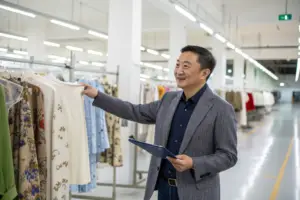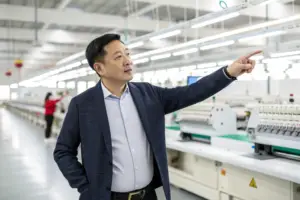
For over 20 years, I’ve walked through our factory floors in Shanghai. I’ve seen the good, the bad, and the truly ugly when it comes to clothing production. Last spring, a buyer from Texas called me in a panic. He had just received a container of denim jackets from another supplier. The buttons fell off after the first wear. The stitching on the pockets was already unraveling. He lost his biggest retail contract because of it. Stories like his are why I’m writing this.
The red flags in Chinese clothing manufacturing are often hidden in plain sight. They exist in inconsistent stitching, incorrect fabric weights, and missing certifications. But the biggest red flag is poor communication before you even place an order. If a supplier avoids your questions about quality control or lead times during the negotiation phase, they will definitely cut corners during production.
I am the owner of Shanghai Fumao, a factory with five production lines that has served the North American market for years. My team and I have fixed countless orders that started with these warning signs. I want to help you spot these issues before your money is wired and your goods are on a ship. Let’s move beyond the surface and look at the specific details that separate a reliable partner from a costly mistake.
How Can I Verify Fabric Quality Before Production?
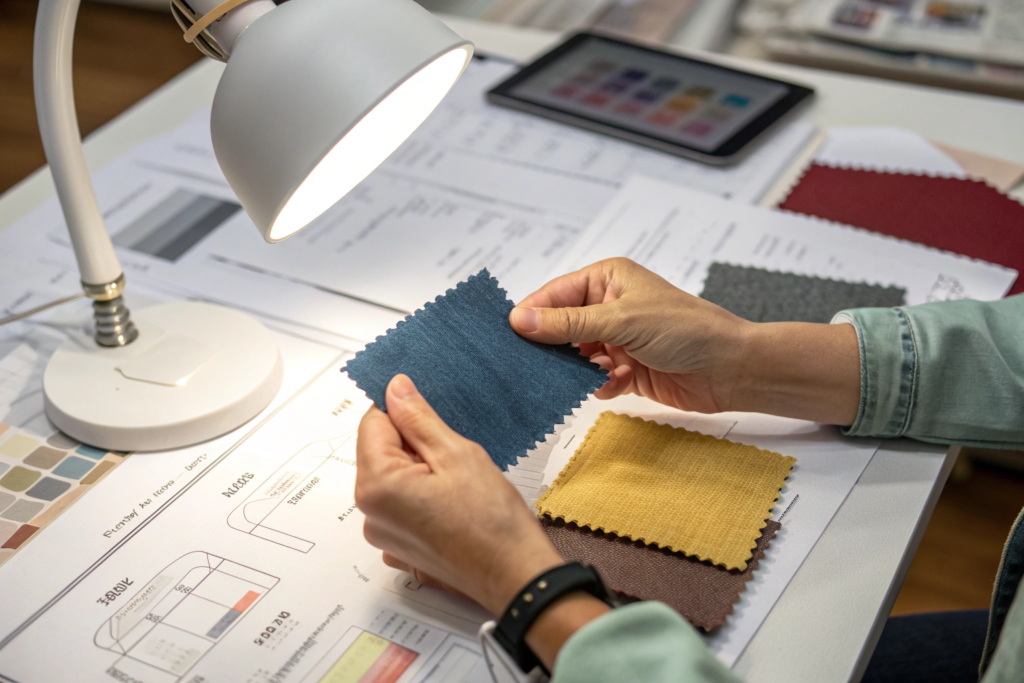
I’ve learned that fabric is the soul of a garment. You can have perfect stitching, but if the fabric pills after two washes or fades in the sun, your customer will never buy from you again. A few years ago, a brand from Colorado came to us after a bad experience. They ordered heavy cotton hoodies from a vendor in another province. The swatch they approved felt great. But the bulk production arrived with thin, flimsy fabric. The factory had swapped the material to save money. Verifying fabric quality isn't just about trust; it's about having a system.
What specific tests should I request for fabric?
You must move beyond the "hand feel." Ask your potential supplier for physical test reports. Don't just accept a generic certificate. Request the fabric testing reports specific to your order, like ASTM or AATCC standards. For example, if you are making activewear, you need to see the results for moisture-wicking and stretch recovery. I always advise buyers to request a Pre-Production Sample (PPS) made from the actual bulk fabric, not a different roll. We do this automatically for our clients at Shanghai Fumao because it prevents surprises. If a supplier hesitates to provide verifiable test reports from a lab like SGS or Bureau Veritas, consider it a significant red flag. You can learn more about industry standards from resources like the ASTM International website or check the credibility of labs through Bureau Veritas.
How do I know if the fabric weight is correct?
Fabric weight, usually measured in GSM (grams per square meter), is a common area where suppliers cheat. They might show you a 300 GSM fleece swatch but ship you a 260 GSM version. The difference in cost is significant, and the difference in quality is noticeable to your customers. I recommend you ask for a 20cm x 20cm cutting of the actual production fabric before the garments are cut. You can buy a simple digital scale and a fabric cutter for less than $100. This small investment can save you thousands. A reliable partner will not mind this request. In fact, at our factory, we document the GSM at every stage of production. For a deeper understanding of fabric measurement, the Textile School is an excellent online resource.
What Are The Signs Of Poor Garment Construction?
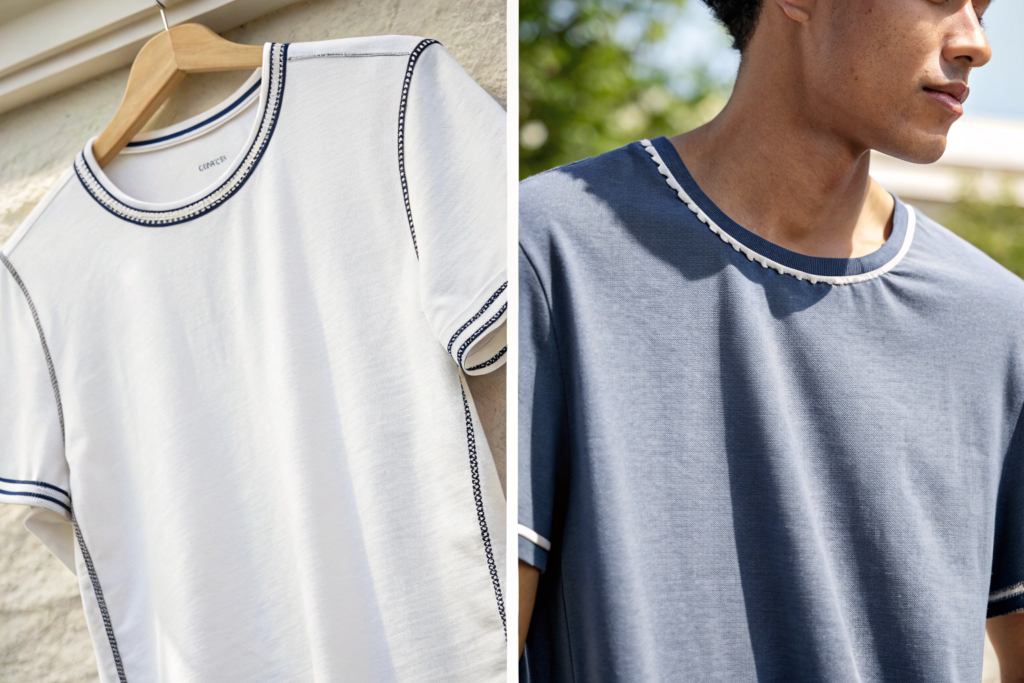
Construction is where the factory's skill truly shows. A beautiful fabric can be ruined by bad stitching. I remember a buyer from Florida who specialized in high-end children's wear. She was furious because the collars on a shipment from another factory were all twisted. They looked crooked on the hanger. The factory refused to take responsibility, saying it was "within tolerance." It wasn't. Construction flaws are often invisible in product photos but are immediately obvious to the end customer.
What does bad stitching look like?
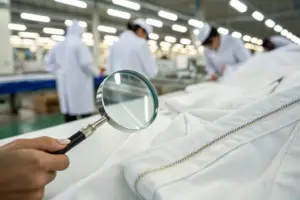
Look for inconsistent stitch density. A quality garment will have a consistent number of stitches per inch (SPI) throughout. If you see stitches that are too long, the seam might pull apart. If they are too short, the thread can break and cause puckering. Also, check the seams on a flat surface. They should be straight and flat, not wavy or puckered. When we audit a potential new client's previous production, the first thing we check is the side seams. If they twist or are uneven, it indicates the factory uses poor-quality sewing machines or untrained operators. The consequences of poor construction are detailed by organizations like the American Apparel & Footwear Association, which sets quality benchmarks for the industry.
How can I spot problems with trims and accessories?
Buttons, zippers, snaps, and labels are the details that break first. A broken zipper ruins a jacket. A sharp button can scratch a neck. Always ask for the source of these trims. Are they using cheap plastic zippers that will break after ten uses? Or are they using reputable brands like YKK? When we produce outerwear for our European clients, we always specify YKK zippers because they are reliable. A supplier who tries to hide the origin of their trims or offers "no-name" alternatives without a significant price drop is a risk. Check the buttons yourself. Are they securely attached? Can you easily pull them off? You can verify the authenticity of quality trims through the YKK official website.
How Do I Avoid Issues With Dyeing And Color Consistency?
Color is emotional. If the red is off by just a shade, your customer might reject it. I worked with a buyer from California who sourced yoga pants. The first shipment from another vendor had a "black" that was actually a washed-out grey when compared to the original sample. The factory blamed the dye lot, but they had no system to prevent it. Color consistency is a science, not guesswork.
What is the best way to approve colors remotely?
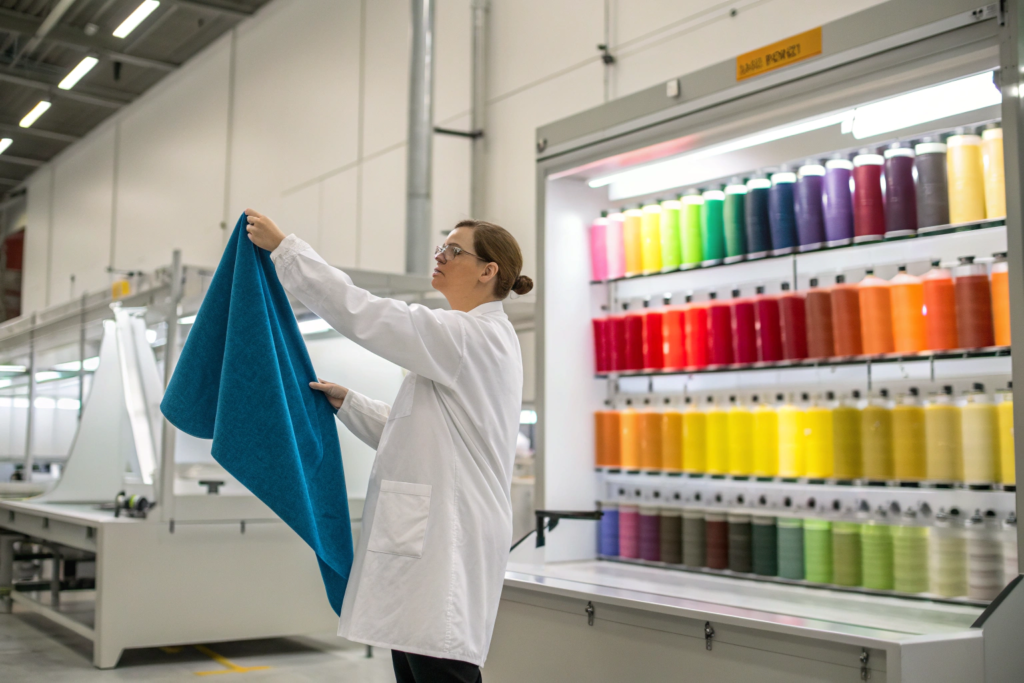
Never approve a color from a photo on your phone. Lighting changes everything. You must request a physical "lab dip." This is a small piece of fabric dyed specifically to match your standard. You should then check this lab dip under multiple light sources: natural daylight, store lighting, and home lighting. At our facility, we use a standardized light box to eliminate these variables. We also keep a physical archive of every approved lab dip. If a supplier sends you a digital photo for color approval, it's a major warning sign. For a more scientific approach, familiarize yourself with the Pantone Color Matching System, which is the industry standard for color communication. You can explore their system on the Pantone website.
Why do some factories have trouble with solid colors?
Believe it or not, solid colors can be harder to get right than prints. Issues like "barre" (unexpected stripes in the fabric caused by tension differences) or "listing" (shading from selvage to selvage) are common with cheaper dye houses. The red flag is when a factory cannot clearly explain their dyeing process or which partner dye house they use. Ask them if they have their own dyeing facility or if they outsource. Outsourcing adds another layer of risk. A few years ago, a client's order was delayed because the third-party dye house in a different province shut down for a holiday our main factory wasn't observing. That's why at Shanghai Fumao, we work only with a select few, long-term partner dye houses we audit personally. You can learn more about common dyeing defects from resources like the Textile Learner.
How Can I Ensure Ethical Production And Reliable Lead Times?
Ethics and delivery might seem separate from quality, but in my experience, they are deeply connected. A factory that treats its workers poorly or cuts corners on safety will also cut corners on your product. A factory that is constantly behind schedule is likely rushing your order at the end, leading to mistakes. I had a client from New York who was thrilled with the price from a new supplier. But the factory kept pushing the delivery date. When the goods finally arrived, they were packed poorly, and many garments were water damaged from being stored outside.
What certifications actually matter for a garment factory?
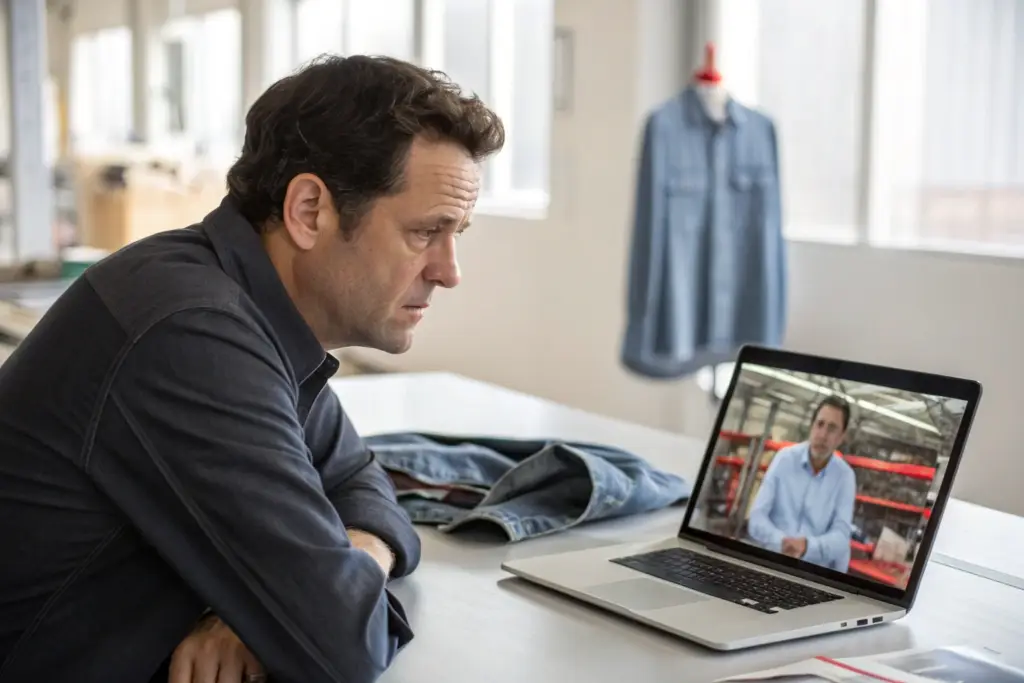
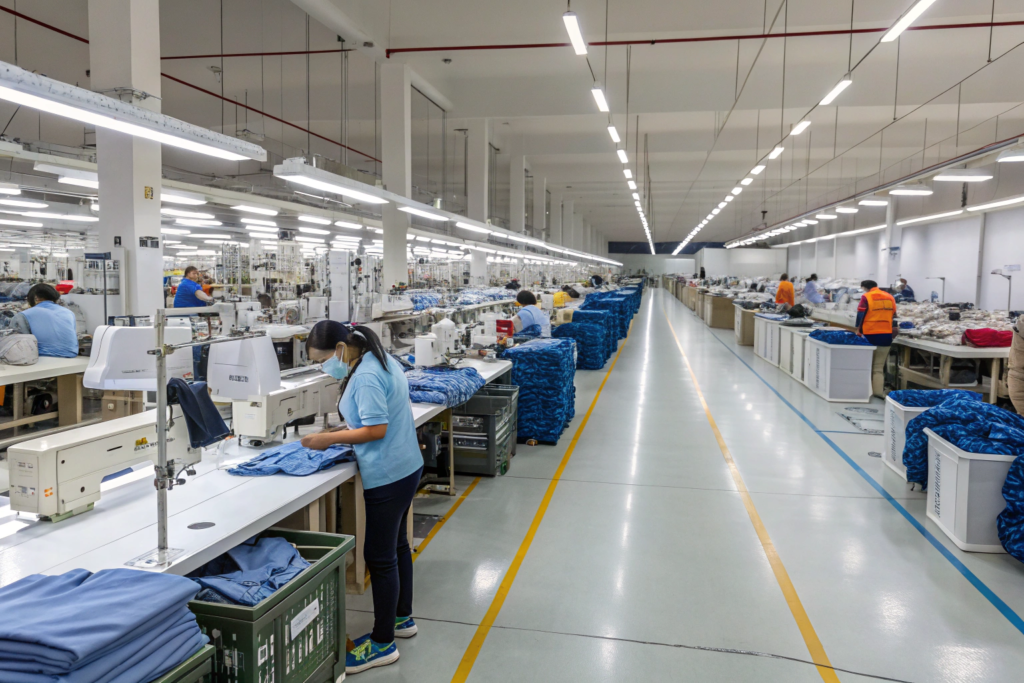
Don't just look for a wall full of papers. Ask for current, valid certifications. For social compliance, look for Sedex or WRAP certifications. These require independent audits. For quality management, ISO 9001 is a good standard. But you can also do your own audit. Ask for a video call and have them show you the production floor, the warehouse, and the worker facilities. If they refuse or give you a "virtual tour" that is clearly a pre-recorded video, it's a red flag. I always tell buyers to ask for the factory's physical address and check it on Google Maps. You'd be surprised how many "factories" are just office buildings. The WRAP organization provides a directory of certified facilities, which is a great place to start your research.
How do I know if my order will really ship on time?
Ask the sales representative a simple question: "What is your current production capacity for this month?" A good supplier will be honest. They might say, "We are at 80% capacity, so we can fit your order in." A bad supplier will always say "No problem," even if they are already overloaded. They will then push your order to the back of the line. Another trick is to ask for a detailed production schedule. A professional factory like ours will provide a timeline: fabric arrival, cutting, sewing, finishing, and final inspection. If a supplier can't provide this, they are not in control of their own process. One of the most reliable ways to ensure on-time delivery is to use a third-party inspection service before shipment. Companies like QIMA offer this globally and can provide an unbiased report on both quality and quantity before your goods leave the factory.
Conclusion
Sourcing clothing from China doesn't have to be a gamble. The red flags are there if you know where to look. It’s in the fabric that doesn't match the swatch, the stitching that pulls apart, the color that is just a little off, and the promises that are always broken. My goal in sharing these insights from over two decades in this industry is to help you see beyond the price list and into the reality of production. You need a partner who is as invested in your brand's reputation as you are.
At Shanghai Fumao, we've built our business on transparency and precision. We don't just take orders; we solve problems. We've helped a Canadian athletic brand fix a recurring issue with seam slippage in their leggings by reinforcing the stress points, reducing their post-production defects by over 60%. We've guided a New York designer through the fabric selection process, ensuring the delicate silk she wanted could withstand the manufacturing process without tearing. We believe in clear communication, rigorous quality control, and delivering on our promises.
If you are tired of fighting with suppliers over quality issues and missed deadlines, let's have a conversation. Let us show you how a dedicated manufacturing partner can make your job easier and your products better. Please reach out to our Business Director, Elaine, at elaine@fumaoclothing.com to discuss your next project. We are ready to help you bring your apparel visions to life, without the red flags.