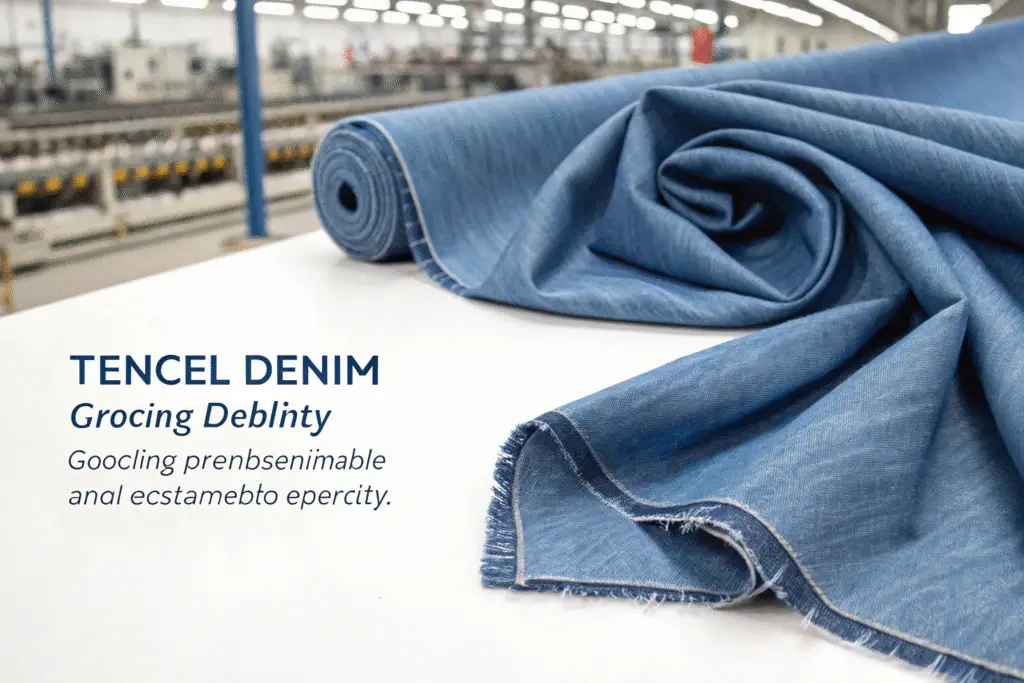
Tencel denim has quickly become one of the most in-demand sustainable fabrics in the apparel industry. It offers a luxurious feel, excellent drape, and a green footprint. But as more U.S. buyers explore eco-denim lines, they’re learning that sourcing Tencel blends isn’t always straightforward.
Tencel denim sourcing offers benefits like sustainability, softness, and drape—but also comes with challenges including price volatility, limited washdown techniques, and MOQ requirements.
If you’re a brand owner or apparel buyer looking to elevate your denim line with Tencel, here’s a practical guide to help you understand the trade-offs.
Why Is Tencel Denim Gaining Popularity in Fashion?
Demand for Tencel denim is booming thanks to both fashion trends and sustainability goals.
Tencel (also known as lyocell) is prized for its eco-friendly fiber origin, softness, and versatility, making it a favorite in women’s, men’s, and kids’ casualwear.
What Is Tencel Denim Made Of?
Tencel is a branded lyocell fiber developed by Lenzing. It’s derived from wood pulp—usually eucalyptus—via a closed-loop production process that recycles over 99% of water and solvents. When blended with cotton, it produces denim with improved breathability and a silkier hand feel.
Many ethical fashion brands like Boyish Jeans or Outland Denim now feature Tencel blends as their eco-core material.
Why Is It Appealing to U.S. Buyers?
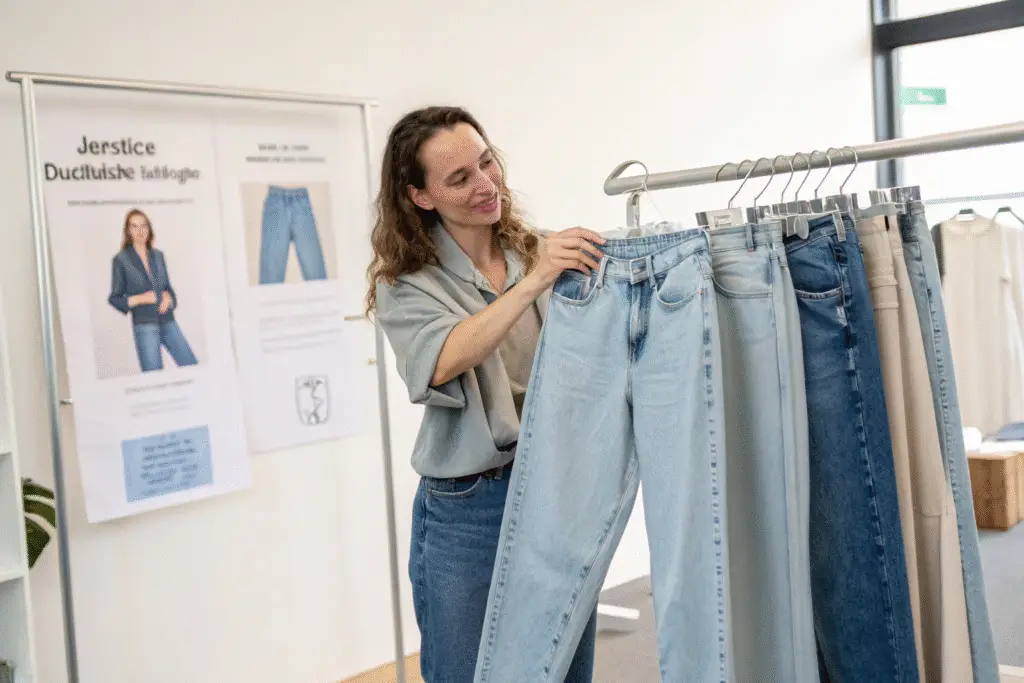
Tencel denim aligns well with U.S. buyer preferences for soft stretch, sustainable sourcing, and comfortable fits. In our experience at Fumao, American distributors love that it photographs well, especially in light or vintage wash tones—ideal for e-commerce.
What Are the Key Benefits of Using Tencel in Denim?
Buyers often ask: is the cost of Tencel denim justified? The answer lies in its premium features and marketing potential.
Tencel denim provides exceptional softness, low shrinkage, moisture management, and a clear sustainability story that appeals to both retailers and conscious consumers.
Is It More Comfortable Than Cotton Denim?
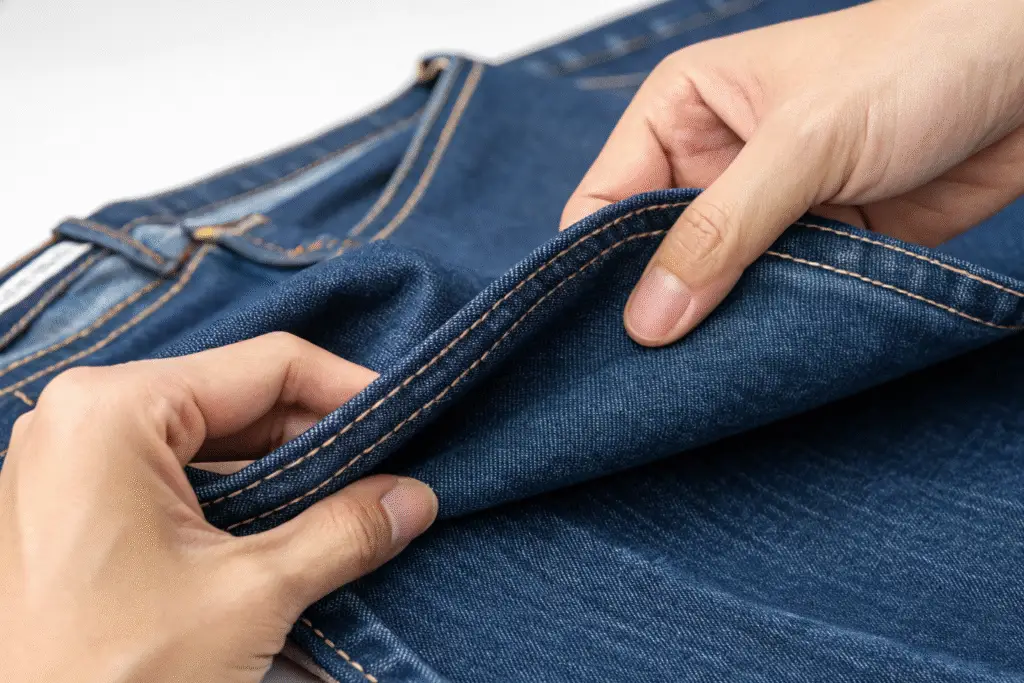
Yes. Tencel denim is significantly softer than 100% cotton denim and has a flowing drape similar to rayon or silk blends. This makes it suitable for slim silhouettes, relaxed fits, and even maternity jeans. Brands like DL1961 highlight it in their “insta-soft” series.
In our production tests, it also resists pilling and maintains shape well after repeated washing.
How Does It Help with Moisture Management?
Tencel fibers are naturally hydrophilic, which means they absorb moisture quickly and wick it away from the body. For active lifestyles or warm climates, this is a major advantage. Buyers sourcing for California or Texas markets especially appreciate this cooling effect.
What Are the Challenges of Sourcing Tencel Denim?
Despite its perks, Tencel denim has downsides—particularly when it comes to production complexity and cost structure.
Challenges include higher price per meter, longer lead times, limited stonewash compatibility, and occasional MOQ barriers for small or mid-size brands.

Is Tencel Denim More Expensive?
Definitely. Tencel yarn is priced higher than standard cotton, and its production requires experienced mills. On average, it can cost 30–40% more per yard depending on GSM and blend ratio. Factories with certified Lenzing partnerships may also charge premium rates.
However, the marketing value and customer appeal often offset this investment—especially for brands positioning as sustainable.
What About Finishing and Wash Limitations?
Traditional heavy stonewashing or acid-wash techniques can damage Tencel fibers. That limits its use in rugged workwear aesthetics. Instead, it’s better suited to enzymatic finishes or soft bleaches.
At Fumao, we partner with mills using ozone and laser techniques that preserve Tencel’s integrity while achieving a worn-in look.
How Can You Successfully Source Tencel Denim from China?
You don’t have to source Tencel denim blindly. With the right approach, you can secure consistent supply while managing cost and compliance.
Top Chinese Tencel denim suppliers are GRS or OEKO-TEX certified, offer low-MOQ flexibility, and support buyers with sampling, wash tests, and freight-ready documentation.
Where Are the Best Tencel Mills Located?
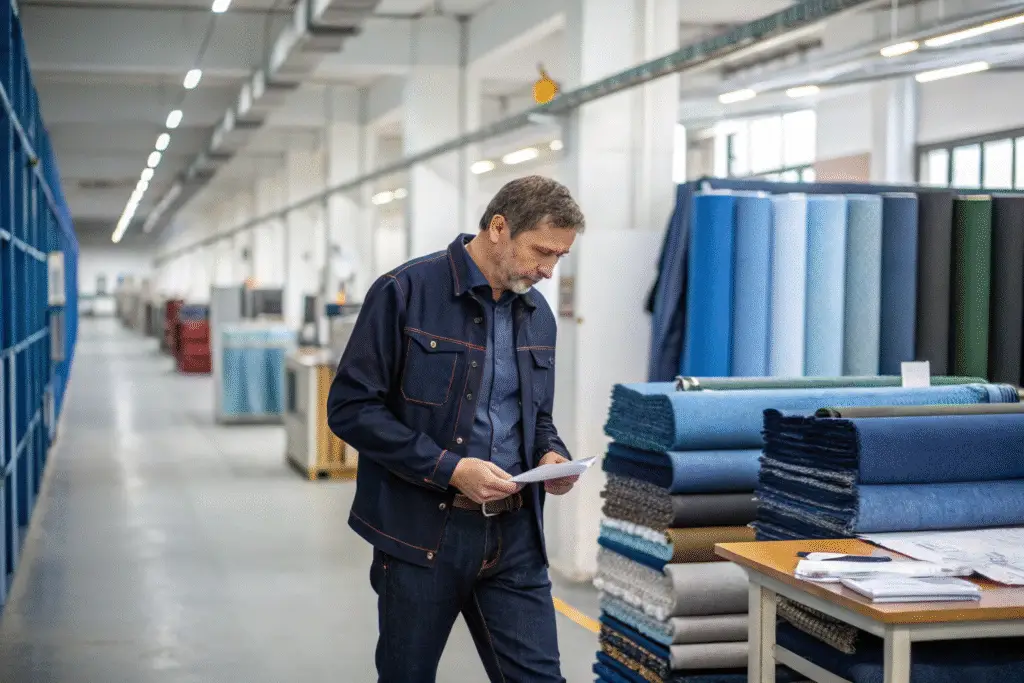
Look to Chinese hubs like Shaoxing, Guangzhou, and Foshan. Mills like Advance Denim and Prosperity Textile are known for certified eco-denim programs.
At Fumao, we collaborate with trusted weaving partners who stock Tencel blends from 5oz to 11oz and support reactive dyeing, laser distressing, and DDP shipment to the U.S.
What Questions Should You Ask Your Supplier?
- Is the Tencel fiber certified by Lenzing?
- Can you provide wash trial reports?
- What’s the lead time for sampling and bulk?
- Are fabric rolls pre-shrunk?
- Do you support label claim documentation for sustainability?
These questions help prevent surprises and ensure alignment from development to delivery.
Conclusion
Sourcing Tencel denim is an exciting opportunity for brands aiming to blend style and sustainability. While the fabric costs more and demands careful finishing, its softness, drape, and eco appeal give retailers a competitive edge.
At Fumao Clothing, we guide our clients from fabric development to full-package production, ensuring their Tencel denim lines meet global standards. Ready to explore this premium fabric for your next launch? Contact our Business Director Elaine at strong>elaine@fumaoclothing.com</strong to start sampling today.