You’ve built a successful wholesale clothing business. Now, you’re ready to scale by sourcing directly from a factory overseas. The potential profit is significant, but so is the risk. Sending tens of thousands of dollars to a manufacturer you’ve never met is daunting. The nightmare scenario of losing your deposit to a fraudulent supplier or receiving substandard goods is real. In wholesale, where volume is high and margins are calculated precisely, one bad transaction can be devastating.
The most secure payment terms for wholesale clothing strategically balance risk mitigation with relationship building. They include: 1) Escrow Services, offering maximum security for first-time or high-value orders; 2) Letters of Credit (L/C) at Sight, providing bank-backed security for large transactions; and 3) Milestone-Based Telegraphic Transfers (T/T), which tie payments to verifiable production stages and are the industry standard for established relationships. Security is not a one-size-fits-all solution; it’s a tailored strategy based on order size and trust level.
Your goal is to protect your capital without alienating a good factory. Let’s dissect each secure option to build a payment framework that safeguards your business while paving the way for a profitable long-term partnership.
Why is Escrow the Ultimate Security for High-Risk Scenarios?
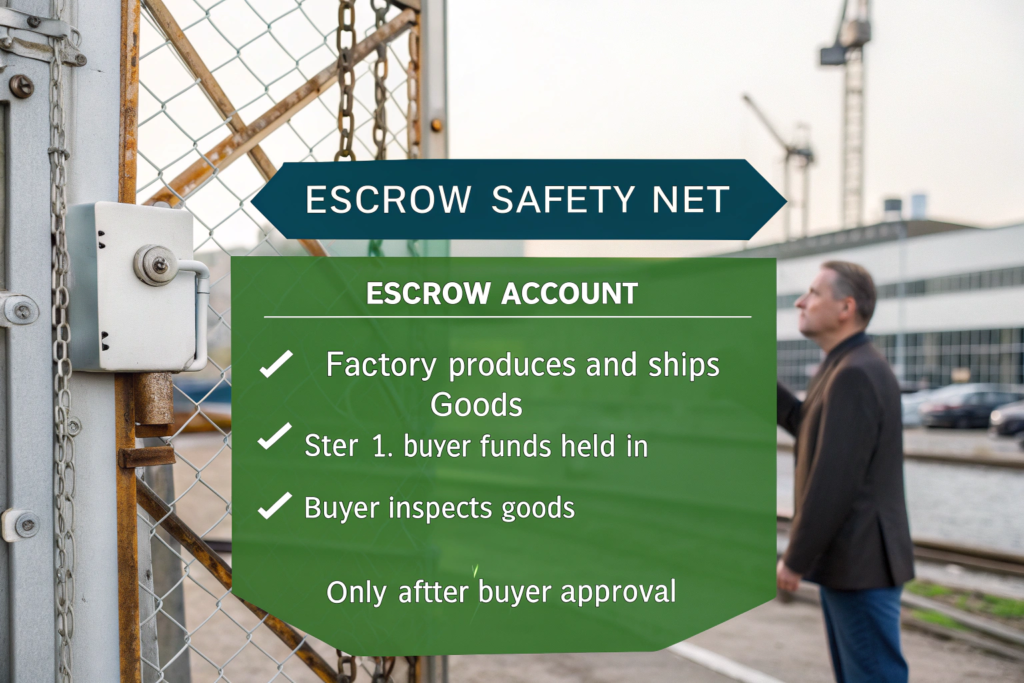
For a first order with a new factory, or for an exceptionally large and complex order, Escrow is the closest thing to a risk-free transaction. It acts as a trusted, neutral third party that holds your payment until you verify the goods meet the agreed terms.
Escrow is the ultimate security because it completely de-links payment from the supplier’s promise and links it directly to your verification of delivery. The supplier only gets paid when you confirm receipt of satisfactory goods, eliminating the risk of non-delivery, fraud, or severe quality failure. It is the digital equivalent of “cash on delivery” for international trade.
How Does an Escrow Transaction Work for a Wholesale Order?
You and the factory agree on terms within the escrow platform. You pay the full amount (or a large majority) into the escrow account. The factory then manufactures and ships. Upon delivery, you have a predefined inspection period (e.g., 7-14 days). If the goods are acceptable, you authorize the release of funds. If they are not, you can file a dispute, and the escrow service mediates based on the contract and evidence (like inspection reports). A sportswear wholesaler used escrow for a $75,000 first order with us. The inspection found inconsistent dye lots. Because the money was safe, they negotiated a 15% discount before releasing payment, turning a potential loss into a manageable issue.
What Are the Trade-offs of Using Escrow?
The primary trade-offs are cost and speed. Escrow fees range from 0.5% to 1.5% of the transaction value. Also, the supplier receives payment later than with T/T, which can affect their cash flow. Some established factories may be reluctant to use it, preferring trusted partners. However, for a new relationship, this fee is a wise insurance premium.
Are Letters of Credit (L/C) Still Relevant for Large Wholesale Orders?
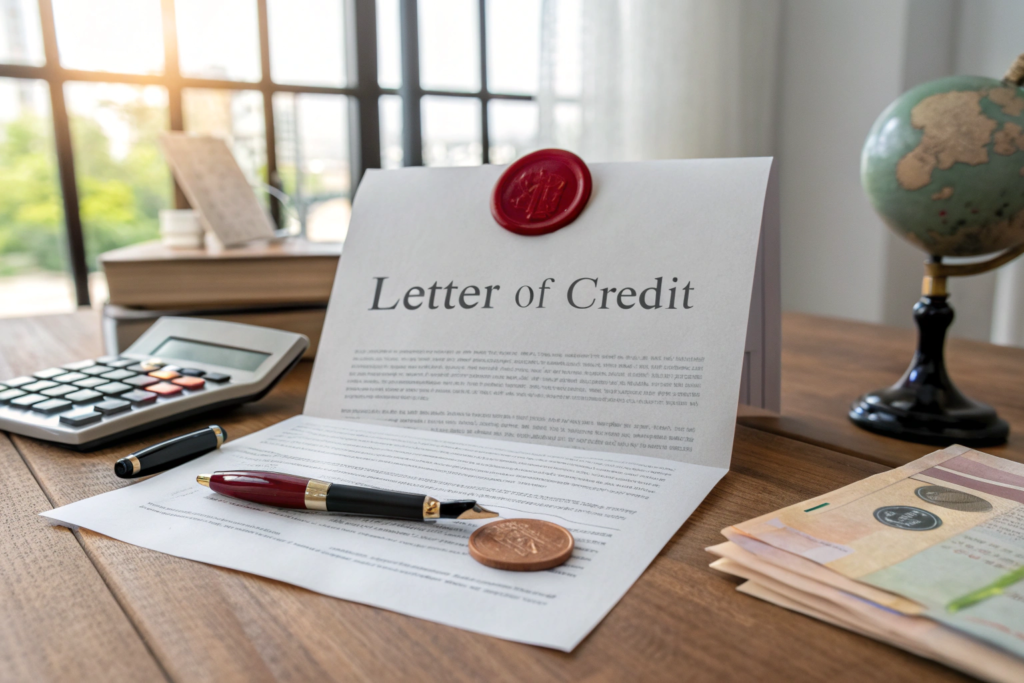
For wholesale orders in the $100,000+ range, a Letter of Credit remains a gold standard of security, especially when dealing with suppliers in regions of perceived higher risk. It shifts the payment guarantee from the supplier’s reputation to the irrevocable promise of a bank.
Letters of Credit are highly relevant for large orders because they provide a secure, bank-enforced framework. Your bank promises to pay the supplier’s bank, but only upon presentation of strict, pre-agreed documentary proof (like Bills of Lading, Inspection Certificates) that the terms have been met. This protects you from paying for unmet obligations.
What Makes an "L/C at Sight" Secure?
An L/C at Sight means payment is made immediately (“at sight”) upon presentation of compliant documents. The security lies in the documentary control. If the supplier fails to provide the correct Bill of Lading or if an independent inspection report shows failure, the documents are discrepant, and you can refuse payment. This gives you tremendous leverage and ensures contractual compliance.
What are the Downsides of L/Cs for Wholesalers?
LCs are expensive (bank fees can be 1-2.5% of the order value) and administratively burdensome. They require perfect paperwork. Any discrepancy, even a typo, can cause delays and extra fees. They are also slower to set up than other methods. For fast-moving fashion with tight deadlines, this bureaucracy can be a bottleneck. At Shanghai Fumao, we recommend LCs for monumental orders or when the buyer’s corporate policy requires it, but for most wholesale deals, milestone-based T/T offers a better balance of security and agility.
How Can Milestone-Based T/T Terms Be Made Secure?
Telegraphic Transfer is the lifeblood of the garment industry. For a wholesaler, the goal is to use T/T but structure it in a way that minimizes risk at every stage. This is done by linking payments to tangible, verifiable production milestones, not just arbitrary dates.
Milestone-based T/T terms are made secure by dividing the payment into stages, each triggered by a verified event: a deposit for materials, a progress payment upon production start, and a final payment only after passed inspection and before shipment. This keeps both parties invested and provides the buyer with continuous leverage.
What is the Optimal Milestone Structure for Wholesale?
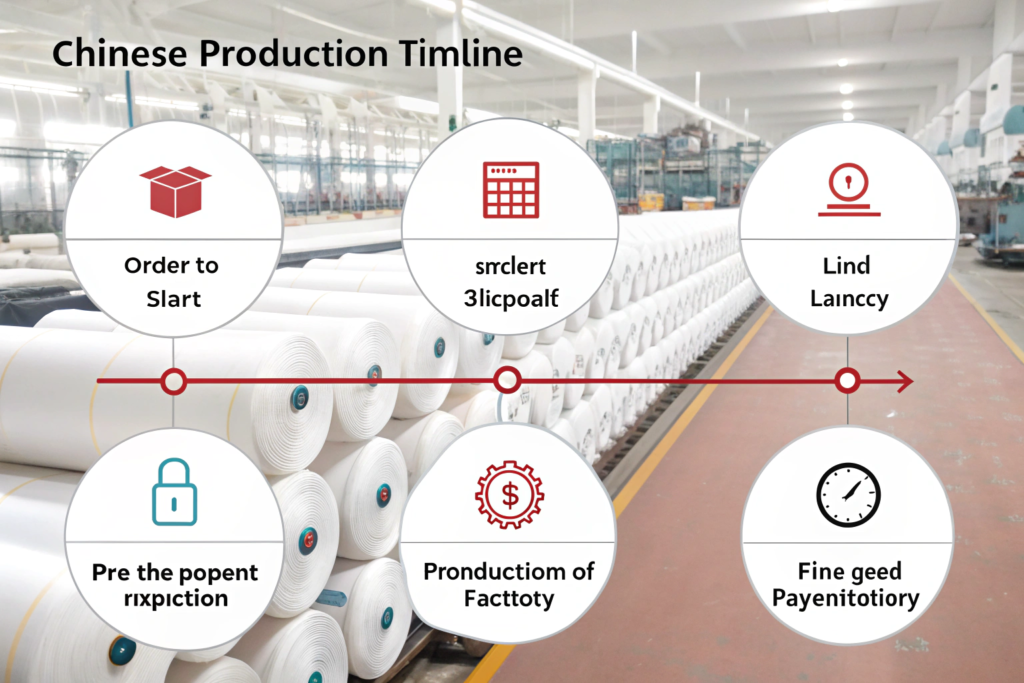
For a balanced wholesale order, we advocate a 30/40/30 structure:
- 30% Deposit: Upon contract signing. This allows the factory to procure materials. Your risk is limited to this amount if the factory fails utterly at the outset.
- 40% Progress Payment: Due upon confirmation of production start. This should be verified by a During Production Inspection (DUPRO) report or time-stamped photos/videos from the factory floor. This pays for the labor of your order.
- 30% Final Payment: Due only after a successful Pre-Shipment Inspection (PSI) and before the goods are shipped. This is your most powerful lever for quality assurance.
A denim wholesaler using this structure with us discovered via DUPRO that the wash effect was inconsistent. Because 70% of the payment was still pending, we corrected the entire batch immediately at our cost, securing their quality and timeline.
How Does a Standby Letter of Credit (SBLC) Enhance T/T?
For very large orders with a new supplier, you can pair milestone T/T with a Standby Letter of Credit. This is a bank guarantee that you will pay if you default. It gives the factory confidence to start, while you maintain the control and lower cost of T/T payments. It’s a hybrid model that offers strong mutual assurance.
How Do You Transition from Secure Terms to Partnership Terms?
The most secure term is a trusted partnership. Your initial, carefully secured orders are an investment in building that trust. The goal is to evolve toward simpler, lower-cost terms that reflect mutual reliability.
You transition by consistently honoring your secured payment terms, communicating transparently, and successfully completing orders. This track record allows you to negotiate improved terms such as lower deposits, longer credit periods (e.g., Net 30), or consolidated payments, which greatly improve your cash flow as a wholesaler.
What Does the Evolution Look Like in Practice?
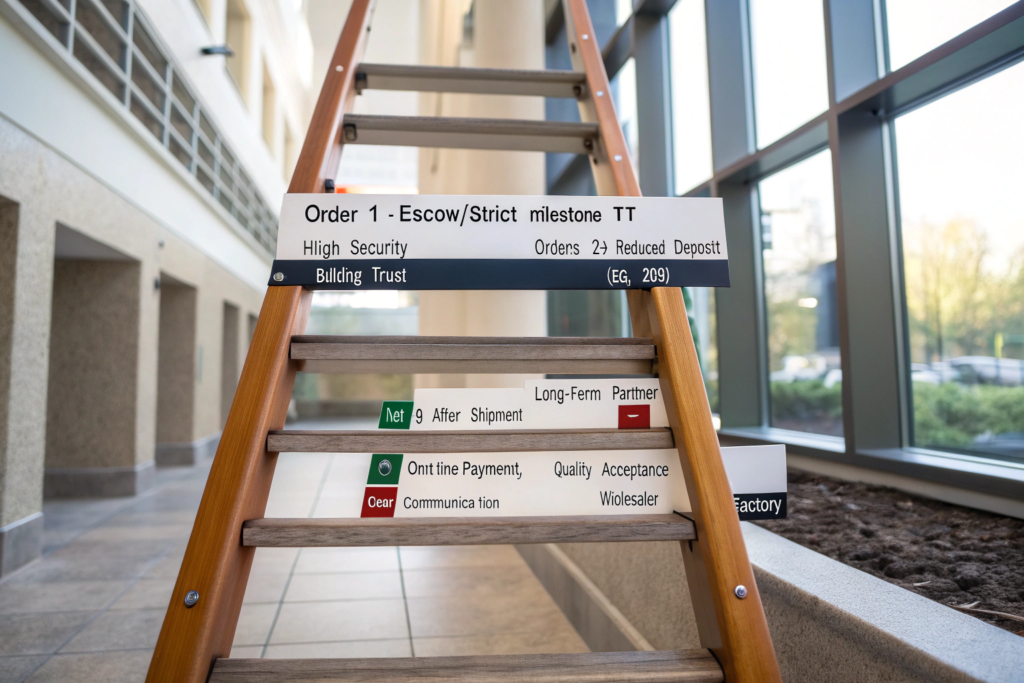
- Orders 1-2: 30% deposit, 70% balance against copy of B/L (or after PSI). Or use Escrow.
- Orders 3-5: 20% deposit, 80% balance before shipment.
- Long-Term Partnership: After a year of flawless orders, you might qualify for Net 30 terms, where you pay the full amount 30 days after shipment. This is a huge cash flow advantage.
We have several wholesale partners who started on strict terms. One, after five successful orders, now operates on Net 60 for re-orders of best-selling basics. This trust allows them to hold inventory longer and sell before paying, a powerful competitive edge. This trust was earned, not given.
Why is Consistency More Valuable Than One-Time Savings?
A factory will prioritize a consistent, reliable wholesaler over a sporadic one that always haggles for the lowest price. Consistency in payment and order volume gives the factory predictable cash flow and allows them to plan capacity, often leading to better pricing and priority service for you in the long run. It’s a strategic investment in supply chain stability.
Conclusion
For wholesale clothing businesses, secure payment terms are the foundation upon which scalable, profitable sourcing is built. There is no single “most secure” term, but a strategic progression: using Escrow or L/Cs to de-risk initial engagements, implementing milestone-based T/T to maintain control while building trust, and ultimately evolving toward partnership terms that optimize cash flow and strengthen collaboration.
The wholesalers who thrive understand that security is a dual investment—in protecting their capital and in cultivating a reliable manufacturing partner. At Shanghai Fumao, we respect and reward this approach. We work with our partners to design payment frameworks that secure their first order and pave the way for a lasting, prosperous relationship.
If you are a wholesaler ready to establish a secure, scalable supply chain with a partner who values clarity and reliability, let’s discuss the right payment strategy for your volume and growth stage. Contact our Business Director, Elaine, at elaine@fumaoclothing.com.