As a garment factory owner, I've seen brands invest in perfect designs and quality fabrics, only to provide unclear care labels that lead to damaged clothes and damaged reputations. Proper care instructions protect your investment and ensure customer satisfaction.
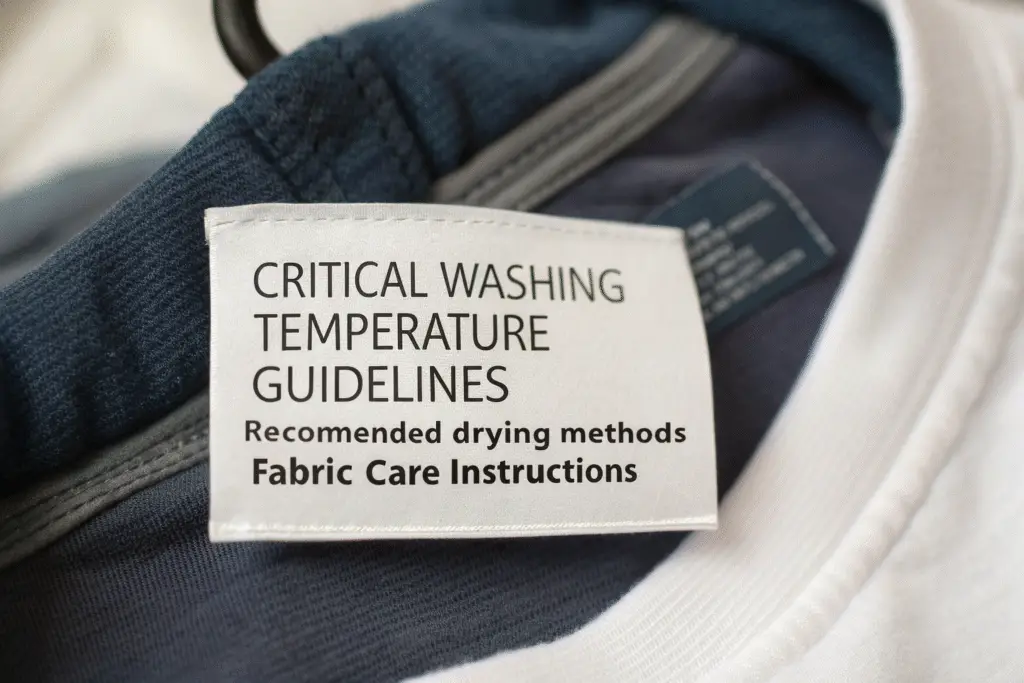
Clear garment care instructions are essential for maintaining product quality and protecting your brand. The most critical instructions cover washing temperatures, drying methods, and fabric-specific guidelines that directly impact garment lifespan.
Professional brands understand that proper care guidance demonstrates commitment beyond the point of sale. Let's explore the essential care instructions that keep clothes looking new longer.
Why Are Garment Care Labels Legally Mandatory?
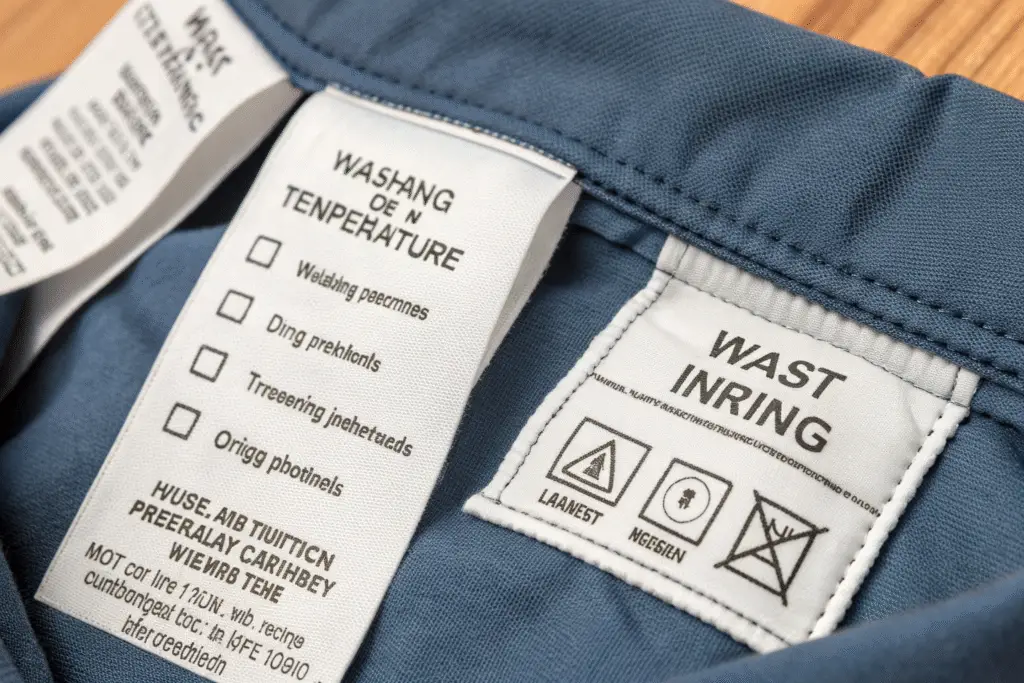
Care labels are legal requirements in many countries, including the U.S., where non-compliance risks fines and lost customer trust. These labels serve as your primary defense for product integrity.
What Are The Global Standards For Care Labeling?
The Federal Trade Commission enforces the Care Labeling Rule, requiring clear care instructions from manufacturers and importers. International standards like ISO 3758 use universal symbols recognized worldwide. Following guidelines from organizations like the American Society for Testing and Materials ensures global understanding and demonstrates trade compliance.
How Do Care Instructions Reduce Customer Returns?
Accurate care labels significantly decrease returns by preventing damage. Specific instructions like "Dry Flat" for knitwear or "Wash Dark Colors Separately" prevent stretching and color bleeding. This proactive approach saves return costs and builds customer loyalty through proper quality control practices.
How to Decode Common Washing and Drying Symbols?
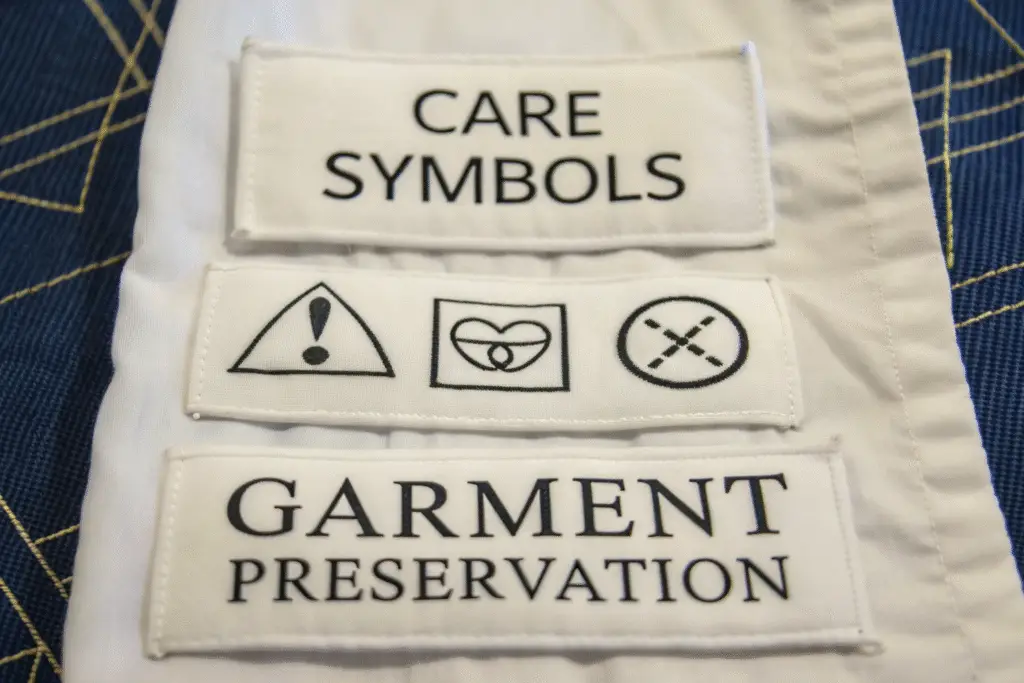
Care symbols form a universal language for garment preservation. Understanding these symbols ensures customers maintain clothing properly.
What Do The Basic Washing Symbols Mean?
The washtub symbol indicates washing methods, with internal numbers specifying maximum temperatures. Additional symbols denote hand washing, gentle cycles, or professional dry cleaning requirements. For example, we recommend "30°C" for dark cottons to prevent fading.
When Should You Use Tumble Drying vs. Natural Drying?
Square symbols govern drying methods. Internal circles with dots indicate tumble drying heat levels, while crossed-out symbols prohibit machine drying. Natural drying options include line drying or laying flat—crucial for delicate knits and sweaters to maintain shape. Incorrect use of tumble dryers can permanently damage certain fabrics.
What Are the Best Care Practices for Different Fabrics?
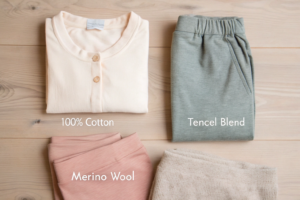
Each fabric type demands specific care approaches. Providing fabric-specific guidance demonstrates expertise and enhances customer experience.
How Should You Care for Delicate Natural Fibers?
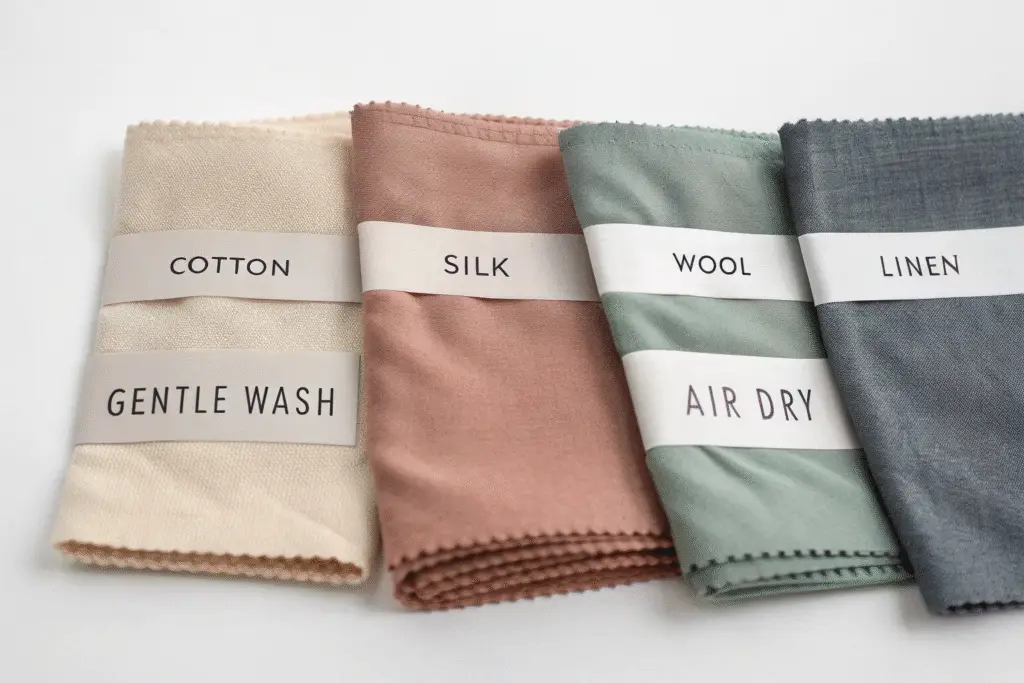
Premium natural fabrics require gentle handling to preserve quality:
| Fabric | Washing | Drying | Ironing |
|---|---|---|---|
| Silk | Hand Wash, Cold | Lay Flat | Low Heat, No Steam |
| Wool | Gentle Cycle | Lay Flat | Low Heat with Cloth |
| Linen | Machine Warm | Tumble Low | High Heat, Steam |
For optimal results with delicate fabrics, we often recommend professional dry cleaning.
How Do You Maintain Synthetic and Blended Fabrics?
Synthetics like polyester offer durability but require specific care. While generally machine washable, high heat can damage some synthetic fibers. Cotton-polyester blends provide comfort with reduced maintenance, though following care instructions for the dominant fiber remains essential.
How Can Proper Care Extend the Lifespan of Your Garments?
Effective garment care actively prolongs clothing life, benefiting both customers and the environment through reduced waste.

What Common Mistakes Damage Clothes?
Typical errors include overloading machines, using excess detergent, and frequent washing. Ignoring care labels by applying high heat universally can set stains, shrink fabrics, and fade colors. Following manufacturer's instructions prevents these issues.
How Does Fabric Care Impact Fashion Sustainability?
Extended garment life through proper care supports sustainable fashion by reducing replacement needs and textile waste. Quality manufacturing combined with clear care instructions empowers consumers to participate in sustainability. Choosing a reliable clothing manufacturer committed to quality represents the first step toward sustainable fashion.
Conclusion
Comprehensive garment care instructions are fundamental for responsible apparel branding, affecting legal compliance, customer satisfaction, and environmental impact. From universal symbols to fabric-specific guidance, these details transform one-time purchases into lasting customer relationships.
If you seek a manufacturing partner who values the connection between production quality and product care, we can help create clothing that endures. For discussion about your next clothing order, contact our Business Director, Elaine, at elaine@fumaoclothing.com.