Are you considering launching your own clothing line but worried about the challenges ahead? Understanding these hurdles can help you prepare and increase your chances of success.
The major obstacles when creating a clothing line include high startup costs, manufacturing complexities, fierce competition, and the fast-changing nature of fashion trends. Additionally, sustainability concerns and supply chain issues present significant modern challenges.
Let's examine these obstacles in detail and explore how to overcome them.
What Is the Main Problem With the Way Clothing Is Made Now?
The current clothing production system faces several critical issues. What's the most pressing concern?
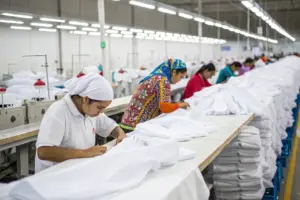
The main problem with modern clothing production is its unsustainable fast fashion model, characterized by overproduction, poor working conditions, and environmental damage. This system prioritizes low costs and quick turnover over quality and ethics.
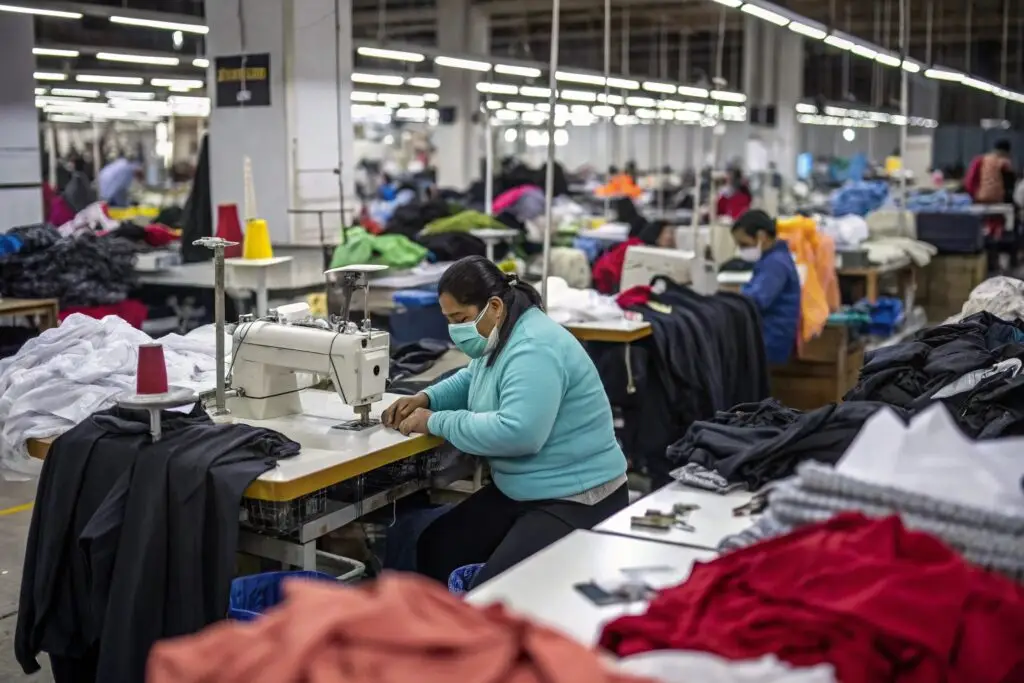
Key Issues in Contemporary Clothing Production
| Problem | Consequences | Potential Solutions |
|---|---|---|
| Overproduction | 30% of clothes never sold, creating waste | Demand-driven production models |
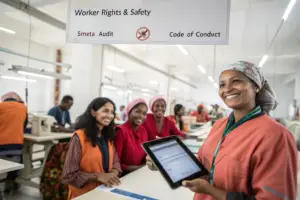
| Poor labor conditions | Exploitation in developing countries | Ethical certification programs |
| Environmental harm | Textiles account for 10% global carbon emissions | Sustainable materials and processes |
| Low quality | Short garment lifespan leading to more waste | Focus on durability and timeless design |
Fast Fashion's Impact
- 85% of textiles end up in landfills each year
- Garment workers often earn less than living wages
- Microplastic pollution from synthetic fabrics
Is It Hard to Make a Clothing Line?
Many aspiring designers wonder about the difficulty of starting a clothing line. What makes it challenging?
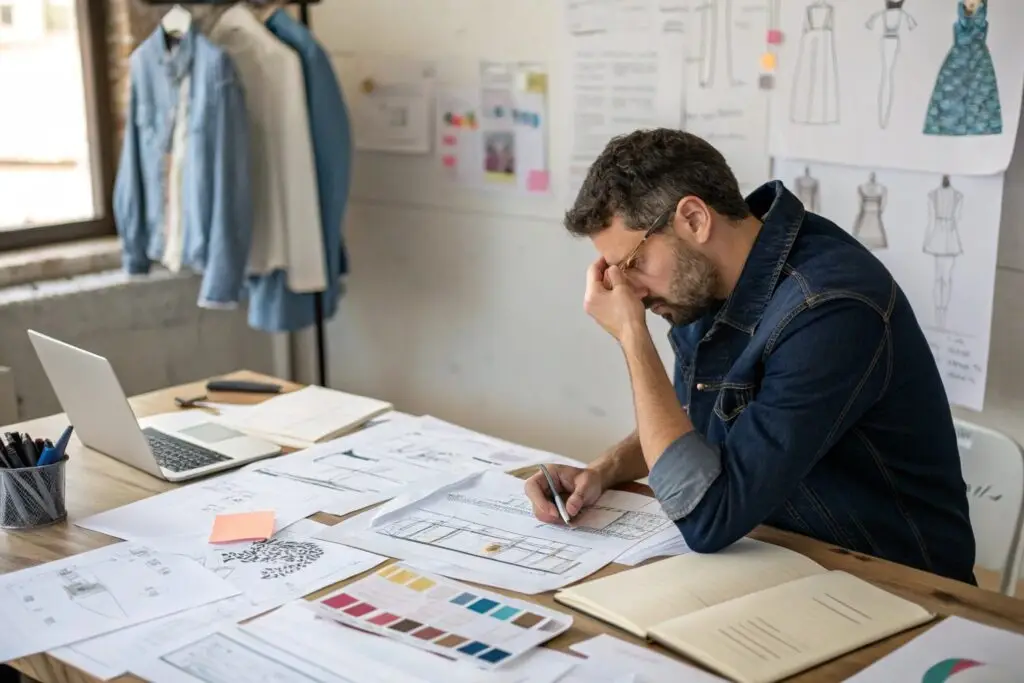
Creating a successful clothing line is extremely challenging due to the need for substantial capital, technical expertise, and market differentiation. The industry's low barriers to entry result in intense competition, with 90% of startups failing within first three years.
Difficulty Factors in Launching a Clothing Line
| Challenge Level | Aspect | Why It's Difficult |
|---|---|---|
| High | Manufacturing | Finding reliable factories with minimum order quantities |
| Medium-High | Design | Creating unique, marketable designs |
| High | Financing | Average $50,000-$150,000 startup cost |
| Extreme | Marketing | Standing out in saturated market |
| Medium | Distribution | Securing retail partners or building e-commerce |
Startup Survival Rates
- Year 1: 60% survive
- Year 3: 10% remain
- Year 5: 5% continue operating
What Is the Problem With the Clothing Industry?
Beyond production issues, what systemic problems plague the fashion industry?
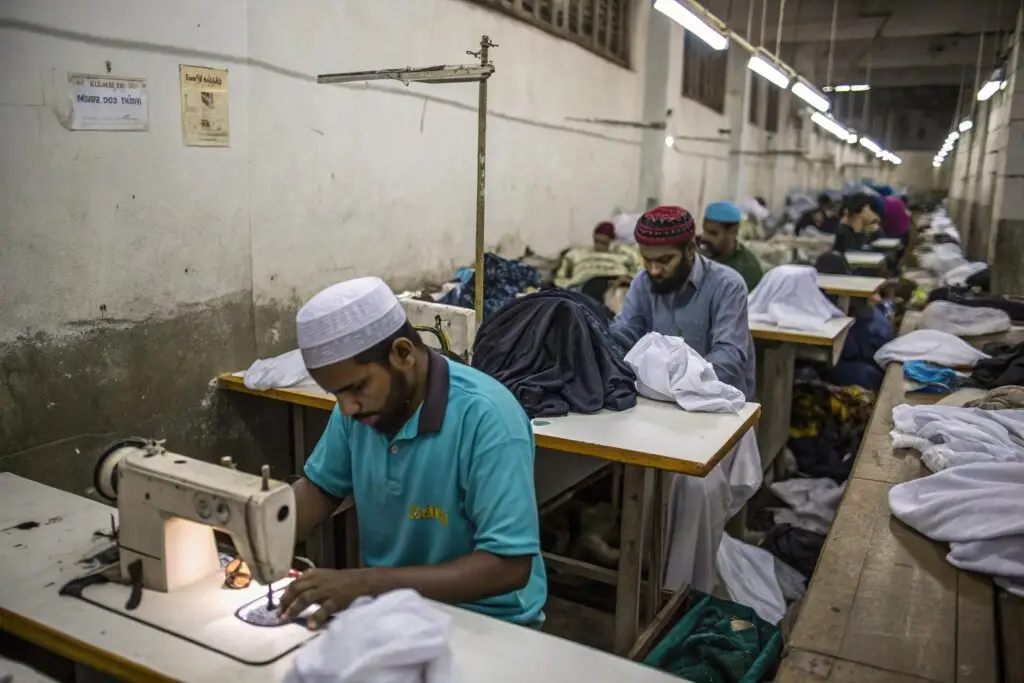
The clothing industry's core problems include unsustainable practices, labor exploitation, counterfeit goods, and a wasteful business model that encourages overconsumption. These issues are compounded by globalization and rapid trend cycles.
Major Industry Problems and Statistics
| Problem Category | Specific Issues | Impact Statistics |
|---|---|---|
| Environmental | Water pollution, microplastics, landfill waste | Fashion = 2nd most polluting industry |
| Social | Child labor, unsafe factories, low wages | 98% workers don't earn living wage |
| Economic | Race to bottom pricing, counterfeit market | $50B lost annually to fakes |
| Creative | Design theft, homogenization | 70% of designs copied within weeks |
Industry Paradoxes
- Consumers buy 60% more clothes but keep them half as long
- Prices dropped 30% past decade while environmental costs rose
- Increased awareness but limited behavior change
What Is the Biggest Challenge in Fashion Industry?
Among all these issues, what stands as the most significant challenge?
The fashion industry's biggest challenge is reconciling profitability with sustainability. Transforming entrenched systems to be both eco-friendly and economically viable while meeting consumer demand for fast, cheap fashion presents an enormous hurdle.

Sustainability vs. Profitability Challenge
| Aspect | Current Reality | Sustainable Alternative | Implementation Barrier |
|---|---|---|---|
| Production Speed | 52 micro-seasons yearly | 4-6 thoughtful collections | Consumer expectation for novelty |
| Material Use | 97% virgin materials | Recycled/organic fabrics | 30-50% higher costs |
| Labor Costs | $3/day wages in Bangladesh | Living wage standards | 15-20% price increases |
| Business Model | Sell more, sell cheaper | Quality over quantity | Requires consumer mindset shift |
Progress Indicators
- 12% of brands have measurable sustainability goals
- Circular fashion initiatives growing 25% annually
- Resale market expanding faster than traditional retail
Conclusion
Launching a clothing line today means navigating a complex landscape of financial, creative, and ethical challenges. While the obstacles are significant - from unsustainable production models to intense market competition - they also present opportunities for innovative designers to differentiate themselves through quality, ethics, and unique brand visions. Success requires balancing creative passion with business acumen and a commitment to positive industry change.