The global supply chain for apparel is more volatile than ever. Port delays, shifting tariffs, and sudden changes in consumer demand can derail even the most careful plans. You might feel locked into a single region, forced to accept long lead times or high freight costs as unavoidable. But there is a strategic way to build resilience and efficiency directly into your supply chain from the start.
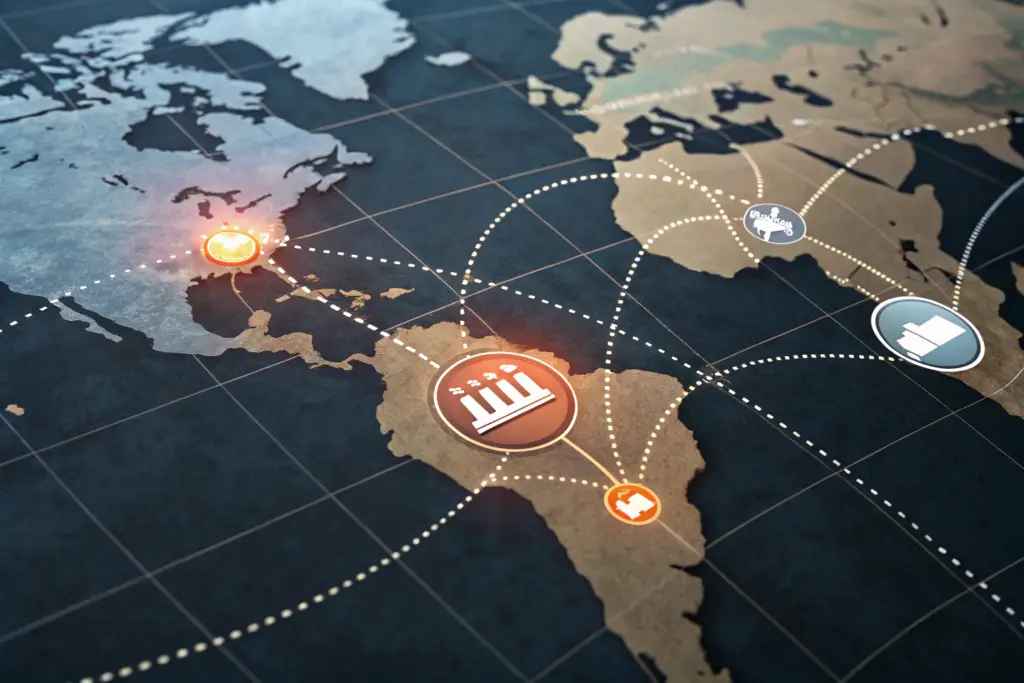
Sourcing from a factory with multiple, strategically located global production bases offers significant logistics benefits, including risk mitigation through geographic diversification, flexible and faster market response, and optimized total landed costs through near-shoring options. This multi-factory network acts as a built-in shock absorber for your supply chain, providing options when disruptions occur.
For brands selling in North America and Europe, having all your production eggs in one geographic basket is a growing risk. A factory with a global footprint transforms logistics from a fixed cost center into a dynamic, strategic asset. Let’s explore how this operational model delivers tangible advantages.
How does a global factory network reduce supply chain risk?
Supply chain risk isn't just about natural disasters. It includes political instability, trade policy changes, port congestion, and even localized labor disputes. Relying on a single country or corridor makes your entire business vulnerable to these events. A disruption at one point can stop your flow of goods completely.
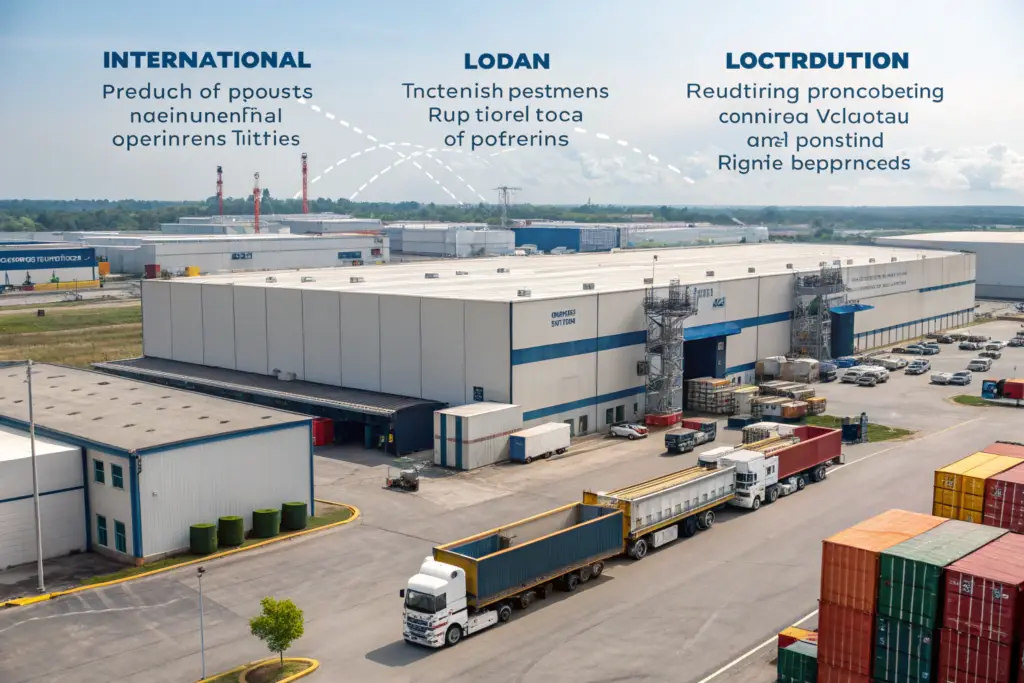
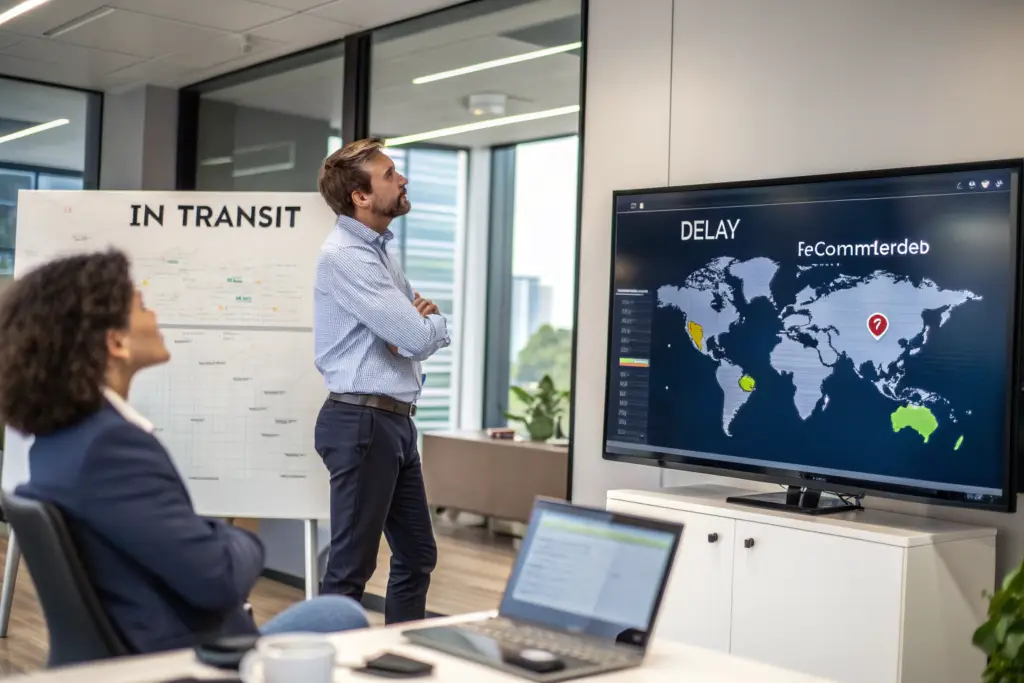
A factory with multiple international production bases mitigates risk by providing immediate geographic diversification. If a problem arises in one location—be it a new tariff, a COVID lockdown, or port strike—production and shipments can be dynamically re-routed or re-allocated to another base within the same trusted partner network. This continuity is priceless.
What specific risks can be mitigated?
The primary risks are trade compliance changes and logistical bottlenecks. For instance, when the U.S. imposed Section 301 tariffs on many Chinese goods, brands scrambled. A factory with a qualified production base in Vietnam or Cambodia could immediately shift relevant orders to maintain cost stability. Similarly, during the peak congestion at the Port of Los Angeles, having the option to ship from a factory in, say, Turkey into the EU or the U.S. East Coast avoided months of delays. This isn't theoretical. In 2022, when sudden lockdowns affected a key industrial region in China, our clients with orders at Shanghai Fumao had their production plans seamlessly transferred to our partnered facilities in Southeast Asia within two weeks, preventing any missed delivery deadlines.
How does this simplify compliance and documentation?
Working with a single entity that manages production across different countries simplifies your administrative burden. Instead of dealing with multiple suppliers, each with their own contracts, quality standards, and shipping terms, you have one point of contact. The parent company ensures consistent quality control protocols and handles the complex export documentation, certificates of origin, and customs clearance procedures specific to each country. They become the expert in navigating the Free Trade Agreement (FTA) landscape, ensuring you benefit from preferential duty rates wherever possible, whether it's USMCA for goods from Central America or EU-Vietnam FTA for shipments to Europe.
Can multiple production bases lead to faster delivery times?
Speed to market is a critical competitive edge. Traditional sourcing from a single distant location often means planning seasons in advance and accepting 60-90 day shipping times. Consumer trends, however, move much faster. The ability to produce closer to your end market can dramatically compress this timeline.
Yes, strategically located production bases enable faster delivery through near-shoring options and flexible order splitting. By producing a portion of your order in a facility closer to your target market, you can use faster, cheaper freight options (like trucking instead of ocean freight) and reduce the total time from factory floor to warehouse shelf.
What is the real impact of near-shoring on lead times?
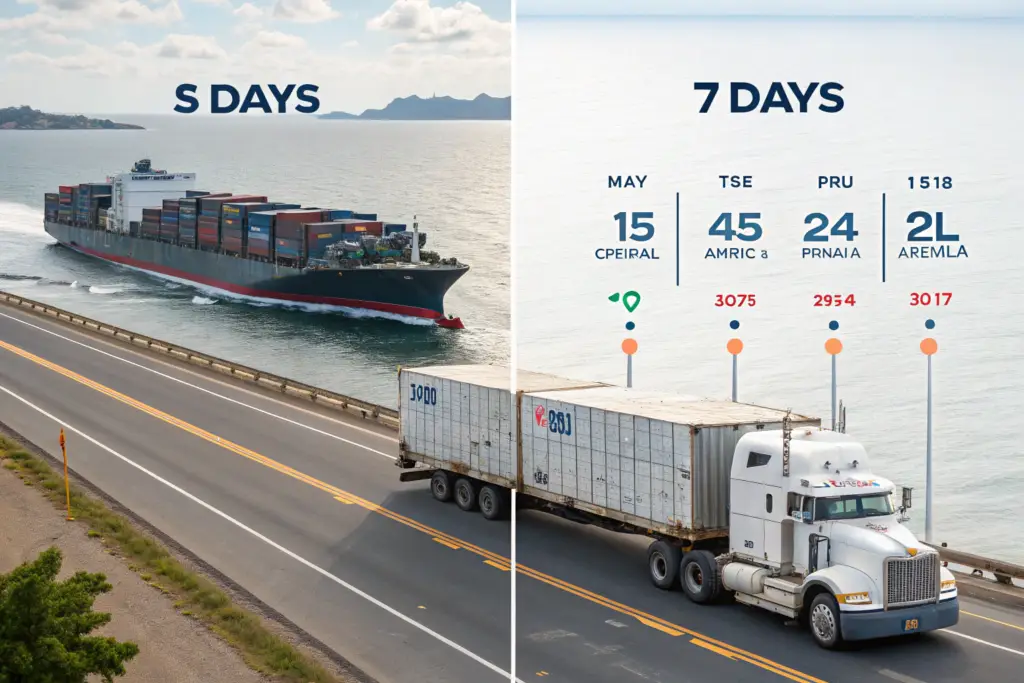
Consider the difference between shipping from Asia to the U.S. West Coast versus from Central America. Ocean freight from Asia can take 30+ days on the water, plus port handling and inland rail/trucking. Air freight is prohibitively expensive for bulk orders. Production in a facility in, for example, Nicaragua or Guatemala can reach a U.S. distribution center via truck in under a week. For a core basic product with steady demand, you can place a larger, cost-effective bulk order from your Asian base. For a new, trend-driven style, you can produce a smaller, test batch quickly in your near-shore base to catch the trend. This hybrid model is a game-changer for inventory management.
How does order splitting enhance responsiveness?
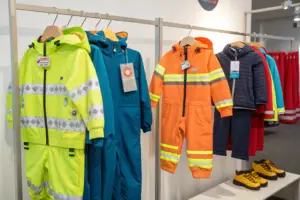
A global factory partner can intelligently split a single purchase order across its bases based on capacity, specialization, and logistics optimization. For instance, a complex outerwear piece requiring specialized technical fabrics might be best produced at the main R&D center in China. The basic accompanying knitwear (like branded t-shirts) can be produced simultaneously in a Southeast Asian base for cost efficiency. Both shipments are then consolidated or sent directly to your destination under one commercial invoice. This parallel processing shaves weeks off the total production timeline compared to doing everything sequentially in one place. We executed this for a U.S. activewear brand last fall. The high-tech jackets were made at our main facility, while the matching leggings were produced at our partner plant. Both lines arrived at their warehouse within days of each other, allowing for a coordinated product launch.
How does this model optimize total landed cost?
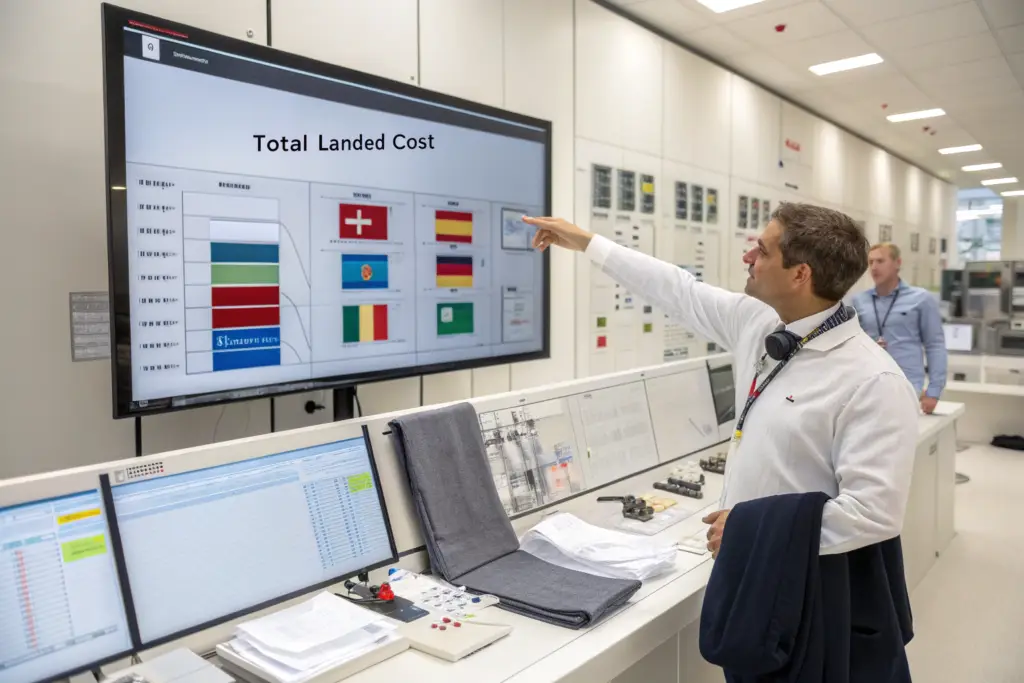
The true cost of goods isn't just the factory's FOB price. It's the total landed cost—the sum of the product cost, shipping, insurance, duties, tariffs, and handling fees all the way to your warehouse. A factory with a global network gives you the data and options to minimize this total figure, not just one component of it.
By analyzing your order profile and destination, a global manufacturer can recommend the most cost-effective production base to minimize your total landed cost. This calculation balances labor costs, material sourcing, freight expenses, and most importantly, applicable duty rates, which can be the largest variable cost.
How do duty rates influence the optimal production location?
Duty rates are a major factor. Countries have different trade agreements with your target market. For example, exporting to the European Union from Bangladesh often benefits from Generalized System of Preferences (GSP) status, meaning zero duty on many categories. Exporting the same product from China may incur a standard 12% duty. A savvy manufacturer will guide you: "For your volume and product type, producing this order in our Vietnam facility will save you 8% in tariffs for the U.S. market, which more than offsets the slightly higher unit cost compared to China." They manage the complex rules of origin certification to ensure you legally qualify for these benefits.
Can it reduce freight and inventory holding costs?
Absolutely. Near-shoring not only speeds delivery but often reduces freight costs per unit for regional shipping. More importantly, the ability to replenish stock faster means you can operate with a lower safety stock level in your home country. You don't need to tie up as much capital in inventory sitting on a ship or in a warehouse for months. This improves cash flow and reduces the risk of deadstock. See the simplified comparison below:
| Cost Factor | Single Base (Asia) | Dual Base (Asia + Americas) | Benefit |
|---|---|---|---|
| Ocean Freight | High (Long Distance) | Lower for Americas-base orders | Cost Saving |
| Transit Time | 30-45 days | 7-10 days (Americas) | Faster cash conversion |
| Duty Rates | Subject to standard tariffs | Potential for preferential (e.g., CAFTA-DR) | Significant saving |
| Inventory Buffer | Large safety stock required | Reduced safety stock possible | Lower holding cost |
What should you look for in a globally networked factory?
Not all factories with multiple locations offer true integrated benefits. Some are merely a group of independent entities under a holding company. The key is to find a partner where the network is managed cohesively, with shared standards and centralized communication, giving you a single point of control.
You need a manufacturer with unified quality control and production standards across all bases, a centralized customer service and project management team, and transparent, verifiable proof of their operational control in each claimed location. This ensures consistency and reliability, no matter where your order is produced.
How to verify true integration and control?
Ask direct questions and request evidence:
- "Who is my single point of contact if my order is split between two of your bases?" The answer should be one dedicated project manager.
- "Can you share your internal audit reports showing how you maintain consistent quality assurance processes across different factories?" Look for ISO or similar standardized certifications across sites.
- "Can I visit any of your production bases under the same terms?" A confident yes indicates real operational control.
- "Can you provide a case study where you moved production mid-stream from one base to another for a client?" This proves operational flexibility.
Why is centralized communication a deal-breaker?
Efficient communication is often the biggest pain point in global sourcing. Dealing with different sales reps, time zones, and languages for different product lines is inefficient and error-prone. A manufacturer like Shanghai Fumao, which operates a centralized hub for client management, means you communicate with one team that has full visibility and authority over the entire network. This eliminates the inefficiency and ensures accountability. When you have a question about your order being sewn in Indonesia and printed in Mexico, you get one coherent answer, not a game of telephone between two separate suppliers.
Conclusion
In today's unpredictable trade environment, sourcing agility is not a luxury—it's a necessity for survival and growth. Partnering with a clothing manufacturer with a genuine global production network is a strategic move that hardens your supply chain against disruptions, accelerates your time to market, and optimizes your total cost structure. It transforms logistics from a passive, reactive function into a proactive competitive advantage.
If your current sourcing model feels rigid and risky, it's time to explore a more resilient approach. Our integrated global network at Shanghai Fumao is designed to provide precisely these benefits. We offer the cost-effectiveness of Asian manufacturing combined with the agility of near-shore options, all managed through a single, responsive point of contact. To discuss how we can build a flexible, multi-origin production plan for your brand, contact our Business Director, Elaine, at elaine@fumaoclothing.com. Let's make your supply chain your strength.