I still remember the panic in the voice of the Portland-based sustainable brand owner who called me last spring. "My organic cotton supplier just canceled, and I have a major retail commitment in 90 days!" They'd assumed eco-friendly fabrics had similar lead times to conventional materials. We managed to source GOTS-certified organic cotton within 21 days, but the experience taught me how crucial it is to understand the unique timeline challenges of sustainable sourcing.
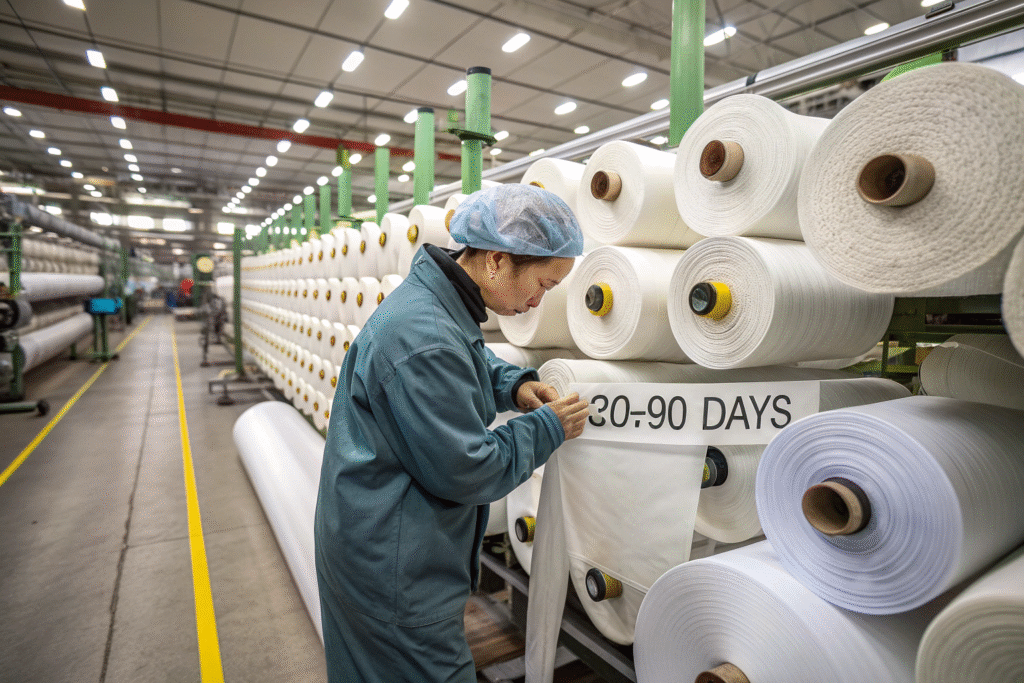
Eco-friendly fabric orders typically require 25-50% longer lead times than conventional fabrics, with standard deliveries ranging from 30-90 days depending on certification requirements, fiber type, and order quantity. This extended timeline reflects the more complex sourcing, stricter verification processes, and limited production capacity that characterize the sustainable textile market. Understanding these variables is essential for planning collections that align with both your values and your business requirements.
The journey of sustainable fabrics from field to finished material involves multiple verification steps that conventional fabrics skip entirely. Let me break down what actually happens during those extra weeks and how you can navigate these timelines effectively.
What factors determine eco-fabric production time?
The timeline for eco-friendly fabrics isn't arbitrary—it's dictated by verifiable supply chains, certification processes, and specialized manufacturing requirements that ensure authenticity from field to fabric.
Key factors include certification verification (7-21 days), raw material availability (15-45 days), minimum order quantities (affecting production scheduling), and specialized processing requirements. At Shanghai Fumao, we recently helped a German sportswear brand navigate a 67-day lead time for recycled polyester made from ocean plastic—not because the manufacturing was slower, but because tracing the material back to its source and verifying the recycling claims added 3 weeks to the process. This transparency, while time-consuming, provided the brand with marketing assets that justified the extended timeline.
How do certification requirements impact scheduling?
Third-party certifications like GOTS (Global Organic Textile Standard), OEKO-TEX, and GRS (Global Recycled Standard) require thorough documentation review, facility audits, and batch testing that add 2-4 weeks to standard fabric production. Each certification maintains specific requirements for tracking materials through every production stage. The Textile Exchange reports that GOTS certification alone typically adds 15-25 days to fabric lead times due to documentation requirements and mandatory separation of certified versus non-certified materials throughout production.
Why does raw material sourcing take longer?
Sustainable raw materials often have constrained supply chains with limited planting cycles, collection infrastructure challenges, or specialized processing requirements. Organic cotton, for instance, represents less than 1% of global cotton production, creating natural supply constraints. Recycled materials require additional steps for collection, sorting, and processing before they even reach the spinning stage. The table below shows how different sustainable fibers impact lead times:
| Fiber Type | Additional Time vs Conventional | Primary Reasons |
|---|---|---|
| Organic Cotton | 20-35 days | Limited harvests, certification |
| Recycled Polyester | 15-30 days | Collection, sorting, processing |
| Linen/Hemp | 10-20 days | Seasonal availability |
| TENCEL™ Lyocell | 15-25 days | Closed-loop process complexity |
| Recycled Wool | 25-40 days | Sorting, deconstruction, blending |
How do different eco-fabrics compare in production time?
Not all sustainable materials share identical lead times—understanding the spectrum helps you make informed decisions that balance your sustainability goals with your production calendar.
Lead times vary significantly based on fiber origin, processing complexity, and certification requirements. In our experience at Shanghai Fumao, GOTS-certified organic cotton typically requires 45-60 days, recycled polyester 35-50 days, linen 30-45 days, and specialized materials like pineapple leather or mushroom-based fabrics can extend to 90-120 days. A Scandinavian brand we worked with last quarter optimized their timeline by combining GOTS organic cotton (55 days) with OCS-certified materials (40 days) across different products in their collection, achieving their sustainability goals while maintaining a manageable production schedule.
What are the fastest eco-friendly options?
Some sustainable materials offer relatively shorter lead times. OCS (Organic Content Standard) certified fabrics typically process 7-10 days faster than GOTS equivalents due to less comprehensive requirements. Certain recycled polyesters from established suppliers with pre-certified materials can ship in 30-35 days. We maintain a selection of pre-certified sustainable fabrics in our Shanghai Fumao inventory that can reduce lead times to 15-20 days for clients needing quick turns on smaller quantities.
Which materials require the longest planning?
Highly specialized sustainable materials demand particularly extended timelines. Plant-based alternatives like orange fiber, apple leather, and coffee ground textiles often require 75-90 days due to limited production capacity and complex processing. Bio-based polymers and closed-loop cellulosic fibers like TENCEL™ Lyocell typically need 60-70 days because of their sophisticated manufacturing processes. A luxury brand we partner with plans their collections 9 months in advance specifically to accommodate the 85-day lead times for their signature seaweed-blended fabric.
Can you accelerate eco-fabric sourcing without compromising integrity?
While sustainable fabrics inherently require more time, strategic approaches can optimize your timeline without sacrificing the environmental credentials that justify the extended wait.
Acceleration strategies include working with pre-certified mill partners, planning around natural harvest cycles, leveraging manufacturer relationships, and implementing flexible design approaches. At Shanghai Fumao, we've developed a sustainable fabric forecasting system that anticipates our clients' needs based on their historical orders and seasonal patterns. This allowed us to pre-order GOTS-certified organic cotton for a California-based ethical brand 60 days before their formal purchase order, cutting their effective lead time from 55 to 25 days when they confirmed their seasonal collection.
How does advance planning impact availability?
Planning 6-9 months ahead for sustainable collections provides access to better availability and more favorable pricing. Organic cotton, for instance, follows annual harvest cycles—factories that plan around these natural rhythms secure better positions in production queues. We advise our partners to place forward orders for core sustainable materials 3-4 months before their production dates. This approach helped a UK retailer secure their entire annual requirement of recycled polyester at a fixed price while competitors faced both extended lead times and price increases during peak season.
What role do manufacturer relationships play?
Established manufacturers with strong mill relationships can navigate sustainable fabric shortages more effectively. Our long-term partnerships with certified mills mean Shanghai Fumao often receives allocation priority during constrained markets. When recycled polyester shortages hit last year, our standing as a consistent buyer with multiple GRS-certified mills ensured continuous supply for our partners while other brands faced 4-6 week extensions. These relationships effectively function as timeline insurance for sustainable production.
What are the risks of rushing eco-fabric production?
Attempting to accelerate sustainable fabric sourcing beyond natural limits often compromises the very integrity that makes these materials valuable, creating legal, reputational, and quality risks.
Rushing typically leads to certification shortcuts, material substitution without proper disclosure, quality inconsistencies, and supply chain opacity. We've seen brands encounter serious issues when pushing for unrealistic timelines—a Canadian activewear company once received "organic cotton" that turned out to be conventional cotton with questionable documentation, costing them a key retail partnership. The investigation revealed their previous manufacturer had succumbed to timeline pressure and bypassed verification steps.

How can verification be compromised under time pressure?
The most common compromises include reduced testing frequency, abbreviated documentation review, and relaxed traceability requirements. Certifying bodies like Control Union and Ecocert have strict audit requirements that cannot be truncated without jeopardizing certification validity. When a European brand demanded 30-day turnaround on GOTS-certified fabric last year, we transparently explained that the certification body alone required 10-12 days for documentation review—attempting to bypass this would invalidate the certification entirely.
What are the consequences of inadequate due diligence?
Insufficient verification can lead to legal liability for false sustainability claims, reputational damage from greenwashing accusations, and financial losses from rejected shipments. Regulatory bodies like the Federal Trade Commission have increasingly focused on punishing false environmental claims in fashion. Beyond legal consequences, consumer trust once lost is difficult to regain—a study by the Harvard Business Review found that brands exposed for false sustainability claims took an average of 3.5 years to recover consumer confidence.
Conclusion
Eco-friendly fabric orders inherently require longer lead times—typically 30-90 days—due to verification processes, limited raw material availability, and certification requirements. While these extended timelines present planning challenges, they represent the necessary investment in supply chain transparency and environmental responsibility that today's consumers demand. The brands that successfully navigate these timelines view them not as obstacles but as opportunities to build authentic sustainability stories that resonate with their customers.
If you're committed to sustainable manufacturing but concerned about managing extended lead times, we can help you develop a strategic approach. At Shanghai Fumao, we've helped hundreds of brands balance their environmental values with practical business requirements. Contact our Business Director Elaine at elaine@fumaoclothing.com to discuss how our sustainable sourcing expertise can help you plan collections that are both environmentally responsible and commercially viable.