The call came from a Chicago tech company on a Monday morning. They needed 500 branded polo shirts for a major conference happening in 18 days. "Our usual supplier says it's impossible," their event manager told me, panic evident in her voice. We delivered everything in 16 days by streamlining their logo approval process and using our in-stock garment program. That experience taught me that understanding custom apparel lead times isn't just about production—it's about the entire ecosystem from design to delivery.
Custom logo apparel typically requires 25-45 days from order confirmation to delivery, with the timeline heavily influenced by decoration method complexity, garment availability, and approval processes. Embroidery generally adds 5-8 days, while screen printing adds 3-5 days compared to undecorated garments. Understanding these variables helps brands plan realistic timelines for their branded merchandise programs.
The journey from logo file to finished custom apparel involves multiple stages where time can be saved or lost. Let me break down what actually happens during those weeks and how you can optimize each phase for faster turnaround.
What factors determine custom apparel production time?
Custom logo timelines are influenced by three primary variables: decoration complexity, garment sourcing, and approval processes. Understanding how each factor impacts your schedule helps set realistic expectations and identify acceleration opportunities.
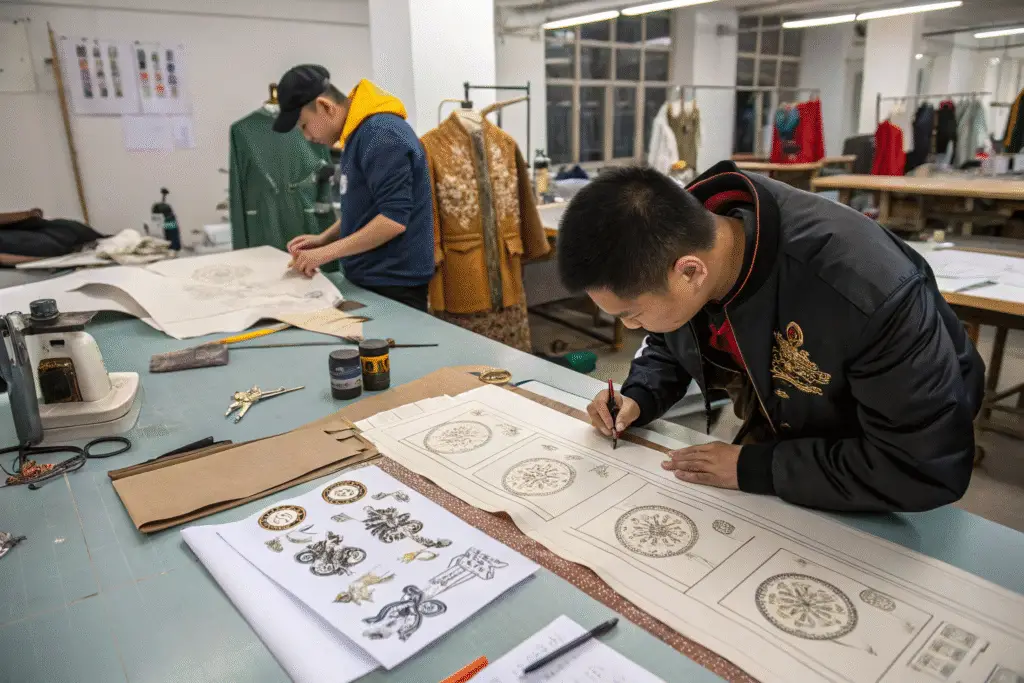
The key determinants include decoration method (embroidery vs printing), logo complexity and colors, garment availability (in-stock vs custom-made), and approval workflow efficiency. At Shanghai Fumao, we recently helped a San Francisco startup execute a 22-day turnaround for 300 embroidered jackets by using our in-stock garment program and implementing an express digitization process. Their logo required 12,000 stitches but our advanced embroidery machines could run at 1,200 stitches per minute, keeping the decoration time manageable despite the complex design.
How does decoration method impact timing?
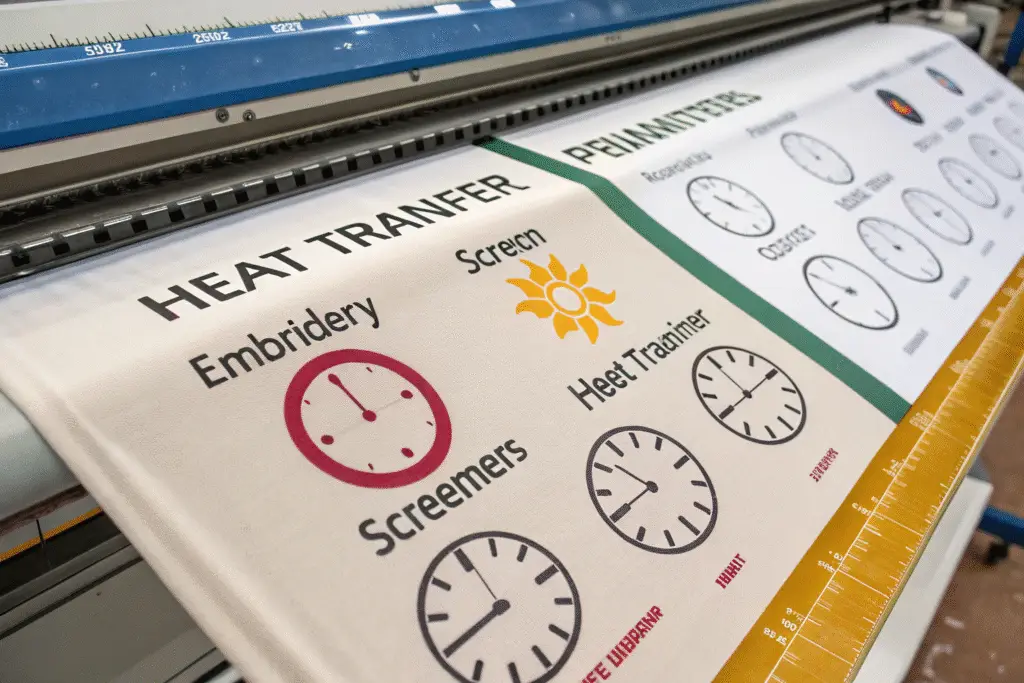
Different decoration techniques have significantly different time requirements. Embroidery typically requires 5-8 days for digitization, setup, and production, while screen printing needs 3-5 days for separation, screen making, and printing. Heat transfer applications generally take 2-4 days, and direct-to-garment printing requires 4-7 days for setup and curing. The table below compares common decoration methods:
| Decoration Method | Setup Time | Production Speed | Best For |
|---|---|---|---|
| Embroidery | 3-5 days | Medium | Corporate wear, high-end brands |
| Screen Printing | 2-3 days | Fast | Large quantities, simple designs |
| DTG Printing | 2-4 days | Slow | Complex designs, small quantities |
| Heat Transfer | 1-2 days | Fast | Mixed orders, quick turns |
| Patch Application | 2-3 days | Medium | Specialty looks, durability |
Why does garment availability matter so much?
Garment sourcing represents the largest variable in custom apparel timelines. In-stock items can ship to decoration facilities within 2-3 days, while custom-made garments require 15-30 days for manufacturing. Our in-stock program at Shanghai Fumao maintains inventory of 50+ popular styles across multiple colors and sizes, which helped a New York financial firm execute an emergency order of 200 polo shirts in just 11 days when they unexpectedly won a major client. The garments were already in our warehouse, eliminating the 18-day manufacturing time typically required for custom-colored polos.
How can you accelerate custom apparel production?
Strategic planning and smart choices can significantly compress custom apparel timelines without sacrificing quality. The most effective approaches involve preparation, simplification, and leveraging manufacturer capabilities.
Acceleration strategies include using in-stock garments, simplifying logo designs, pre-approving colors and fabrics, and establishing efficient approval workflows. We've developed a rapid customization system at Shanghai Fumao that can deliver basic embroidered tees in as little as 12 days for emergency orders. This system works by maintaining blank garment inventory, having pre-set thread colors always available, and using standardized approval templates that reduce back-and-forth. A Seattle tech company used this system to execute three separate emergency orders last quarter, with their fastest turnaround being 300 printed hoodies in 14 days for a last-minute team event.
What preparation saves the most time?
Advance preparation creates significant time savings when urgent orders arise. Maintaining digitized logo files in multiple formats, pre-approving garment styles and colors, and establishing standing decoration specifications can reduce timeline by 5-8 days. We encourage our partners to create a "brand kit" in our system that includes their PMS colors, approved garment styles, and logo usage guidelines. When an Australian university needed 1,500 graduation gifts with just 21 days notice, their pre-approved materials allowed us to begin production immediately, saving 7 days that would normally be spent on approvals.
How does logo complexity affect production speed?
Simple logos with fewer colors and clean lines process significantly faster than complex, multi-color designs with fine details. Embroidery digitization for a simple 2-color logo typically requires 1-2 days, while complex 8-color designs with fine details need 3-4 days for proper digitization. Screen printing setup follows a similar pattern—each additional color adds approximately 4-6 hours of screen preparation time. We helped a Miami hotel group simplify their logo for embroidery applications by reducing stitch count by 40% while maintaining brand recognition, cutting their typical decoration time by 2 days per order.
What are realistic timelines for different order types?
Custom apparel lead times vary dramatically based on order size, decoration complexity, and garment type. Understanding these variations helps plan appropriate timelines for different scenarios.
Standard timelines range from 15-25 days for simple in-stock items with basic decoration to 35-50 days for custom-manufactured garments with complex multi-location branding. At Shanghai Fumao, we categorize orders into three timing tiers: express (12-18 days) for in-stock garments with simple decoration, standard (25-35 days) for mixed orders with moderate complexity, and extended (40-50 days) for fully custom programs requiring garment manufacturing and complex decoration. This tiered system helped a European retail chain plan their seasonal staff uniform refresh with precision, allocating appropriate timelines for each store location based on their specific requirements.
How does order quantity impact production speed?
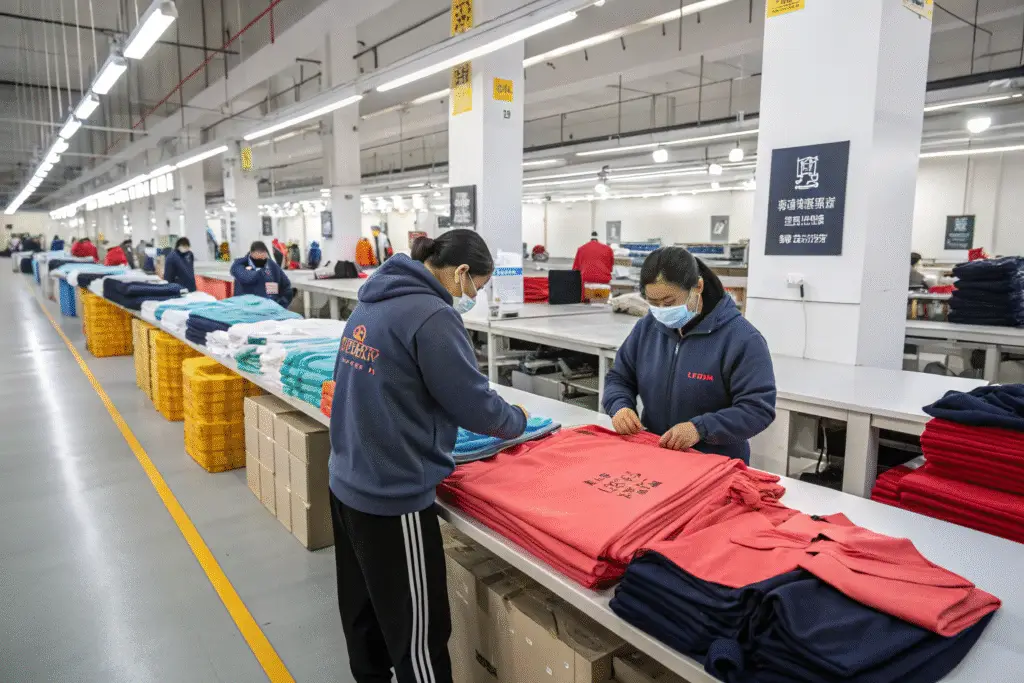
Order size affects timing non-linearly—small orders (under 100 pieces) often process faster due to simpler logistics, while medium orders (100-500 pieces) hit optimal production efficiency. Very large orders (1,000+ pieces) may require additional time for capacity allocation and quality control. Our production data shows that the sweet spot for efficiency is 250-500 units, where decoration setups are amortized across sufficient quantity while logistics remain manageable. A Canadian healthcare provider standardized on 300-unit orders for their facility uniforms after discovering this quantity balanced their inventory needs with our 28-day production capability.
What causes the biggest timeline surprises?
The most common timeline surprises come from approval delays, artwork issues, and unexpected quality holds. Artwork supplied in low-resolution formats typically adds 2-3 days for recreation, while last-minute design changes after production has begun can add 5-7 days. Color matching disagreements account for approximately 30% of timeline extensions in our experience. We've implemented a digital approval system with built-in color calibration that has reduced color-related delays by 70% by ensuring all stakeholders see accurate representations before production begins.
How does supplier selection impact lead times?
Your manufacturer's capabilities, systems, and experience dramatically influence achievable lead times for custom apparel. The right partner can compress timelines through efficiency and preparedness.
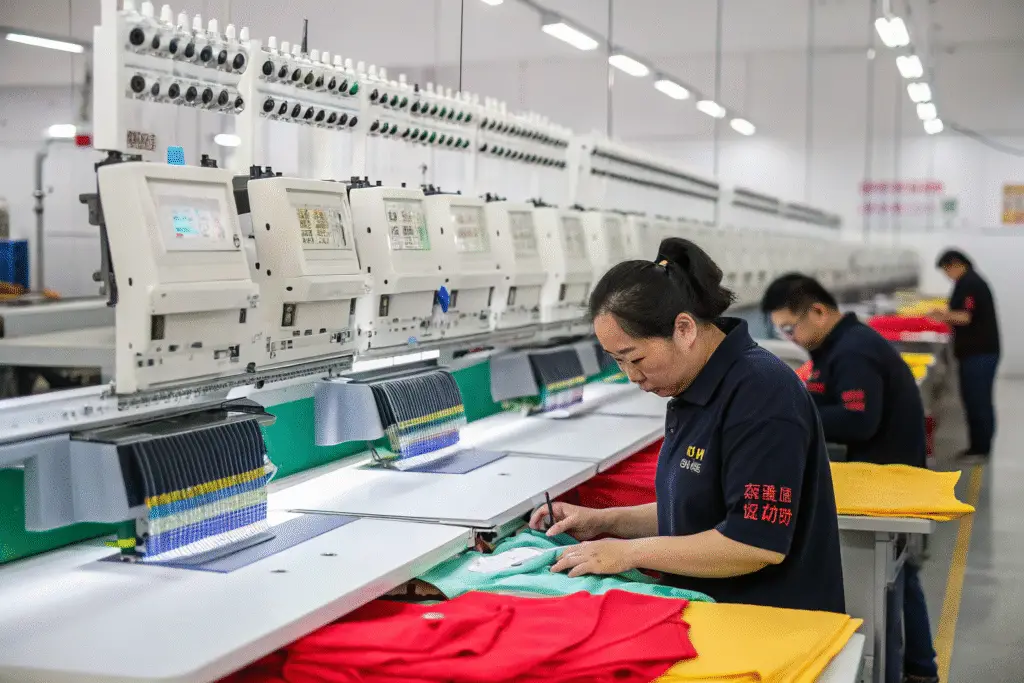
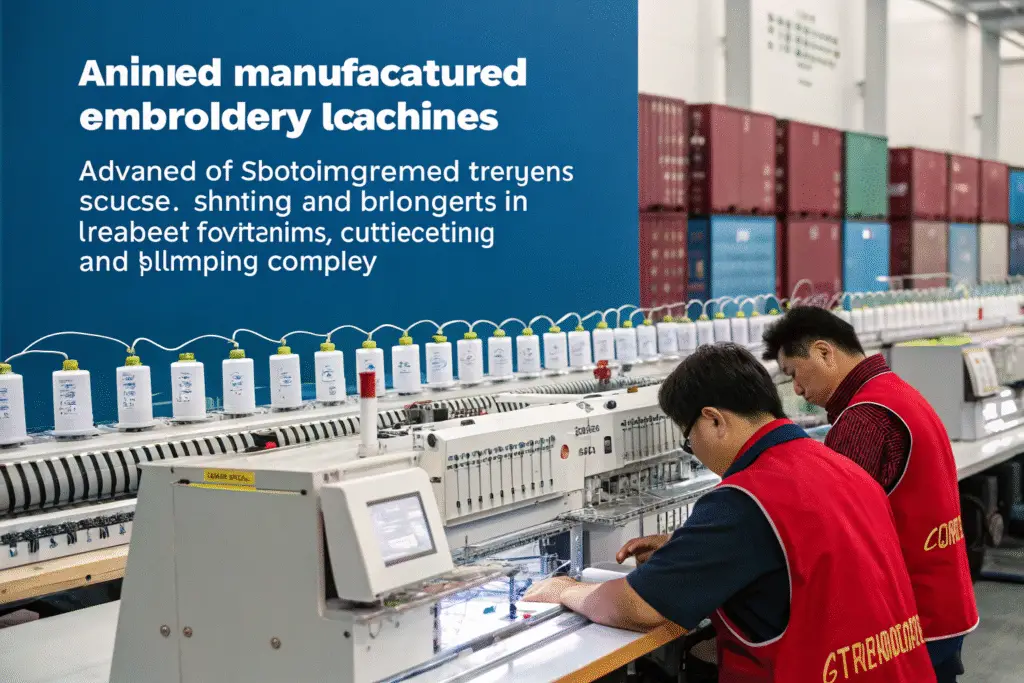
Key supplier differentiators include in-stock garment programs, digitization capabilities, production capacity, and logistics partnerships. Shanghai Fumao's investment in automated embroidery machines with 15-head capacity allows us to complete embroidery orders 40% faster than facilities with older 6-head machines. Our relationships with major shipping carriers provide priority access during peak seasons, preventing the 5-10 day shipping delays that often affect smaller operations. A Dallas-based corporate gifting company switched to us specifically for our consistent 28-day turnaround during holiday seasons when their previous supplier's timelines stretched to 45+ days.
What capabilities should you look for in a supplier?
Prioritize suppliers with comprehensive in-house services, advanced equipment, and systematic processes. Facilities handling both garment manufacturing and decoration typically offer 7-10 day shorter lead times than those outsourcing either function. Digital workflow systems that provide real-time order tracking prevent the 2-3 day delays that often occur when checking order status through traditional communication channels. Our clients particularly value our online portal that shows exactly which production stage their order is in, eliminating the need for status-check emails that typically consume 1-2 days per order in back-and-forth communication.
How can supplier experience compress timelines?
Seasoned manufacturers anticipate common bottlenecks and have solutions pre-prepared. Our team at Shanghai Fumao has developed workarounds for hundreds of specific scenarios—from thread color substitutions when specific shades are backordered to alternative stitch techniques when fabrics prove challenging. This repository of solutions helped a London fashion brand execute complex collar embroidery on a delicate silk-blend fabric that their previous manufacturer had declared impossible, saving the design from being abandoned after weeks of development effort.
Conclusion
Custom logo apparel lead times typically span 25-45 days, with significant opportunities to accelerate through strategic planning, simplification, and partnership with an experienced manufacturer. The most successful brands treat their custom apparel programs as integrated systems rather than isolated orders, building relationships and processes that support both planned initiatives and unexpected opportunities.
If you're looking to optimize your custom apparel timeline while maintaining quality standards, we have the systems and expertise to help. At Shanghai Fumao, we've helped hundreds of brands navigate the balance between speed and customization. Contact our Business Director Elaine at elaine@fumaoclothing.com to discuss how our custom apparel solutions can meet your timing requirements while delivering the quality your brand deserves.