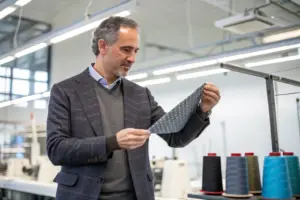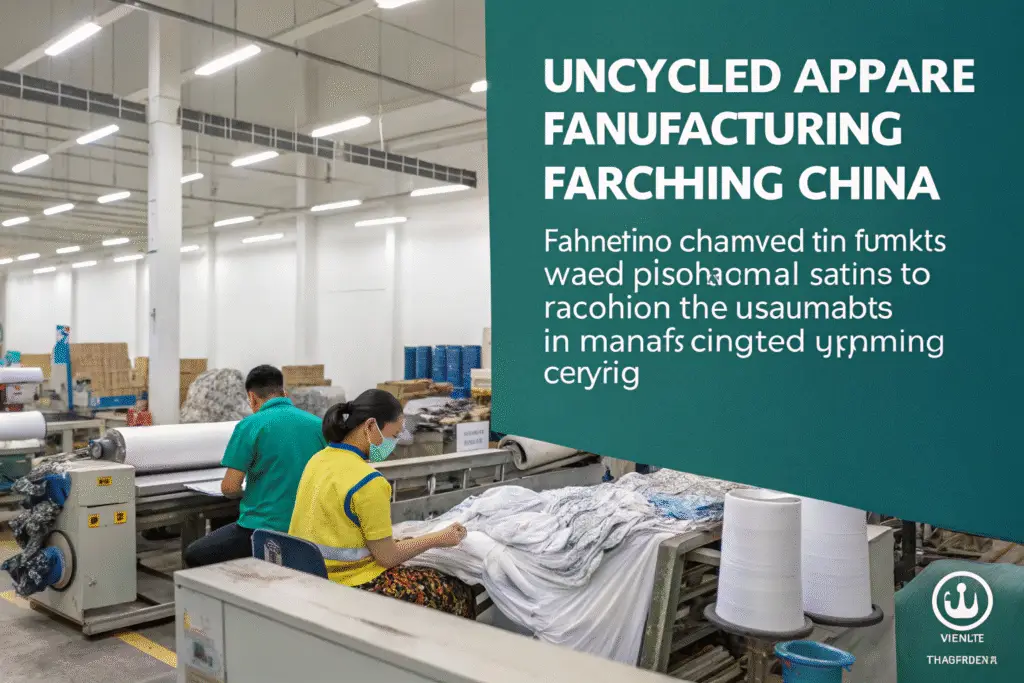
Upcycled apparel manufacturing is no longer a niche—it’s reshaping the future of fashion. With rising concerns over fast fashion’s environmental cost and increasing demand for sustainable solutions, brands are turning waste into value. At Fumao Clothing, we’ve witnessed firsthand how U.S. buyers now expect eco-conscious production methods alongside attractive pricing.
Upcycled apparel trends in 2025 focus on transforming post-consumer and post-industrial waste into stylish, market-ready garments using innovative sorting, dyeing, and remanufacturing methods. This trend is driven by both sustainability goals and market-savvy positioning.
Buyers like Ron from the U.S., who rebrand imports for profit, now look beyond just price—they want ethical sourcing, unique value, and trust. This article breaks down what’s new in upcycled manufacturing and how your brand can ride the wave to competitive advantage.
What Are the Most In-Demand Upcycled Materials?
The textile waste problem has created opportunity. Post-consumer clothing and post-industrial scraps have become the raw gold of upcycled fashion.
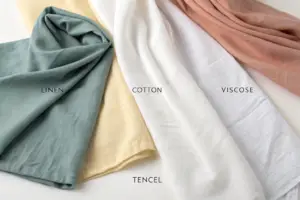
Denim, organic cotton, wool, and synthetic blends made from plastic bottles or leftover yardage are now top picks for brands focusing on sustainability.
Why Is Reclaimed Denim So Popular?
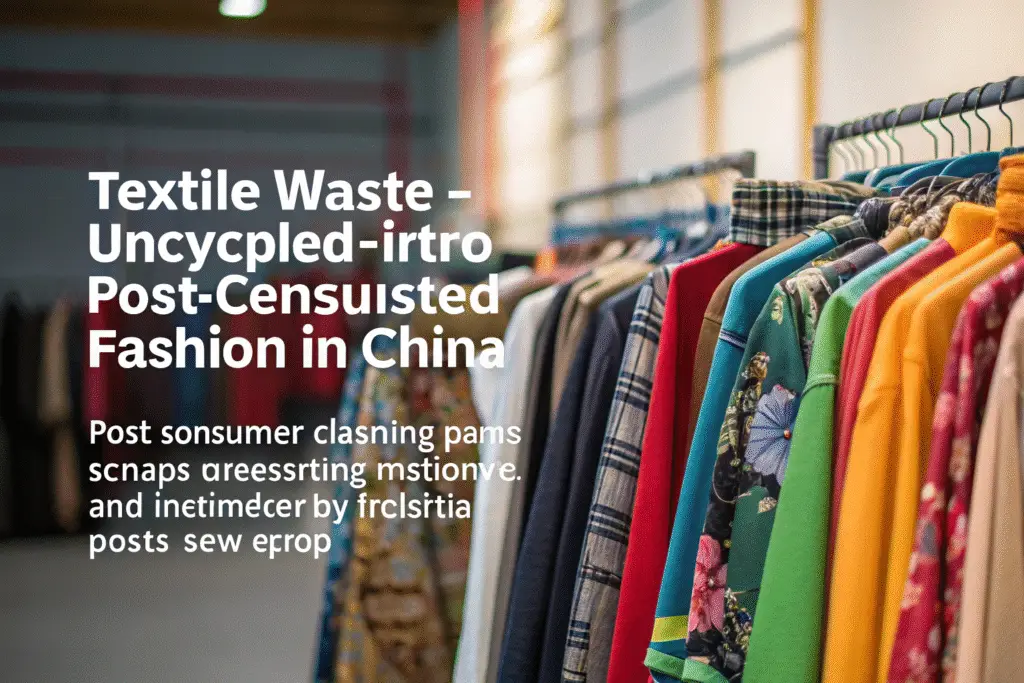
Reclaimed denim leads the pack for multiple reasons. It's durable, trendy, and easy to repurpose into jackets, shorts, or patchwork styles. Brands like RE/DONE and Levi’s Wellthread have brought mainstream appeal to reworked denim. The fabric’s weight and texture also hold up well during remanufacturing.
At Fumao Clothing, we source post-consumer denim from verified mills and apply enzyme washing and overdyeing to give it fresh life. It’s one of the most cost-efficient upcycling routes.
What About Knit and Cotton Scraps?
Knitwear and cotton scraps—often collected from factory floor waste—are also booming. Through mechanical fiber recovery, these scraps can be re-spun into yarn. Brands like Marine Layer use these methods to build their “Re-Spun” collection, proving circularity can also be commercially successful.
Our clients love how repurposed cotton reduces landfill burden and attracts eco-conscious shoppers with a strong brand narrative.
How Do Brands Ensure Quality with Upcycled Inputs?
The #1 concern among buyers is quality inconsistency. Upcycled inputs can vary in texture, shade, and strength.
Leading manufacturers now apply rigorous fiber sorting, digital quality control systems, and standardized testing protocols to stabilize product quality in upcycled fashion lines.
How Can Fabric Sorting Technology Help?
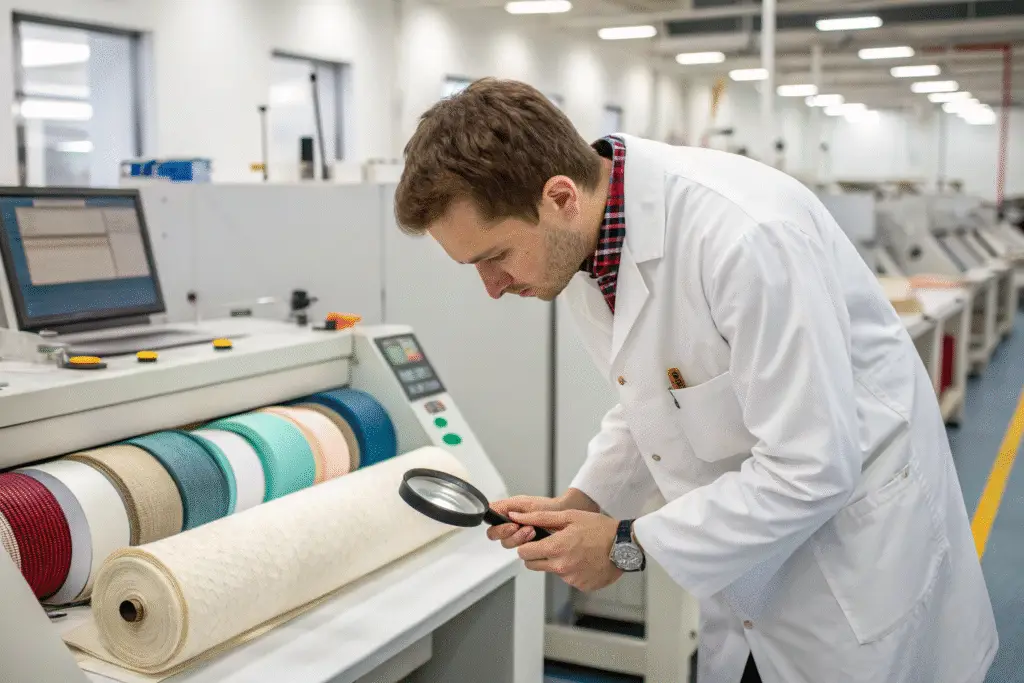
Automated fiber sorting systems are now common. Machines like Fibersort can categorize textiles by fiber composition at scale, reducing human error. This increases production predictability and speeds up the pre-processing phase for our clients.
At Fumao, we’ve partnered with domestic Chinese mills that adopt AI-powered color sorting to help maintain dye uniformity.
What Testing Standards Are Applied?
Upcycled materials go through extra testing for tensile strength, pilling resistance, and shrinkage. Our QA team uses international benchmarks like ASTM D5034 and ISO 13934-1 to evaluate reclaimed fibers.
For U.S. buyers like Ron, we always provide lab results before mass production. This transparency helps avoid trust issues and builds long-term reliability.
What Are the Emerging Design Techniques in Upcycled Fashion?
Design is where upcycling becomes storytelling. From patchwork styles to zero-waste draping, upcycled fashion is setting trends, not just following them.
Modern techniques like modular design, color blocking with fabric remnants, and digital pattern adjustment make upcycled garments both stylish and scalable.
How Does Patchwork Gain Popularity?
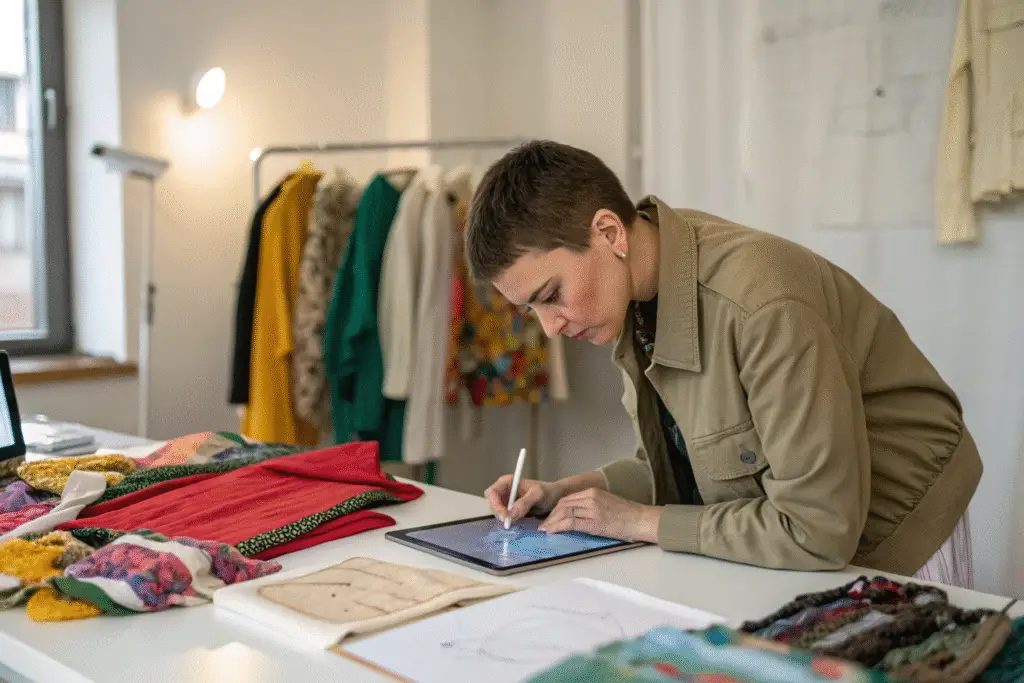
Patchwork lets us combine different reclaimed fabrics into eye-catching, one-of-a-kind pieces. Designers at BODE and The Reformation have made it a luxury feature.
At Fumao, we support brands by offering CAD templates to position fabric cuts creatively. Patchwork helps us use even the smallest fabric scraps.
What’s Modular Design and Why Is It Key?
Modular design breaks garments into interchangeable components. This allows us to use varying fabric sizes from upcycled batches efficiently. Brands can offer “build-your-look” collections with more SKUs from less fabric.
Tools like CLO 3D help simulate these modular ideas before a single cut is made. It’s sustainable, cost-effective, and a hit with boutique buyers in the U.S. who want unique inventory.
How Can U.S. Buyers Source Reliable Upcycled Apparel from China?
It’s not just about finding a supplier—it’s about finding the right partner who understands U.S. standards, timelines, and quality needs.
U.S. buyers are increasingly turning to certified Chinese manufacturers with experience in sustainability, transparency in sourcing, and full-package production capabilities.
What Certifications Should Buyers Check?
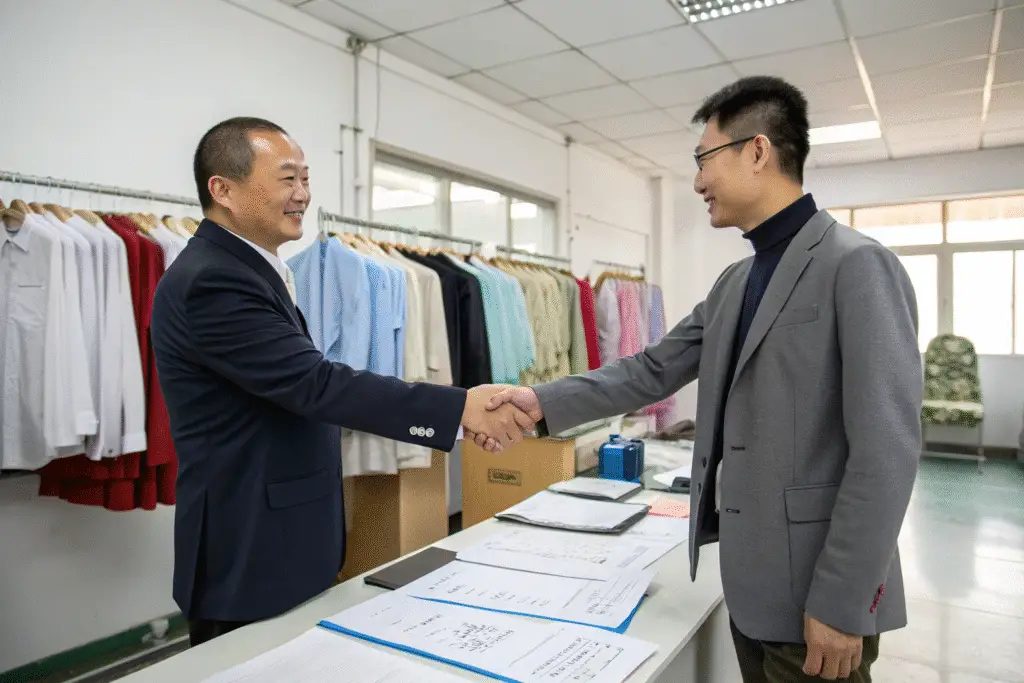
Ask for GRS (Global Recycled Standard), OEKO-TEX, and BSCI audits to validate sustainable practices. At Fumao Clothing, our upcycled projects are tracked from waste collection to final shipment using blockchain-backed tracking systems.
Buyers like Ron appreciate this because it proves authenticity and supports branding for sustainability-conscious end consumers.
How to Manage MOQ and Cost for Upcycled Items?
Upcycled apparel can have lower MOQs than virgin-fabric styles because many remnant fabrics come in small batches. We offer flexible production runs starting at 300 units for select styles.
To reduce costs, buyers can select from our pre-developed fabric libraries and adjust tech packs instead of starting from scratch. This hybrid model saves both time and budget.
Conclusion
Upcycled apparel manufacturing is transforming how we think about fashion. It’s creative, cost-effective, and crucial for sustainable growth. For U.S. buyers aiming to boost their margins and reputation, sourcing from trusted Chinese manufacturers is now a strategic move. From selecting the right materials to ensuring quality and innovative design, upcycling is a game-changer—and we’re here to help you lead the charge.
If you're ready to launch your own upcycled apparel line, we’d love to help. Contact our Business Director Elaine at strong>elaine@fumaoclothing.com</strong and let’s build a sustainable success story together.