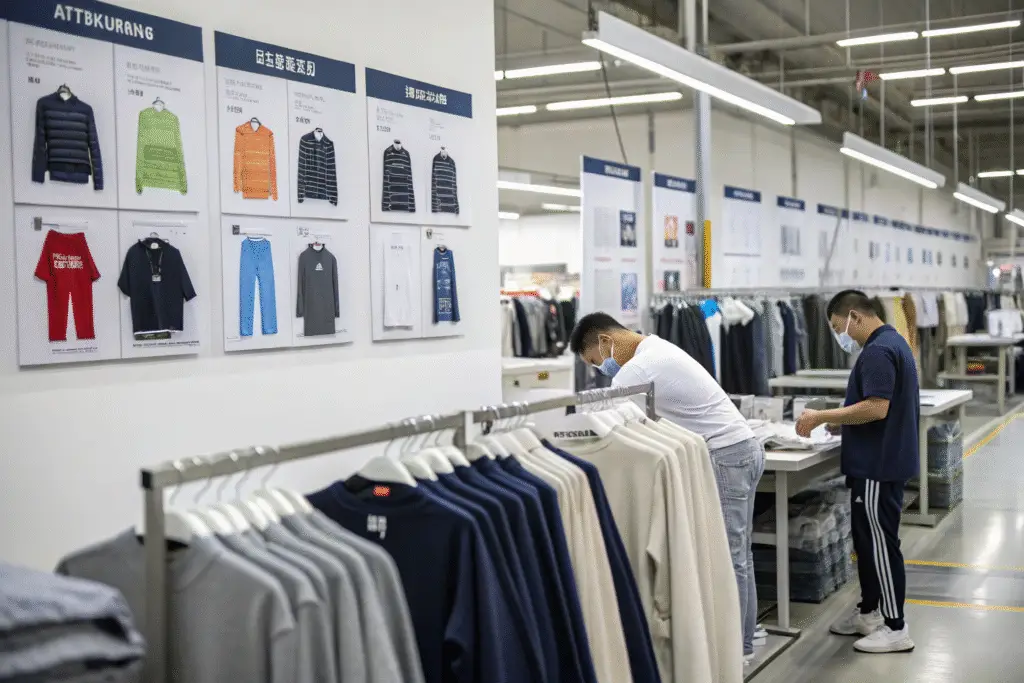
Men’s casual wear has undergone a dramatic shift in recent years. What was once limited to basic jeans and plain tees has evolved into a complex blend of comfort, tech integration, and fashion-forward silhouettes. As a China-based manufacturer working with global brands, we've observed a clear demand for relaxed cuts, sustainable materials, and functional detailing.
The latest trends in men’s casual wear manufacturing include oversized and boxy fits, sustainable fabrics, hybrid athleisure designs, minimalistic branding, and quick-turn production for influencer-driven launches.
In this guide, I’ll break down what buyers, designers, and sourcing managers need to know to stay ahead in the evolving men’s casual wear segment.
What Styles Are Dominating Men’s Casual Wear Right Now?
The definition of "casual" has expanded. Today’s men’s casual fashion blends lounge, streetwear, and light sport influences—all while favoring relaxed silhouettes and tonal color palettes.
Oversized shapes, dropped shoulders, wide-leg trousers, matching sets, and earthy or monochrome tones are defining current trends.

Why Are Oversized and Boxy Fits in High Demand?
The pandemic normalized comfort. Oversized fits continue to thrive as they offer both movement and style. Popular in Korean and Japanese streetwear, the look has gone global.
For references, visit Highsnobiety for weekly streetwear drops or COS to see minimalist oversized silhouettes in action.
What Are the Trending Garment Categories in 2025?
Key SKUs in demand include:
- Co-ord sets (matching joggers and tees)
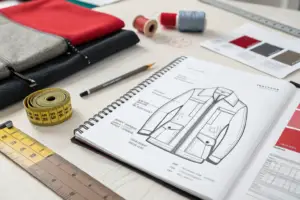
- Shackets (shirt-jacket hybrids)
- Half-zip sweatshirts
- Boxy-fit polos
- Utility cargo pants
Explore current runways at WGSN or retail trend breakdowns on Hypebeast.
How Are Sustainable Materials Reshaping Production?
With Gen Z and Millennials driving most streetwear and casual fashion purchases, sustainability isn’t optional—it’s expected. Brands are looking for eco-fabrics without sacrificing quality or hand feel.
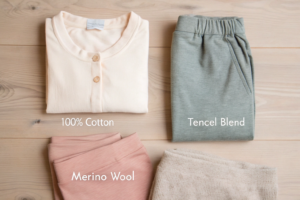
Popular materials now include organic cotton, recycled polyester (rPET), bamboo viscose, TENCEL™, and carbon-zero blends.

What Certifications Should Fabrics Have?
Look for:
- GOTS – Global Organic Textile Standard
- GRS – Global Recycled Standard
- OEKO-TEX® Standard 100 – Chemical safety
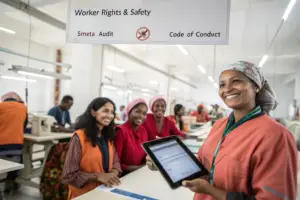
- BSCI / SEDEX – Social compliance for the factory
View more certification standards on Textile Exchange or download fabric test reports from Hohenstein.
Are Performance Fabrics Being Combined with Sustainability?
Yes. Brands want moisture-wicking, anti-microbial, and quick-dry properties embedded in eco-friendly bases. For example, recycled polyester with spandex offers stretch and durability for joggers.
Suppliers like Repreve and SAYA specialize in high-performance sustainable yarns. We often use their fabrics in casual activewear sets and lightweight jackets.
How Are Tech-Enabled and Functional Designs Changing Casualwear?
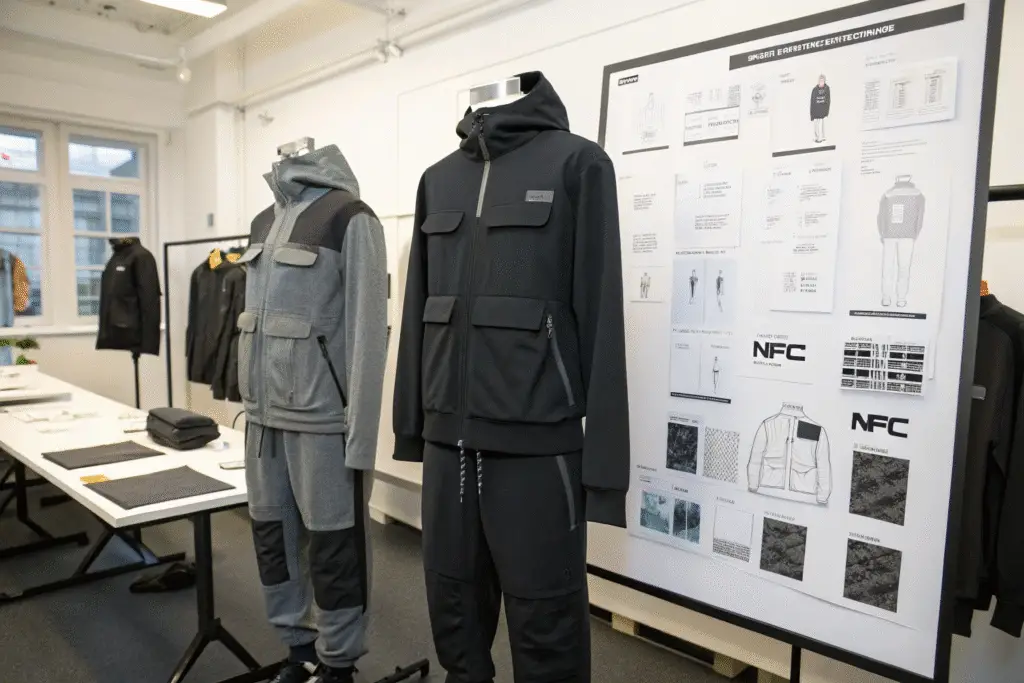
The rise of "techwear" and performance-driven fashion has pushed men’s casual wear toward functionality. Think urban garments with pockets, zips, stretch panels, and light weather resistance.
Buyers are now sourcing casual pieces with real utility: hidden compartments, wrinkle resistance, breathability, and minimal branding.
What Are Popular Functional Features in Men’s Casualwear?
In-demand features include:
- Stretch waistbands and adjustable cuffs
- Water-resistant coatings
- Laser-cut ventilation
- Reflective accents for nightwear
- RFID/NFC tags for smart retail
View examples from Veilance or explore modular design inspiration at Acronym.
Can Casualwear Be Integrated with Wearable Tech?
Yes. NFC tags for product authentication, app integration, or AR-linked content are being embedded in hoodies and tees. Fashion-tech startups like Eon Group and Blue Bite offer digital ID platforms.
Some buyers even request UV-reactive inks or fabrics that shift color under heat for niche drops and interactive experiences.
What Manufacturing Practices Support These Trends?
Meeting modern casualwear trends requires flexible and efficient manufacturing. Factories must support low-MOQ, high-style-variation orders with short lead times.
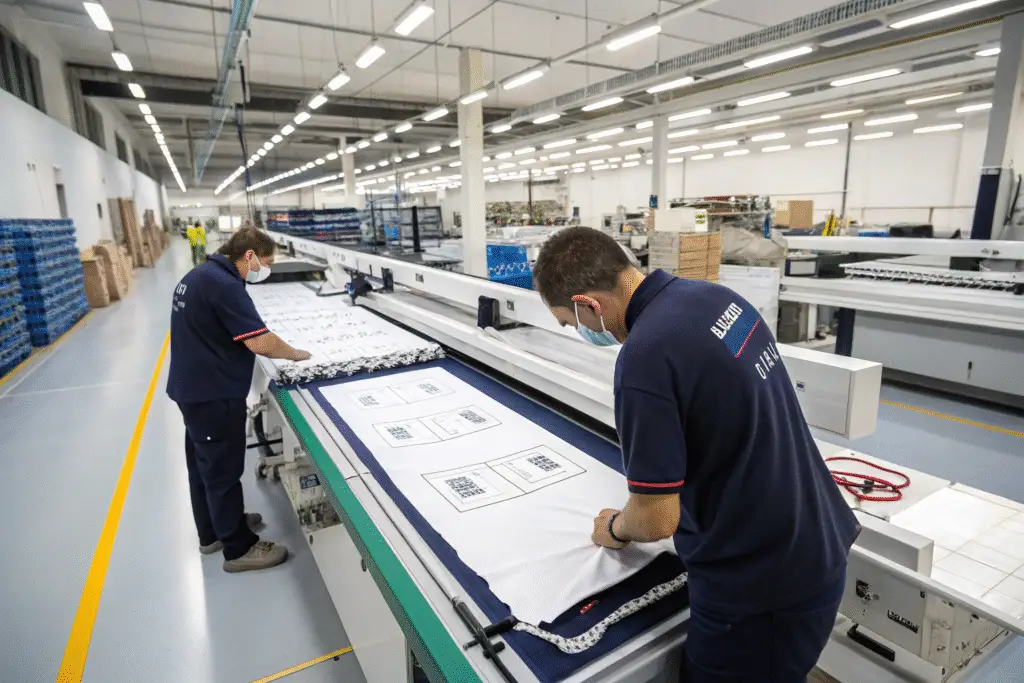
Best practices include digital patternmaking, lean assembly lines, 3D sampling, in-house embroidery, and DDP logistics support.
What Role Does 3D Sampling Play in Casualwear?
Brands are cutting weeks off their sampling cycle using 3D garment simulation. It helps visualize drape, fit, and color without producing physical samples.
Check tools like CLO 3D or Browzwear—widely used by Western brands to speed up development.
How Can Factories Improve MOQ and Lead Time?
Factories using automated cutting (e.g. Gerber or Lectra systems) and real-time order tracking are now offering 300–500 pcs/style MOQ with 15–25 day lead times.
Suppliers that operate vertically—handling fabric knitting, dyeing, sewing, and QC in-house—can also ensure better consistency. Learn more about lean apparel production at Sewport and Common Objective.
Conclusion
Men's casual wear manufacturing is evolving fast. Brands must keep up with relaxed fits, performance elements, eco-conscious fabrics, and faster turnaround cycles. What used to be just “basics” is now a highly competitive segment filled with demand for functionality, sustainability, and cultural relevance.
At Fumao Clothing, we specialize in helping brands create custom men’s casual wear collections that reflect these shifts. From oversized tees to tech fleece joggers, we support everything from material sourcing to small-batch DDP shipping.
Let us help you build men’s fashion that’s casual—but never basic.