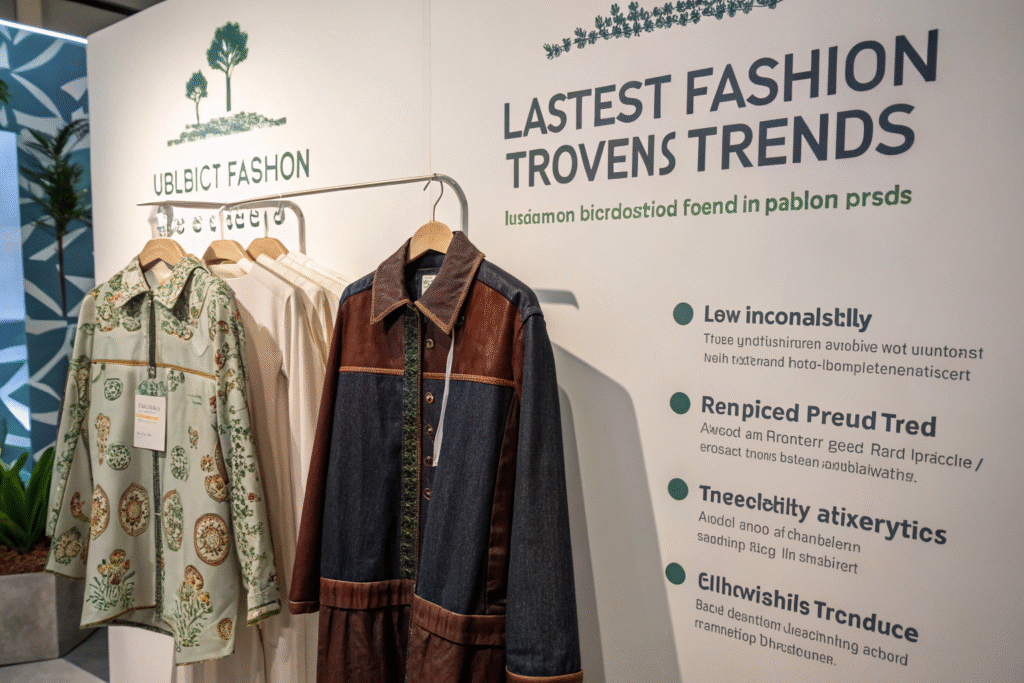
Keeping up with trends—it's crucial, really. For any apparel brand wanting to stay relevant. But today's market? It's not just about looks anymore. It's deeper than that. Many brands are now asking us, practically demanding to know: what are the latest trends in eco-friendly clothing trims? How can they make their collections better, more appealing to the conscious consumer?
The latest trends, to be perfectly honest, they focus on innovation. Sustainable materials, ethical production—that's the core of it. We're talking trims from recycled materials, plant-based alternatives, low-impact dyes. And traceability... personally I think that's becoming non-negotiable. It's about ensuring every single component, not just the main fabric, aligns with your brand's sustainability story. This holistic approach—it's defining everything now.
Understanding these trends is just step one. Actually implementing them? That requires a partner. A manufacturing partner with real, proven expertise in sourcing and integrating these components. Let's just dive in, shall we? Into the specifics shaping our future.
What Are Recycled Material Trims? A Practical First Step.
Using trims from recycled materials—it's a powerful shift. It turns waste into value, honestly. Closing the loop in the fashion lifecycle. Brands adopting this? They're directly contributing to a circular economy. A strong selling point, actually, for today's savvy customers.
Recycled material trims. Think zippers, buttons, labels—all made from post-consumer or post-industrial waste. Recycled polyester (rPET), ocean-bound plastic... this approach drastically cuts reliance on virgin materials. It lowers the carbon footprint—significantly. A practical, visible commitment. One that resonates.
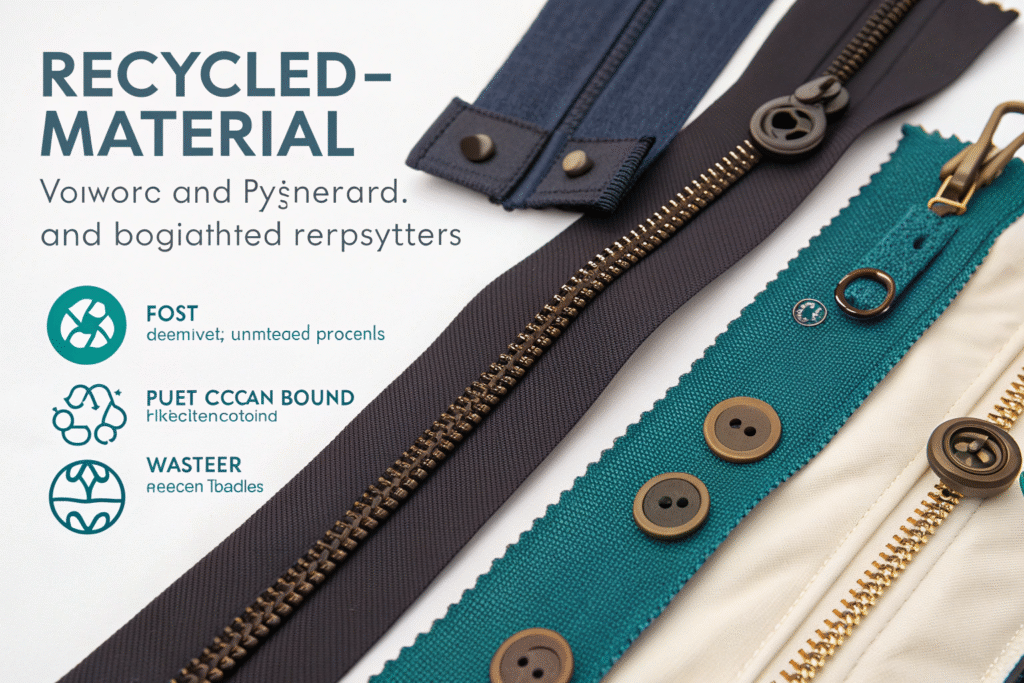
Why Choose rPET? Seriously, Why Wouldn't You?
Recycled Polyester, or rPET—it's leading the charge. Made from discarded bottles, diverting them from landfills. The quality now? On par with virgin polyester. No compromise on durability—none. Using rPET for elements like sewing threads or zipper tapes is a simple switch. An effective one. It offers the same strength, the same color fastness. A smart, eco-conscious choice. Personally, I think it's a no-brainer.
Recycled Metals—Enhancing Your Designs, Surprisingly.
Recycled metals are becoming the standard. For high-quality, sustainable hardware. Buttons, buckles, rivets—crafted from recycled brass or zinc. This reduces the need for mining—energy-intensive mining. The finishing, whether polished or antique, doesn't sacrifice their environmental credentials. It allows your brand to maintain that luxury feel. While adhering to sustainable practices. A clear demonstration, if you ask me, that style and responsibility can coexist.
Are Plant-Based Trims the Future? It Certainly Looks That Way.
Plant-based trims—they offer an alternative. A biodegradable, renewable one. As consumers learn more—about microplastics, resource depletion—materials from nature are gaining popularity. Fast. This trend taps into a desire. For products that return to the earth, safely.
Plant-based trims. Derived from nature—wood, corn, algae. Buttons from corozo nut, linings from Tencel™. These materials are sustainable, yes, but they also add something else. A unique, organic texture. A story. They provide a tangible link to nature. One that modern consumers find deeply appealing.
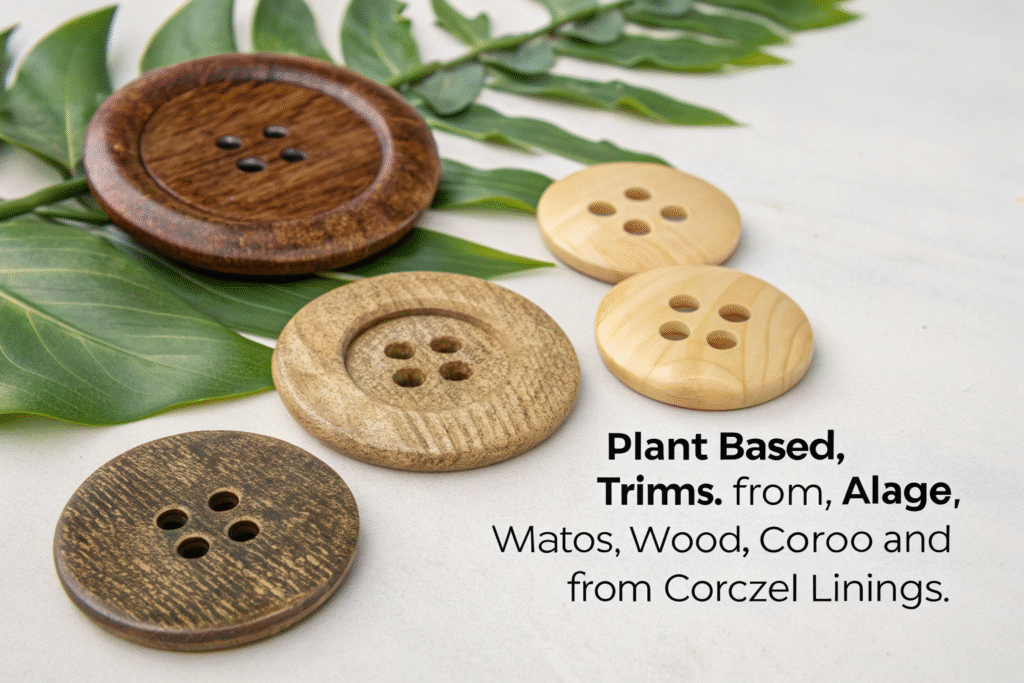
The Benefits of Corozo Nut Buttons—Unique, Honestly.
Corozo nut buttons—a premium, natural alternative to plastic. Sourced from the seeds of the tagua palm. Entirely natural. Entirely biodegradable. Each button has a unique grain—no two are alike. That adds an element of exclusive craftsmanship. To your garments. They're also highly durable. Resistant to scratching. Can be dyed in a wide range of colors. Choosing corozo? You support sustainable forestry. You offer a truly eco-luxury product. It's a win-win, actually.
How Tencel™ Lyocell Revolutionizes Linings—A Game Changer.
Tencel™ Lyocell—produced from sustainably sourced wood pulp. An ideal material for garment linings. Its closed-loop production process? It recycles water, reuses over 99% of the solvent. Exceptionally eco-friendly. For the wearer, linings from Tencel™ are incredibly smooth. Breathable. Moisture-absorbent. It enhances comfort—the final product's comfort. A superior sustainable fabric that elevates the interior feel. Aligning performance with planetary care. Honestly, it's revolutionary.
How Do Low-Impact Dyes Work? A Colorful Transformation.
The environmental impact of a trim—it isn't just the base material. It's the color, too. Conventional dyeing processes? Notoriously polluting. Using vast amounts of water, harsh chemicals. Low-impact dyes represent a shift. A significant one. Towards cleaner, more responsible coloration.
Low-impact dyes. Colorants that need less—less water, less energy, fewer chemicals. Often from natural sources, or synthetic dyes with high absorption rates. More dye bonds to the fiber; less pollutes the water. The result? Vibrant, long-lasting colors. For your trims. With a drastically reduced footprint. A critical step, to be honest, for a truly sustainable garment.
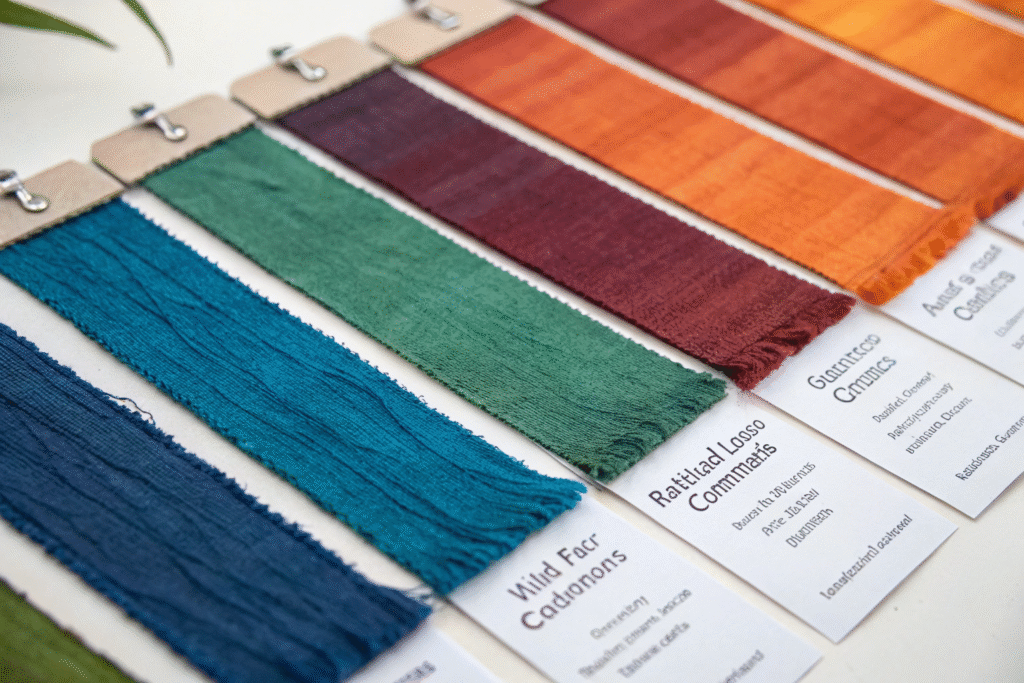
Natural vs. Synthetic Low-Impact Dyes—What's the Real Difference?
The choice between natural and synthetic—it depends on your brand's needs. Natural dyes come from plants, minerals, insects. They offer a unique, softer palette. An authentic story. But they can be less colorfast, sometimes. Synthetic low-impact dyes, like fiber-reactive dyes, provide brilliant, consistent colors. Excellent durability. With a much lower environmental impact than standard dyes. A reliable choice—for brands needing consistency without compromising their values. Personally, I think both have their place.
Water Consumption in Dyeing—Why It's a Critical Issue.
Water—the most significant resource in dyeing. Traditional methods? They can use thousands of liters. Per kilogram of trim. Low-impact dyeing technologies—water-free dyeing, closed-loop systems—are revolutionizing this. These advanced methods cut water usage. Drastically. They prevent toxic wastewater from entering ecosystems. For a brand, this means your colored trims carry added value. The value of water stewardship. A key concern, actually, for conscious consumers.
Why is Supply Chain Traceability Important? Honestly, It's Everything Now.
The final trend—and perhaps the most crucial—is transparency. Claiming a trim is "green" isn't enough anymore. Not nearly. Brands must prove it. Supply chain traceability provides that evidence. Building trust—with partners, with consumers.
Supply chain traceability. The ability to track a trim's journey—from raw material to finished product on your garment. Often verified through third-party certifications. They audit everything—environmental and social standards throughout production. In an era of greenwashing, this verifiable proof? It's what sets serious brands apart. Actually, it's what defines them.
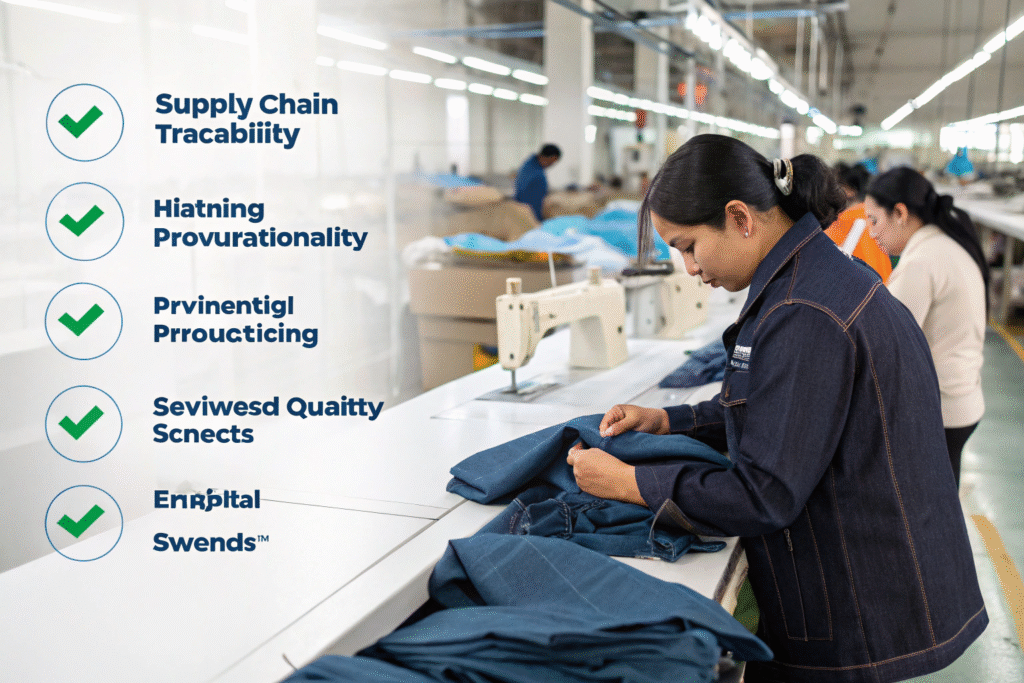
Which Certifications Should You Look For? A Handful, Really.
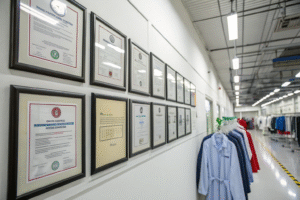
When sourcing eco-friendly trims, certifications are your best bet. For authenticity. The Global Organic Textile Standard (GOTS) certifies organic fibers. Ensures responsible manufacturing. The bluesign® system eliminates harmful substances from the start. For recycled content, the Global Recycled Standard (GRS) provides verification. Requiring these from your suppliers mitigates risk. It guarantees integrity. For your sustainable claims.
How Technology Improves Traceability—Beyond the Paper Trail.
Blockchain, digital tracking—making traceability accessible. Secure. Each step in a trim's creation gets recorded. In an immutable ledger. From the origin of the recycled plastic to the dyeing facility, the final stitching. This allows you—and your customers—to see the entire history. Of the product's components. This level of transparency? It's a powerful marketing tool. Turning a simple trim into a testament. To your brand's ethical commitment. Honestly, it's the new standard.
Conclusion
The landscape of eco-friendly trims—it's rich. Innovative. Driven by recycled materials, plant-based alternatives, advanced dyes, and traceability. These aren't passing fads. They're the new benchmarks. For responsible manufacturing. Integrating them is essential. For building a future-ready brand.
Navigating this shift successfully—it requires a partner. A manufacturing partner embedded in the world of sustainable materials. At Fumao Clothing, we have that expertise. The established supply chains. To integrate these eco-friendly trims into your production—seamlessly. We understand what's critical: quality control, reliable delivery. Ensuring your sustainable garments reach your market. On time. Let us help you build a collection. One that's beautiful, yes, but also responsible. Honestly.
To start a conversation—about your next clothing line with the latest sustainable trims—please contact our Business Director, Elaine. At: elaine@fumaoclothing.com.