A budget-conscious brand owner from Ohio called me last month frustrated with rising costs. His cotton prices had increased 40% over two years. His customers refused to accept higher retail prices. He was trapped between shrinking margins and losing business. He asked me, "Is there any way to maintain quality while controlling fabric costs anymore?"
The latest trends in cost-effective apparel fabric focus on innovative blends that reduce expensive fiber content without sacrificing performance, recycled materials that cost less than virgin alternatives, and clever construction techniques that use less fabric per garment. Smart brands are also leveraging deadstock fabrics, vertical mill partnerships, and strategic inventory planning to secure better pricing without compromising quality.
Running a manufacturing facility in Shanghai means I see fabric cost trends before they hit the broader market. At Shanghai Fumao, we help American brands navigate rising material costs while maintaining the quality their customers expect. Let me share the strategies and innovations that are actually working for our clients right now.
How Are Fabric Blends Reducing Costs Without Sacrificing Quality?
A Denver-based outdoor brand came to us last year with a specific problem. Their popular hiking pants used 100% nylon, but nylon prices had climbed 35% in eighteen months. They needed to reduce costs without changing the hand feel or performance their customers loved. We developed a nylon-polyester blend that maintained durability while cutting material costs by 22%.
Strategic blending reduces fabric costs by replacing expensive fibers with lower-cost alternatives that perform similarly. The key is understanding which fiber properties actually matter for each garment and which can be substituted. Modern fiber engineering has created polyester variants that mimic nylon's hand feel, Tencel blends that stretch cotton budgets, and recycled options that cost less than virgin materials.
Blending requires technical knowledge and testing. Here is how successful brands are approaching this trend.
What Polyester Innovations Are Replacing More Expensive Fibers?
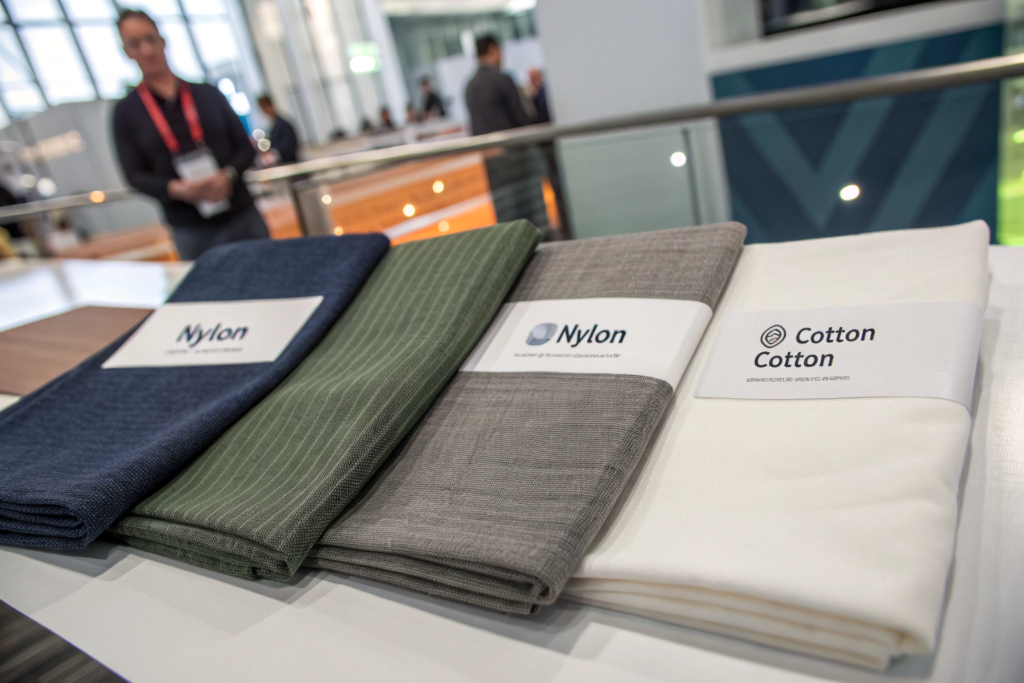
Polyester technology has advanced dramatically in recent years. Standard polyester used to feel plastic and cheap. New microfiber polyesters approach the hand feel of natural fibers at half the cost. A Seattle-based activewear brand switched from nylon to specialized polyester for their base layer collection. They saved 28% on fabric costs while actually improving moisture-wicking performance. Polyester innovations include recycled options that cost less than virgin materials while appealing to sustainability-conscious customers. Hollow-core polyester fibers provide warmth without weight, replacing more expensive wool in some applications. We help clients sample different polyester variants to find the right balance of cost and performance for their specific needs. The Textile World polyester technology guide provides detailed information on available polyester innovations and their performance characteristics, helping you make informed sourcing decisions.
How Are Cellulosic Blends Stretching Cotton Budgets?
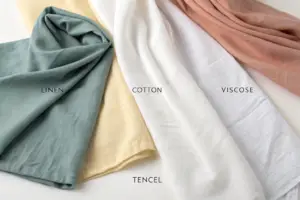
Cotton prices have become increasingly volatile, driven by weather, water scarcity, and global demand. Smart brands are blending cotton with lower-cost cellulosic fibers like modal, lyocell, and viscose. These blends maintain cotton's hand feel while reducing cost and adding performance benefits. A Portland-based basics brand shifted from 100% cotton to a 60% cotton, 40% modal blend for their t-shirts. The blend cost 18% less than pure cotton, felt softer against skin, and resisted shrinkage better. Cellulosic blends also appeal to sustainability-focused customers when sourced from responsible producers. Lenzing's EcoVero viscose, for example, costs less than premium cotton while offering certified sustainability credentials. We maintain relationships with cellulosic fiber producers to secure competitive pricing for clients. At Shanghai Fumao, we can help you select blend ratios that hit your cost targets while maintaining the hand feel your customers expect. You can explore Lenzing's fiber innovation resources to understand cellulosic options and their cost-performance profiles.
What Role Do Recycled Materials Play in Cost Management?
A Los Angeles contemporary brand initially approached recycled fabrics for sustainability marketing. They discovered an unexpected benefit: recycled polyester cost 15% less than virgin material. The price advantage came from established recycling infrastructure and lower raw material costs. They now specify recycled content across their entire activewear line.
Recycled materials have become cost-competitive with virgin alternatives, sometimes even cheaper. The economics vary by fiber type and region, but recycled polyester consistently offers savings. Recycled cotton remains more expensive due to fiber length degradation, but innovative blends are closing the gap. Brands that commit to recycled content often secure better pricing through volume commitments and long-term partnerships.
The sustainability bonus is real, but the cost savings matter more for margins. Here is what we are seeing in the market.

Why Is Recycled Polyester Often Cheaper Than Virgin?
Recycled polyester starts with plastic bottles and post-industrial waste that cost less than petroleum-based raw materials. The recycling process requires energy, but established infrastructure keeps processing costs competitive. A Chicago-based performance brand switched their entire collection to recycled polyester and reduced fabric costs by 12% while gaining marketing benefits. Recycled polyester also benefits from scale. Major brands have committed to recycled content, driving investment in recycling technology that further reduces costs. The quality of recycled polyester now matches virgin in most applications, with identical performance characteristics. We source recycled polyester from certified suppliers like Unifi who maintain consistent quality and competitive pricing through their Repreve brand. The Textile Exchange preferred fiber report provides annual data on recycled fiber pricing trends and availability, helping you plan long-term sourcing strategies.
How Can Brands Access Deadstock Fabrics for Cost Savings?
Deadstock fabrics, surplus materials from other brands' production, offer significant cost savings for savvy buyers. These fabrics are already produced, often at below-market prices, and available immediately without mill minimums. A New York-based sustainable brand built their entire business around deadstock fabrics. They access unique materials at 30% to 50% below wholesale prices while telling compelling sustainability stories. Deadstock sourcing requires relationships with mills, factories, and fabric brokers. The inventory is unpredictable, so deadstock works best for brands with flexible design timelines and the ability to adapt collections to available materials. We maintain a deadstock inventory list for clients willing to work with available materials, offering substantial savings on fabric costs. At Shanghai Fumao, we can help you access deadstock options that match your quality standards while reducing material expenses. Online platforms like Queen of Raw and FabScrap provide access to deadstock inventories for brands seeking sustainable, cost-effective options.
What Construction Techniques Reduce Fabric Consumption?
A Dallas-based denim brand approached us with a different cost strategy. Instead of finding cheaper fabric, they wanted to use less fabric per garment. We analyzed their patterns and identified opportunities to reduce waste through optimized marker making and innovative pattern engineering. They reduced fabric consumption by 12% without changing the look or fit of their jeans.
Construction techniques that reduce fabric consumption offer permanent cost savings regardless of material prices. Marker efficiency improvements, pattern engineering, and zero-waste cutting can reduce fabric use by 10% to 20%. These savings compound with every garment produced, creating lasting competitive advantage.
Smart construction saves money without customers ever noticing. Here are the techniques that work.
How Does Marker Efficiency Affect Fabric Costs?
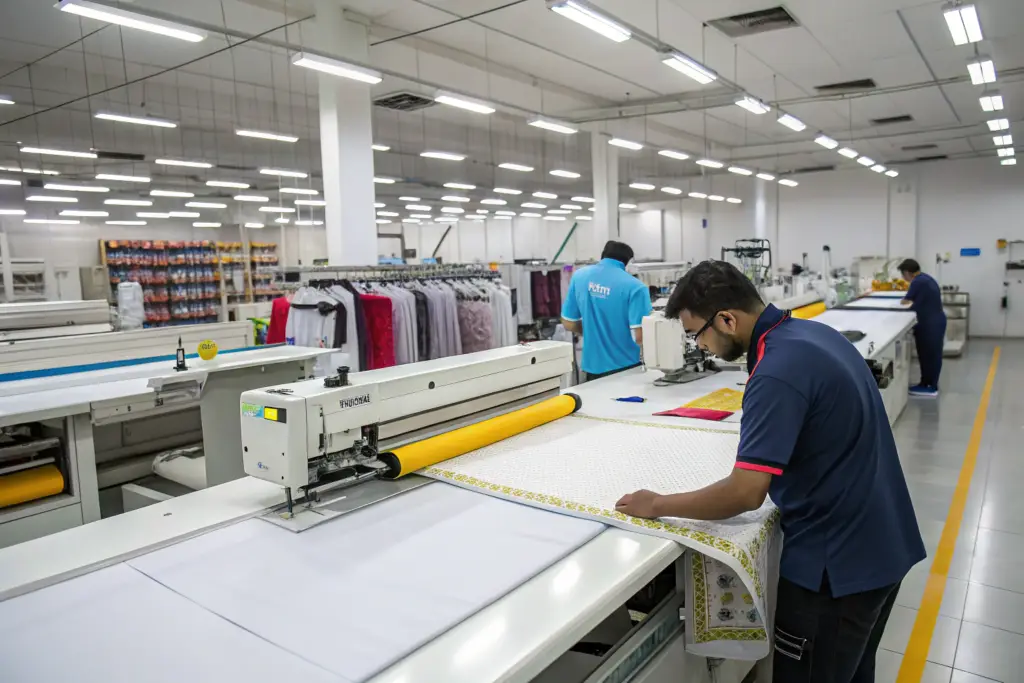
Marker efficiency measures how effectively pattern pieces are arranged on fabric. A 1% improvement in marker efficiency saves significant money across production volumes. A Philadelphia-based workwear brand worked with our pattern team to optimize their marker layouts. They improved efficiency from 82% to 89%, reducing fabric consumption by 7% across their entire line. Marker efficiency improvements come from experienced pattern makers, computerized marker software, and willingness to adjust designs for better fabric utilization. Small changes like adjusting grain lines or modifying pocket shapes can dramatically improve efficiency. We provide clients with marker efficiency reports showing actual versus optimal consumption, identifying opportunities for savings. Software solutions like Optitex and Gerber Technology offer advanced marker making tools that maximize fabric utilization automatically.
What Is Zero-Waste Cutting and Does It Really Work?
Zero-waste cutting arranges pattern pieces to use every inch of fabric, leaving no scrap. This approach requires designing garments specifically for efficient cutting, often using geometric shapes that nest together perfectly. A Boston-based sustainable brand designed their entire collection around zero-waste principles. They eliminated fabric waste entirely while creating distinctive design elements that became their signature. Zero-waste cutting requires more design time but can reduce fabric consumption by 15% to 20% compared to conventional cutting. The technique works best for simpler garments and brands willing to embrace unique aesthetics. We collaborate with designers on zero-waste pattern development, helping them achieve efficiency without sacrificing style. The Council of Fashion Designers of America sustainability resources includes case studies on zero-waste design techniques that have worked for established brands, providing inspiration and practical guidance.
How Are Mill Partnerships Creating Cost Advantages?
A Nashville-based heritage brand shifted their sourcing strategy last year. Instead of buying fabric spot market for each collection, they developed long-term partnerships with three core mills. They committed to annual volumes in exchange for guaranteed pricing. Their fabric costs stabilized while competitors struggled with volatile markets.
Long-term mill partnerships create cost advantages unavailable to spot buyers. Mills prioritize partners who provide predictable volume, offering better pricing, priority access during shortages, and collaboration on exclusive developments. Brands that treat mills as partners rather than vendors secure advantages that transactional buyers cannot access.
Relationships matter in textile sourcing. Here is how successful brands structure mill partnerships.

What Volume Commitments Unlock Better Pricing?
Mills operate on production schedules and need predictable demand. A commitment to annual volume allows mills to plan production efficiently, and they share those savings with committed partners. A Seattle-based outdoor brand committed to 50,000 yards annually across three core fabrics. Their mill reduced pricing by 18% compared to spot market rates. Volume commitments also guarantee access during shortages. When cotton prices spiked and allocations tightened, committed partners received priority while spot buyers faced delays and cancellations. We help clients project annual volumes and negotiate multi-year agreements that lock in favorable pricing. The International Textile Manufacturers Federation provides guidance on structuring mill partnerships for mutual benefit, including template agreements and negotiation strategies.
How Do Exclusive Developments Create Cost Benefits?
Developing exclusive fabrics with mill partners creates cost benefits through differentiation and efficiency. When you develop an exclusive fabric, you own the specification. The mill cannot offer that exact fabric to competitors. A Denver-based activewear brand developed an exclusive recycled polyester blend with their mill partner. The development required upfront investment, but they secured five-year pricing guarantees and prevented competitors from copying their signature fabric. Exclusive developments also optimize fabric for your specific needs, reducing waste from features you do not need. Standard mill fabrics include properties for broad market appeal. Exclusive fabrics include only what your garments require, often at lower cost. At Shanghai Fumao, we facilitate exclusive development between brands and our mill partners, managing the process from concept to production. The Première Vision sourcing platform connects brands with mills capable of exclusive fabric development across various price points.
Conclusion
Cost-effective apparel fabric today comes from multiple strategies working together. Strategic blending reduces expensive fiber content without sacrificing performance. Recycled materials offer cost advantages alongside sustainability benefits. Smart construction techniques use less fabric per garment. Long-term mill partnerships secure better pricing and priority access. Strategic inventory management optimizes purchasing and reduces waste.
At Shanghai Fumao, we help American brands implement these strategies across their supply chain. Our fabric sourcing expertise, mill relationships, and production efficiency programs deliver tangible cost savings without compromising quality. If you are ready to reduce your fabric costs while maintaining the quality your customers expect, contact our Business Director Elaine at elaine@fumaoclothing.com. She can discuss your current fabric spending, identify opportunities for savings, and develop a customized cost-reduction plan for your next collection. You can also explore our fabric sourcing and cost optimization guide to understand the full range of strategies available for your brand and request a consultation on your specific cost challenges.