Traditional dyeing methods are among the most water- and chemical-intensive stages of textile production. As consumer demand for eco-friendly fashion rises, brands are under pressure to adopt cleaner, more sustainable dyeing processes. However, not all "eco dyes" are truly green, and many brands don't know where to start when exploring innovation in this area.
The latest innovations in sustainable dyeing include waterless dyeing technologies, plant-based dyes, digital pigment printing, and closed-loop systems that recover water and chemicals. These methods aim to reduce environmental impact while meeting commercial scalability and colorfastness requirements.
As a factory partner working with U.S. apparel brands, we’ve adopted several of these technologies and partnered with mills testing new techniques. In this article, I’ll break down the top methods and how your brand can benefit from choosing smarter dyeing options.
What Are the Most Promising Waterless Dyeing Technologies?
Reducing water usage in dyeing is the holy grail of sustainable fashion. Traditional dyeing can consume up to 200 liters of water per kilogram of fabric. Waterless systems are rewriting that formula.
How does supercritical CO₂ dyeing work?
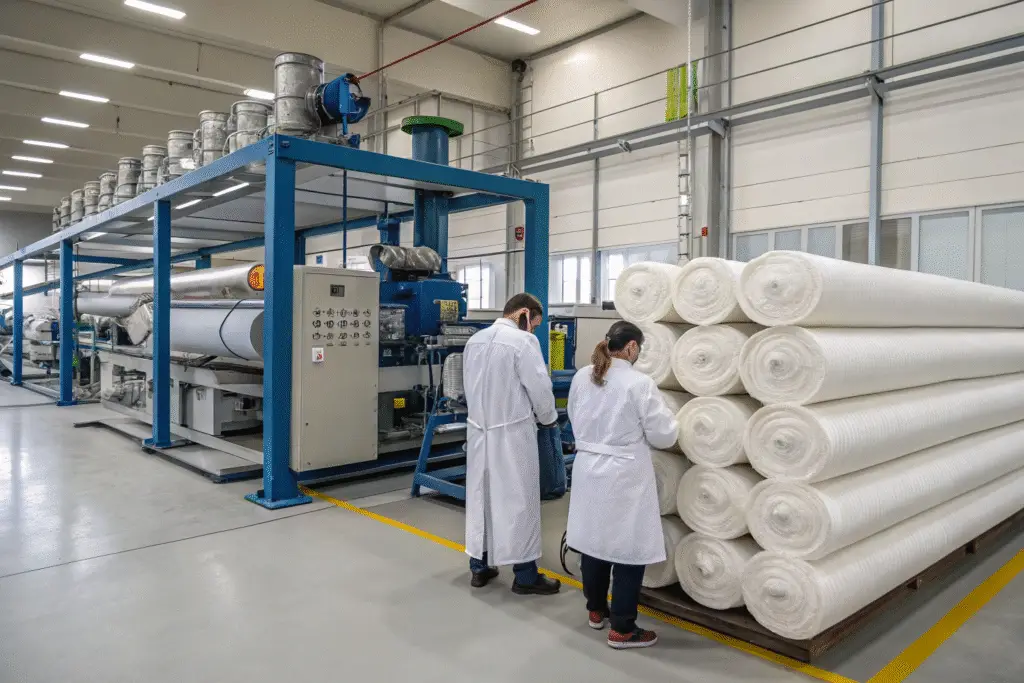
CO₂ dyeing uses pressurized carbon dioxide instead of water as a medium to carry dye into polyester fibers. It leaves no wastewater and requires zero drying energy.
One of the most advanced players in this field is DyeCoo, a Netherlands-based company whose machines are now used by brands like Nike and Adidas. Their technology also enables faster dye cycles and less chemical use.
The process works best with synthetic fibers, so it's ideal for sportswear or performance fashion brands.
What is foam dyeing and why is it game-changing?
Foam dyeing is another water-saving method that applies dyes in foam form, significantly reducing water and energy usage. One standout project is IndigoZERO, which is used in denim production and replaces the need for hydrosulfite.
This method works across both natural and synthetic fabrics and helps cut chemical waste while still offering deep, uniform color penetration.
Can Plant-Based and Bio-Dyes Scale Commercially?
Natural dyes once dominated global fashion—but then synthetic options took over for their speed, consistency, and lower cost. Now, bio-dyes are making a modern comeback, thanks to biotechnology.
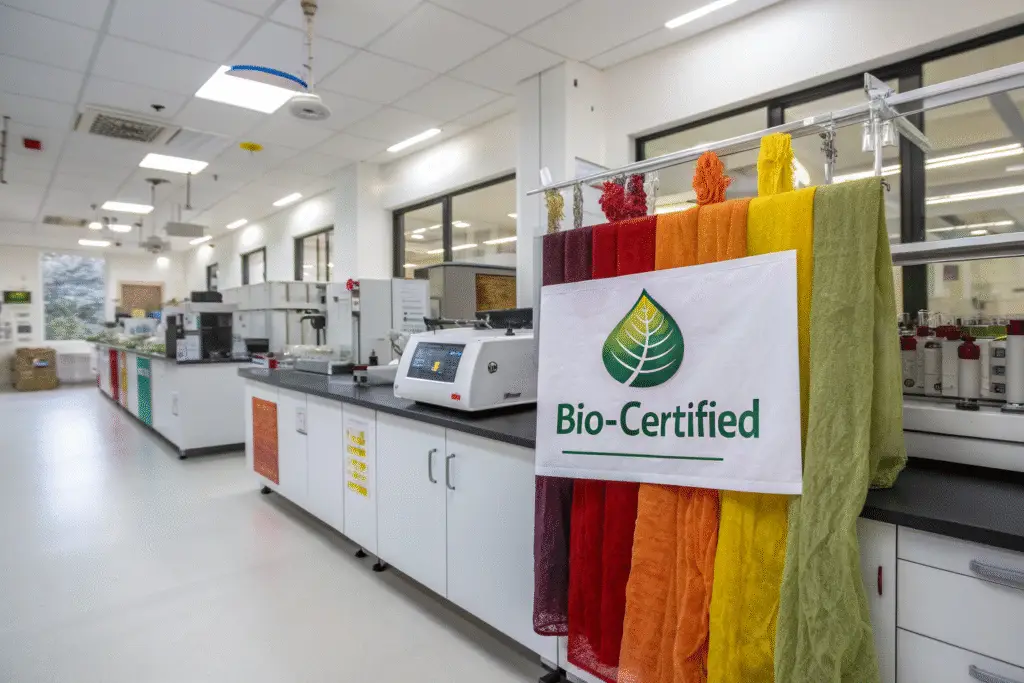
What are the pros and cons of natural dyes?
Plant-based dyes like indigo, turmeric, madder, and henna are biodegradable and non-toxic. However, they often require mordants (metallic fixers) and produce inconsistent shades.
Brands like Maiwa and Botanical Colors promote small-scale natural dyeing. But for scalability, you’ll need stable suppliers who follow modern extraction methods and test for REACH compliance.
How are biotech companies improving bio-dye performance?
Biotech firms like Colorifix use engineered microorganisms to produce pigments. These bugs “print” color directly onto fabric using fermentation, cutting chemical inputs and energy use. The technology is gaining traction because it avoids heavy metals and salt.
Another firm, PILI, engineers bacteria to synthesize traditional dye molecules sustainably. While still in pilot phases, these companies promise breakthroughs in stability and scalability for plant-based color systems.
How Is Digital Printing Advancing Sustainable Dyeing?
Digital printing was once just for short runs and complex designs. But now it’s becoming a powerful sustainable dyeing tool—especially for fashion brands focused on reducing water and waste.
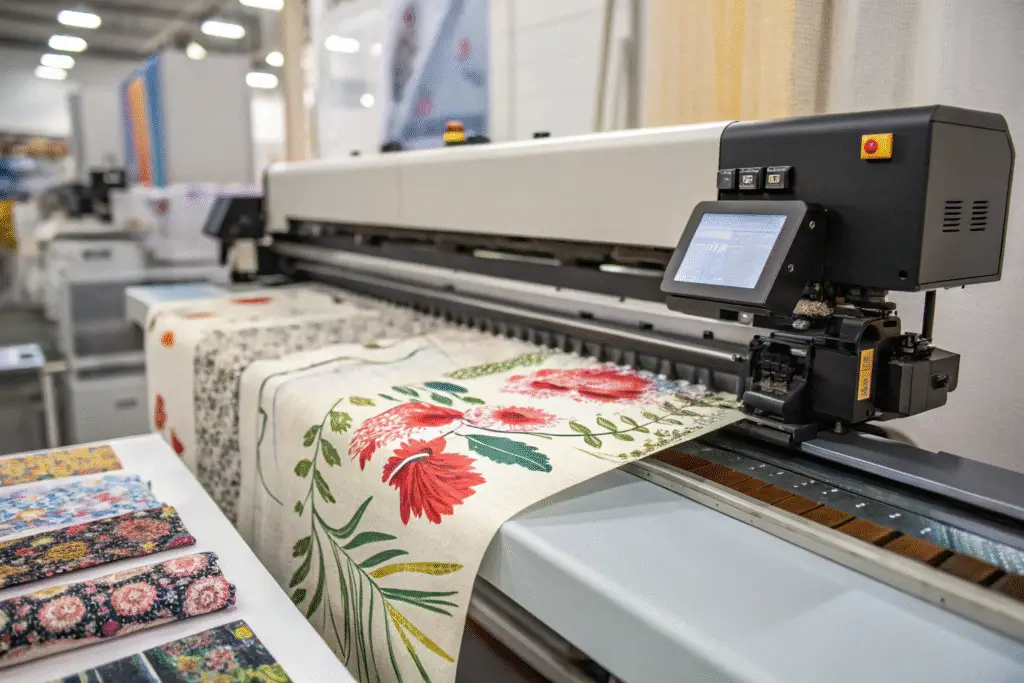
What makes pigment printing more sustainable?
Unlike traditional dyeing, pigment printing deposits color directly onto the fabric surface, then uses heat to fix it. It doesn’t require rinsing, which means zero wastewater.
Companies like Kornit Digital and Epson Monna Lisa lead this space, offering scalable machines for bulk production. Pigment inks work best on cotton and blended fabrics and are ideal for DTG (direct-to-garment) and roll-to-roll applications.
How does it compare to reactive or acid dyes?
Reactive and acid dyes offer deep fiber penetration but require multiple water-based steps—pre-treatment, rinsing, and fixing. Pigment printing, while not as vibrant or washfast, offers on-demand color, lower emissions, and fast prototyping.
For brands printing custom designs or running small collections, pigment digital printing is both eco-conscious and cost-effective. Tools like Printful or Printify offer plug-and-play services based on this model.
What Closed-Loop Systems Are Being Used in Dyehouses?
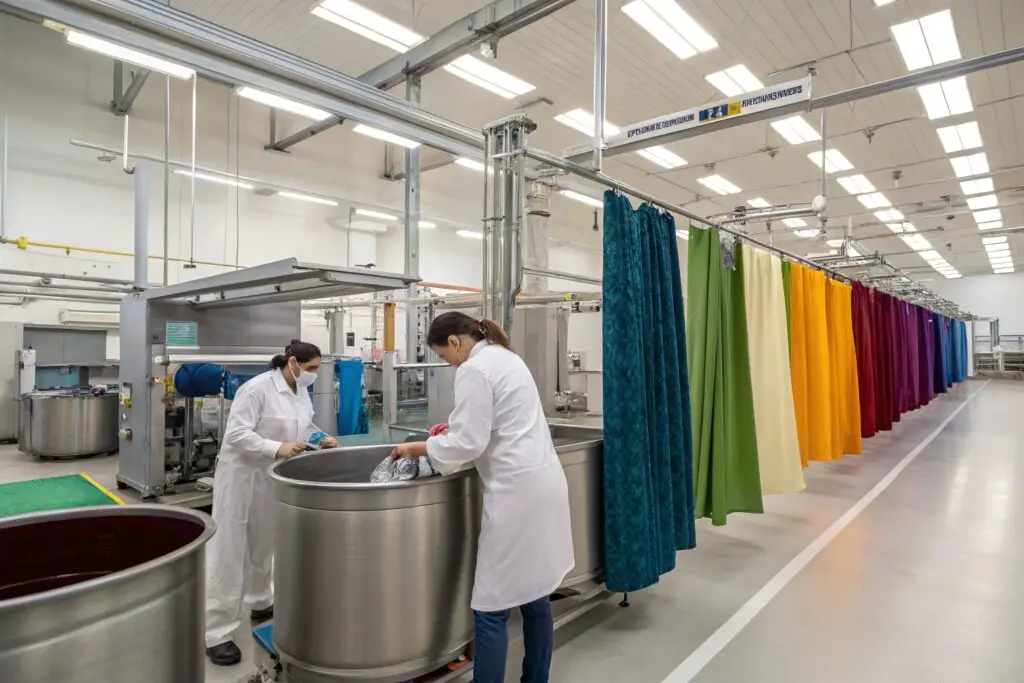
One of the biggest hurdles in dyeing is waste management. Even if a mill reduces input waste, the output (dye effluent) can be a major pollutant. Closed-loop systems recycle these outputs into usable inputs again.
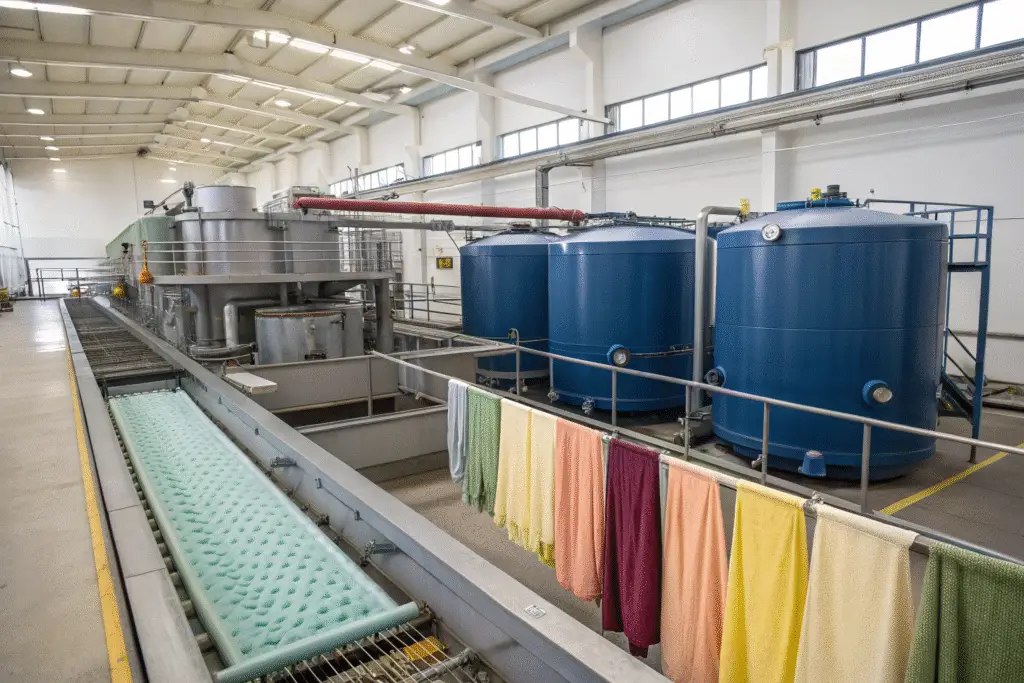
How does water recovery work in industrial dyeing?
Advanced dyehouses now use zero liquid discharge (ZLD) systems to treat and reuse 90–95% of their water. These setups involve:
- Reverse osmosis filters
- Evaporation units
- Condensate recovery systems
Companies like Arvind Mills and TÜV SÜD certified mills in Asia are pioneers in implementing these circular systems. It saves not only the environment but also utility costs over time.
Can dye chemicals also be recovered?
Yes. Some facilities now use ion exchange columns or electrochemical treatment to recover salts and residual dyes. While expensive to set up, these systems significantly reduce the environmental footprint and meet stricter regulations in the EU and U.S.
Mills that can provide ZDHC MRSL or Bluesign compliance are a good benchmark for sustainable chemical use and discharge control.
Conclusion
Sustainable dyeing is no longer a niche—it’s a necessity. Whether you’re sourcing sportswear or luxury basics, your choice of dyeing partner and technology has a direct impact on your brand’s environmental footprint. From CO₂ dyeing to bio-color, digital printing to closed-loop recycling, the future of dyeing is vibrant, efficient, and clean. As a manufacturer, we encourage our partners to explore these methods not only for ethical reasons but also for performance, consistency, and long-term savings.