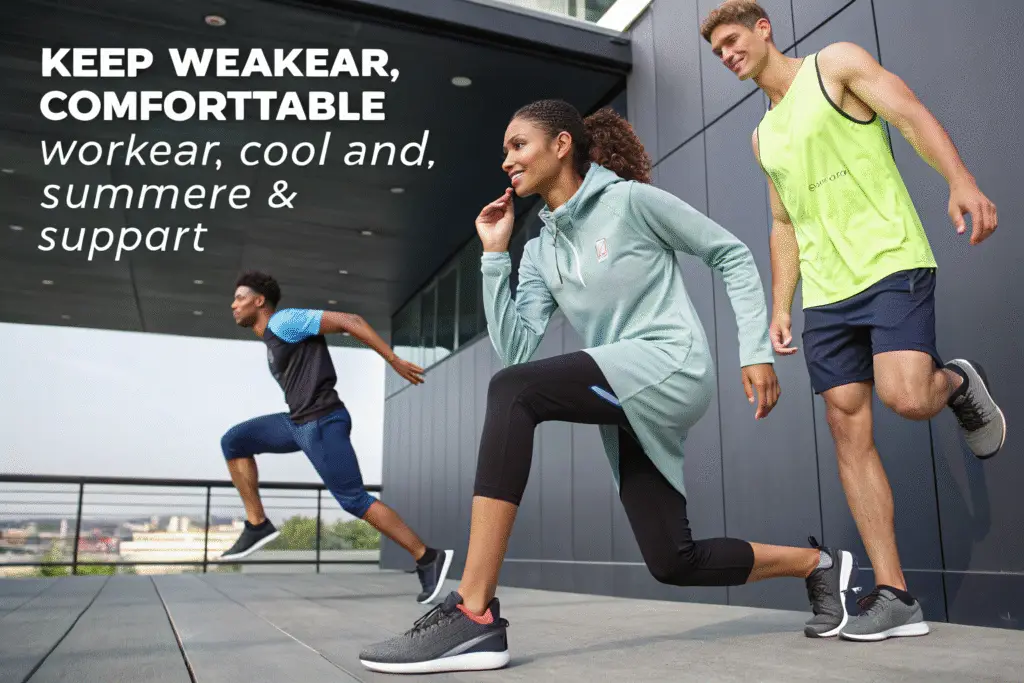
Staying cool isn’t just a comfort issue—it’s a competitive advantage in today's sportswear, workwear, and summer apparel markets. Brands from Nike to niche performance labels are racing to deliver garments that keep wearers cooler, drier, and more comfortable.
The latest cooling fabric innovations blend textile engineering with smart fiber selection, chemical finishes, and advanced knitting methods that regulate temperature and moisture in real-time.
As a seasoned clothing manufacturer for U.S. brands, we’ve followed these breakthroughs closely—and incorporated many into custom activewear and summer-ready fashion lines for our clients. Here's what’s changing the game.
What smart fibers and yarns enhance fabric cooling?
Fiber selection is where cooling starts. Brands can now choose from yarns designed to manage body heat, either by drawing it away or actively regulating temperature based on activity level.
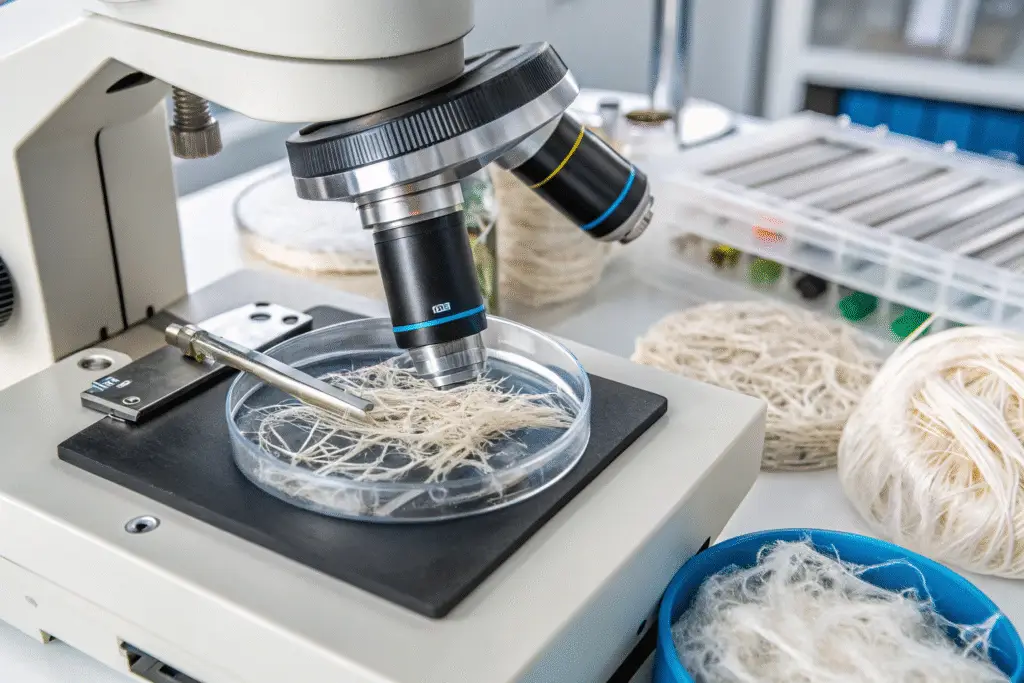
Phase-change materials (PCMs), mineral-infused yarns, and cooling polyamide blends are leading the charge—each offering measurable advantages in heat control.
How do phase-change materials keep garments cool?
Phase-change materials like paraffin microcapsules absorb excess body heat and store it temporarily. When temperatures drop, they release that heat again—acting like thermal batteries. We’ve used PCMs in base layers and outdoor gear for clients seeking high-performance wearables.
The tech was originally used in NASA spacesuits but has since been scaled for garments using microencapsulation techniques that survive industrial laundering.
What are the benefits of mineral-infused cooling yarns?
Yarns infused with minerals like jade, mica, or volcanic ash lower skin temperature upon contact. Brands like Coolcore and NILIT® offer yarns that stay cool without chemical coatings—making them suitable for sustainable lines.
These yarns are especially popular in seamless activewear and children's wear because they stay soft while delivering real cooling sensations.
Which fabric finishes improve evaporative cooling?
Fabric isn’t just about what it's made of—how it’s finished matters too. The right treatment can significantly improve breathability and moisture evaporation.
New hydrophilic finishes, cross-linked polymers, and sustainable plant-based finishes are being applied to boost sweat dispersion without clogging fabric pores.
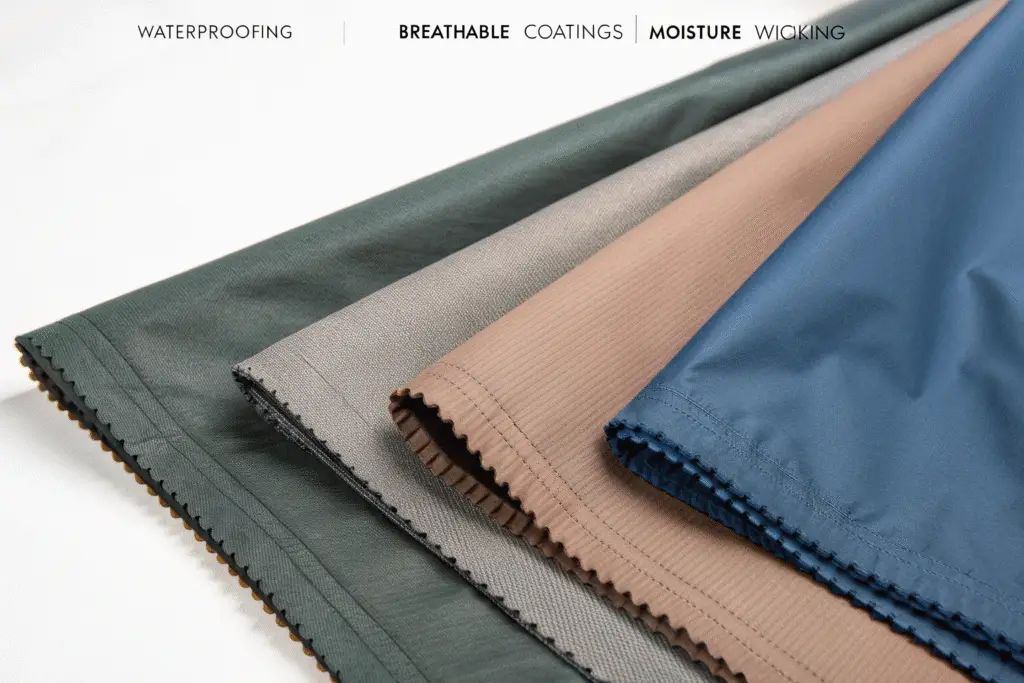
What makes hydrophilic finishes more effective?
Traditional moisture-wicking relies on water-repellent coatings. But newer hydrophilic finishes actually absorb moisture into the fabric structure, spreading it for faster evaporation. This “pull and spread” system mimics how leaves release moisture.
Brands like HeiQ Smart Temp offer dynamic cooling that adapts to body heat, applying finishes that activate as the wearer warms up and deactivate during rest.
Are there eco-friendly cooling fabric treatments?
Yes, biodegradable finishes made from aloe vera, seaweed, and soy protein are rising in popularity. These not only offer cooling but can also improve skin comfort—especially in kidswear and intimate apparel.
We’ve sourced such treatments through GOTS-compliant mills to meet our European buyers’ needs for sustainable summer garments.
How does knitting structure impact cooling performance?
Even the best fiber needs structure to function. Engineering the knit for airflow and sweat flow makes the difference between an okay and an outstanding cooling garment.
3D spacer fabrics, mesh zones, and directional wicking channels are revolutionizing how fabrics breathe. Advanced knitting allows placement of these features precisely where needed.
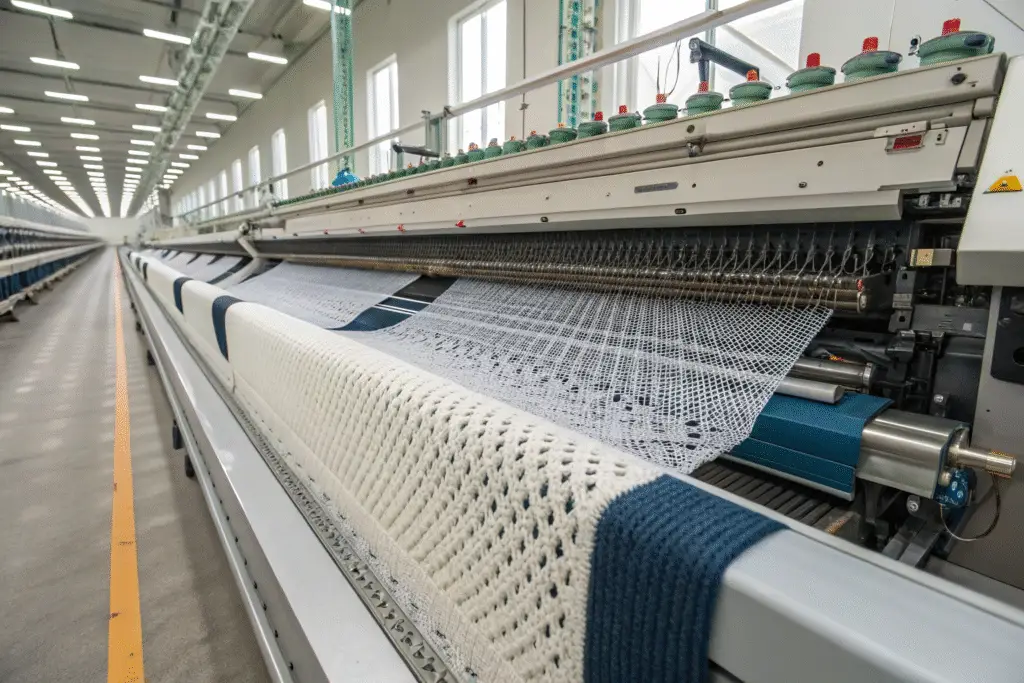
What are 3D spacer fabrics and how do they cool?
3D spacer fabrics create a tiny air cushion between skin and fabric. This pocket boosts airflow and reduces skin contact, enhancing perceived coolness. We often use these in bra linings, bike shorts, and uniform shirts for clients who prioritize comfort under pressure.
Spacer technology is also great for padding zones—keeping bulk light while enhancing ventilation.
Can knitting channels direct moisture and air?
Yes. Today’s circular knitting machines can create moisture transport channels that move sweat from high-output zones (like the back or underarms) to the outer fabric for evaporation.
Some knits also include laser-cut or engineered mesh zones for targeted cooling. These techniques reduce fabric weight and keep the user dry even under high exertion.
What role does embedded tech play in temperature control?
Technology and fashion are merging. Some brands are now embedding sensors into cooling fabrics—giving real-time data on body temp, sweat rate, and fabric response.
While still niche, these innovations point to a future where cooling is personalized and adjustable through smart clothing interfaces.
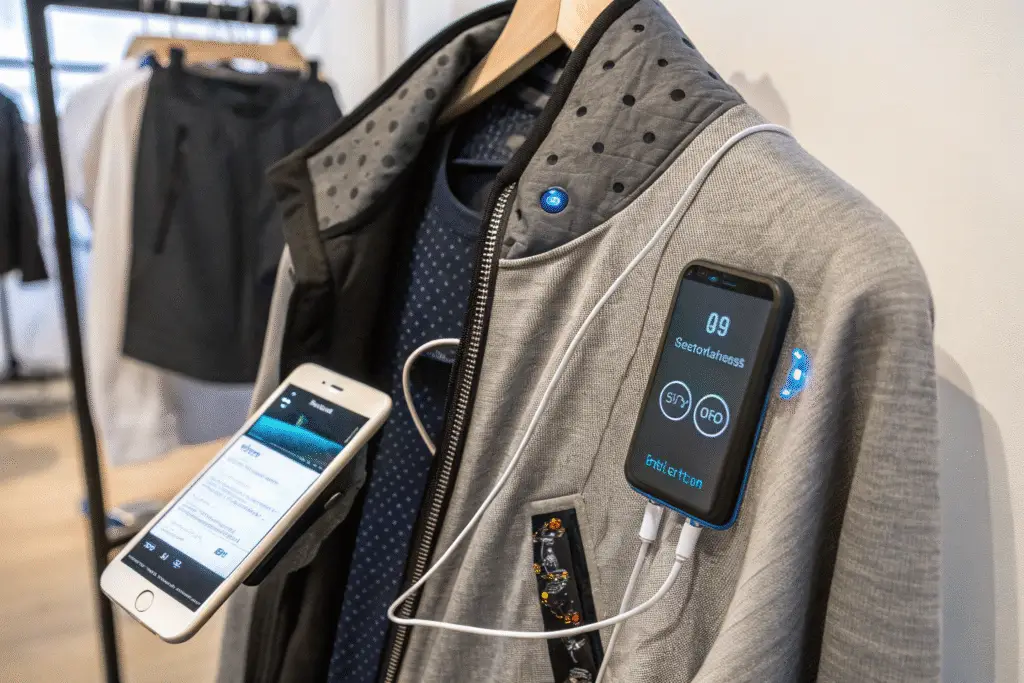
Are there smart textiles that adjust based on heat?
Yes. E-textiles with temperature-sensitive yarns are being tested in sports and military garments. Some fibers expand to open mesh when warm, then contract when cool—self-adjusting the airflow.
Brands like Clim8 are developing responsive heating/cooling modules that integrate into garments and connect via smartphone apps.
What are the challenges of embedding cooling tech?
Durability and washability are still concerns. Smart fabrics must withstand laundering, sweat, and abrasion. Battery life is also a limit—many systems need external power. But as flexible electronics improve, expect to see more adoption in performance gear and even medical wear.
Our factory has partnered with developers on early-stage prototypes—especially for cycling apparel and field-tested military base layers.
Conclusion
Cooling fabric innovations have evolved far beyond simple mesh or wicking polyester. Today’s options range from phase-change yarns to breathable 3D knits and adaptive smart finishes. For brands competing in activewear, resortwear, or uniforms, these innovations aren’t just trendy—they’re essential.
At Shanghai Fumao, we work closely with mills, tech developers, and testing labs to bring the most advanced cooling fabrics to market. Whether you’re building a high-performance line or a summer basics collection, we can help you source, test, and manufacture the fabrics that keep your customers cool.
Contact our Business Director Elaine at elaine@fumaoclothing.com to explore cooling fabric options tailored for your brand.