As a U.S. brand owner, you understand that staying ahead of fashion trends is crucial for market success. However, predicting which trends will actually drive sales in 2026 can be challenging, especially when dealing with overseas manufacturing partners. This uncertainty often leads to missed opportunities and inefficient production cycles. Consequently, finding a manufacturing partner who not only understands future trends but can reliably execute them becomes essential for your business growth.
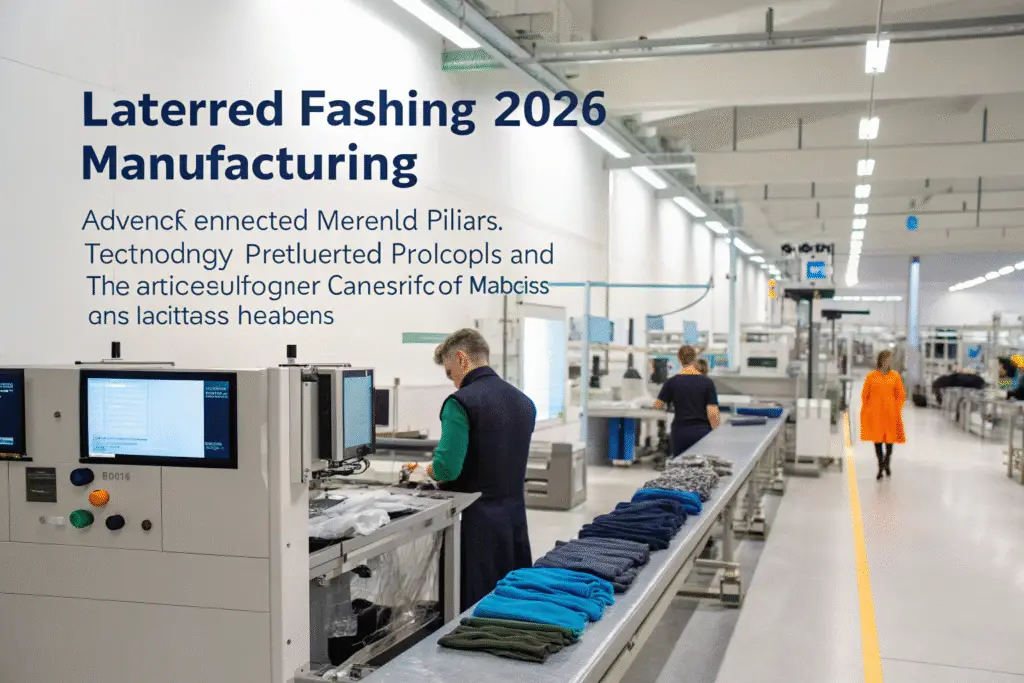
The latest fashion trends for 2026 manufacturing revolve around three interconnected pillars: advanced material innovation, technology-driven production processes, and consumer-centric business models. These trends represent a fundamental shift from traditional manufacturing approaches toward more sustainable, efficient, and personalized solutions. Therefore, your manufacturing partner must be equipped to handle these changes while maintaining quality and delivery standards.
Let's explore how these trends interconnect and how you can strategically implement them in your 2026 collections.
What Are The Key Sustainable Materials For 2026?
The push for genuine sustainability continues to intensify as consumers become more educated about environmental issues. Consequently, brands can no longer rely on superficial green claims but must demonstrate real commitment through material choices. This shift requires manufacturers to develop expertise in next-generation sustainable materials that offer both environmental benefits and commercial viability.
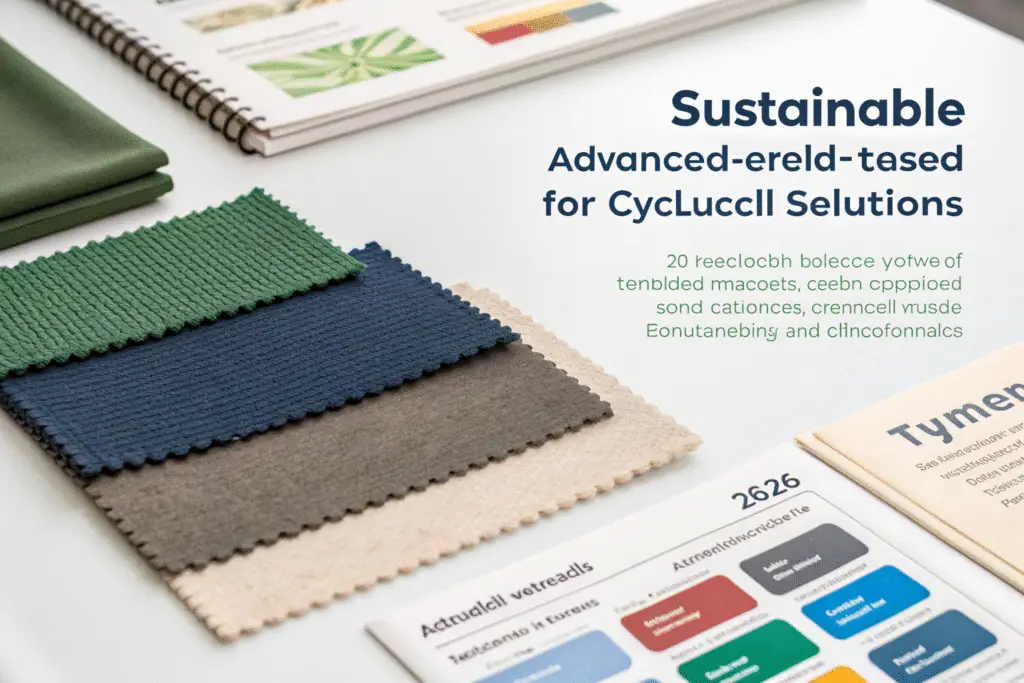
Sustainable materials for 2026 are evolving beyond basic organic cotton to include advanced bio-based alternatives and circular solutions. Materials like Tencel™ Lyocell, recycled carbon-based fabrics, and agricultural waste-derived textiles are gaining prominence because they address multiple environmental concerns simultaneously. Moreover, these materials often provide superior performance characteristics that enhance product value.
How Can Bio-based Fabrics Enhance My Brand Value?
Bio-based fabrics enhance brand value through multiple interconnected benefits. Firstly, they position your brand as innovative and environmentally responsible, which resonates strongly with modern consumers. For instance, materials like Piñatex (derived from pineapple leaves) and Mycelium Leather tell compelling sustainability stories that differentiate your products. Secondly, these materials often possess unique aesthetic qualities that allow for premium positioning. As a result, brands can command higher price points while appealing to environmentally conscious consumers.
What Is The Real Cost-Benefit Analysis of Recycled Polyester?
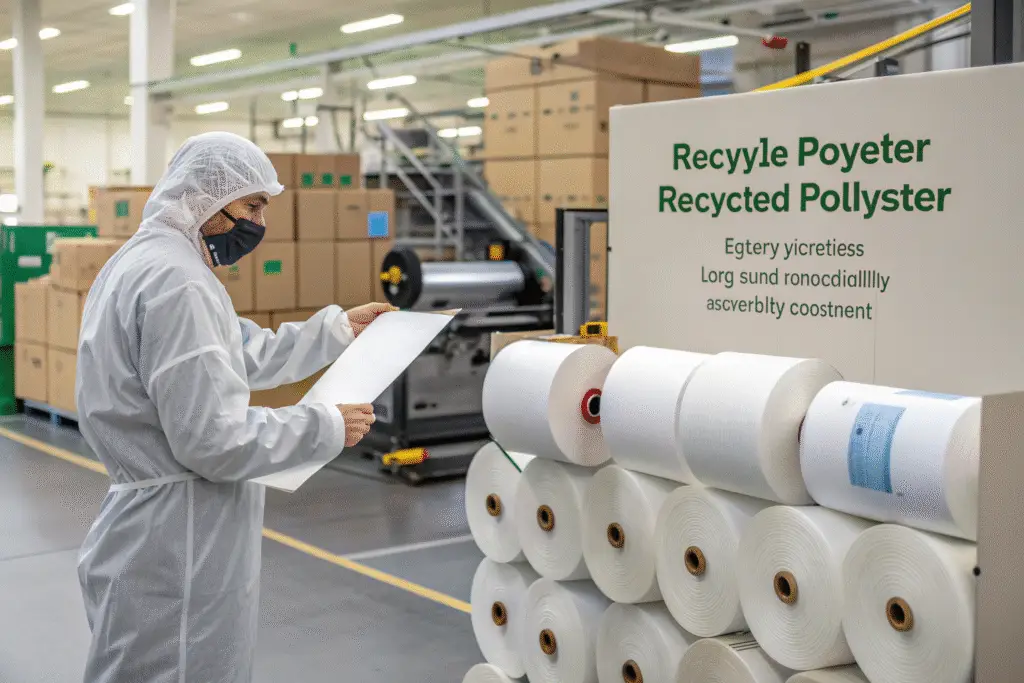
The transition to recycled polyester involves considering both immediate costs and long-term benefits. Initially, the raw material cost may be slightly higher than virgin polyester. However, this initial investment is offset by several strategic advantages. Firstly, using recycled materials significantly enhances brand reputation and customer loyalty. Secondly, it future-proofs your business against increasing regulatory pressures on virgin plastic usage. Furthermore, experienced manufacturers can leverage their sourcing networks to minimize cost differences while ensuring consistent quality.
How Is Technology Shaping 2026 Apparel Production?
Technological advancements are transforming apparel production at an unprecedented pace. This transformation begins at the design phase and extends through the entire manufacturing process. As a result, brands that embrace these technologies gain significant competitive advantages in speed, accuracy, and customization capabilities.
Technology's impact on 2026 production manifests primarily through digitalization and automation. 3D prototyping and AI-driven design systems are revolutionizing how products are developed and manufactured. These technologies not only accelerate time-to-market but also enhance precision and reduce resource waste. Consequently, brands can respond more quickly to market changes while maintaining higher quality standards.
How Does 3D Sampling Improve Development Efficiency?
3D sampling dramatically improves development efficiency through several connected benefits. By creating virtual prototypes using platforms like Browzwear, brands can visualize garments without physical sampling. This capability leads to faster decision-making and significantly reduces development time. Moreover, it enables real-time collaboration between designers and manufacturers, ensuring alignment from the earliest stages. As a result, the traditional back-and-forth of sample revisions is minimized, and production can commence much sooner.
What Role Does AI Play in Optimizing Manufacturing?
AI serves multiple optimization functions throughout the manufacturing process. Initially, AI algorithms analyze fashion trends and sales data to predict successful styles, informing production planning. During manufacturing, AI systems optimize pattern cutting to minimize fabric waste and automate quality control to detect defects. Therefore, brands benefit from more efficient production, higher consistency, and better inventory management.
| AI Application | Primary Benefit | Secondary Impact |
|---|---|---|
| Demand Forecasting | Accurate production planning | Reduced overstock |
| Automated Quality Control | Consistent product quality | Fewer returns |
| Pattern Optimization | Material cost savings | Environmental benefits |
Why Is Hyper-Personalization The Future?
Consumer expectations are shifting dramatically toward personalized experiences and products. This shift is driven by digital natives who value individuality and self-expression. Consequently, mass production is giving way to more customized approaches that cater to individual preferences.
Hyper-personalization represents the future because it addresses several key market demands simultaneously. It enhances customer engagement by making consumers co-creators of their products. Additionally, it reduces inventory risks through made-to-order models. Therefore, brands that master personalization can build stronger customer relationships while operating more efficiently.

How Does Made-To-Order Transform Inventory Management?
Made-to-order fundamentally transforms inventory management by reversing traditional production sequences. Instead of producing first and selling later, brands only manufacture after receiving customer orders. This approach eliminates the risk of unsold inventory and associated markdowns. Furthermore, it releases capital that would otherwise be tied up in stock, allowing for investment in customer acquisition and experience enhancement.
What Customization Levels Do Modern Consumers Expect?
Modern consumers expect customization options that address both aesthetic and functional needs. These expectations progress from basic logo placement to comprehensive personalization. For example, consumers now seek fit customization based on body measurements, aesthetic choices involving unique embroidery and fabric combinations, and functional modifications like feature additions or removals. Consequently, manufacturers must offer flexible custom clothing capabilities to meet these diverse requirements.
How To Ensure Supply Chain Transparency?
Supply chain transparency has evolved from a nice-to-have feature to a business essential. This change is driven by increasing consumer awareness and regulatory requirements. Moreover, transparent supply chains help mitigate risks associated with supplier reliability and certification authenticity.
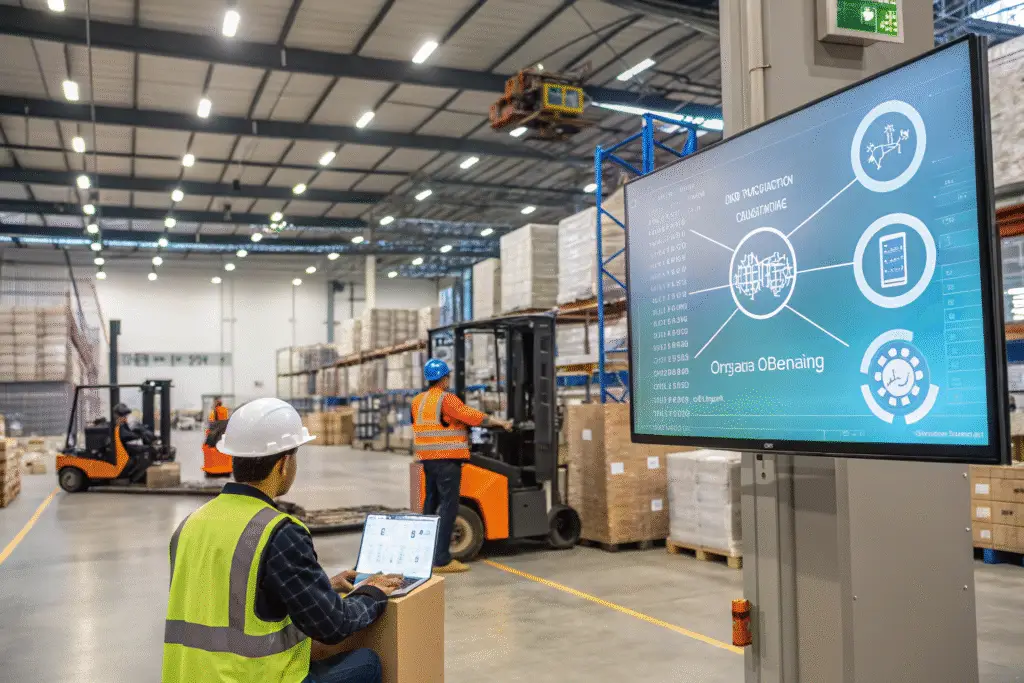
Achieving true supply chain transparency requires combining technological solutions with verified certifications. Blockchain technology provides immutable tracking from raw materials to finished products, while trusted certifications validate social and environmental standards. Therefore, brands need manufacturing partners who embrace both approaches to build consumer trust.
Which Certifications Provide Reliable Ethical Assurance?
Reliable ethical assurance comes from certifications that involve independent verification and regular audits. Key certifications include BSCI and WRAP for social compliance, and GOTS and Oeko-Tex for environmental standards. These certifications are reliable because they require comprehensive assessment and ongoing monitoring. Consequently, brands should verify that manufacturers maintain current, authentic certifications from these recognized bodies.
How Does Blockchain Enhance Supply Chain Visibility?
Blockchain enhances supply chain visibility by creating tamper-proof records of every production step. Each material batch receives a unique digital identifier that tracks its journey through spinning, weaving, dyeing, and manufacturing. This system, supported by initiatives like the Open Supply Hub, provides undeniable proof of sourcing and production conditions. As a result, brands can confidently share verified supply chain information with consumers.
Conclusion
The fashion manufacturing landscape for 2026 is defined by interconnected trends that collectively shape a more sustainable, efficient, and consumer-focused industry. These trends—sustainable materials, technological integration, hyper-personalization, and supply chain transparency—reinforce each other to create a new manufacturing paradigm. Therefore, success requires partnering with manufacturers who understand these connections and can implement integrated solutions.
To capitalize on these trends and transform your 2026 collections, we invite you to partner with a manufacturer who understands this interconnected landscape. Contact our Business Director, Elaine, at elaine@fumaoclothing.com to discuss how we can help you implement these trends successfully.