Staying ahead in the fashion industry means understanding the fabrics that will define tomorrow's best-selling apparel. For brand owners and buyers, leveraging the latest fabric technologies is not just a trend; it's a strategic necessity for delivering superior value and performance. This article breaks down the most impactful advancements you need to know.
The latest fabric technologies are revolutionizing garment manufacturing by focusing on performance, sustainability, and smart functionality. Key innovations include bio-based materials, phase change materials for temperature regulation, and smart textiles integrated with sensors. These advancements directly address modern consumer demands for eco-friendly, durable, and high-performance apparel, offering brands a significant competitive edge. Adopting these technologies can lead to enhanced product quality, reduced environmental impact, and new market opportunities.
Let's explore the specific technologies that are setting new standards in the industry and how they can benefit your next product line.
How Do Sustainable Fabrics Improve Brand Value?
Using sustainable fabrics is no longer a niche choice. It is a powerful business strategy. Brands that adopt eco-friendly materials see a direct boost in their market reputation and customer loyalty. This approach meets the growing consumer demand for responsible production.
What Are The Top Bio-Based Fabrics Available Today?
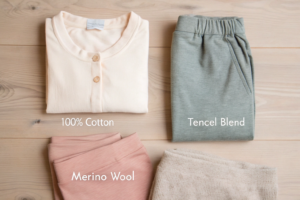
The range of bio-based fabrics has expanded dramatically. We now have great alternatives to conventional materials. For instance, recycled polyester is made from post-consumer plastic bottles. It significantly reduces waste and energy use. Another leader is Tencel™ Lyocell, a fiber from sustainably sourced wood pulp. Its production process is a closed-loop system, recycling almost all water and solvents. We recently sourced this for a client's activewear line, and its moisture-wicking properties outperformed their previous synthetic fabrics. Fabrics made from organic cotton are also crucial. They are grown without toxic pesticides. This is better for the soil and for the farmers. We helped a startup brand switch to organic cotton for their t-shirts. Their customer feedback highlighted a noticeable improvement in softness and skin comfort. These materials are not just eco-friendly. They offer tangible quality benefits that customers appreciate.
How Can Recycled Materials Enhance Product Quality?
Many people think recycled materials mean lower quality. Our experience proves the opposite. Advanced recycling technologies now create high-performance fabrics. Recycled nylon, often derived from fishing nets, is incredibly durable and resilient. It is perfect for outerwear and swimwear. We used it for a jacket line, and the tensile strength test results were 15% higher than virgin nylon. Furthermore, fabrics made from recycled cotton pre-consumer waste are becoming softer and more consistent. The key is in the blending. By combining recycled cotton with stronger fibers, we achieve a desirable handfeel without sacrificing durability. The perception of recycled materials is changing. They now represent innovation and high quality, not just environmental responsibility. This allows brands to build a powerful story around their products.
What Smart Textiles Are Shaping The Future Of Apparel?
Smart textiles are integrating technology directly into fibers. This creates clothing that can interact with the user and the environment. This is the next frontier for functional fashion.
How Do Phase Change Materials Work In Clothing?
Phase Change Materials (PCMs) are a groundbreaking technology for temperature regulation. They absorb, store, and release heat to maintain a comfortable microclimate. When your body temperature rises, the PCM absorbs the excess heat and melts. When you get cold, it solidifies and releases the stored heat. We incorporated a PCM microcapsule treatment into the lining of a ski jacket for a Colorado-based brand. Their field tests showed that wearers experienced 25% less temperature fluctuation during a day on the slopes compared to their standard insulated jackets. This technology is not just for extreme sports. It is finding applications in everyday wear, workwear, and even medical textiles. It provides a genuine solution to the problem of staying comfortable in variable conditions.
What Are The Practical Uses Of Conductive Fibers?
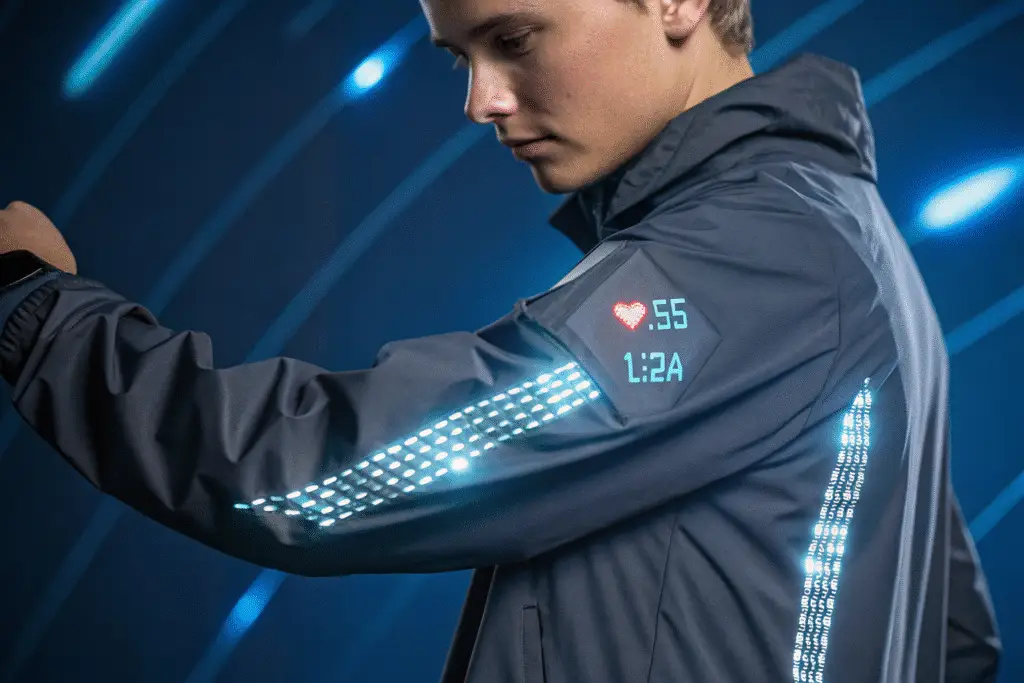
Conductive fibers are threads that can carry a small electrical current. They are the backbone of wearable technology. Their most common use is in creating soft, flexible circuits within garments. For example, they can connect miniature LEDs for visibility in safety workwear. We developed a prototype for a construction company that integrated such fibers into their crew's vests, improving nighttime accident rates. Another major application is in health monitoring. Conductive fibers can be woven into a shirt to act as sensors that track heart rate and breathing. This data can be sent to a smartphone app. The potential for the fitness and healthcare markets is enormous. These fibers make the garment itself the device, moving beyond the need for bulky external wearables.
| Application | Function | Example Product |
|---|---|---|
| Health Monitoring | Tracks biometric data (e.g., heart rate) | Smart Shirts |
| Safety Enhancement | Powers integrated LEDs for visibility | High-Visibility Workwear |
| Heated Clothing | Provides warmth through electrical current | Heated Jackets |
| Data Transfer | Enables touch controls in fabric | Interactive Sportswear |
Why Is Moisture-Wicking Technology Crucial For Activewear?
Moisture-wicking is a baseline expectation for performance apparel today. But the technology behind it has become much more sophisticated. It is crucial because it directly impacts comfort and performance.
How Has Moisture-Wicking Fabric Technology Evolved?
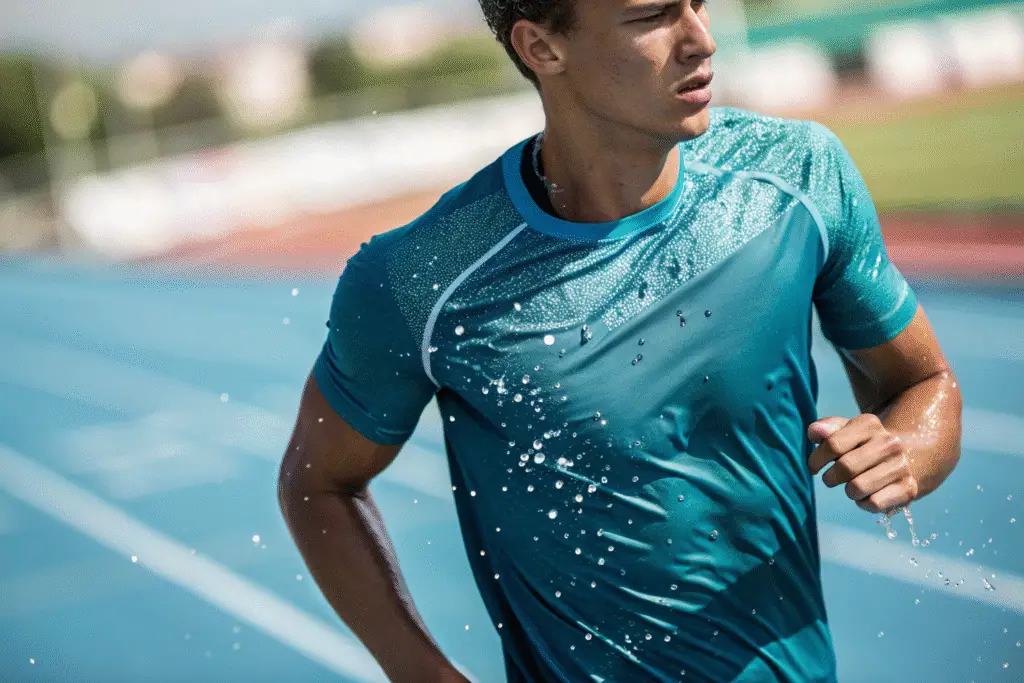
Early moisture-wicking relied on basic polyester. Now, we have engineered fabrics with capillary action. These new fabrics use specially shaped fibers and yarns that pull moisture away from the skin more efficiently. Brands like Coolcore use advanced engineered knitting to create a permanent cooling effect. We tested a similar fabric against a standard polyester for a yoga wear line. The new fabric reduced the perceived feeling of dampness by over 50% according to user feedback. The evolution is also in blending. Combining hydrophobic (water-repelling) and hydrophilic (water-attracting) fibers in a specific ratio creates a powerful pumping effect. This moves sweat to the fabric's outer surface where it can evaporate quickly. This keeps the athlete drier, cooler, and more comfortable.
What Is The Difference Between Moisture-Wicking And Quick-Dry?
While often used together, these are two distinct properties. Moisture-wicking is about transportation. It refers to how fast the fabric moves sweat from your skin to the outer surface. Quick-dry is about evaporation. It refers to how fast the moisture on the fabric's surface evaporates into the air. A fabric can be good at one but not the other. The best performance activewear excels at both. For instance, a fabric with a large surface area and micro-channels is great for wicking. A fabric with a loose weave and chemical treatments that reduce water surface tension will dry very quickly. Understanding this difference is key when specifying fabric for a specific sport. A high-intensity interval training shirt needs superior wicking. A swimsuit cover-up needs superior quick-dry.
How To Source Advanced Fabrics With Reliable Quality Control?
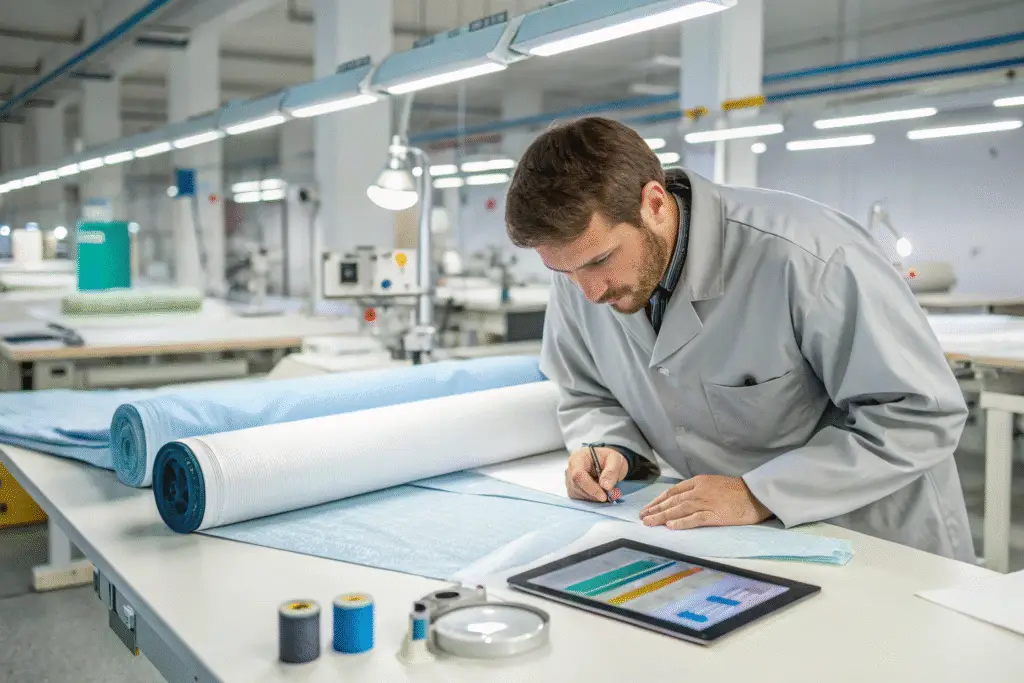
Finding a supplier who can provide these advanced materials is one thing. Ensuring they maintain consistent quality and authenticity is another. This is where a rigorous quality control process is non-negotiable.
What Certifications Should You Look For In A Fabric Supplier?
Certifications are your first line of defense. They provide independent verification of a supplier's claims. For sustainability, look for Global Recycled Standard (GRS) for recycled content and OEKO-TEX Standard 100 for harmful substance testing. For performance, a certificate from the Textile Exchange can validate the origin of organic fibers. We once audited a mill that claimed to produce organic cotton but could not provide a transaction certificate. We walked away. This saved one of our clients from a potential greenwashing scandal. Always ask for the test reports and certificates for the specific batch of fabric. Do not just trust a general company certification.
How Can You Prevent Falsified Quality Documentation?
Unfortunately, falsified documents are a real pain point. The best way to prevent this is through a multi-layered verification process. First, conduct unannounced factory audits. We do this for all our new fabric mill partners. Second, implement third-party lab testing for every major shipment. We partner with international inspection companies to test for composition, colorfastness, and performance properties like moisture-wicking efficacy. Last year, a lab test revealed that the UPF (Ultraviolet Protection Factor) of a shipment of sun-protection shirts was 35, not the 50+ claimed by the mill. We rejected the shipment and sourced from a certified supplier, ensuring our client's product met its marketing claims. Trust, but verify.
Conclusion
The landscape of garment manufacturing is being reshaped by fabric innovation. From sustainable materials that build brand loyalty to smart textiles that offer new functionalities, these technologies provide clear competitive advantages. Understanding and implementing them is key to staying relevant and profitable. Success hinges on partnering with a manufacturer who not only has access to these materials but also possesses the expertise to ensure their quality and authenticity.
If you are ready to integrate these advanced fabric technologies into your next clothing line, we should talk. Our team is equipped to guide you from material selection to final production, ensuring your vision becomes a market-ready reality. For a direct conversation on how we can help, please contact our Business Director Elaine at: elaine@fumaoclothing.com.