The U.S. fashion industry is no longer driven by strict gender binaries. More brands are responding to consumer demand for gender-neutral clothing that offers comfort, functionality, and expressive freedom. From minimalist basics to high-end collections, genderless fashion is evolving rapidly—and manufacturers must adapt to this shift or risk falling behind.
To manufacture successful gender-neutral apparel, brands need factories that understand inclusive sizing, adaptable silhouettes, and materials that feel right across all genders.
As the owner of a Chinese apparel factory serving U.S. fashion labels, I’ve helped clients build collections that move beyond traditional menswear or womenswear. Let’s explore the top manufacturing trends shaping the future of gender-neutral fashion.
What Silhouettes Work Best for Gender-Inclusive Clothing?
Gender-neutral clothing isn’t shapeless—it’s strategically designed. The silhouette must balance fit flexibility with aesthetic intention, working well on a variety of body types.
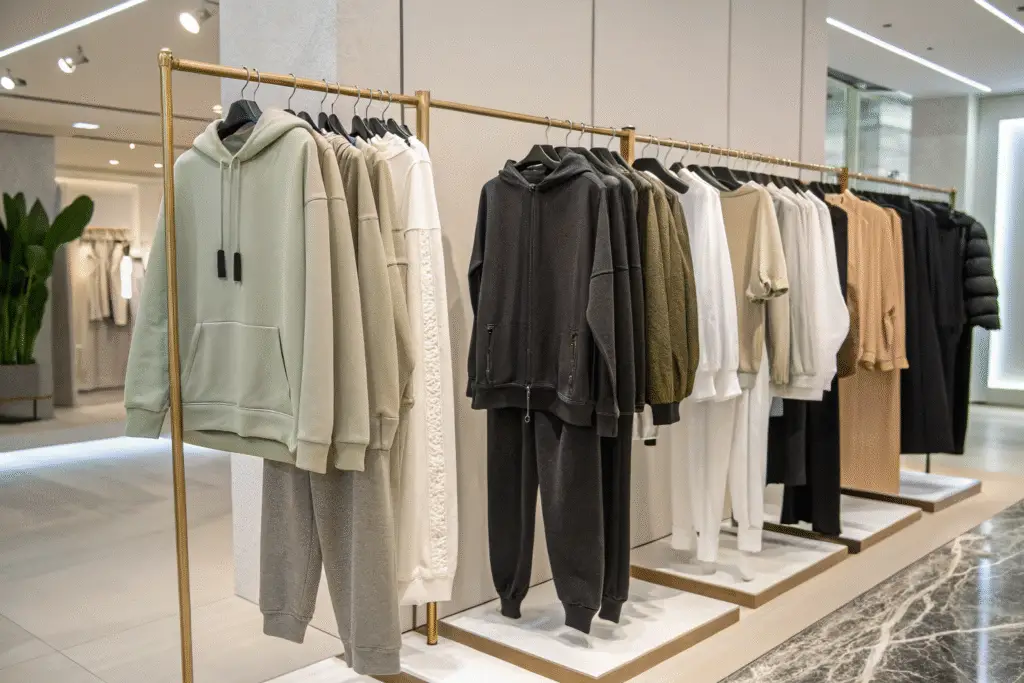
Boxy cuts, relaxed tailoring, drop shoulders, and wide-leg bottoms are leading silhouettes in unisex design.
Why Are Boxy Fits So Popular?
Boxy fits allow brands to serve a broader audience with fewer SKUs. A unisex medium in a boxy tee, for example, fits across traditional men’s small and women’s large. It simplifies production and minimizes inventory waste.
We help brands prototype boxy hoodies and drop-shoulder sweatshirts, ensuring armholes and shoulder points accommodate broader shapes. Learn more at The Good Trade's Unisex Fit Guide.
How Do You Balance Structure and Fluidity in One Design?
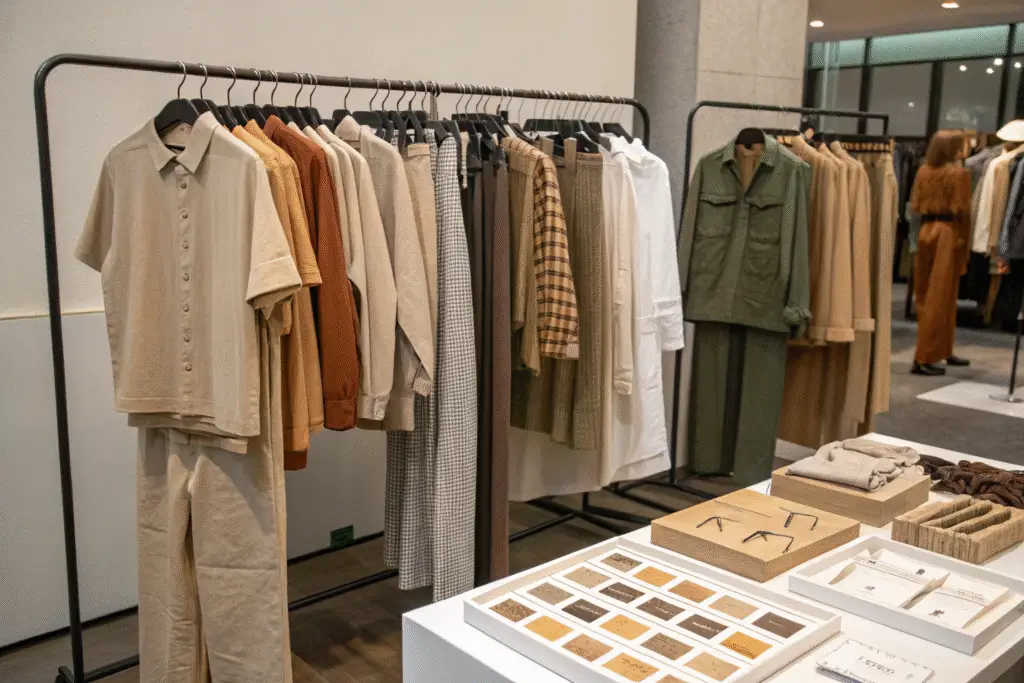
Gender-neutral designs must be both relaxed and flattering. We use details like pleats, darts, or elastic panels to add movement without making garments look baggy. Popular hybrids include adjustable trousers and belted shirt dresses that flex across builds.
Designers often reference Lemaire and Telfar for fluid silhouettes that work beyond gender categories.
Which Fabrics Support All-Gender Comfort and Performance?
When it comes to unisex fashion, feel matters more than ever. Customers expect softness, breathability, and drape regardless of gender identity. Rigid or overly synthetic fabrics often fail.
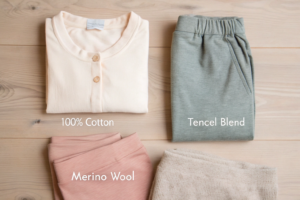
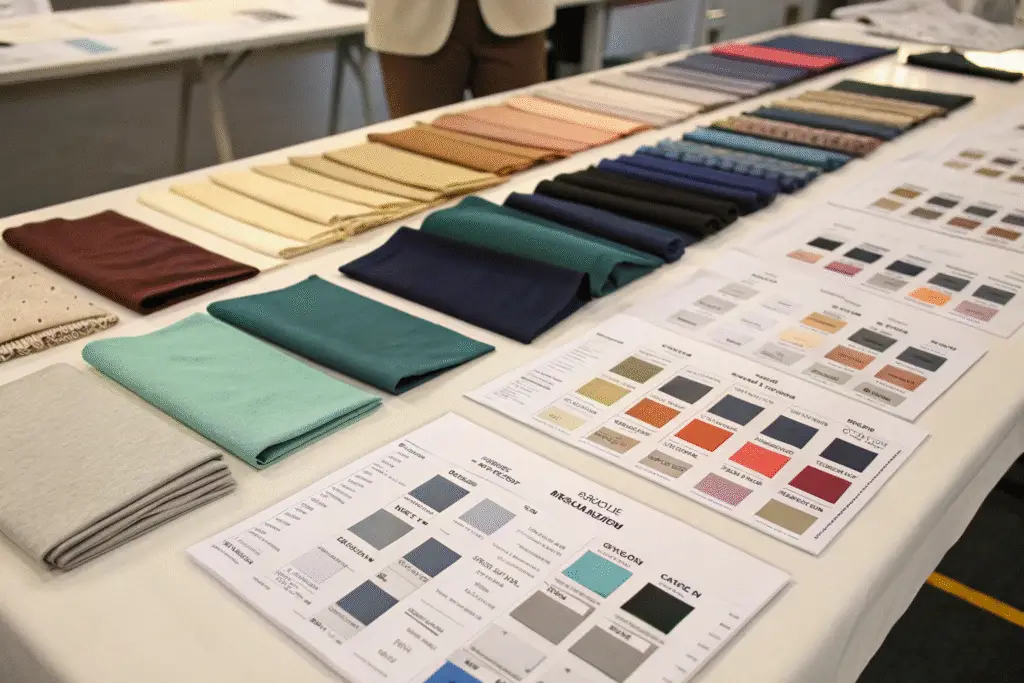
Organic cotton, bamboo blends, and Tencel-based knits are leading choices for their comfort, versatility, and sustainable appeal.
Why Are Plant-Based Fabrics Gaining Popularity?
Plant-based fibers offer softness, cooling effect, and environmental responsibility—values shared across gender-neutral consumers. We manufacture basics using:
- Tencel-modal fleece for midweight unisex sweatshirts
- Organic cotton jersey for year-round tees
- Bamboo rayon for moisture-wicking athleisure lines
More technical specs on Bamboo Textiles Australia and Lenzing’s TENCEL page.
What Fabric Properties Matter for Inclusive Fit?
Drape and stretch matter most. Non-clingy fabrics like interlock knits or peached twill allow comfort without emphasizing body shape. Also, gender-neutral items often require medium weight (180–240gsm) for structure that suits any form.
Double-faced fabrics also help—offering different textures per side and reducing seam visibility. Read more at Textile World’s Knit Fabric Innovations.
How Is Sizing Evolving in Gender-Neutral Apparel?
Sizing is one of the biggest challenges in gender-neutral clothing. Traditional “men’s” and “women’s” charts don’t work here. Brands need flexible systems that don’t alienate anyone.
The best approach is numeric or alpha sizing (XS–3XL) based on chest and hip measurements—not gender labels.
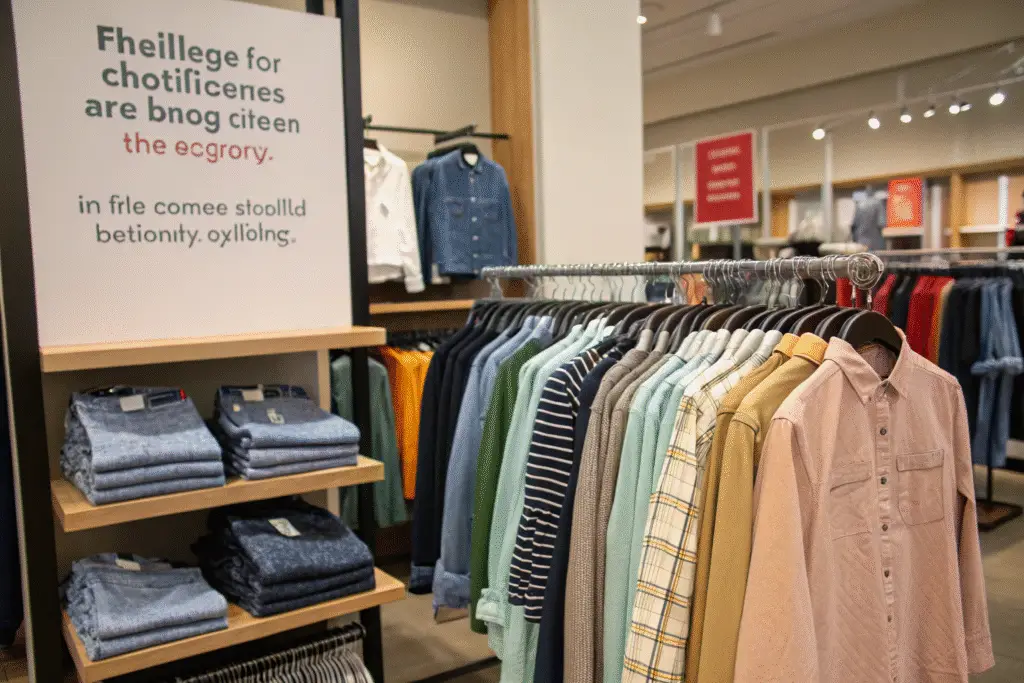
What Are the New Industry Standards for Inclusive Sizing?
We help brands create custom unisex grading systems, often using chest and height as the baseline. Here's an example:
| Label | Chest (inches) | Waist (inches) |
|---|---|---|
| XS | 32–34 | 26–28 |
| M | 38–40 | 30–32 |
| XL | 44–46 | 36–38 |
Fit feedback is collected from all-gender fit models, not just male/female. Learn more at Fashion United's Sizing Shift.
How Do Labels Communicate Inclusivity?
Inclusive brands are ditching "men/women" labels altogether. They use gender-free hangtags, and many feature size indicators based on fit purpose, such as “boxy,” “slim,” or “oversized.”
We offer private label services where clients customize size tags and use print-on demand QR care labels, as featured in Apparel News.
What Manufacturing Innovations Support Gender-Neutral Design?
Factories must evolve alongside design changes. Gender-neutral garments often require more versatile machines, tighter QC tolerances, and enhanced communication between sampling and sewing.
Flat seams, modular construction, digital grading, and 3D sampling are now essential tools for brands producing inclusive designs.
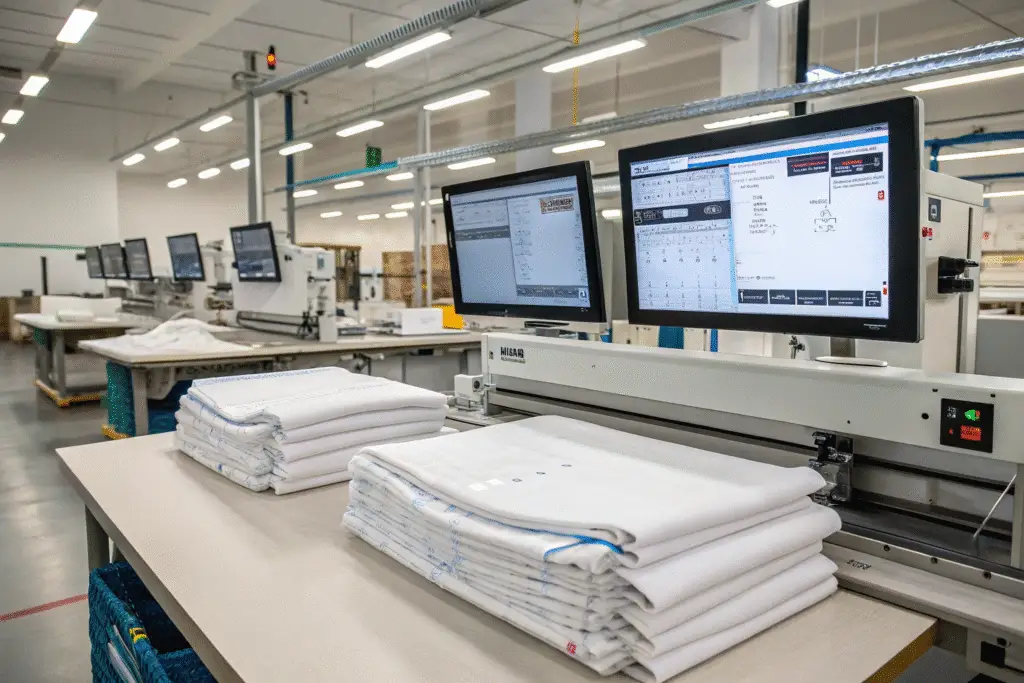
Why Is 3D Sampling Essential for Genderless Apparel?
Since fit must work across diverse bodies, 3D digital sampling tools like CLO3D or Browzwear allow brands to simulate patterns on a range of avatars—reducing errors and improving speed-to-market.
We offer CLO3D renderings during pre-production for every unisex style. Learn more at CLO Virtual Fashion.
What Sewing Techniques Enhance Gender-Neutral Utility?
Flat seams, bar tack reinforcements, and reversible bindings are popular. These reduce visual distinction between “inside” and “outside,” increasing wearability and reducing bias toward traditional male/female construction.
Many clients also request removable components—e.g., layered collars, adjustable hems—adding to the product’s personal expression. Explore more at Not Just a Label.
Conclusion
Gender-neutral apparel is reshaping the future of fashion. From relaxed silhouettes and eco-friendly fabrics to inclusive sizing and 3D sampling, the entire supply chain must rethink how garments are developed and produced. Factories that support flexibility, transparency, and customer-led design will win the next generation of buyers.
At Shanghai Fumao, we’ve helped U.S. brands develop custom unisex styles—from basics to statement pieces—backed by small-batch flexibility, certified fabrics, and DDP shipping. If you’re ready to launch your next gender-inclusive collection, reach out to our Business Director Elaine at elaine@fumaoclothing.com. Let’s build clothing that fits everyone—and leaves no one behind.