Choosing the right garment manufacturer is one of the most critical decisions for any fashion brand. The wrong supplier can cause delays, quality issues, and damage your reputation. But the right one can become a long-term strategic partner.
The secret lies in asking the right questions—early and clearly—to evaluate their capabilities, transparency, and compatibility with your brand goals.
In this article, I’ll walk you through the most important questions every buyer should ask a potential clothing manufacturer before placing an order, whether you're sourcing from China, Vietnam, or anywhere else.
What Production Capabilities Do You Offer?
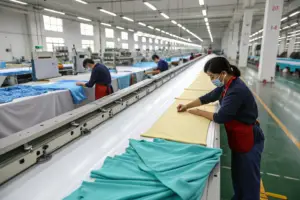
Understanding what a factory can actually produce—and how—is your first checkpoint. Not all suppliers are equipped for all garment types, fabric weights, or embellishment techniques.
Asking detailed questions about production capabilities prevents costly mismatches and failed samples.
Do You Specialize in My Type of Garment?
Ask: "What is your main product category?"
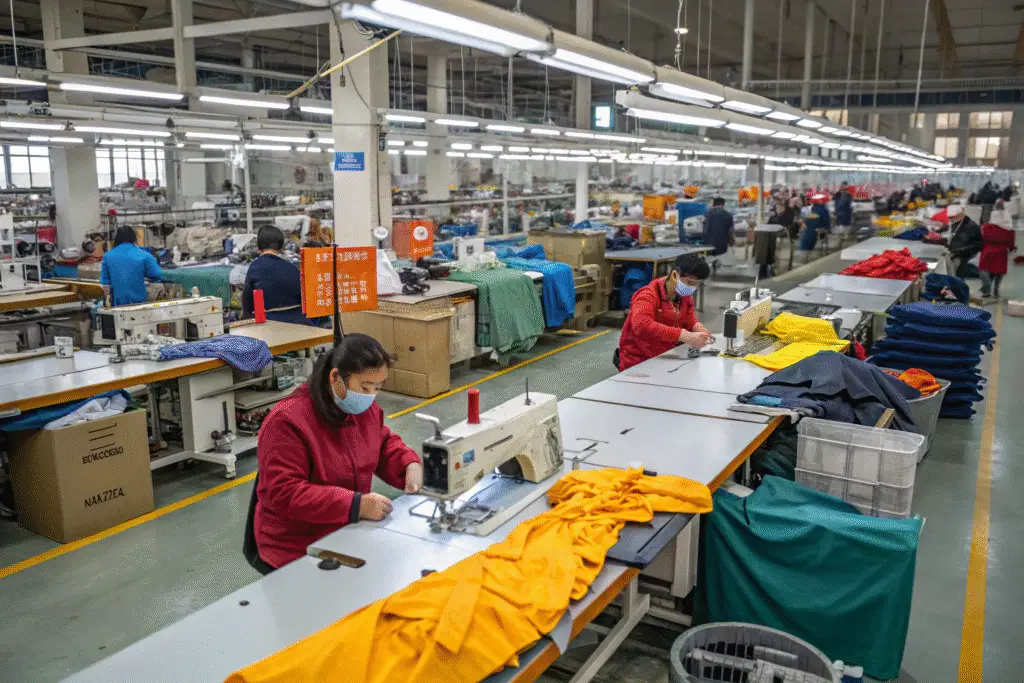
If they usually produce kids’ cotton basics, they may not be the best fit for your structured men’s blazers. A good supplier should show previous production examples and allow you to verify their expertise.
On platforms like MakersValley or Sqetch, factories list their specialties—always cross-check this with their real production output.
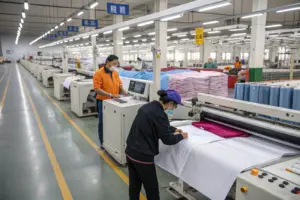
What Machinery and Finishing Techniques Do You Use?
Inquire about:
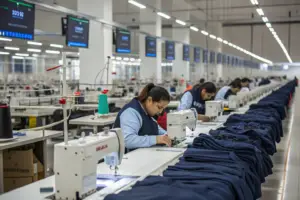
- Type of sewing machines (lockstitch, flatlock, coverstitch)
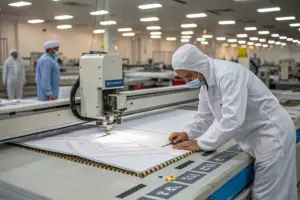
- Cutting methods (manual vs. automatic)
- Special finishes (enzyme wash, garment dyeing, sublimation)
This helps ensure your tech pack matches what they can deliver. At Fumao, we share factory walkthroughs and sample videos so clients know exactly what to expect.
How Do You Handle Quality Control and Revisions?
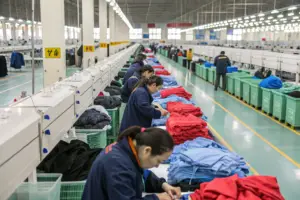
Quality control is often the difference between repeat orders and refund disputes. A factory that lacks QC protocols puts your entire supply chain at risk.
Ask clearly about inspection stages, defect tolerance, and sample correction policies.
What Are Your Inspection Standards?
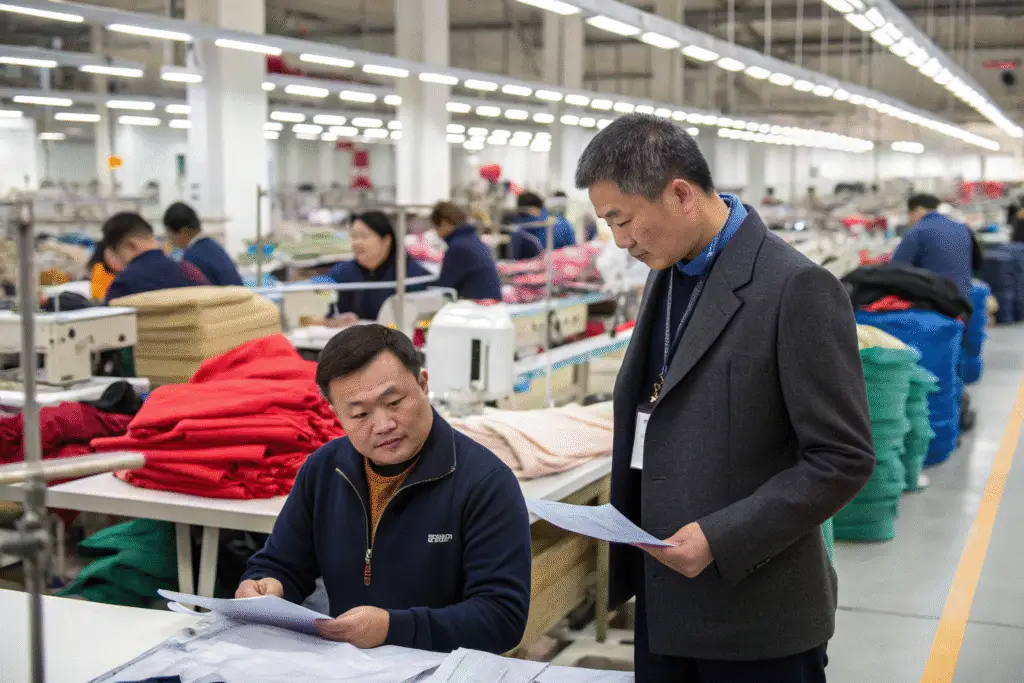
Ask:
- Do you follow AQL 1.0, 2.5, or other levels?
- How often are in-line and final inspections done?
- Can I receive inspection photos before shipment?
Reputable factories usually work with standards like AQL and even allow third-party inspection via agencies like SGS or TÜV SÜD.
How Are Quality Issues Resolved?
Ask:
- What happens if samples are off-spec?
- Will you remake or repair defective goods before shipping?
- Do you offer discounts or reimbursements for faults?
At Fumao, we document every issue via photos, resolve minor ones before packing, and remake when critical. A professional factory should offer options—not excuses.
What Are Your MOQ, Lead Time, and Price Structure?
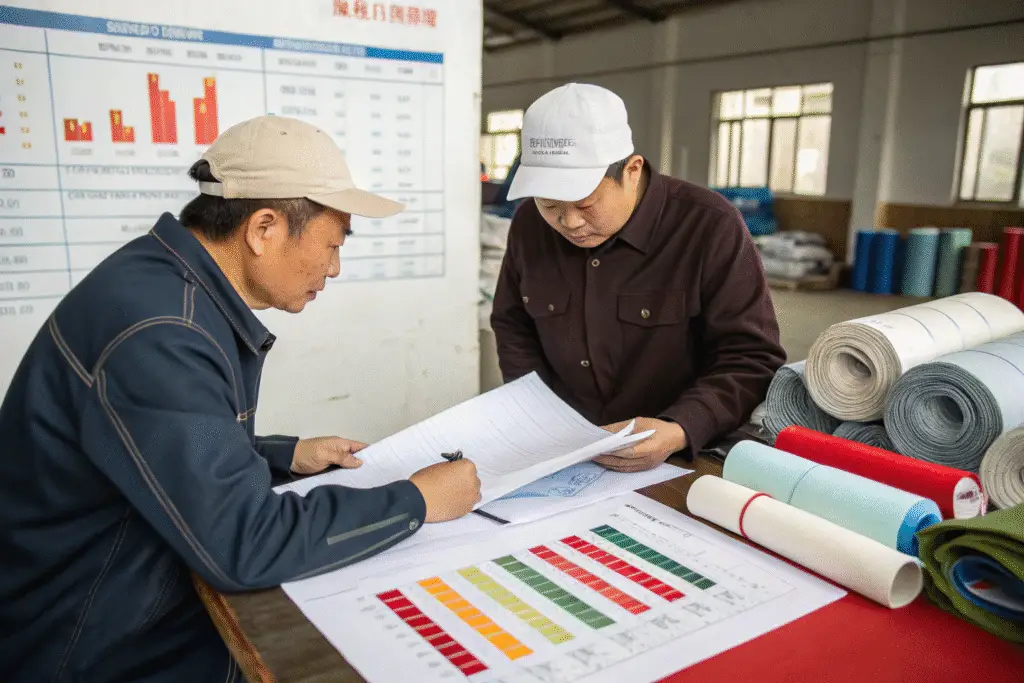
Pricing, lead time, and minimum order quantities (MOQs) vary widely across factories. What works for a large chain won’t suit a small boutique brand—and vice versa.
Clarify all order terms upfront to avoid costly misunderstandings or delays.
What Is Your MOQ per Style or Color?
Ask for:
- Minimums per style and color
- Fabric sourcing MOQ (e.g., 300 yards per color)
- Possibility of sampling with lower volumes
Some suppliers offer flexible MOQs through stock fabric programs. Others may only take orders above 1000 pcs/style. Platforms like Alibaba and Foursource now show MOQ filters to help you prequalify vendors.
How Do You Structure Pricing?
Ask for:
- Price tiers based on quantity
- What’s included (fabric, trims, packaging)
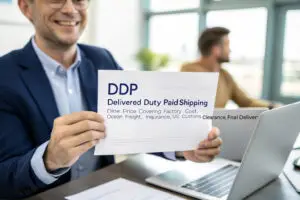
- DDP vs. FOB price breakdown
A transparent quote should list fabric GSM, FOB unit price, and options for bulk discounts. Always compare several offers and calculate landed costs before confirming.
What Certifications and Compliance Measures Do You Follow?
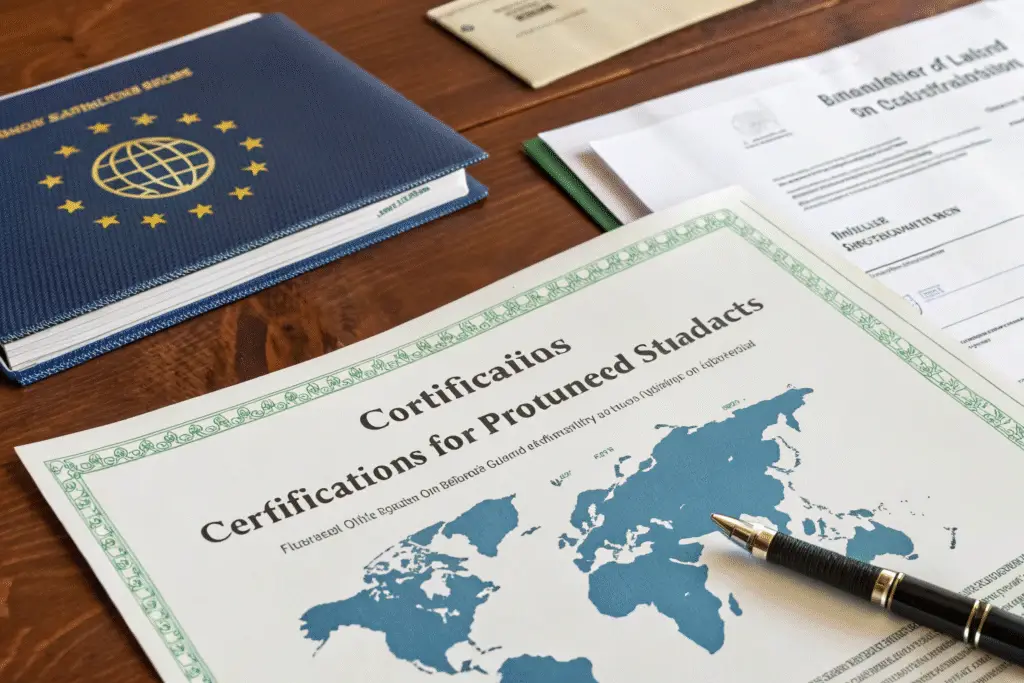
Certifications aren't just paperwork—they ensure your supplier meets global labor, environmental, and product safety standards. Especially when selling to the U.S. or EU.
Ask for valid, verifiable certifications to protect your brand and ensure smooth customs clearance.
Are You Certified by Any Global Standards?
Ask:
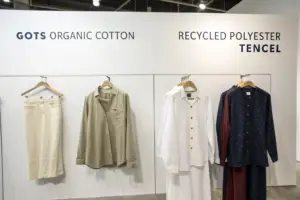
- Do you have BSCI, Sedex, GOTS, or WRAP certification?
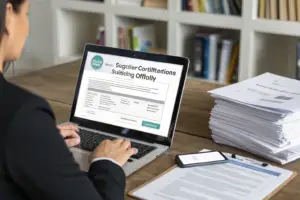
- Can you share your latest audit report?
- Is your fabric OEKO-TEX® or GRS certified?
We display valid documents on our website and include scan copies in client onboarding kits. Use OEKO-TEX’s label check to verify certifications.
Do You Comply with U.S. or EU Import Regulations?
A reliable supplier should understand:
- U.S. Prop 65 chemical limits
- EU REACH regulations
- Import labeling and fiber declaration
Ask if they’ve exported to your target market before. We assist clients by pre-labeling shipments and including HTS codes correctly to avoid customs delays.
Conclusion
Asking the right questions is the foundation of successful garment sourcing. From capabilities and quality control to pricing and compliance, every answer you get helps you make a safer, smarter decision.
At Fumao Clothing, we welcome deep questions—because transparency is our brand promise. If you're ready to work with a factory that treats your business like a partnership, let's start with the right conversation.