Launching a line with licensed characters, sports logos, or branded camo patterns like Realtree is a major business move. It represents a significant investment and carries higher risk than generic apparel. A poor supplier choice can lead to legal action, seized shipments, and irreparable brand damage. Many buyers focus solely on price, only to discover that with licensed goods, the cheapest option is often the most expensive mistake.
The key factors in selecting a B2B supplier for licensed apparel are, in order of non-negotiable priority: 1) Proven Licensing Compliance and Verification Processes, 2) Specialized Expertise in Brand-Guide Adherence and Technical Execution, 3) Transparent and Documented Supply Chain Management, and 4) Financial Stability and Clear Contractual Terms. Price should be a secondary consideration after these pillars are firmly established.
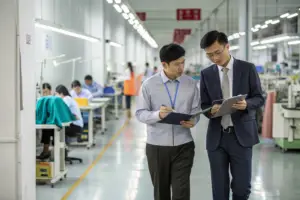
For brand owners, distributors, and buyers, the supplier isn't just a manufacturer; they are your licensed brand's guardian. Their processes directly protect your business from catastrophic risk. Let's break down why these factors are critical and how a partner like Shanghai Fumao operationalizes them to ensure your success.
How Do You Verify a Supplier's Licensing Compliance?
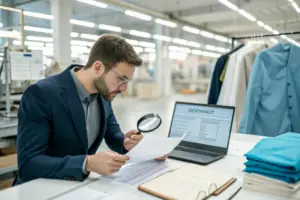
This is the absolute first gate. No other factor matters if the supplier cannot legally produce the goods. Compliance isn't just a document; it's an active, verifiable process. A reputable supplier will proactively guide you through this, not avoid the topic.
You verify compliance by requesting and directly confirming the supplier's specific license for the property you intend to use, examining their process for handling your Royalty Reporting, and conducting due diligence to ensure there is no history of infringing behavior through platforms like the U.S. Customs and Border Protection IPR search.
What Evidence Should a Legitimate Supplier Provide?
Ask for concrete evidence, not verbal assurances. A legitimate supplier must be able to provide:
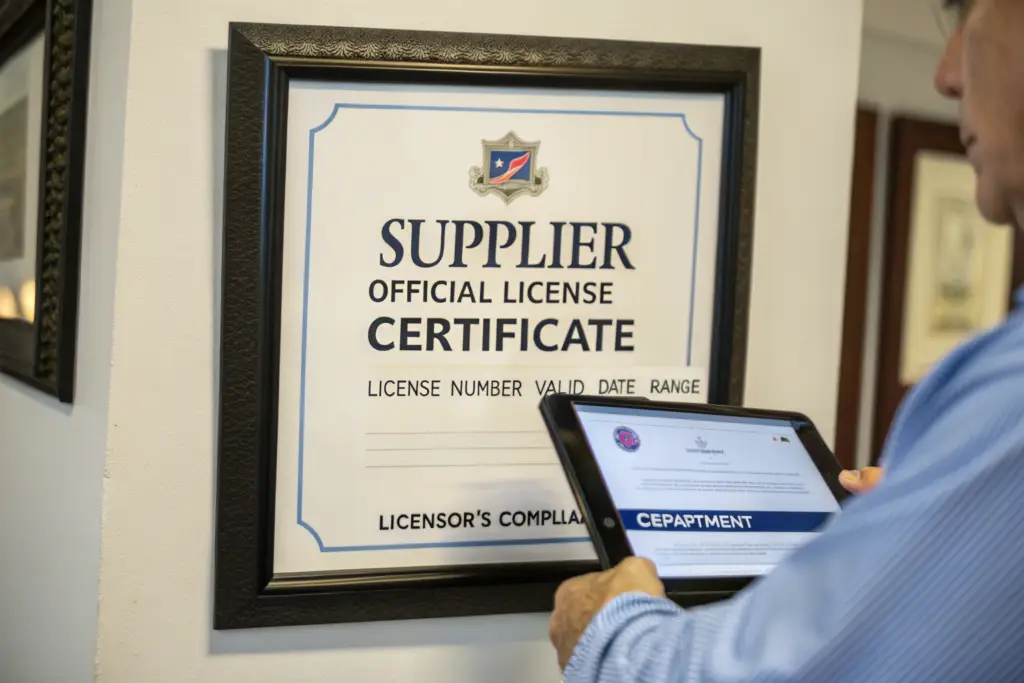
- Their Certificate of License: A scanned copy of the official document granting them the right to manufacture for the specific product category (e.g., "adult outerwear"). Cross-check the company name and validity dates.
- Chain of Authorization Proof: Documentation showing how the licensed artwork or prints are sourced. They should receive them directly from the licensor or an authorized intermediary, not download them from the internet. At Shanghai Fumao, for a recent Marvel apparel project, we provided the client with the authorization code and contact at the licensor's designated design house for them to verify.
- Sample of Royalty Reports: Request a redacted sample of how they prepare and submit royalty reports to the licensor. A transparent process here shows they are set up for legitimate, long-term business, not a one-off risky deal.
A distributor client came to us after a nightmare: their previous supplier used counterfeit Disney prints. The entire container was seized at the port of Los Angeles. The financial loss was total. This is why we treat compliance as our #1 quality assurance metric.
Why is Direct Verification with the Licensor Important?
Always conduct your own verification. A supplier's certificate could be forged or expired.
- Contact the Licensor: Use the contact information on the official licensing website. Inquire if the factory is an authorized manufacturer for the property.
- Request a Confirmation Email: A brief email from the licensor's compliance team confirming the relationship is gold-standard evidence.
- Check for "Approved Vendor" Lists: Some large licensors have lists of pre-vetted factories on their partner portals.
This step, though requiring effort, is your ultimate shield against suppliers falsifying certificates. It transforms your sourcing from a gamble into a managed risk.
What Specialized Expertise is Needed Beyond Basic Manufacturing?
Licensed apparel demands precision that goes far beyond standard garment construction. Every stitch, color, and placement is dictated by a brand guide. A supplier without dedicated experience in this realm will make costly aesthetic and technical errors.
The needed expertise includes a dedicated graphics/print management team fluent in brand guide interpretation, technicians skilled in specific applications like embroidery or heat-transfer for logos, and a quality control protocol built around aesthetic accuracy, not just structural integrity.
How Does a Supplier Manage Complex Brand Guidelines?
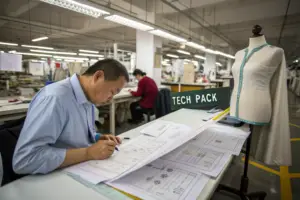
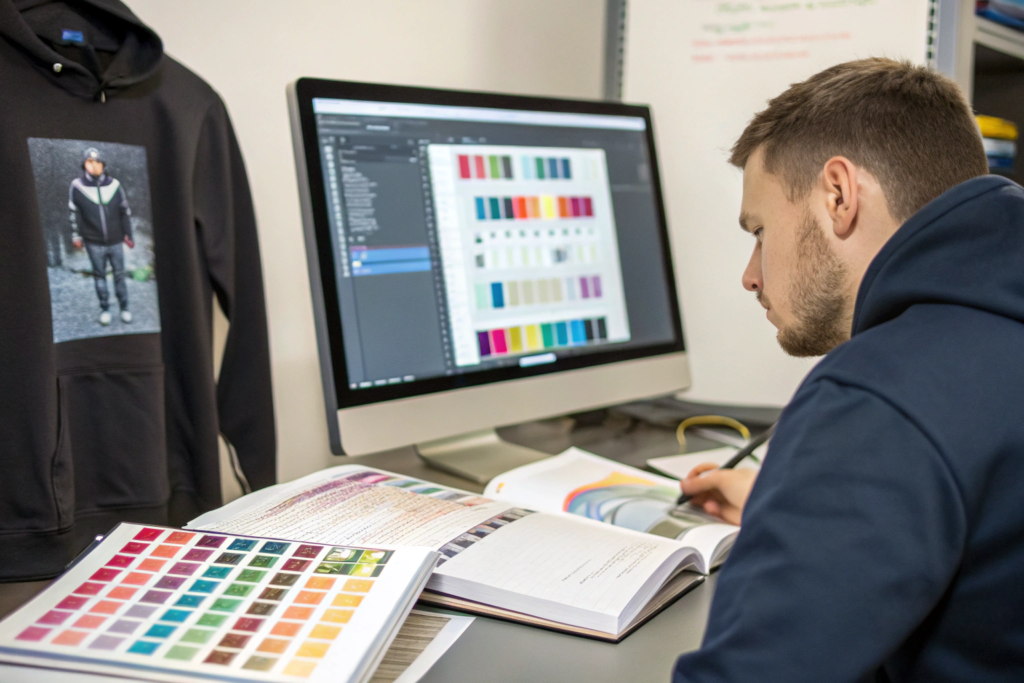
Brand guides can be over 100 pages long. A professional supplier will have a system to "translate" this guide into factory-floor instructions. Key elements we manage include:
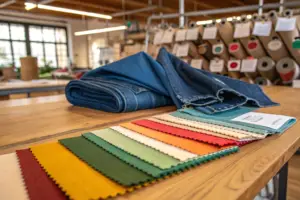
- Color Management: Using physical Pantone swatches and calibrated monitors to match exact colors for prints, thread, and fabric. A 5% color shift can lead to rejection.
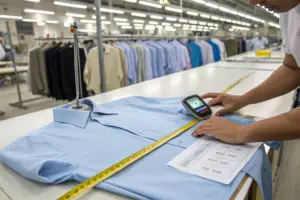
- Logo Placement Grids: Creating laser-cut templates or digital markers to ensure every logo is positioned within the allowed millimeter tolerance.
- Approved Material Lists: Sourcing trims (zippers, buttons, drawcords) only from the licensor's approved vendors, if specified.
We learned this the hard way years ago with a collegiate order. Our then-standard orange thread was slightly off from the university's official "Tennessee Orange." The entire batch failed inspection. We now have a dedicated "Brand Compliance Desk" that signs off on all color submissions before production begins, solving this precise pain point.
What Technical Challenges are Unique to Licensed Apparel?
The decoration methods themselves pose challenges:
- Embroidery Density on Performance Fabrics: Stitching a detailed logo onto a lightweight, stretchy camo fabric can cause puckering. An expert factory will test underlay, stabilizers, and needle types to find the perfect balance.
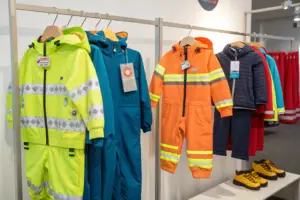
- Print Durability on Outdoor Gear: A printed character logo on a rain jacket must withstand abrasion and washing. We conduct specific wash tests and crocking tests for every new print technique.
- License Label Integration: The woven license label (e.g., "Official Licensed Product") must be sewn in the exact specified location with the correct stitch type. Our QC checks this on every single piece.
This expertise ensures the product not only looks right but also performs and lasts, protecting your brand's reputation with the end-consumer.
Why is Supply Chain Transparency Non-Negotiable?
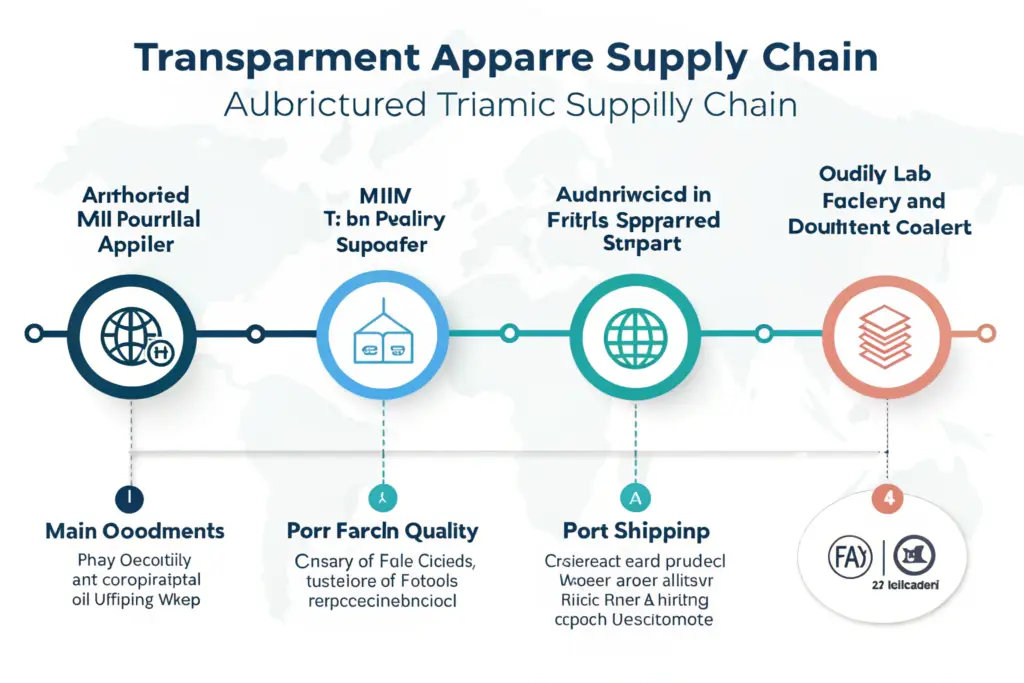
With licensed goods, your liability doesn't end at the factory door. If a sub-supplier uses unauthorized or non-compliant materials (like non-approved dyes), you are still responsible. A transparent supply chain is your audit trail.
Transparency is non-negotiable because it allows you to trace the origin of all licensed components, verify material certifications, and ensure ethical and environmental compliance standards are met throughout the production chain, directly mitigating legal and reputational risks.
What Documentation Should You Expect About the Supply Chain?
A trustworthy supplier will provide, at minimum:
- Mill Certificates for Fabric: Especially for licensed patterns, proving the fabric came from an authorized source.
- Test Reports from Accredited Labs: For materials and finished goods, showing compliance with safety (e.g., CPSIA for kids' wear) and performance standards.
- Component Sourcing List: A list of all sub-suppliers for major components (e.g., insulation, reflective tape), with their business licenses.
For example, when producing kids' wear with licensed characters, we provide full test reports for phthalates and lead content. We also document the entire logistics path to ensure no unauthorized substitutions occur during transit.
How Does Transparency Prevent Costly Surprises?
Opacity leads to shortcuts. Transparency enforces accountability. A client sourcing NBA jerseys discovered their former supplier was using a cheaper, unapproved knit fabric that pilled easily. The problem wasn't visible until after sale, leading to mass returns. By insisting on knowing and approving the fabric mill upfront, you lock in quality. This level of control is a cornerstone of our full-package manufacturing service, where we manage and disclose the entire chain.
Conclusion
Selecting a B2B supplier for licensed apparel is a high-stakes vetting process that must prioritize risk management and expertise over initial cost savings. The right partner functions as an extension of your compliance department, your quality team, and your brand's integrity. They bring proven systems for license verification, specialized technical execution, transparent supply chain management, and solid contractual clarity.
This rigorous approach protects your investment, safeguards your brand from legal peril, and ensures the final product delights your customers and meets the exacting standards of the licensor. In the world of licensed apparel, your supplier's capabilities are your most valuable asset.
If you are seeking a manufacturing partner who understands that producing licensed apparel is about guardianship as much as it is about craftsmanship, Shanghai Fumao is built for this challenge. Our systems are designed to provide the security, expertise, and transparency you need to succeed. To discuss how we can become your reliable partner for licensed apparel, please contact our Business Director Elaine at: elaine@fumaoclothing.com.