Fabric weight is one of the most critical decisions in apparel development. It affects how a garment drapes, feels, performs—and how buyers perceive its quality. But most new apparel buyers overlook it, choosing styles based only on color or fit without understanding the impact of GSM.
The right fabric weight ensures your clothing looks, fits, and performs the way customers expect—whether it’s a breezy summer dress or a thick hoodie. In bulk manufacturing, this decision also affects freight cost, customs duty, and final pricing.
As an experienced clothing manufacturer in China, I often guide overseas clients through fabric weight selection. In this article, I’ll walk you through exactly how to choose the right GSM for your apparel project.
What Is GSM and Why Does It Matter?
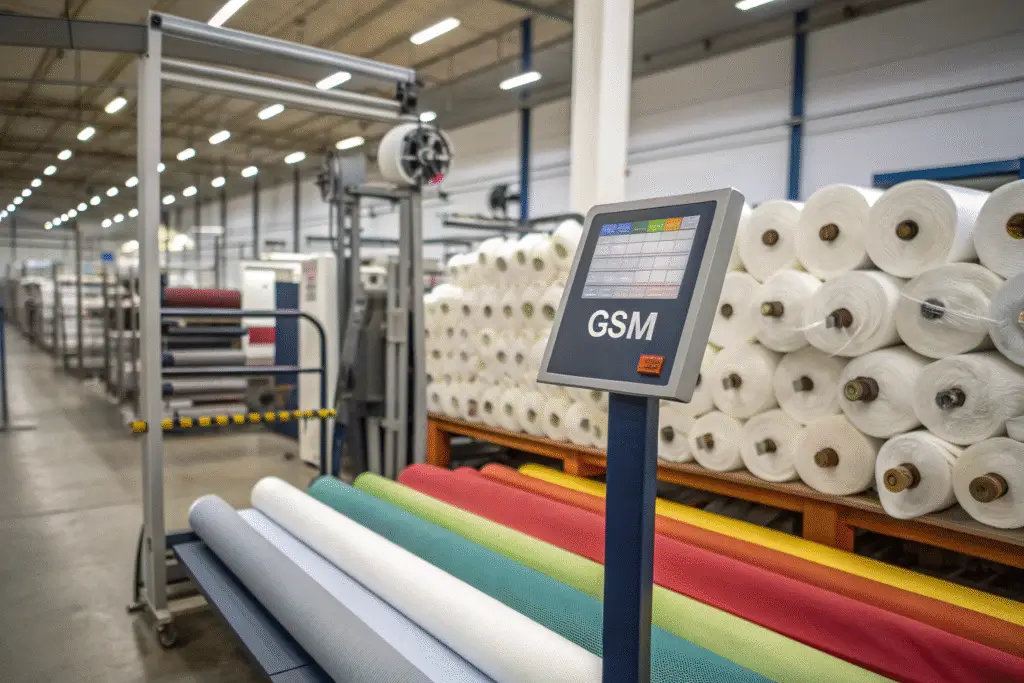
GSM stands for grams per square meter. It’s the standard measurement for fabric weight across both woven and knit textiles. It’s a major factor in determining how the finished garment feels and behaves.
In simple terms: the higher the GSM, the thicker and heavier the fabric. GSM affects garment cost, seasonality, fit, and even regulatory classification.
How Is GSM Measured?
GSM is calculated by cutting a swatch (typically 10x10cm), weighing it in grams, and converting it per square meter. Professional mills and manufacturers use GSM cutters and digital scales for precision.
Learn how to calculate GSM step-by-step from this Fabric GSM Guide or explore Testex’s GSM cutters.
What Ranges Are Considered Light, Medium, or Heavy?
| Fabric Weight | GSM Range | Examples |
|---|---|---|
| Lightweight | 50–150 GSM | T-shirts, blouses, linings |
| Midweight | 150–300 GSM | Polo shirts, dresses, leggings |
| Heavyweight | 300+ GSM | Hoodies, outerwear, denim, fleece |
Understanding this chart helps buyers request the right fabric from suppliers.
How Does Fabric Weight Impact Different Apparel Types?
Every garment has an ideal GSM range based on its use case. Choosing the wrong weight can lead to poor performance, fast returns, or low perceived value.
You need to match the fabric weight with the garment’s purpose, seasonality, and fit requirements.
What GSM Works Best for T-Shirts and Tops?
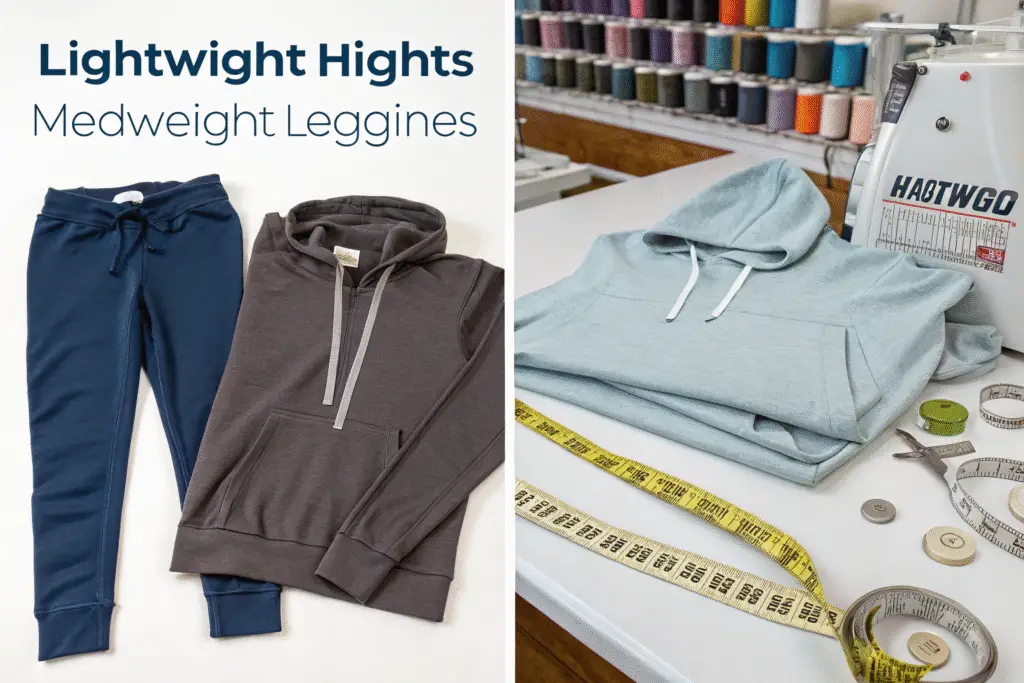
For basic tees or fashion tops, 120–180 GSM is most common. A 120 GSM tee feels softer and drapes better in summer, while a 160–180 GSM option holds shape better and appears more premium.
Explore Bella+Canvas’s GSM comparison or Next Level Apparel’s fabric specs.
Which Weight Should You Choose for Bottoms and Activewear?
Leggings, joggers, and yoga pants require 200–280 GSM depending on coverage, stretch, and compression needs. Anything below 180 GSM for bottoms tends to become see-through or prone to pilling.
Check out Fibre2Fashion’s guide on activewear fabric performance or browse fabrics from Carvico for reference.
What Factors Should Guide Fabric Weight Selection?
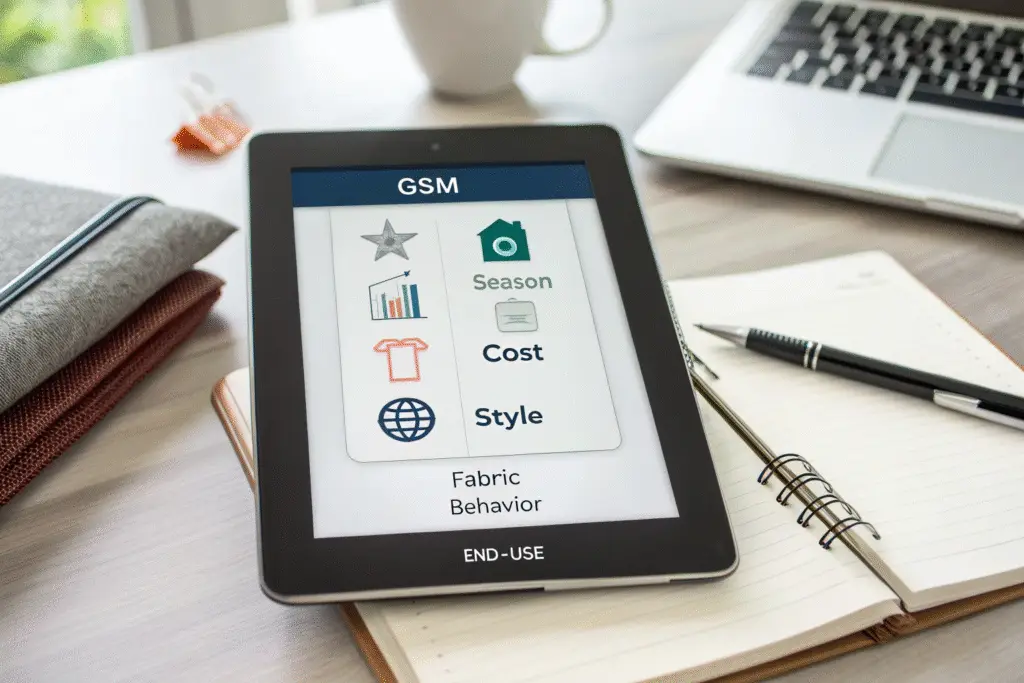
Beyond feel and drape, other elements play a role in choosing the right weight for production. The ideal GSM must balance buyer goals, climate, freight costs, and price expectations.
Key factors in choosing GSM include function, climate, silhouette, customs category, and material composition.
How Does Season and Climate Affect GSM Choices?
Summer lines call for 80–130 GSM cottons, linens, or rayon for maximum breathability. Winter ranges often need 280–380 GSM for fleece, wool blends, or double knits. A layering-focused collection may favor midweight 150–200 GSM pieces.
You can explore Cotton Inc’s seasonal fabric trend forecast or consult Pantone’s season-based palettes.
How Does GSM Influence Import Duties and Shipping?
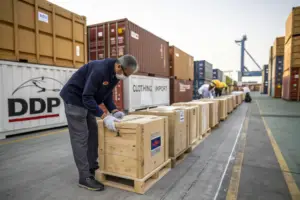
Heavier fabrics increase the net weight of shipments, raising DDP pricing and even reclassifying customs codes. Some HS codes are weight-sensitive, especially in woven cotton or denim categories.
Visit HTS codes for textiles for U.S. import classification or read CBP’s import documentation for apparel.
How to Communicate Fabric Weight with Your Factory?
If you're working with an overseas manufacturer, unclear fabric specs often lead to disappointment. Simply saying "make it heavier" or "use thicker material" doesn’t help your supplier.
Always communicate GSM ranges, fabric type, fiber blend, and garment use-case during sampling.
What Should Be Included in Your Tech Pack?
Include:
- Fabric name and composition (e.g. 95% cotton, 5% spandex)
- GSM range (e.g. 180–200 GSM)
- Finishing (e.g. enzyme wash, peached)
- Stretch requirement (if knit)
- Draping or silhouette target (e.g. flowy vs structured)
Use templates from Techpacker or Maker’s Row to keep your communication clear.
How to Request Fabric Samples for Testing?
Ask your supplier to send 3–5 swatches of similar GSM fabrics. You can verify weight using a small precision scale or GSM cutter, or request lab test reports from certified agents like SGS or Intertek.
Always confirm the final GSM before bulk production approval.
Conclusion
Choosing the right fabric weight isn’t just a technical detail—it’s a strategic decision that impacts fit, durability, logistics, and cost. For every garment we produce at Fumao Clothing, we align GSM with the intended use, customer expectations, and regional climate preferences.
If you’re ready to source fabric or apparel with expert guidance on GSM, fiber blends, and QC support, contact our Business Director Elaine today at elaine@fumaoclothing.com. We help global apparel brands build better products from the fiber up.