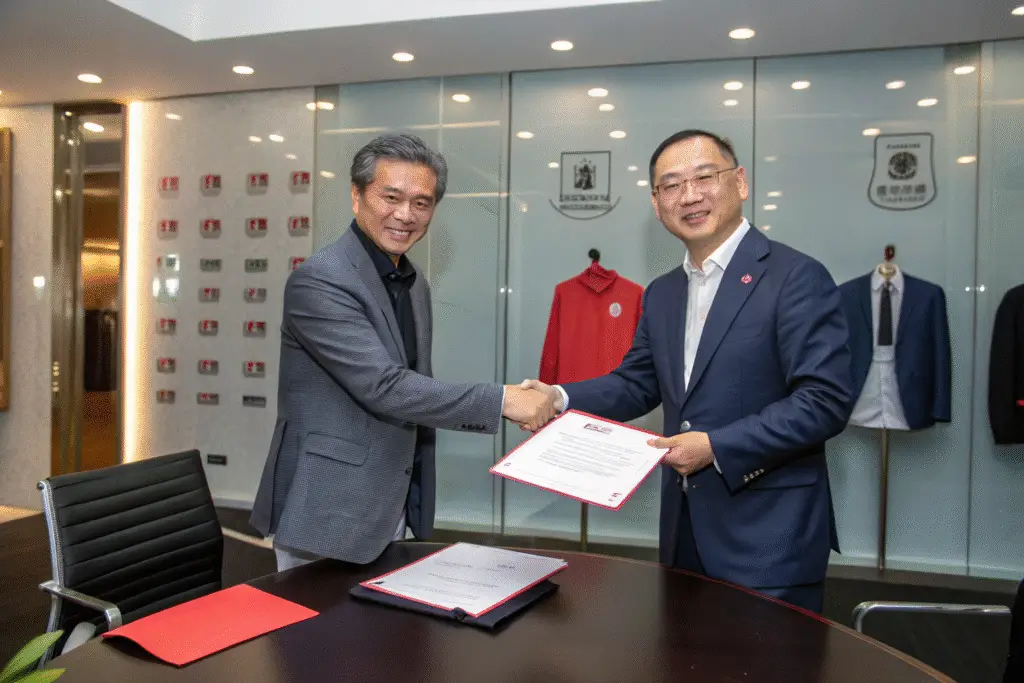
You’ve found the right factory. Samples look great. Pricing makes sense. But before you start bulk production, one document stands between success and regret: the manufacturing agreement.
A well-drafted garment manufacturing agreement defines responsibilities, protects your IP, and ensures your supplier delivers on quality, quantity, and time.
As a manufacturer, I’ve seen what happens when buyers skip this step—and when they get it right. Here’s how to build an agreement that protects your fashion business.
What Clauses Should Define Product Scope and Quality?
Start with clarity. The more specific your scope, the less room there is for error or misinterpretation.
Your agreement must describe exactly what’s being made—down to the fabric weight, trims, stitching, and packaging.

What Should Be Included in Product Scope?
- Tech pack reference
- Material composition (e.g., 95% cotton, 5% spandex)
- Color codes (Pantone or lab dip)
- Label & packaging layout
- Trim sources (e.g., YKK zippers, specific button style)
Some buyers link to a shared Google Drive folder with tech packs and reference samples to reduce attachment size in the contract.
How to Define Quality Expectations?
- Tolerance levels (+/- measurements)
- AQL standard (e.g., AQL 2.5 for final inspection)
- Testing compliance (OEKO-TEX, GRS, etc.)
- Sample approval process (prototype → PP sample → bulk)
Tools like QIMA help you standardize inspection checklists and create objective metrics to include in your agreement.
How to Clearly State Production Timelines and Penalties?
Time is money—especially in fashion.
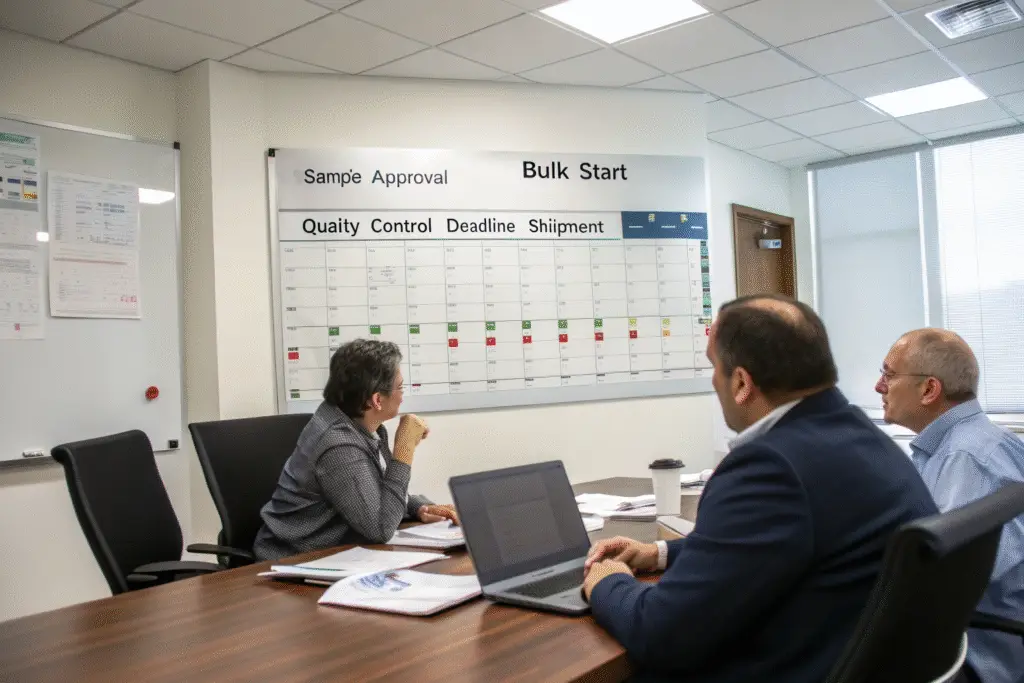
Your contract must specify start and end dates, approval checkpoints, and late delivery penalties to keep production on track.
What Dates Must Be Agreed Upon?
- Sample approval deadline
- Material sourcing deadline
- Bulk start date
- QC booking date
- Shipment date (FOB or DDP)
We often use Gantt charts to visualize key dates for clients—shared through tools like Notion or Trello.
Should You Include Late Delivery Clauses?
Yes—especially if you're selling seasonally. Include:
- Penalty per delayed day (e.g., 1–2% of PO value)
- Grace period (e.g., 3–5 business days)
- Cancellation rights after major delays
This keeps all parties accountable without ambiguity.
What Payment Terms and Cost Protections Should Be in Place?
No matter how good the product is, unclear payment terms can damage trust—or worse.
A fair manufacturing agreement outlines payment breakdowns, currency terms, refund rules, and what happens if things go wrong.

What Payment Structures Are Most Common?
- 30% deposit upon contract
- 70% balance after final inspection or before shipment
Some U.S. buyers prefer Alibaba Trade Assurance for smaller POs under $20K, or use Payoneer for secure cross-border transfers.
What Happens if Goods Fail QC?
- Right to withhold final payment until pass
- Factory must remake or fix at own cost
- Partial refund if defects found post-shipment
At Fumao, we standardize this in contracts to reduce disputes later. QC report attachments make it enforceable.
How Can You Protect Intellectual Property and Branding?
Your brand’s identity is valuable—don’t leave it exposed.
A strong contract restricts the factory from copying or selling your designs, using your logo, or sharing your production details.

What IP Clauses Should Be Included?
- NDA: All designs, tech packs, materials confidential
- No resale clause: Factory may not sell extra units
- No photos of products in factory’s portfolio
- Ownership statement: Brand owns all IP rights to designs, prints, and labels
We suggest including your registered trademark number (if applicable) and attaching all proprietary materials as “Exhibit A.”
What About Factory Subcontracting?
Many factories outsource during peak season. Your contract should state:
- No subcontracting without written consent
- You have the right to audit any secondary unit
- Subcontractors must meet the same compliance terms
This ensures your quality and ethics aren’t diluted behind the scenes.
Conclusion
A strong garment manufacturing agreement is your safety net. It reduces miscommunication, protects your designs, and ensures accountability from both sides. Whether you’re importing 500 pcs or 50,000, clarity upfront means fewer surprises later.
At Fumao Clothing, we provide standard manufacturing contracts aligned with global sourcing expectations. We welcome customization, legal review, and mutual clarity—because your brand’s security is our responsibility too.