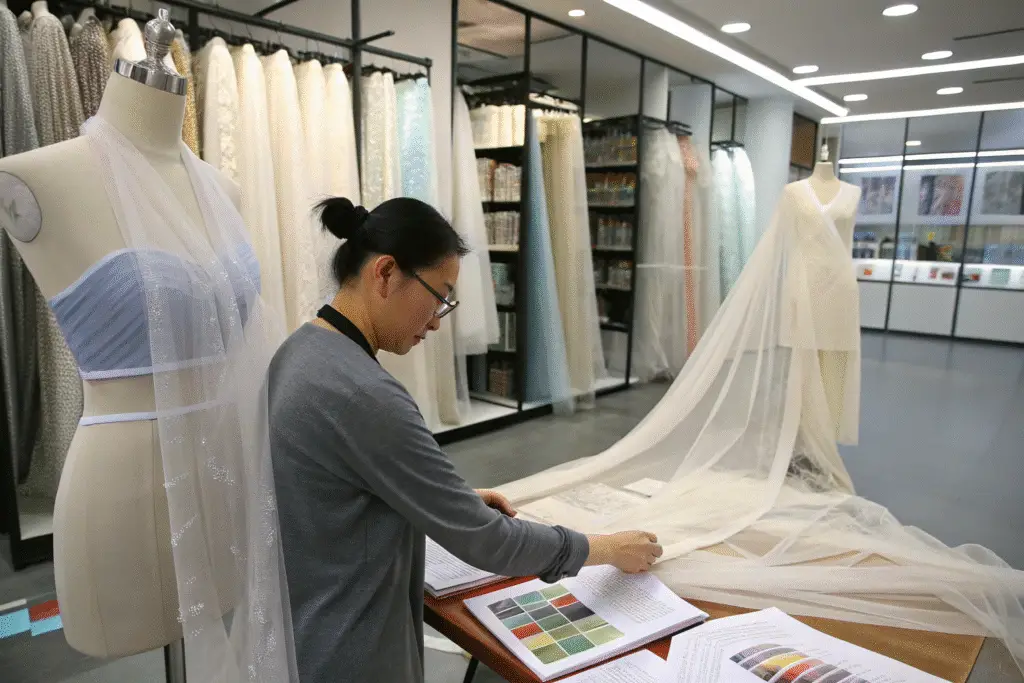
Sheer fabrics are a staple in women’s fashion, bridalwear, resort collections, and eveningwear. From lightweight chiffon dresses to layered mesh tops and embellished organza gowns, sheer fabrics deliver elegance and movement — but they also pose specific sourcing challenges. For fashion buyers and brand owners like Ron, the success of a garment line can hinge on getting the transparency, drape, and quality of these fabrics just right.
To source sheer fabrics effectively, you need to evaluate fiber type, GSM, drape behavior, dyeing capability, quality consistency, and MOQ flexibility — while partnering with a mill experienced in precision weaving and finish control.
As a full-package apparel manufacturer, we’ve helped numerous clients build stunning collections using sheer fabrics sourced responsibly and affordably. This guide walks you through the sourcing considerations that matter most.
What Fabric Types Fall Under the “Sheer” Category?
Sheer fabrics are defined by their see-through quality, but not all sheer materials behave or feel the same. Fiber choice, weave structure, and finish all impact the end-use of the fabric.
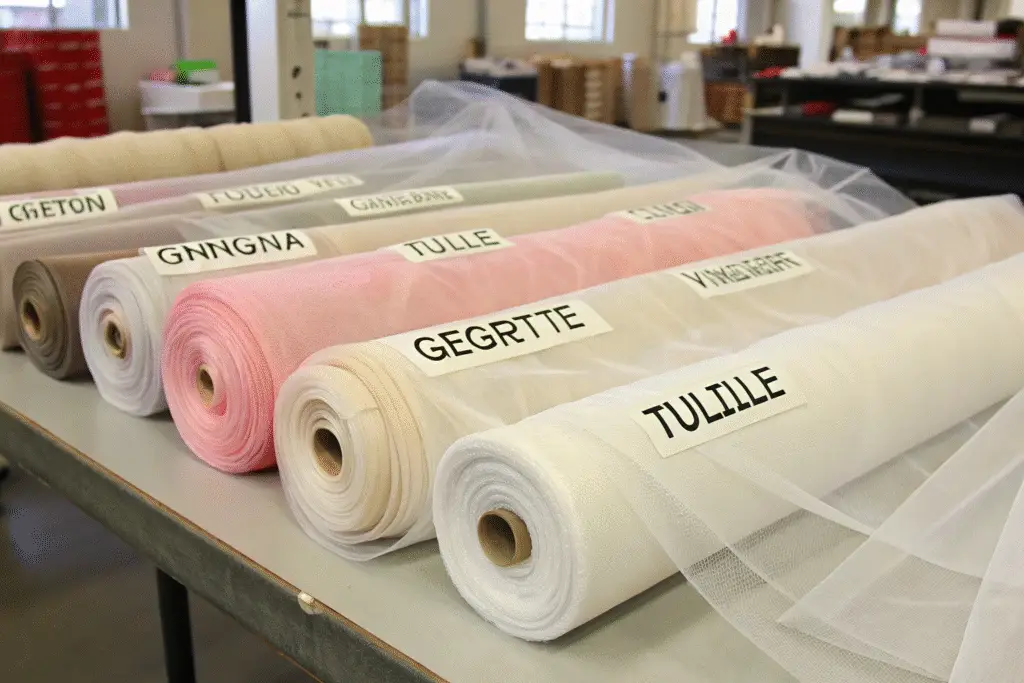
Top sheer fabric types include chiffon, georgette, organza, voile, mesh, and tulle — each with distinct texture, stretch, and application use.
What Are the Most Popular Sheer Fabrics for Fashion?
- Chiffon: Lightweight, fluid, and matte. Often used in layering, skirts, and draped tops. See Mood Fabric’s chiffon range for reference.
- Organza: Crisp and structured with high shine. Common in bridal and statement sleeves.
- Georgette: Heavier and more textured than chiffon, with a dull crepe finish. Preferred for durability.
These fabrics may be made from polyester, silk, or blends. Synthetic versions offer better price and wrinkle resistance, while silk-based options are premium.
What Sheer Fabrics Are Used in Casualwear or Lingerie?
- Tulle and mesh: Often used in lingerie, sportswear panels, and trims. Offers stretch and air permeability.
- Voile: Lightweight, soft, and cotton-based — perfect for resort shirts and blouses.
We work with mills offering OEKO-TEX certified versions of all these categories, including stretch mesh made with Lycra.
How to Evaluate Transparency and Fabric Weight?
Transparency is subjective — and depends on how the fabric behaves under movement, lighting, and layering. It also affects what linings or finishing your garment may need.
Key technical factors to evaluate include GSM (grams per square meter), fiber fineness (denier), weave density, and opacity under light.
What’s the Ideal GSM Range for Sheer Fabrics?
Most sheer fabrics fall between 20–50 GSM:
| Fabric Type | GSM Range | Application |
|---|---|---|
| Chiffon | 30–40 | Dresses, blouses |
| Organza | 40–60 | Bridal, structured tops |
| Mesh | 25–35 | Lingerie, activewear |
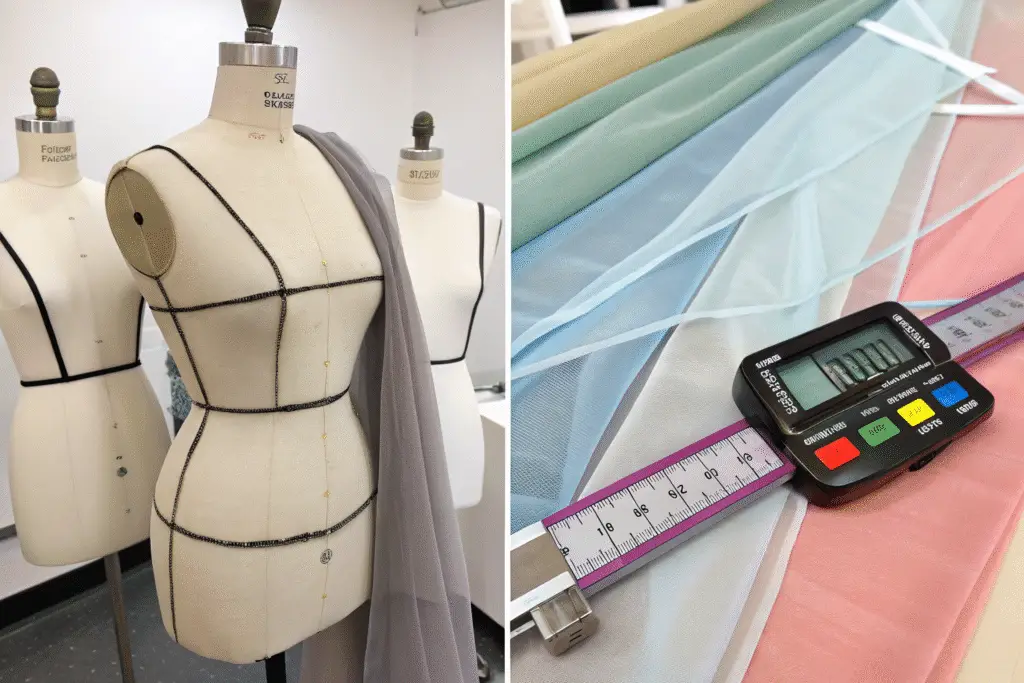
Use a GSM cutter and digital scale for lab evaluation, or request mill-provided weight specs before confirming.
How Can You Control Transparency Levels?
Transparency is influenced by yarn size, spacing, and fiber refractive index. To manage this:
- Use lined mock-ups or scanned samples over skin-tone charts
- Choose double-layer weaves or digitally printed sheer bases
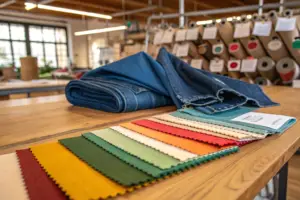
- Ask for fabric shade cards across light-to-dark tones
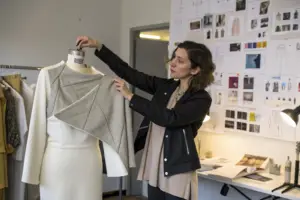
We help clients test transparency using mannequin torso drapes under photography lighting — simulating retail try-on conditions.
What Dyeing and Finishing Methods Work Best?
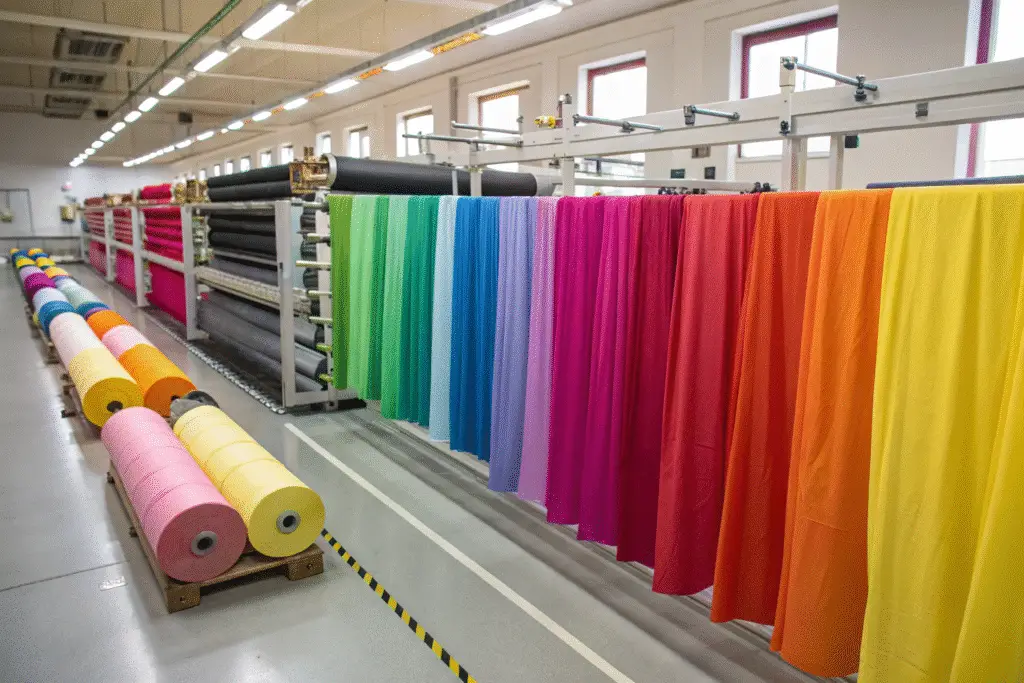
Because sheer fabrics are thin, dyeing must be carefully controlled to avoid streaking, patchiness, or color bleeding. Surface finishes like anti-static or stiffeners also impact final hand feel.
Effective finishing includes piece dyeing, digital sublimation (for poly), softeners, anti-static, and wrinkle-resistant treatments.
What Dyeing Options Are Recommended?
- Piece dyeing for even solid tones — works well with polyester chiffon and georgette
- Digital sublimation printing on white poly chiffon for custom artwork
- Yarn dyeing for soft, shaded effects in cotton voile or organza
We work with mills using GOTS and OEKO-TEX approved dyes, ensuring safety for skin contact garments like lingerie and resortwear.
What Finishes Improve Wearability?
For sheer fabrics prone to static or fray:
- Anti-static finish to prevent clinging
- Softener to enhance drape in synthetic chiffon
- Wrinkle-resistant resin for travel collections
These finishes must be tested for wash durability. We recommend using ISO 6330 washing procedures during development.
What Are MOQ, Lead Time, and QC Factors?
Sheer fabric sourcing can be efficient — if your supplier has experience handling such delicate materials. But the wrong partner can lead to shipment delays, shade mismatch, or weave inconsistency.
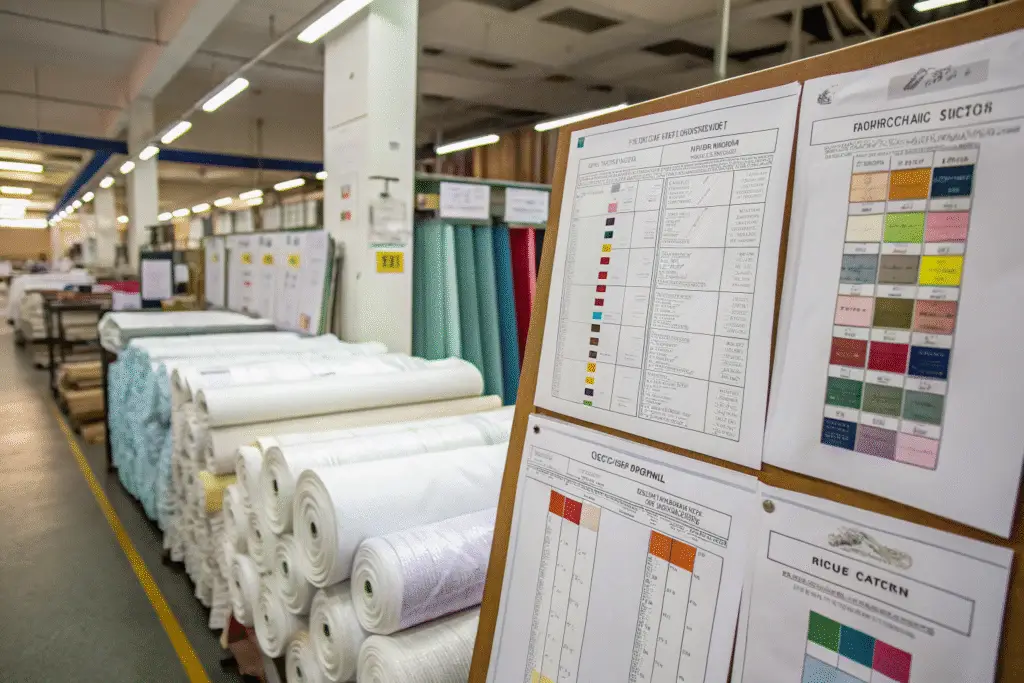
Sourcing priorities include reasonable MOQ, swatch approval, defect tolerance, and on-time delivery with DDP or FOB options.
What’s the Typical MOQ and Lead Time?
For stock shades:
- MOQ = 300–500 meters per color
- Lead time = 5–10 days
For custom-dyed sheer:
- MOQ = 1000–1500 meters per color
- Lead time = 18–25 days
We offer low MOQ sheer sourcing using stocked chiffon or mesh for clients launching limited runs.
Learn more about fabric MOQ negotiation strategies for smaller brands.
How Should Quality Be Controlled?
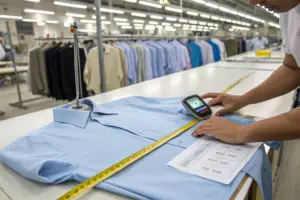
We inspect sheer fabrics under light to check:
- Yarn slubs
- Weave misalignment
- Color streaks
- GSM deviation >5%
- Shrinkage after wash
AQL 2.5 standards apply for most export buyers. We also offer third-party testing through Intertek or SGS for added assurance.
Conclusion
Sheer fabrics bring beauty, lightness, and sophistication to fashion collections — but they require technical care when sourcing. From understanding GSM to choosing the right weave and finish, every detail matters when transparency is involved.
At Fumao Clothing, we source, inspect, and manufacture sheer garments for brands around the world — whether you're launching chiffon dresses, organza blouses, or mesh-trimmed loungewear. We handle everything from fabric dyeing to full-package production and DDP delivery.
Contact our Business Director Elaine at elaine@fumaoclothing.com to request samples, review MOQ options, or develop your sheer fabric line with confidence.