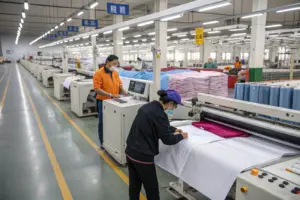
Choosing the right manufacturing partner for your ski apparel line often comes down to a critical comparison: the upfront unit cost versus the total cost of ownership. On the surface, sourcing non-certified fabrics and components from a supplier who doesn't prioritize standardized testing seems like a straightforward way to improve margins. However, this short-term saving is a high-stakes gamble that introduces a web of hidden costs, threatening your brand's profitability, reputation, and long-term viability.
The hidden costs of sourcing non-certified ski apparel extend far beyond the price tag, encompassing severe financial risks from customs rejections and product recalls, irreversible damage to brand reputation and customer trust, and significant operational inefficiencies due to supply chain opacity and reactive problem-solving. These costs often remain invisible until a crisis strikes, at which point they can exceed the total value of the order and cripple a growing brand. True cost-efficiency is achieved not by cutting corners on verification but by investing in a transparent, certified supply chain that prevents these risks from materializing.
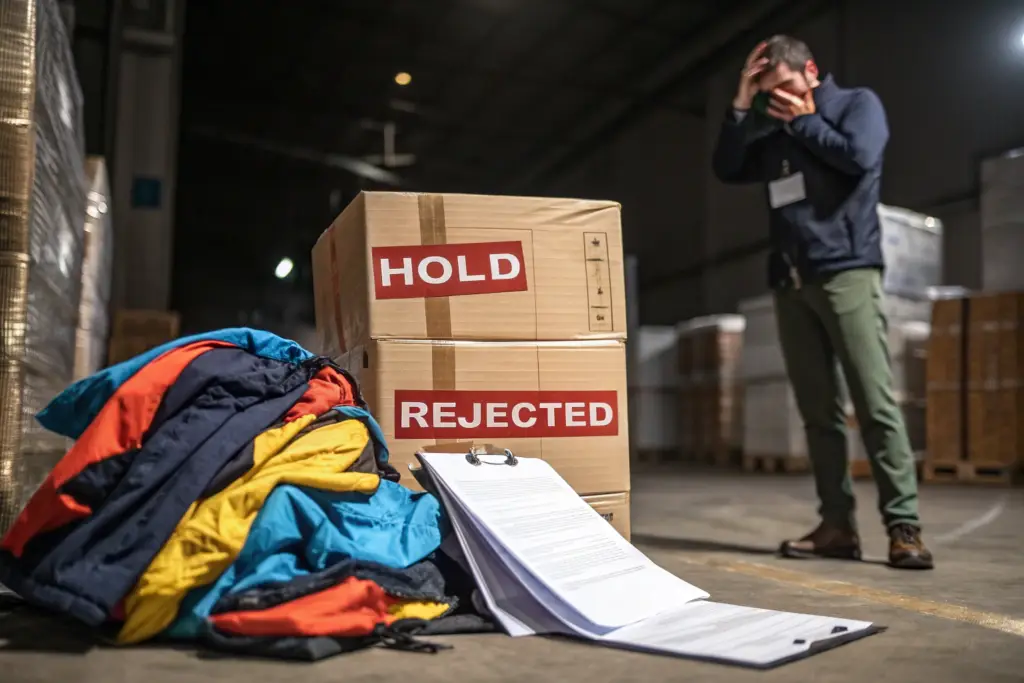
At Shanghai Fumao, we witnessed a cautionary tale several seasons ago. A potential client, eager to capitalize on a booming market, sourced a batch of brightly colored, non-certified ski jackets from another vendor at a 20% lower cost than our certified quote. Initially pleased, they faced disaster when the entire shipment was held at EU customs. Random testing revealed pentachlorophenol levels above the strict REACH regulation limits—a substance the brand had never even heard of. The costs for testing, storage, fines, and eventual destruction of the goods, coupled with missing the entire winter selling season, resulted in a total loss over five times the initial "savings." This stark reality defines the hidden cost equation.
How Can Non-Certified Fabrics Lead to Catastrophic Financial Losses?
The immediate financial risks associated with non-certified apparel are direct, substantial, and often fatal for small to medium-sized brands. These are not probabilistic "what-ifs" but regular occurrences in global trade, where border controls and consumer safety agencies are increasingly vigilant.
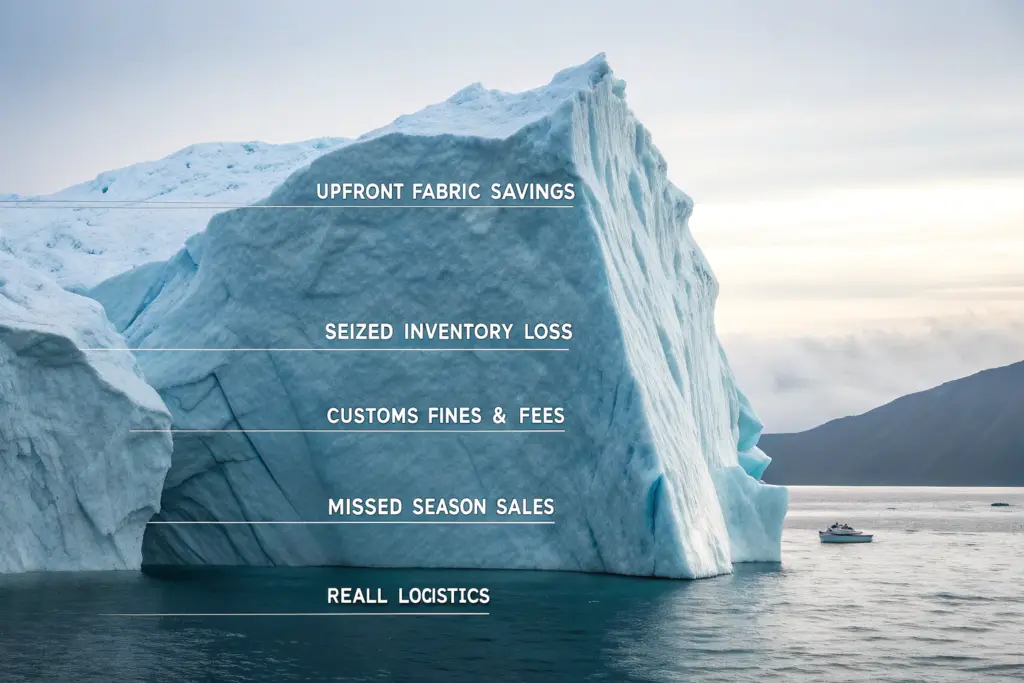
Non-certified fabrics can lead to catastrophic financial losses primarily through two channels: failed customs compliance leading to seized or destroyed shipments, and product recalls triggered by consumer complaints or watchdog testing. Without independent verification like OEKO-TEX® STANDARD 100, you are implicitly trusting your supplier's unverified claims about chemical compliance. This trust is often misplaced, as suppliers may unknowingly (or knowingly) use non-compliant dyes, auxiliaries, or finishes to cut their own costs. The financial impact is multi-layered:
- Total Loss of Goods: Seized or destroyed inventory represents a 100% loss on materials, labor, and shipping.
- Logistics Penalties: Demurrage fees for held containers can accumulate thousands of dollars per day.
- Fines and Legal Fees: Regulatory bodies can impose significant fines for non-compliance.
- Cost of Remediation: If a recall is possible, you bear the cost of shipping, replacement, and disposal.
What Specific Chemical Failures Most Commonly Cause Border Rejections?
Understanding the common culprits can help brands ask better questions, but it cannot replace certification. Relying on a supplier's "word" about these substances is the core of the risk.
The most common chemical failures stem from restricted substances lists (RSLs) like those under REACH, CPSIA, or California Prop 65. These often include:
- Azo Dyes: Certain azo dyes can cleave to form carcinogenic aromatic amines. They are strictly regulated but still found in some cheap, uncertified dyes.
- Heavy Metals: Cadmium, lead, and mercury in prints, pigments, or PVC components.
- Phthalates: Used as softeners in plastic prints and coatings.
- Formaldehyde: Used in some wrinkle-resistant or easy-care finishes.
- Pentachlorophenol (PCP): A biocide sometimes used in natural fiber storage or transport.
In 2022, the EU's Rapid Alert System (RAPEX) listed numerous fashion item recalls due to chemical risks. A ski glove, for example, was recalled for excessive levels of Dimethylformamide (DMF)—a solvent harmful to reproduction. Without certification, your brand is one random test away from featuring on such a list. The cost is not just the product loss; it's the mandatory public notification that devastates brand image.
How Does a Product Recall Amplify Direct Financial Losses?
A border rejection stops the product before it reaches the consumer. A recall means it has already failed in the market, multiplying the costs and damage.
The process of a recall is a financial vortex. First, you must fund a reverse logistics operation to pull stock from distributors and retailers. Then, you must compensate your retail partners for their lost sales and administrative hassle, often damaging those crucial relationships. You may be liable for disposal costs of the hazardous goods, which are far higher than standard waste. Crucially, you must also finance the production of a replacement batch—often on an urgent, expedited basis—to salvage any remaining goodwill, effectively paying twice for one product line. For a seasonal ski wear item, by the time this process unfolds, the selling window is likely closed, turning inventory into dead stock.
How Does Non-Certified Sourcing Erode Your Brand Value and Consumer Trust?
Beyond the immediate financial ledger, the most devastating hidden cost is the erosion of intangible assets: your brand's reputation and the hard-earned trust of your customers. In the age of social media and conscious consumerism, this damage can be permanent and far more costly to repair than any fine.
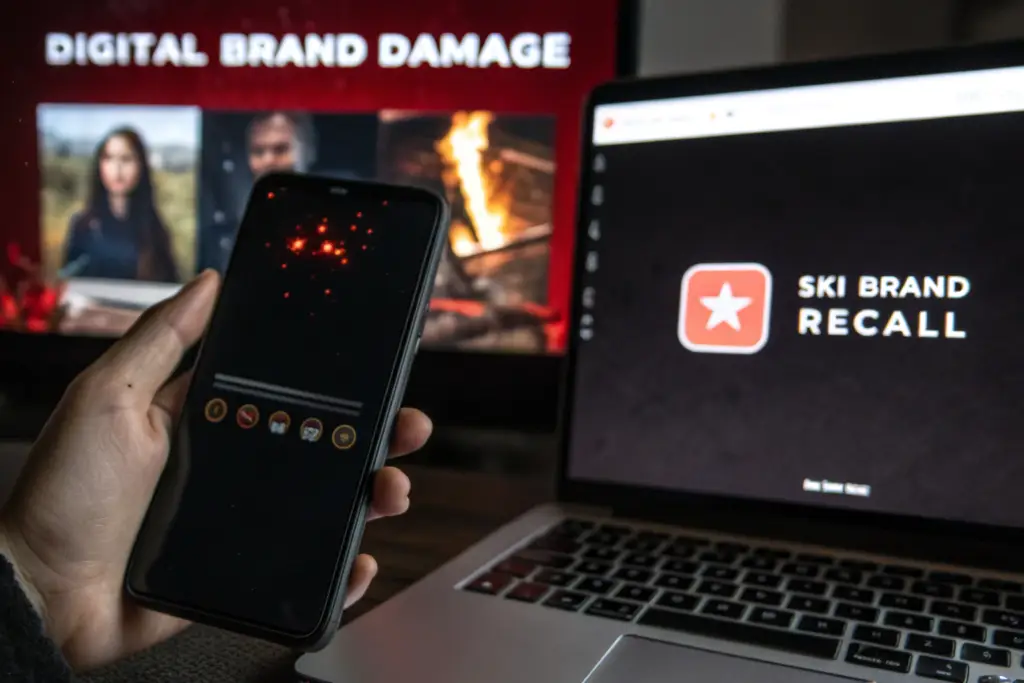
Sourcing non-certified apparel erodes brand value by associating your name with safety risks, ethical negligence, and poor quality control, directly contradicting the premium, performance-driven image essential for ski brands. When a consumer invests in technical ski wear, they are purchasing performance and protection. Discovering that their jacket or base layer contains harmful substances shatters this fundamental promise. The breach of trust is profound. Negative reviews, investigative blog posts, or news articles about a recall live forever online, poisoning your brand's digital footprint and deterring future customers.
Can a Brand Recover from a Safety-Related Scandal or Recall?
Recovery is possible but arduous and expensive. It requires a complete, transparent overhaul of your supply chain and a multi-year campaign to rebuild credibility.
The recovery path involves publicly admitting fault, outlining the specific corrective actions taken (e.g., switching to OEKO-TEX® certified manufacturing), and often partnering with a respected third-party auditor to verify the new standards. This process requires significant investment in new materials, potentially at a higher cost, and a comprehensive PR campaign. Consumers are forgiving only when they see authentic, verifiable change. For a small brand, the resources required for this comeback are often insurmountable, making prevention through certified sourcing with a partner like Shanghai Fumao the only viable strategy. Trust, once broken, is the most expensive thing to rebuild.
How Does Trust Impact Customer Lifetime Value (CLV) and Word-of-Mouth?
The hidden cost here is the loss of future revenue streams. A loyal customer provides value far beyond their first purchase.
A customer who trusts your brand becomes a repeat buyer and a powerful advocate. They may buy a jacket, then return for pants, a baselayer, and accessories over several seasons. This Customer Lifetime Value (CLV) is a key growth metric. Moreover, their positive word-of-mouth recommendations to friends and family are free, high-conversion marketing. A safety failure destroys this potential instantly. That customer is lost forever, and their negative word-of-mouth can deter an entire social circle from your brand. When you calculate the true cost of a failed product, you must include the lost future profits from every customer who abandons you and the circles they influence.
What Operational Inefficiencies and Hidden Risks Lurk in an Uncertified Supply Chain?
The day-to-day operational burdens of managing an uncertified supply chain are less dramatic than a recall but chronically drain resources, time, and morale. This creates a hidden "complexity tax" that stifles growth and innovation.
An uncertified supply chain introduces operational inefficiencies through a lack of transparency, requiring excessive due diligence, redundant testing, and reactive firefighting, which distracts from core business activities like design, marketing, and sales. When you cannot rely on an international standard, you must become the detective. This means:
- Conducting Your Own Audits: Traveling to factories to verify processes, a costly and time-consuming endeavor.
- Commissioning Batch Testing: Paying for third-party lab tests on every new fabric lot, adding cost and delay.
- Managing Documentation Manually: Chasing and verifying material safety data sheets (MSDS) of dubious authenticity.
- Navigating Constant Speculation: Wondering if each shipment will clear customs or if a quality complaint will escalate.

How Does Supply Chain Opacity Increase Management Time and Stress?
The mental and temporal toll on you and your team is a real, albeit hidden, cost.
Without the clear framework of a certification, every communication with your supplier involves an element of doubt and verification. Questions about fabric composition or finish become protracted negotiations. You spend hours researching regulations instead of trends. This constant state of low-grade anxiety and administrative burden is a drain on productivity. It prevents you from focusing on high-value work. In contrast, partnering with a certified manufacturer provides a clear benchmark. The question shifts from "Is this fabric safe?" to "Can I see your valid OEKO-TEX® certificate for this component?" This transforms a subjective, risky assessment into an objective, efficient verification.
Why is Reactive Quality Control More Costly Than Proactive Certification?
This is the fundamental economic argument for certified sourcing. Paying a small premium upfront for prevention is exponentially cheaper than paying for cure.
Reactive quality control means inspecting and testing products after they are made. If a chemical issue is found at this stage, the entire production batch is compromised. You have already paid for the faulty fabric, cutting, sewing, trims, and labor. The loss is total. Proactive certification, like the integrated system we use at Shanghai Fumao, ensures that raw materials are certified before they even enter our production line. This is a "fail-early" model that prevents costly mistakes from being manufactured in the first place. The minor upfront cost of certified materials is your insurance premium against the catastrophic cost of a failed final product. Our internal quality management system is built around this preventive principle, saving our clients from the hidden costs of reactivity.
Is the Lower Price of Non-Certified Apparel Ever Justifiable for a Brand?
Given the landscape of hidden costs, the justification for choosing non-certified apparel boils down to a risk appetite that borders on recklessness for any brand concerned with longevity, ethics, or reputation.
For a brand with long-term ambitions, a commitment to quality, and a target audience that values safety and sustainability, the lower price of non-certified apparel is virtually never justifiable. The short-term margin gain is a mirage that obscures a desert of financial, reputational, and operational risks. The calculation changes only for disposable, ultra-fast-fashion items with no brand identity to protect—a category that is antithetical to the durable, performance-driven ski apparel market. Ski consumers invest in gear they trust with their comfort and safety in extreme environments; betraying that trust is a business model doomed to fail.
When Might a Brand Think It's a Good Idea, and Why Are They Wrong?
Brands are often tempted in two scenarios, both based on flawed logic:
- The Startup "Cash Flow" Argument: "I need the lowest possible cost to launch my first product." This is understandable but dangerous. A single quality or compliance disaster from that first order can bankrupt the startup before it even starts. It's wiser to start smaller, with a certified, high-quality product that builds a solid foundation for reputation.
- The "Simple Product" Misconception: "It's just a plain fleece, how complicated can it be?" Even the simplest textile involves dyes, finishes, and processes that can introduce restricted substances. Complexity isn't visible; a plain fabric can harbor more chemical risks than a complex garment with many components.
What is the Truly Cost-Effective Path for a Growing Ski Brand?
The cost-effective path is one of mitigated risk and built value. It involves:
- Prioritizing Certification: Make OEKO-TEX® STANDARD 100 (Class 1 or 2 for ski wear) a non-negotiable requirement for your manufacturing partner.
- Choosing the Right Partner: Select a factory like Shanghai Fumao that has the certification process integrated into its system, not just as an add-on service. Ask for their certificates and their suppliers' certificates.
- Calculating Total Cost: Use the "hidden cost" framework to evaluate quotes. A higher unit price from a certified partner represents a lower total cost of ownership and a higher brand-value proposition.
- Marketing Your Due Diligence: Turn your responsible sourcing into a competitive advantage and a story that justifies your brand's position in the market.
Conclusion
The pursuit of lower upfront costs by sourcing non-certified ski apparel is one of the most perilous false economies in the fashion industry. The hidden costs—lurking in the forms of catastrophic financial losses from compliance failures, deep and lasting damage to brand equity, and chronic operational inefficiencies—systematically undermine the very foundations of a successful brand. For a ski apparel business, where performance, safety, and trust are paramount, these risks are not simply line items on a balance sheet; they are existential threats.
Smart sourcing is not about finding the cheapest price; it's about securing the greatest value and the least risk. It’s about investing in transparency, verification, and partnership to build a brand that lasts. The true cost-saving measure is the one that prevents disasters from happening.
If you are reevaluating your supply chain to eliminate these hidden costs and build a resilient, trusted brand, we should talk. At Shanghai Fumao, we are more than a manufacturer; we are your partner in risk-managed, certified production. Let us help you build your ski apparel line on a foundation of verified safety and operational excellence. Contact our Business Director Elaine to start a conversation about cost-effective, certified manufacturing: elaine@fumaoclothing.com.