
When negotiating with a garment supplier, a lower unit price can feel like a victory. However, savvy business owners know the real costs often lurk beneath the surface of the payment terms. These hidden fees can quietly erode your profit margins, turning a seemingly good deal into a financial headache. Understanding these potential pitfalls is crucial for protecting your bottom line.
Hidden costs in garment production payment terms often stem from banking fees, currency fluctuations, quality dispute resolutions, and unplanned logistical charges. By being aware of these areas and structuring your agreements clearly, you can avoid surprise expenses and ensure a truly cost-effective partnership.
This article will uncover the common financial traps hidden within payment structures. We will guide you through the key areas to scrutinize so your next sourcing decision is both profitable and predictable.
What Banking Fees Should You Anticipate?
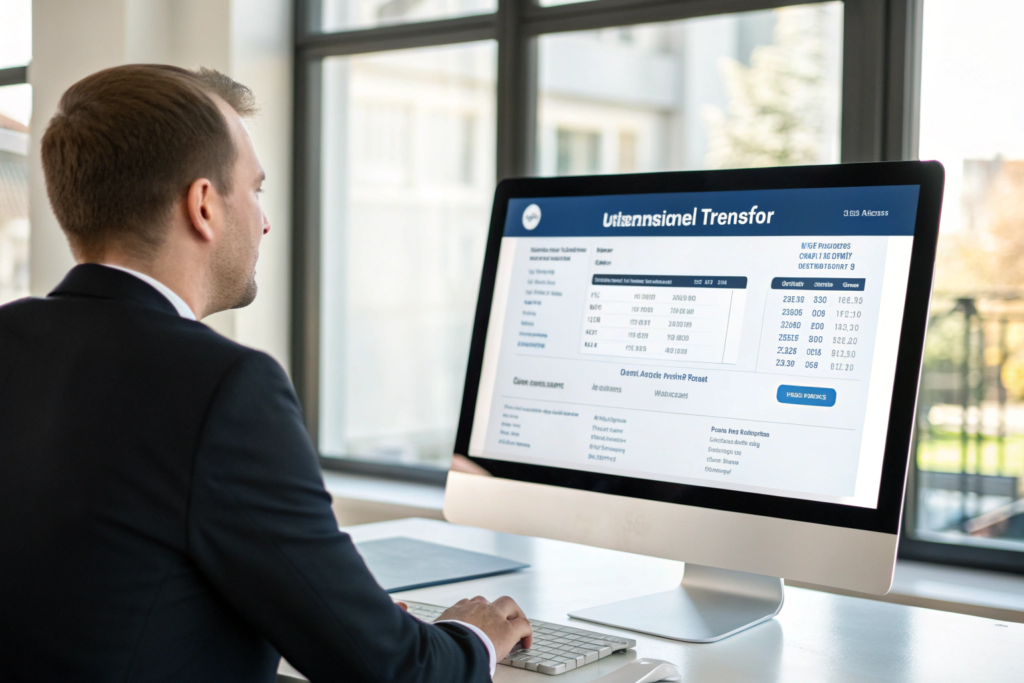
The journey of your payment from your bank to your supplier's account is rarely free. Transaction fees, wire transfer charges, and intermediary bank costs can add up, especially with international transfers. Many buyers only focus on the final amount sent, not realizing that hundreds of dollars are being deducted along the way.
The main banking fees to anticipate include wire transfer fees from both your bank and the supplier's bank, currency conversion spreads, and potential intermediary bank charges. These can typically add 1% to 3% to your total payment amount, depending on the banks and currencies involved.
To truly manage these costs, you need to dive deeper into the specifics. Not all payment methods are created equal, and the structure of your terms dictates the fee landscape.
Which Payment Methods Incur the Highest Hidden Fees?
Traditional methods like Telegraphic Transfer (T/T) are common but come with layered fees. Your bank charges an outgoing wire fee. Then, if the payment passes through one or more correspondent banks, each can take a deduction. Finally, the supplier's bank may charge an incoming wire fee. We once had a client who was shocked to find a $350 discrepancy between what they sent and what we received; the culprit was two unseen intermediary bank charges. Methods like Letters of Credit (L/C) involve even higher fees due to document handling and bank guarantees, making them more suitable for large, high-risk orders rather than routine production.
How Can You Negotiate to Minimize Transaction Costs?
Open communication about bank fees is essential. You can request your supplier's bank details to inquire about their incoming fee structure. Sometimes, using a major bank with a direct SWIFT relationship can reduce intermediary hops. Discussing and agreeing on a net amount to be received is crucial. For instance, you can state in the contract: "The quoted price is net, and the buyer covers all bank charges on their end, while the supplier ensures no deductions are taken from the payment upon receipt." This clarity prevents disputes. Additionally, for repeat business, exploring integrated B2B payment platforms that offer flat fees or better exchange rates can be a modern solution.
How Do Currency Fluctuations Impact Your Final Cost?
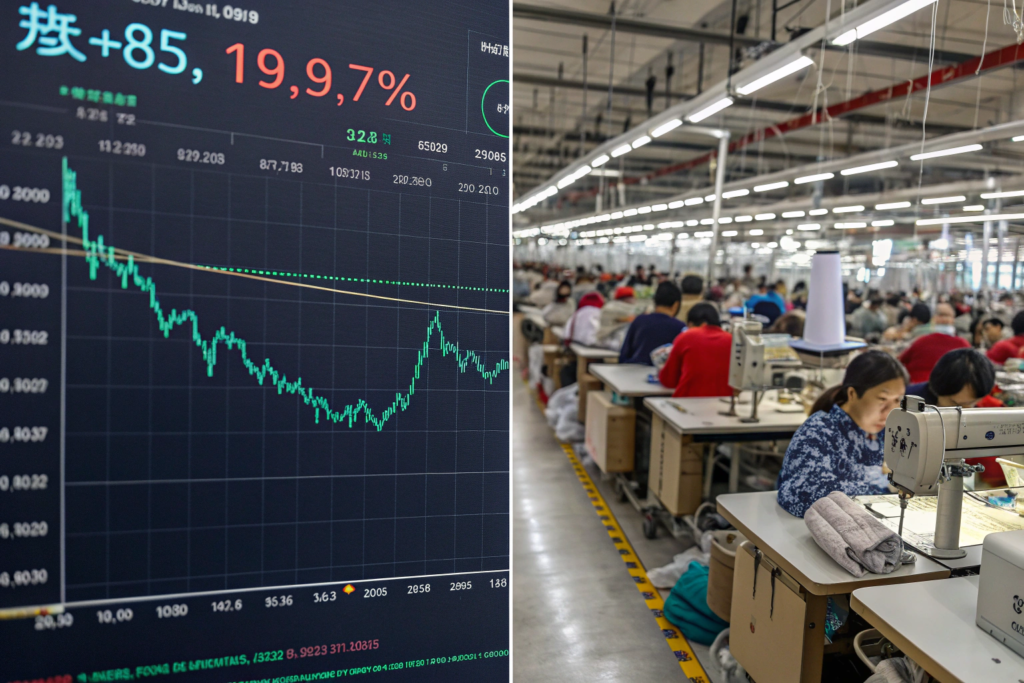
If your contract is in U.S. dollars but your supplier's costs are in Chinese Yuan or Vietnamese Dong, you are both exposed to currency risk. A sudden shift in exchange rates between the contract signing and the final payment can create a significant hidden cost for one party. Suppliers fearing loss may cut corners on quality to compensate, while buyers might face unexpected requests for price adjustments.
Currency fluctuations impact your final cost by altering the real value of the payment when converted. If the supplier's local currency strengthens against the USD, their real income decreases, potentially jeopardizing their margin and your product quality. A weakening local currency can have the opposite effect, but creates planning instability.
Managing this risk requires proactive strategies. It's not just about watching the forex market; it's about building clauses into your agreement that protect both parties' interests.
What Contract Clauses Protect Against Forex Risk?
The most straightforward clause is a currency adjustment clause. For example, it can state that if the exchange rate moves beyond an agreed-upon band (e.g., +/- 2%), the price will be adjusted proportionally. This shares the risk fairly. Another approach is to fix the exchange rate at the time of the contract signing for all future payments. While this transfers more risk to the supplier, it offers you complete cost certainty. We implemented a shared-band clause with a Midwest brand last year when the Yuan was volatile. It built tremendous trust, as both sides felt protected from forces beyond our control, and the production proceeded smoothly without any quality compromises.
Should You Lock in a Fixed Exchange Rate?
Locking a fixed rate provides perfect budget certainty for you, which is invaluable for financial planning. However, it often comes at a premium, as suppliers may build a buffer into their price to hedge their own risk. Alternatively, you could use financial hedging instruments yourself, but this adds complexity. The decision depends on order volume, timeline, and market volatility. For large, long-lead-time orders (e.g., outerwear for a full season), a fixed rate or adjustment clause is wise. For smaller, quicker replenishment orders, absorbing minor fluctuations as a cost of doing business might be simpler.
Can Quality Disputes Lead to Unexpected Financial Deductions?
Payment terms are often tied to quality approval. Terms like "90% payment against shipment copy, 10% balance after inspection" are standard. The hidden cost arises when there is a disagreement on what constitutes a "passing" inspection. A supplier may deem minor issues as acceptable, while you see them as critical defects. The resulting negotiation, potential rework, or discount deductions can delay your timeline and create unplanned costs from forced markdowns or rushed air freight.
Yes, quality disputes can lead to unexpected financial deductions, delays, and even legal fees. The ambiguity in quality standards and inspection criteria is the primary cause, turning the final payment into a contentious negotiation rather than a straightforward transaction.
Avoiding this requires moving from subjective opinions to objective, agreed-upon standards before production even begins. The goal is to make the inspection a verification step, not a discovery process.

How to Define 'Quality' in Your Contract to Avoid Disputes?
Your contract must reference specific, measurable standards. Instead of "high quality," specify:
- Accepted Defect Tolerance Levels: Use AQL (Acceptable Quality Limit) standards. For instance, "Final inspection shall be based on AQL 2.5 for major defects and AQL 4.0 for minor defects, as per ISO 2859-1."
- Approved Samples: State that "the sealed production sample, signed by both parties, is the definitive standard for workmanship, color, and fit."
- Technical Pack Details: The tech pack itself should be a contract appendix, detailing fabric GSM, stitch density, color fastness levels, and logo placement tolerances in millimeters.
What is the Real Cost of a Delayed Shipment Due to Rework?
The financial ripple effect is severe. Let's quantify it with a simple scenario:
| Cost Component | Impact of a 2-Week Delay |
|---|---|
| Missed Sales Window | Selling at a discount (e.g., 30% off) vs. full price |
| Expedited Shipping | Switching from sea to air freight can cost 5x more |
| Storage Fees | If goods arrive late to your warehouse |
| Brand Reputation | Unhappy retail partners or customers |
A client once faced minor printing flaws. While we offered a 5% discount, the rework would have caused a 3-week delay into their peak season. They accepted the discount and sold the items as "special edition," but they had to increase their marketing spend to do so—a hidden cost born from the initial quality hiccup.
Are You Liable for Unplanned Logistics and Compliance Charges?
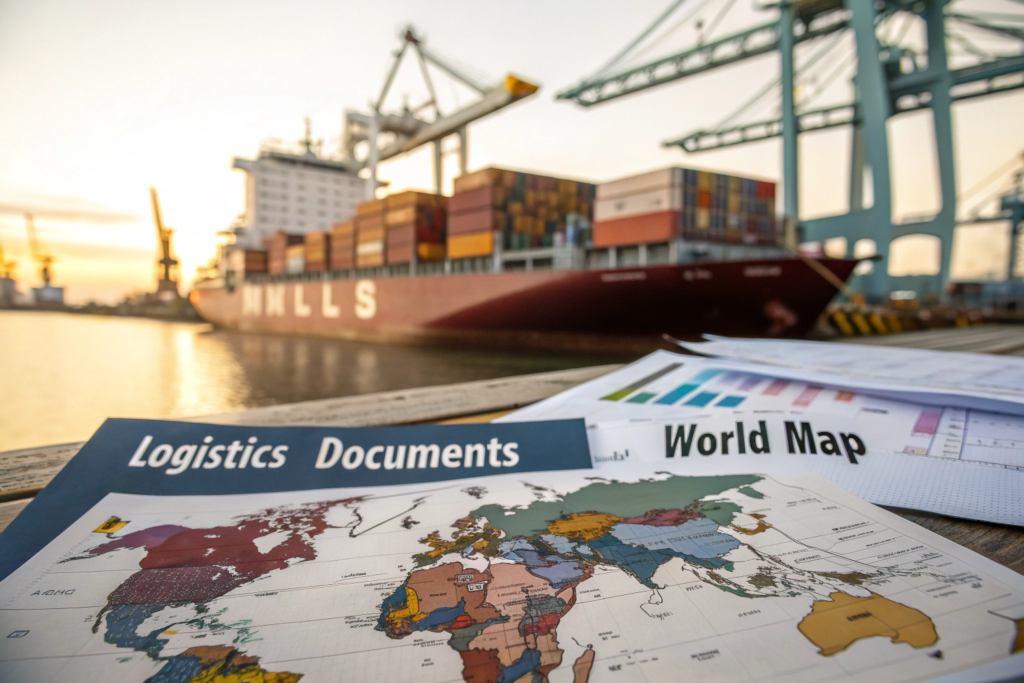
Incoterms like FOB (Free On Board) or EXW (Ex Works) define where your costs and liability begin and end. A common hidden cost occurs when responsibilities are unclear. For example, if you opt for EXW to get a lower unit price, you might suddenly be responsible for handling customs clearance in China, a process fraught with potential fees for documentation errors, delays, and warehouse demurrage. Even with FOB, sudden changes in freight rates or new regulatory compliance fees can appear.
You are liable for unplanned logistics and compliance charges if your Incoterms and contract do not clearly assign responsibility. Charges like peak season surcharges, port congestion fees, or new carbon emission levies can emerge between contract signing and shipment, impacting your landed cost.
Choosing the right shipping terms is a strategic decision that balances cost, control, and risk. It's not just about the price per piece leaving the factory.
What's the Difference Between FOB, CIF, and DDP in Real Cost?
- FOB (Port of Origin): You control the main shipping and bear cost fluctuations. Hidden costs can include last-minute BAF (Bunker Adjustment Factor) increases or container imbalance charges.
- CIF (Port of Destination): The supplier arranges and pays for main freight and insurance. They might use a budget carrier or a less direct route to save their own costs, potentially leading to longer transit times for you—a hidden cost in inventory planning.
- DDP (Your Warehouse): This is the most comprehensive term, where the supplier delivers duty-paid goods to your door. The hidden cost here is often baked into a higher unit price, as the supplier assumes all risk and administrative burden. For U.S. brands, partnering with a reliable DDP service provider like Shanghai Fumao simplifies the process immensely. We manage the entire chain, from our production lines to your U.S. warehouse, with a single, predictable cost, eliminating surprises from customs bonds or duty calculation errors.
How to Ensure Compliance Fees Don't Surprise You?
Your contract should have a clause addressing "changes in law or regulation." A good clause states that if new government-imposed fees (e.g., a new environmental tax on shipments) arise after the contract date, the cost will be shared or passed through transparently with official documentation. Always work with suppliers who have a clear understanding of export compliance and customs clearance processes. For instance, our team at Shanghai Fumao provides clients with a weekly logistics update that includes any announced freight rate changes or regulatory updates, ensuring complete transparency from production to delivery.
Conclusion
The true cost of garment production is not just the price on the invoice. It's the sum of that price plus all the hidden financial pressures that can emerge from banking processes, currency markets, quality disagreements, and logistical complexities. By bringing these elements into the light during negotiations, you can transform your supplier relationship from a transactional gamble into a strategic, predictable partnership. The key is detailed contracts, clear communication, and a mutual understanding that protecting each other's margins is the foundation of long-term success.
To ensure your next order avoids these hidden pitfalls, partner with a manufacturer that prioritizes transparency. At Shanghai Fumao, we build detailed, all-inclusive cost breakdowns and stand by our DDP service to deliver not just quality apparel, but also peace of mind. Let us help you secure your margins from concept to delivery. For a transparent consultation on your next project, please contact our Business Director, Elaine, at: elaine@fumaoclothing.com.