You have a great design, a target market, and the drive to launch a golf apparel line. You know OEKO-TEX certification is a key to credibility. But as you start to plan, you hit a wall of practical questions: Why does everyone talk about it, but not everyone does it? The reality is that producing true OEKO-TEX certified golfwear involves navigating a series of significant entry barriers. These aren't just about cost; they are systemic, technical, and operational hurdles that separate serious manufacturers from marketing-driven suppliers. Understanding these barriers is your first step to overcoming them.
The primary entry barriers for OEKO-TEX golfwear production are not just the cost of certification, but the systemic requirements: establishing a certified and traceable supply chain for all components, implementing segregated production controls to prevent contamination, mastering the technical R&D of compliant performance fabrics, and bearing the longer lead times and higher MOQs associated with certified materials. These barriers collectively demand a high level of operational maturity and upfront investment.
Let's dissect each barrier to understand what you're truly up against and how to strategically clear each hurdle.
Is the Cost of Certification the Biggest Barrier?
The direct fee paid to an accredited institute for testing and certification is often the most visible cost, but it is rarely the biggest barrier. For a single fabric or garment article, this fee might range from a few hundred to a few thousand dollars. The real financial barriers are systemic and recurring.
The major cost drivers are:
- Premium for Certified Raw Materials: OEKO-TEX certified fabrics, threads, trims, and dyes cost more than their non-certified equivalents. Mills and trim suppliers incur their own testing costs and often use more expensive, compliant chemical formulations.
- Investment in Quality Infrastructure: To guarantee integrity, a factory needs segregated storage, dedicated production lines or zones, and in-house testing equipment (like pH meters). This represents a significant capital and operational expense.
- Recurring Testing and Audit Costs: Certification is valid for one year only. Annual renewal fees and the cost of batch testing for incoming materials are ongoing operational costs.
- Cost of Operational Discipline: The labor and time required for meticulous material tracking, line clearance, and documentation add to the overhead.
A factory that claims OEKO-TEX production at near-commodity prices is likely cutting corners on one or more of these systemic elements, putting your certification at risk.

What is the "Knowledge and Expertise" Barrier?
Beyond money, there is a steep learning curve. The factory team must deeply understand:
- How to read and validate OEKO-TEX certificates from suppliers.
- Which substance limits apply to which product class.
- How to manage the interface between certified and non-certified production.
- How to handle non-conforming materials.
This expertise is hard-won through experience. For example, at Shanghai Fumao, we developed a proprietary digital checklist and training program for our QC staff after a series of early learning experiences. This knowledge barrier prevents many casual factories from entering the space credibly.
How Does Supply Chain Complexity Act as a Barrier?
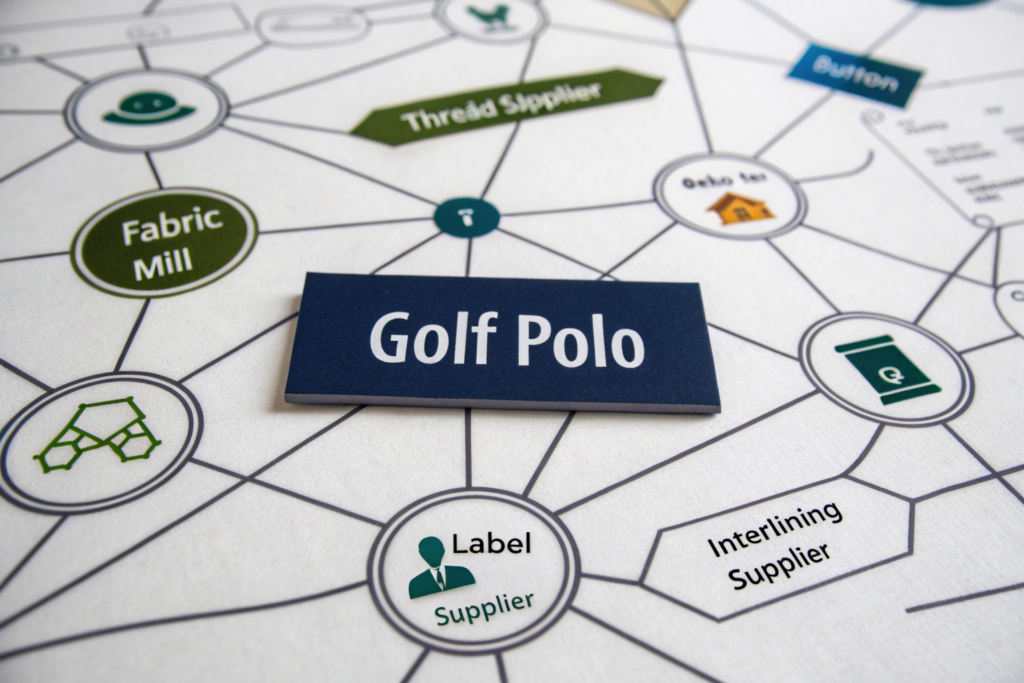
Producing a single certified golf polo requires a network of certified suppliers. This is a massive logistical and managerial barrier.
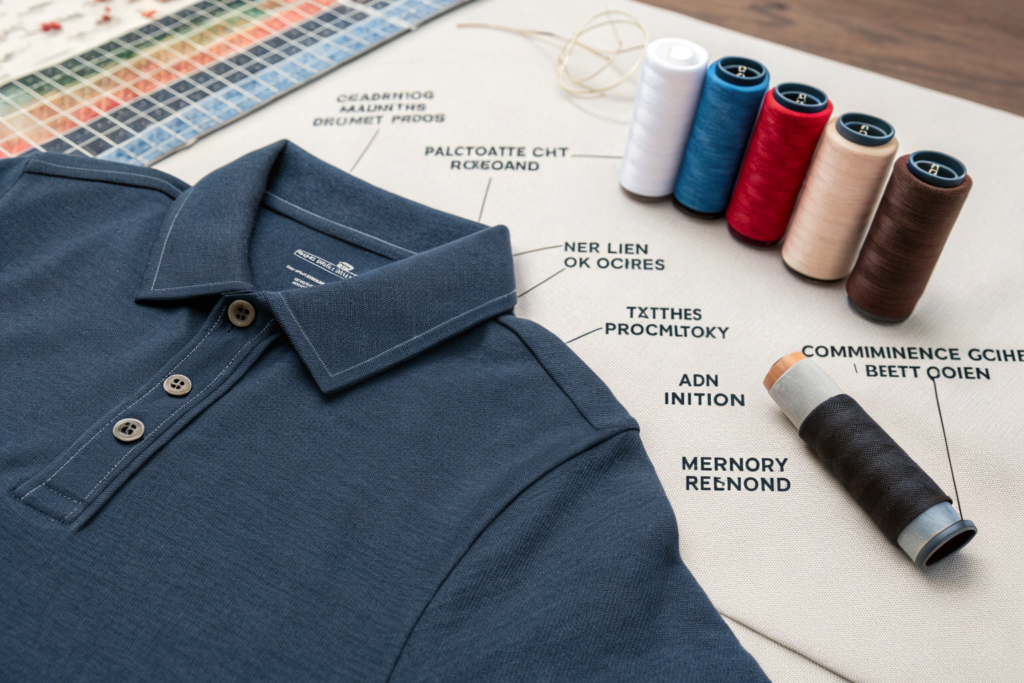
Consider the bill of materials for a performance polo:
- Main Fabric (knitted, dyed, with moisture-wicking finish)
- Sewing Thread
- Collar and Cuff Interlining
- Buttons or Zipper
- Care Label and Main Label (fabric and ink)
- Print or Embroidery (thread and backing)
Each of these items must come from a supplier that holds a valid OEKO-TEX certificate for that specific component. Sourcing this network is time-consuming. Verifying each certificate, ensuring the supplier can deliver consistent quality, and managing the logistics of multiple specialized vendors is a complex operation. Many small factories simply lack the connections or administrative bandwidth to manage this. They may have one certified fabric source but then use uncertified thread, nullifying the entire effort.
What About Sourcing Certified Performance Fabrics?
This is a higher barrier yet. Golf requires technical fabrics. Finding a mill that produces OEKO-TEX certified fabrics with the necessary moisture-wicking, UV protection, and stretch properties is more difficult and expensive than sourcing basic certified cotton. The R&D to create these compliant performance fabrics is a barrier at the mill level, which translates to limited availability and higher minimum order quantities (MOQs) for brands.
How Does Traceability Multiply the Complexity?
It's not enough to buy certified components. The factory must have a system to trace each component batch (e.g., a roll of fabric, a cone of thread) through production. This requires barcoding, dedicated lot numbers, and meticulous paperwork. Without this, if a problem is found, you cannot isolate affected garments. Implementing this traceability is a significant operational lift.
Why is Factory Setup and Process Control a Critical Barrier?
Certification can be invalidated on the factory floor in minutes. Therefore, the physical and procedural setup of the factory is a non-negotiable barrier to entry.
A factory producing OEKO-TEX goods must implement:
- Physical Segregation: Certified fabrics and trims must be stored in a locked, labeled area separate from non-certified inventory. This requires extra space and disciplined warehouse management.
- Production Isolation: The ideal is a dedicated production line for certified orders. At a minimum, there must be rigorous "clean-out" procedures between certified and non-certified production runs to prevent cross-contamination from stray threads, lint, or oils.
- Staff Training and Discipline: Every worker, from the warehouse to the sewing line, must understand the protocols. A single worker grabbing a spool of non-certified thread for a certified order can ruin an entire batch.
These requirements demand factory management that thinks in terms of systems and controls, not just output and efficiency. It's a different operational mindset. Our decision to designate specific lines within our 5-line facility for certified work was a deliberate investment to overcome this barrier for our clients.
What Happens Without This Control?
The result is "certificate fraud" in practice: a factory may have a certificate for a fabric, but the finished garments are produced in a mixed environment. The final product, while made from certified materials, may be contaminated and non-compliant. This is a hidden risk that brands often discover only after a failed audit or customer complaint.
Are Lead Times and MOQs Different for Certified Production?
Yes, significantly. This creates a time and capital barrier for new brands.
- Longer Lead Times: Sourcing certified materials takes longer. Mills may not stock all certified fabrics, requiring production runs. The factory's own verification processes add time. Total lead time from order to shipment can be 30-50% longer than for uncertified goods.
- Higher Minimum Order Quantities (MOQs): Certified fabric mills often have higher MOQs per color/style than fabric brokers selling generic stock. This forces a brand to commit more capital upfront to inventory. For a startup, this can be prohibitive.
These barriers test a brand's planning capabilities and financial runway. They favor brands with strong forecasting and those willing to start with a focused, smaller capsule collection rather than a vast range of SKUs.
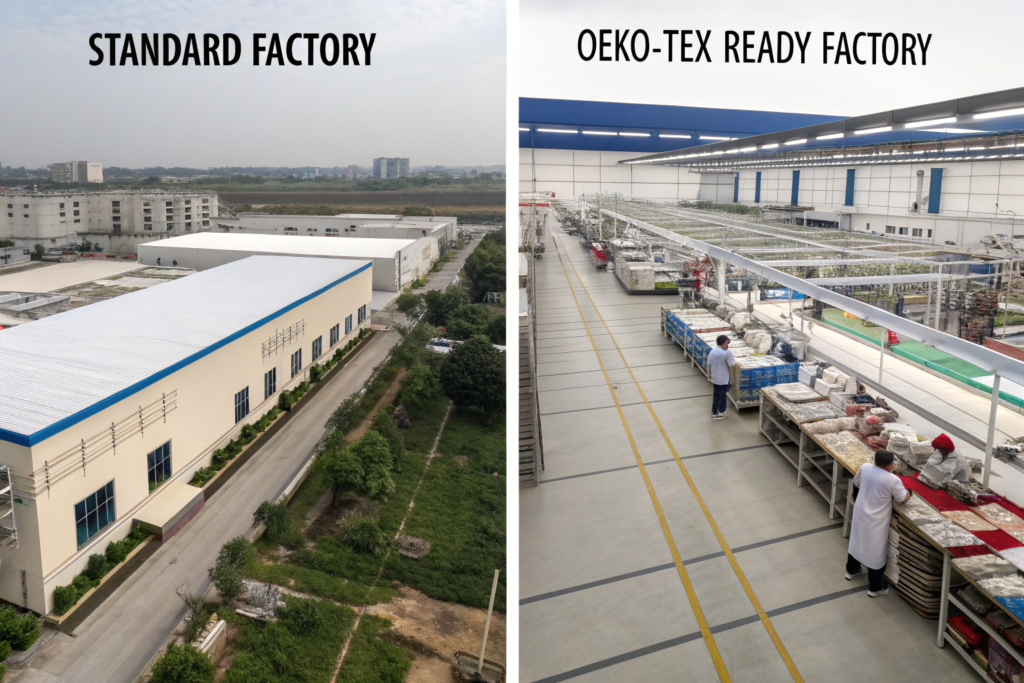
The strategic answer is partner selection. Partnering with an established full-package manufacturer that has already overcome these barriers is the most effective way for a new brand to enter the space. Such a partner provides:
- Pre-vetted Supply Chain: They already have relationships with certified mills and trim suppliers.
- Established Infrastructure: The segregated production systems are already in place and paid for.
- Pooled Material Orders: They can combine orders from multiple clients to meet higher mill MOQs, offering you lower entry quantities.
- Expertise on Tap: Their knowledge becomes your resource.
This is the model we've built at Shanghai Fumao, specifically to lower these entry barriers for ambitious, quality-focused brands.
Conclusion
The entry barriers for OEKO-TEX golfwear production are real and substantial. They are financial, logistical, technical, and operational. They exist not to exclude, but to ensure the integrity of the certification itself. These barriers effectively separate suppliers who are serious about systemic quality and safety from those who are merely engaged in marketing.
For a new brand, these barriers are not insurmountable walls, but hurdles to be strategically cleared. The most efficient path is not to try to build all this capability from scratch, but to align with a manufacturing partner that has already made the investment and possesses the expertise. This allows you to leverage their established systems, turning their capability into your competitive advantage from day one.
If you are determined to launch a golfwear line that stands for authentic safety and quality, understanding these barriers is your first victory. The next is choosing the right guide to navigate them. Contact Shanghai Fumao’s Business Director Elaine today. Let us show you how our established systems are designed to lower these very barriers for our partners, providing a clear and credible path to producing OEKO-TEX certified golf apparel. Reach her at elaine@fumaoclothing.com. Let's turn barriers into your brand's foundation.