Two years ago, a passionate entrepreneur from Colorado flew to our factory in Shanghai. He had raised seed funding for a sustainable skiwear line and was convinced that OEKO-TEX certification was his golden ticket to market. He had a designer, a brand story, and a target customer. What he didn't have was a realistic grasp of the barriers. He assumed we could simply take his generic fabric and "apply" the certification. After a week of technical meetings, his budget was shattered. The reality check? The fabric's dye system was non-compliant, his chosen insulation lacked a test report, and the custom zipper pull contained restricted heavy metals. His dream launch stalled for over a year. His story is not unique. The path to producing certified skiwear is paved with technical, financial, and knowledge-based barriers that filter out unprepared brands.
The primary entry barriers for OEKO-TEX certified skiwear production are not just cost, but deep technical and systemic hurdles: 1) The high complexity of sourcing compliant, high-performance technical materials; 2) Significant upfront investment in testing and minimum order quantities; 3) The necessity of advanced manufacturing and supply chain control; and 4) A steep learning curve in certification protocols and compliance management. These barriers collectively demand a professional, resource-backed approach from day one.
Understanding these barriers isn't about discouragement; it's about strategic preparation. Let's dissect each one to turn them from obstacles into a roadmap.
Barrier 1: The Technical Material Sourcing Maze
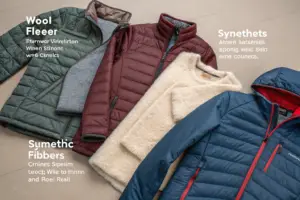
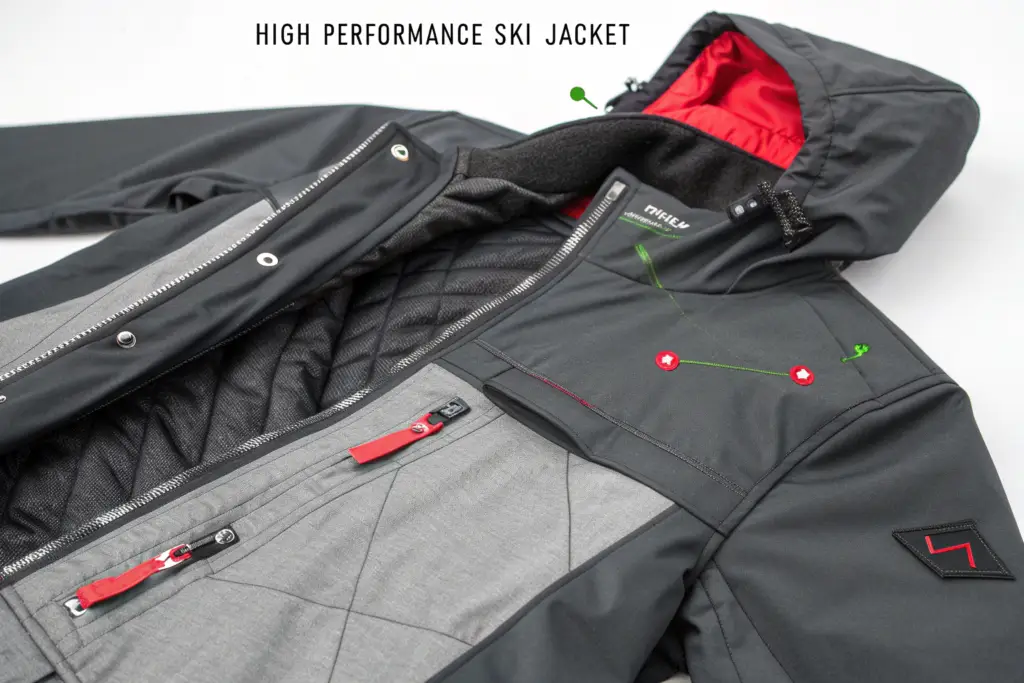
Skiwear isn't casual cotton. It's a technical ensemble of laminated fabrics, waterproof membranes, specialized insulation, and performance trims. Each component has a complex chemical profile. The first and tallest barrier is building a complete Bill of Materials (BOM) where every single item is OEKO-TEX compliant or can be certified as part of the finished garment.
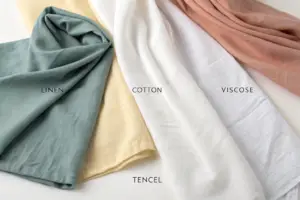
The technical material sourcing barrier exists because you cannot simply buy "OEKO-TEX fabric" off a shelf. You must source a compatible system of pre-certified or certifiable components (face fabric, membrane, adhesive, backing, insulation, zippers, thread, cordlocks) from specialized mills and trim suppliers, all of which must be chemically compatible and performance-matched. This requires niche supplier networks and deep technical knowledge.
Why is the DWR finish a major stumbling block?
The durable water repellent (DWR) treatment is a quintessential barrier. Legacy high-performance DWRs used per- and polyfluoroalkyl substances (PFAS). OEKO-TEX STANDARD 100 now heavily restricts these. Sourcing a PFAS-free DWR that still meets the waterproof rating (e.g., 20,000mm) and durability demands of serious skiwear is difficult and expensive. Many generic fabric mills haven't fully transitioned their R&D. You often must work with top-tier mills that have invested in next-generation chemistry, which comes with higher MOQs and prices.
How does insulation complicate certification?
Insulation like PrimaLoft® or recycled polyester batting adds another layer. The insulation material itself must be certified. Furthermore, the process of quilt-stitching it between layers can introduce sewing threads and potentially affect the composite's safety profile. You need an insulation supplier that provides a valid test report and a factory that understands how to process it without contamination. At Shanghai Fumao, we maintain an approved vendor list for such components, which took years and significant testing investment to build.
Barrier 2: The Financial Gatekeepers - Testing Costs and MOQs
Certification is a pay-to-play system. The costs are not a single line item but a series of investments that create a significant financial barrier, especially for small brands.
The financial barriers are defined by: 1) High per-article testing fees charged by certification institutes (e.g., Hohenstein, TESTEX); 2) Minimum Order Quantities (MOQs) for certified materials that are often 2-3 times higher than for generic materials; and 3) The risk cost of failed tests, where you pay for the test and still lose the entire material batch.
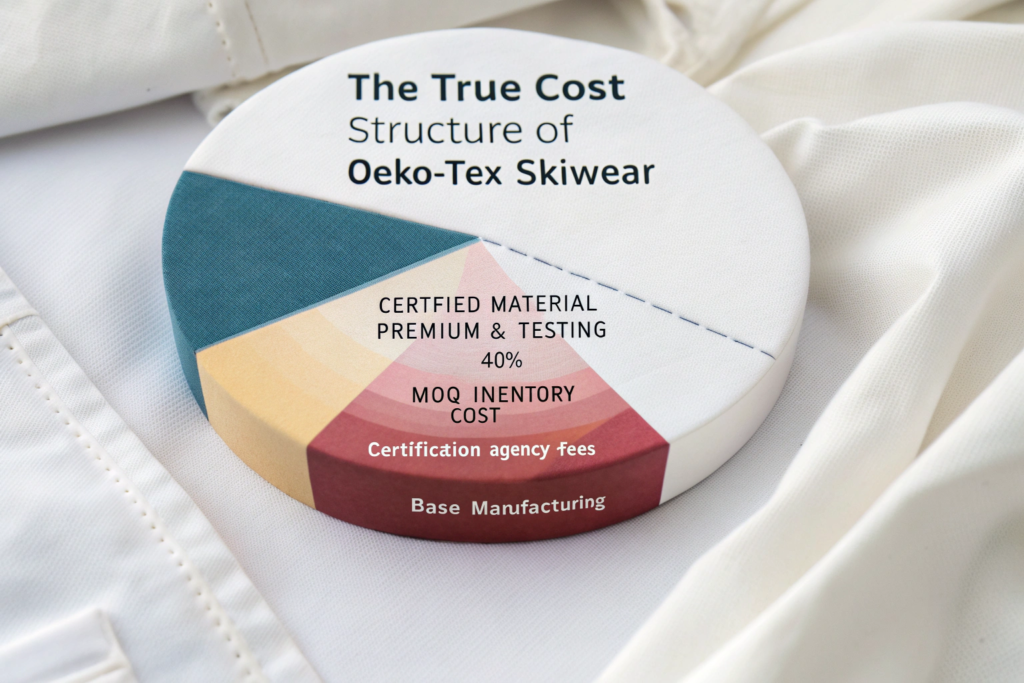
What is the real cost structure of certification?
Let's break down a typical scenario for a new ski jacket style. Material pre-testing before bulk order can cost $500-$1,500 per type. The formal finished product certification can range from $2,000 to $5,000. OEKO-TEX certified fabrics carry a 10-30% price premium. A mill may require 3,000 meters of certified fabric versus 1,000 meters for non-certified. For a brand developing 5 styles, upfront costs can easily exceed $20,000 before a single garment is sewn.
How do MOQs create a capital lock?
High material MOQs force you to commit significant capital to inventory before sales. This is a brutal barrier for startups. A factory without strong mill relationships cannot negotiate lower MOQs. In contrast, because Shanghai Fumao aggregates demand across multiple clients, we can often place larger mill orders and offer our brand clients more accessible garment manufacturing MOQs, effectively lowering this financial barrier through scale.
Barrier 3: The Manufacturing and Supply Chain Control Imperative
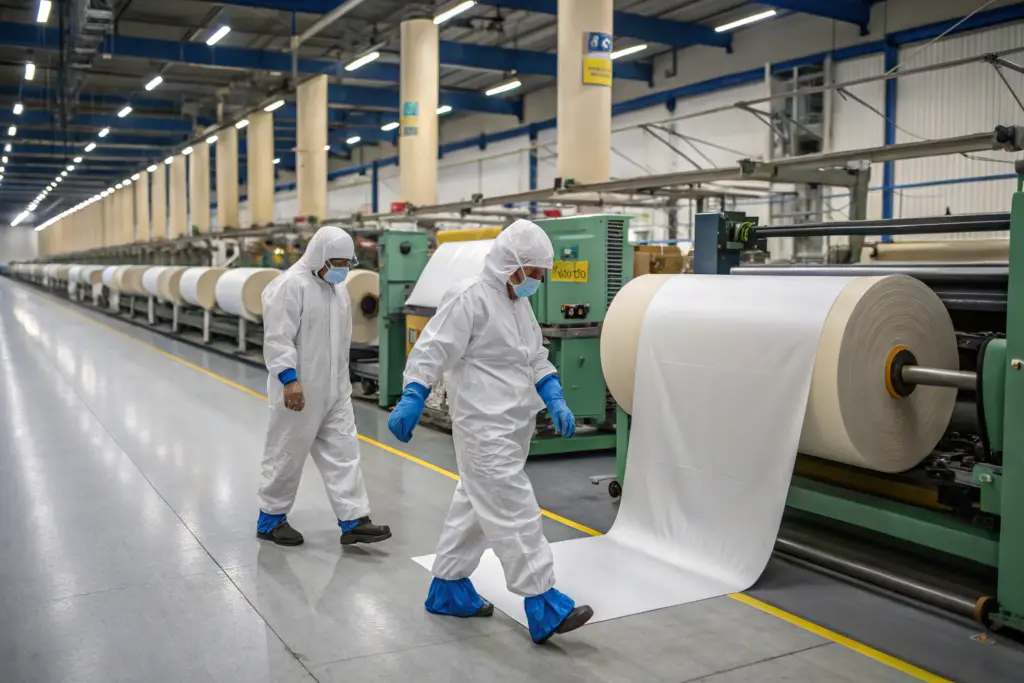
You can have all certified materials, but if your factory's production process contaminates them, certification fails. The factory must operate a controlled, transparent supply chain with documented procedures—a capability far beyond basic cut-make-trim shops.
The manufacturing barrier is the need for a factory with an integrated, traceable supply chain and in-house quality assurance protocols to prevent cross-contamination. This includes segregated storage for certified raw materials, controlled sourcing of auxiliary materials (like non-toxic sewing machine lubricants), and meticulous production records for audit trails.
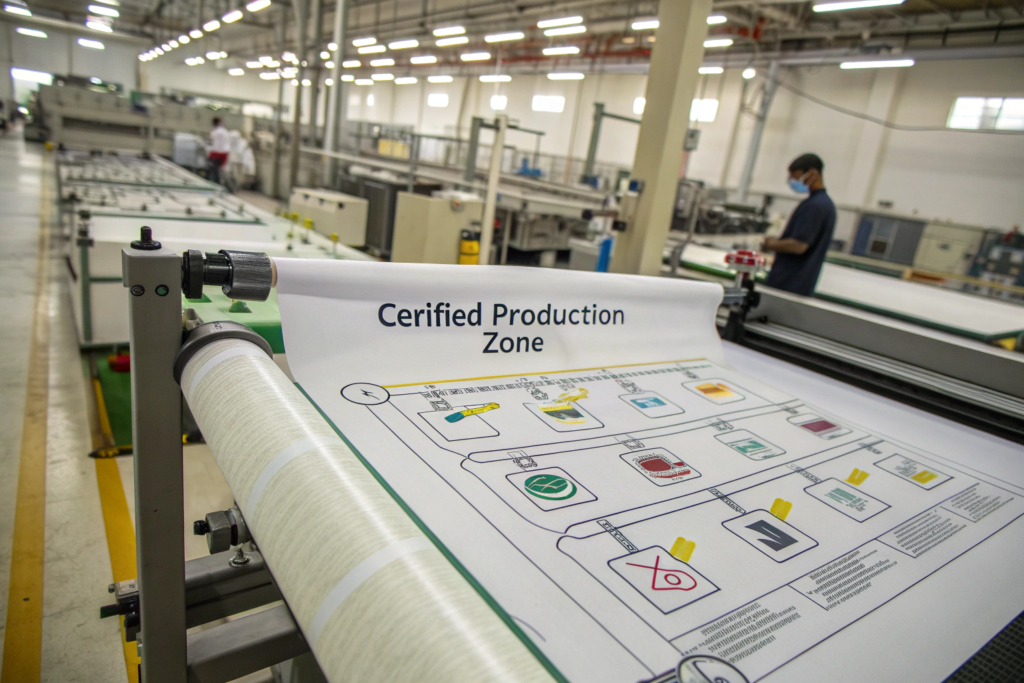
What does "cross-contamination" mean in practice?
A startling example: A factory runs a batch of certified white jackets after a batch of non-certified red jackets on the same sewing line. If the sewing machines are not thoroughly cleaned, red dye residue from the previous thread could transfer. Similarly, using a non-certified cleaning agent on the cutting table could introduce harmful substances. Factories producing certified goods need Standard Operating Procedures (SOPs) to manage these risks, a hallmark of sophisticated full-package production.
Why is traceability a non-negotiable part of manufacturing?
From a 2023 audit for a German brand: They requested proof that the recycled polyester in their jackets indeed came from post-consumer bottles. Our system provided the transaction certificate from the fabric mill, which in turn had certificates from its polymer supplier. This multi-tier traceability is impossible if your factory is just a sewing unit buying fabric from a local market. It requires a manufacturer like us who is deeply embedded in and audits its supply chain.
Barrier 4: The Knowledge and Compliance Management Gap
OEKO-TEX is not a static certificate you frame on the wall. It's a dynamic compliance system. The substance lists are updated annually. Different countries have evolving regulations (e.g., California's Proposition 65, EU's REACH). Managing this requires dedicated expertise.
The knowledge barrier involves understanding the nuances of OEKO-TEX product classes (Class I for infants vs. Class III for apparel), navigating overlapping regulations, correctly interpreting test reports, and managing certificate renewals. Without this expertise, brands risk unintentional non-compliance even with a certificate in hand.

How do annual updates create an ongoing burden?
Every year, OEKO-TEX publishes new restricted substances and stricter limits. A chemical that was compliant in 2023 might be banned in 2024. The manufacturer is responsible for ensuring ongoing production still complies. This means re-testing materials or obtaining confirmations from suppliers. It's an ongoing cost and administrative task that many new entrants don't anticipate.
Can a brand outsource this knowledge gap?
Yes, and this is the most strategic way to overcome this barrier. By partnering with a manufacturer that has a dedicated compliance and quality assurance team, you effectively buy their expertise. For example, our team at Shanghai Fumao subscribes to regulatory updates, conducts annual supplier audits, and proactively manages certificate renewals for our clients. This turns a complex barrier into a managed service within your DDP partnership.
Conclusion
The barriers to OEKO-TEX certified skiwear production are substantial, but they are not insurmountable. They exist for a reason: to ensure genuine safety, quality, and environmental responsibility. These barriers actually protect the value of your brand by ensuring that "OEKO-TEX certified" remains a meaningful, trustworthy claim.
The most effective strategy to overcome these barriers is not to tackle them alone, but to partner with a manufacturer that has already invested in overcoming them. This means choosing a partner with established certified material supply chains, in-house technical and compliance expertise, and a full-package production model that assumes control from fabric to finished garment. This partnership transforms barriers from roadblocks into the very foundations of your product's integrity and your brand's credibility.
If you are determined to build a skiwear brand that stands for verified performance and responsibility, your choice of manufacturing partner is the most critical decision you will make. At Shanghai Fumao, we have built our systems to be this partner. We navigate these barriers daily, turning them into a seamless process for our clients. Contact our Business Director, Elaine, at elaine@fumaoclothing.com to discuss how we can help you enter the market not just with a product, but with a product built to last.