Is your camo apparel blending into the sea of generic offerings? Standardized pattern application can limit your brand's visual identity and fail to optimize the functional performance of the camouflage. Thoughtful pattern placement is a powerful tool for product differentiation.
Customization options for Realtree pattern placement on apparel extend far beyond basic all-over printing. They include engineered placement printing, strategic panel cutting, specialized embroidery and appliqué, and innovative techniques like sublimation dyeing on technical fabrics, all of which require precise factory coordination and licensing compliance.
As a licensed manufacturer, Shanghai Fumao works directly with the pattern specifications provided by Realtree. We help brands leverage these options to create distinctive, high-performance garments. Let's explore how you can strategically customize placement to enhance both aesthetics and utility.
How does engineered placement printing work for custom designs?
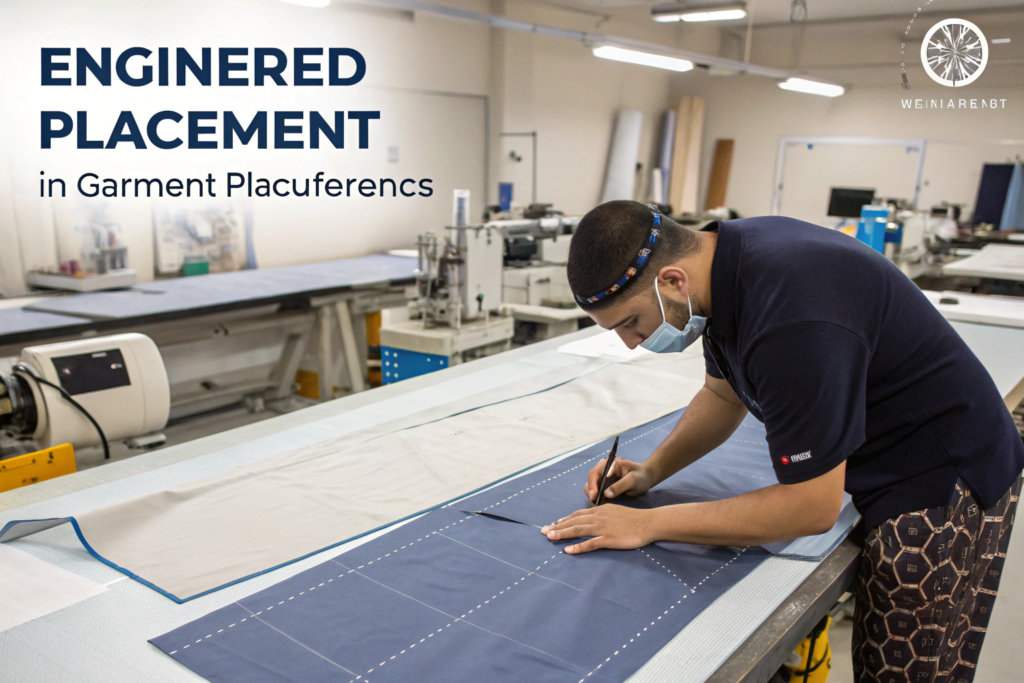
Engineered placement is the art of directing exactly where the pattern falls on each garment panel before cutting. This is not random; it's a deliberate design choice that requires advanced digital patterning.
This technique allows for dramatic visual effects, functional concealment optimization, and ensures critical pattern elements align perfectly across seams.
What is the process of digital pattern placement?
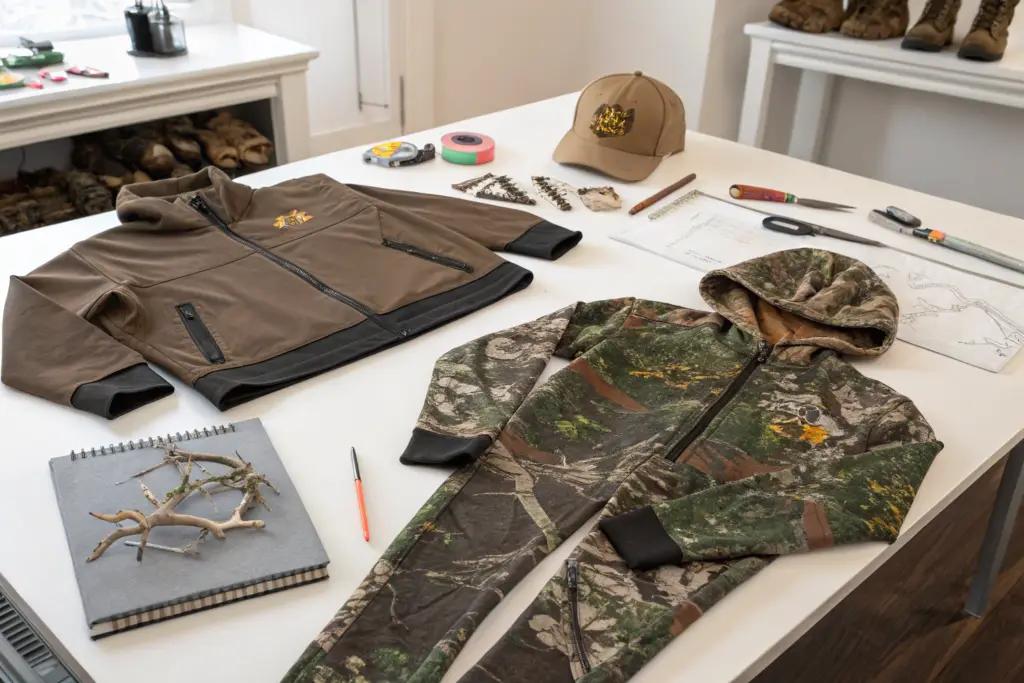
The process begins with your garment's digital pattern pieces. Our graphic technicians then digitally "map" the Realtree pattern file onto each piece. We can manipulate the scale, rotation, and precise position of the pattern on each part. For example, you might want the densest, darkest part of the Realtree EDGE pattern to fall across the shoulders and back for better concealment in a treestand, while keeping the chest area lighter. This requires a digital textile printing or advanced screen-printing setup. In a 2023 project for a Montana-based hunting brand, we engineered the placement so that a key vertical "tree trunk" motif in the pattern ran unbroken across the center back seam, creating a stunning and functional visual continuity that their customers loved.
How does panel matching enhance garment quality?
Pattern matching at seams is the hallmark of a high-end garment. When the cut pieces are sewn together, the camouflage pattern continues seamlessly across the seam line, avoiding a disjointed, patchwork look. This is especially critical for large, visible seams on jackets, shirts, and pants. It requires extra fabric consumption (up to 15-20% more) and highly skilled cutting. This commitment to detail signals superior garment construction and quality, a tangible point of differentiation that discerning hunters notice and appreciate. It transforms the garment from simple printed apparel into a cohesive piece of gear.
What can be achieved through strategic panel cutting?
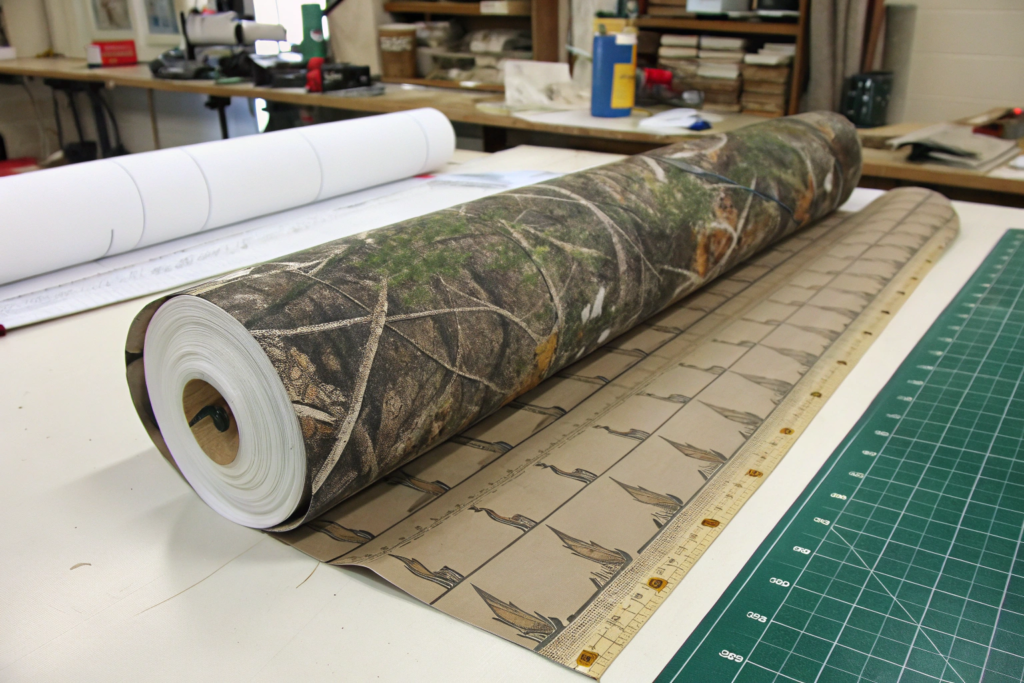
Before a single piece of fabric is printed, the strategy of how it will be cut from the larger roll of licensed Realtree fabric can create distinct visual outcomes.
This method uses pre-printed fabric (often via rotary screen printing) and relies on the cutter's skill to position pattern pieces for specific effects.
How is directional cutting used for visual impact?
With directional cutting, all pattern pieces are cut with the camouflage pattern oriented in the same direction (usually vertical), ensuring visual consistency. This is the standard for most woven shirts and pants to maintain a natural, upright appearance of the foliage and shadows in the pattern. Deviating from this, such as using a horizontal orientation on a sleeve or hood for a bold design statement, must be intentional and is often part of a techwear or fashion-forward camo design. It requires clear communication in the tech pack to the cutting team.
What is the effect of panel-specific fabric selection?
This advanced technique involves using different segments of the wide fabric roll for different panels based on the pattern's variation. For instance, the body of a jacket might be cut from a section of the fabric roll with a dense, dark pattern, while the sleeves are cut from a lighter, more open section to create subtle contrast and depth. This mimics how light naturally falls on the body in the outdoors. Executing this well requires a deep understanding of the Realtree pattern repeat and close collaboration between the designer and the factory's cutting manager.
How are embroidery and appliqué used for branding and accents?
Adding texture and dimension through embroidery or appliqué allows for brand integration and tactical reinforcement without compromising the camouflage's effectiveness.
These techniques offer localized customization that can enhance durability, provide reflective options, and integrate logos organically.
How to incorporate logos into camo patterns via embroidery?
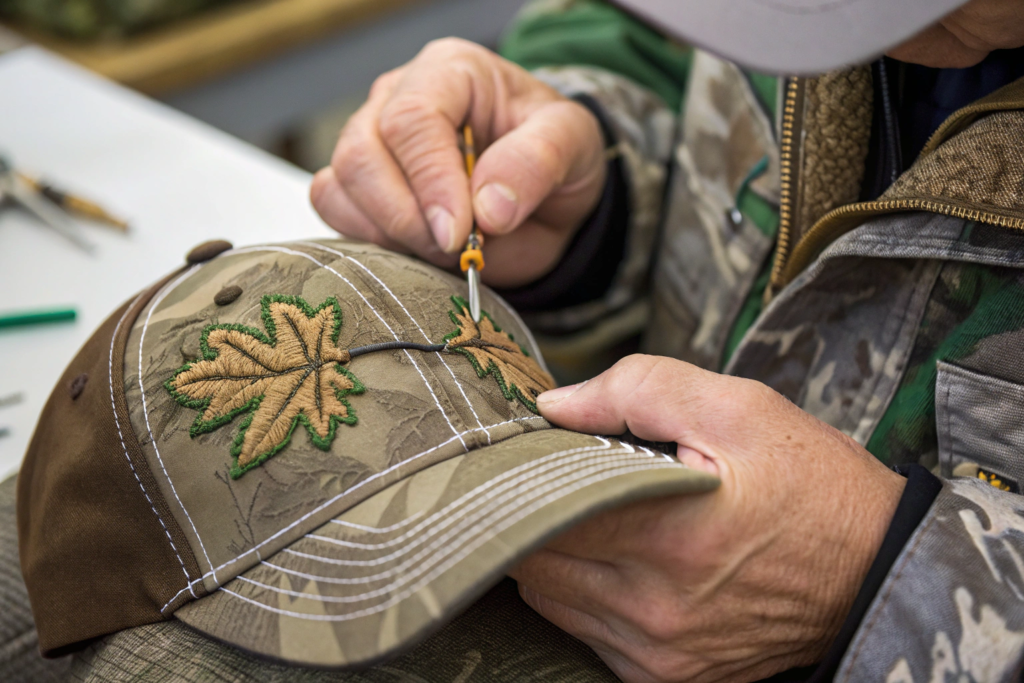
Directly embroidering a solid logo onto a camo background can create a visually disruptive "hole" in the concealment. The sophisticated approach is to use camo-embroidery. Here, the logo is stitched using thread colors that match the adjacent Realtree pattern, allowing the logo to be visible up close but blend into the overall pattern at a distance. We helped a rising outdoor brand achieve this by digitizing their logo and selecting five specific thread shades from the Realtree palette. The result was a branded yet low-visibility emblem on the cap, maintaining the garment's stealth profile.
Where are appliqué and reinforcing patches most effective?
Fabric appliqué involves sewing a pre-cut piece of Realtree fabric onto a base garment. This is excellent for adding reinforced layers on high-wear areas like knees, elbows, or the seat of pants, using a heavier fabric without needing the entire garment to be made from it. Similarly, TPU (Thermoplastic Polyurethane) patches with a camo print can be heat-transferred for waterproof reinforcements or reflective accents. For example, adding a small, reflective Realtree-patterned patch on the back of a hoodie for safety, which only shines when light hits it, is a popular functional customization. These elements must be sourced from licensed material, a supply chain we manage directly at Shanghai Fumao.
What innovative techniques work for technical performance wear?
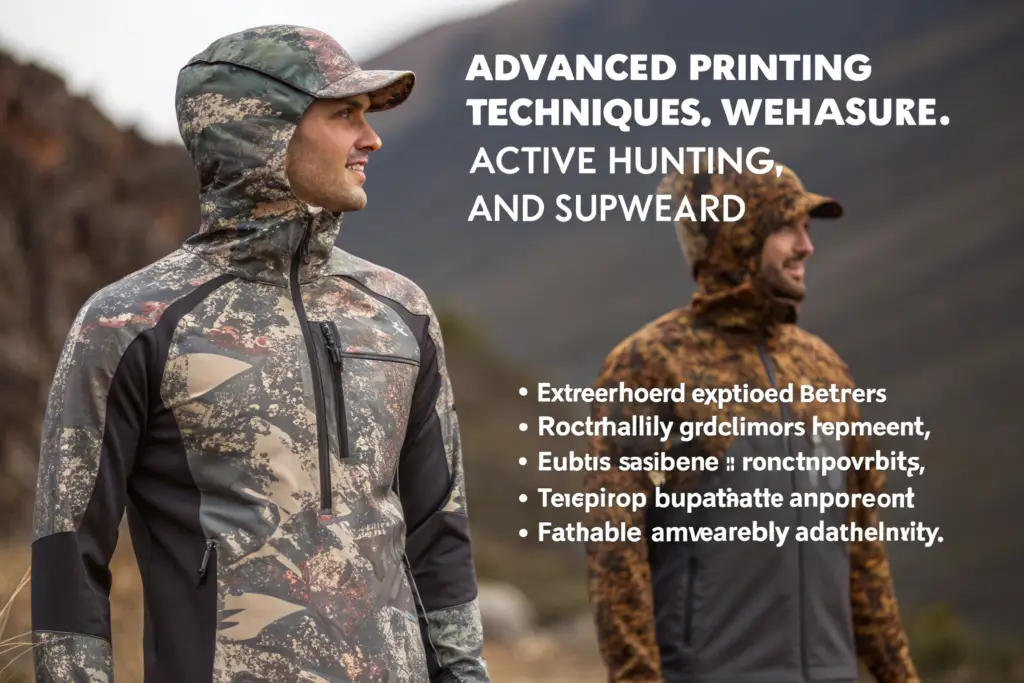
For active hunting and sportswear, traditional printing may not suffice. Innovation lies in integrating the pattern into the fabric itself or applying it in ways that endure extreme conditions.
These methods are key for garments requiring moisture-wicking, stretch, and durability.
Why is sublimation dyeing ideal for polyester performance fabrics?
Sublimation printing is a process where dye turns into gas and bonds with the polymer fibers of polyester fabric. For Realtree patterns on performance polo shirts, base layers, or athletic wear, it's the gold standard. The pattern becomes part of the fabric—it won't crack, peel, or affect the fabric's hand feel or moisture-wicking properties. It also allows for stunning, all-over, engineered placement with no limits on colors. The critical requirement is using licensed sublimation paper with the official Realtree pattern file. This ensures color and design fidelity from the digital file to the final garment.
How are bonded laminates and knit jacquards used?
For ultimate weather protection, bonded laminates (like a 3-layer GORE-TEX fabric) can have the Realtree pattern printed on the outer layer before lamination, locking it in and protecting it from abrasion. For knitwear like beanies or sweaters, jacquard knitting allows the Realtree pattern to be knitted directly into the fabric structure using colored yarns. This creates a textured, durable pattern that is integral to the garment. Both techniques involve high minimum order quantities and specialized machinery, which is why partnering with an experienced and well-equipped manufacturer is essential to execute them correctly.
Conclusion
Customizing Realtree pattern placement transforms standard camo apparel into a signature product line. From the precision of digital engineering and pattern matching to the textured depth of embroidery and the high-performance integration of sublimation, the options are vast. Each choice serves a purpose: enhancing concealment, boosting durability, strengthening brand identity, or improving technical function.
Leveraging these customization options requires a manufacturing partner with technical expertise, proper licensing, and a collaborative mindset. At Shanghai Fumao, we possess the licenses, technology, and experience to guide you from concept to flawless execution. Don't just order camo—define it. To explore custom Realtree placement for your next collection, contact our Business Director, Elaine, at: elaine@fumaoclothing.com.