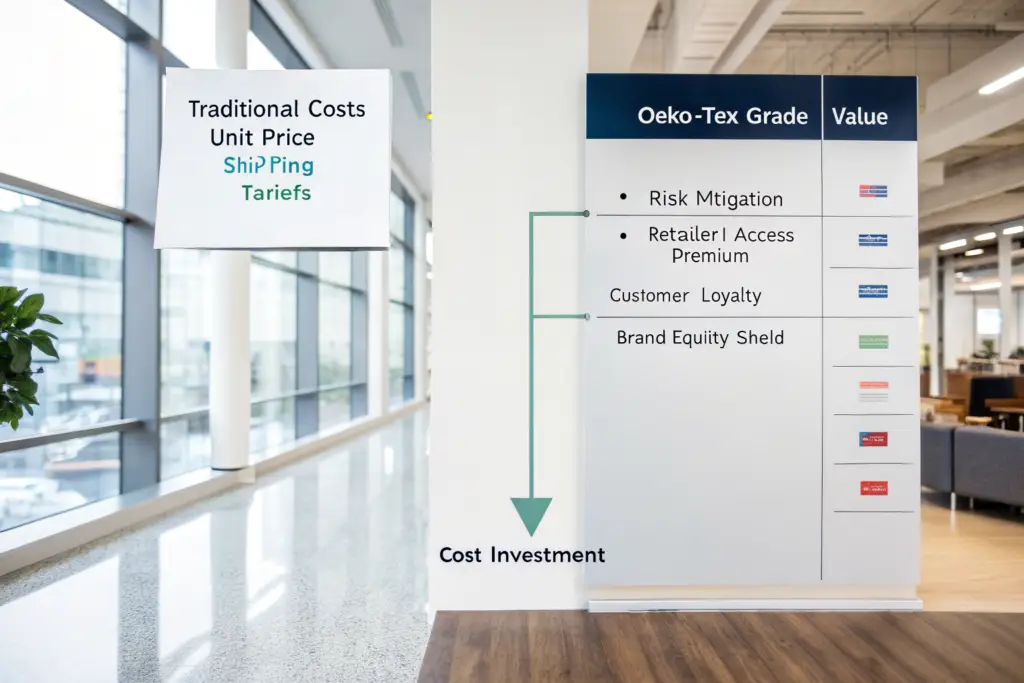
For wholesalers, the equation is seemingly straightforward: cost of goods plus margin equals price. Introducing a premium certification like OEKO-TEX STANDARD 100 Product Class I (Grade 1)—the strictest safety standard for babies and toddlers—appears to disrupt this simplicity by adding an upfront cost. The immediate question is, "What will this do to my margins?" However, framing the conversation purely around an added cost is a fundamental misstep. For the strategic wholesaler, the true analysis is one of Total Cost of Ownership and Value-Added Profitability.
The cost implications of OEKO-TEX Grade 1 for wholesalers extend beyond a simple price-per-unit increase. They represent a strategic investment that shifts cost structures from reactive liabilities (like recalls, rejected shipments, and lost accounts) to proactive value creation (justified premiums, streamlined sales, and protected brand equity). The "cost" is not an expense; it is the price of market access, risk mitigation, and long-term customer trust.
Let's move beyond the invoice line item to examine the comprehensive financial impact on a wholesale business.
What Are the Direct, Upfront Cost Components?
It is essential to first understand the tangible, added costs embedded in an OEKO-TEX Grade 1 certified product. Transparency here allows for accurate pricing models. These costs are not arbitrary; they pay for a verifiable system of safety.
- Premium Raw Materials: Fabric (e.g., cotton velour, French Terry) and components (thread, elastics, prints) that are produced to meet the stringent Class I chemical limits are inherently more expensive. This can add 5% to 15% to the base material cost compared to non-certified equivalents. Mills and dye houses invest in cleaner chemistry and rigorous testing, which is passed down the chain.
- Certification Testing Fees: Each distinct article (e.g., a specific style of baby romper) must be submitted to an accredited OEKO-TEX institute (like Hohenstein or TESTEX) for testing. This is a fixed cost per article, which, when amortized over the production volume, typically adds a 1% to 3% cost per unit for a reasonable-sized order.
- Manufacturer's Process Control Overhead: A responsible factory like Shanghai Fumao incurs costs for maintaining segregated production lines, conducting in-house pre-testing, managing documentation, and employing specialized compliance staff. This operational rigor is part of the full-package manufacturing value and is reflected in the FOB price.
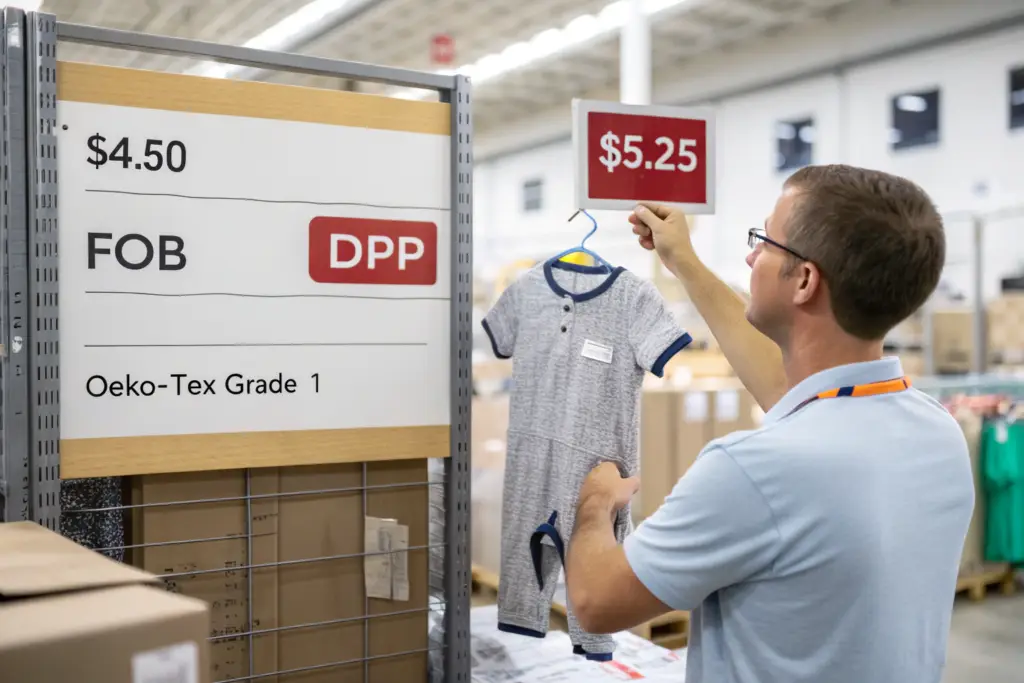
A wholesaler will see these factors integrated into a higher per-unit FOB or DDP cost. For example, a non-certified baby romper might cost $4.50 FOB, while its OEKO-TEX Grade 1 certified counterpart might be $5.25. The $0.75 difference is the direct cost of verified safety.
How Should a Wholesaler Model This in Their Pricing?
The key is to avoid absorbing this cost. It must be communicated as value. Your pricing to retailers should reflect not just the product, but the bundled assurance. Instead of a 50% markup on cost, you may apply a 60-70% markup on the certified item, because you are offering more than a romper—you are offering a risk-reduced, retailer-ready product. The certification provides the logical justification for this premium, protecting your margin.
What Are the Indirect Cost Savings and Risk Mitigations?
This is where the financial picture flips. The upfront investment actively prevents or reduces significant, often hidden, costs that plague wholesale businesses dealing with generic supply chains.
How Does It Eliminate Catastrophic Costs?
Consider the potential costs averted:
- Shipment Rejection at Customs: Non-compliant shipments can be held, tested, or destroyed. Fines, storage fees, and lost goods can erase the profit of an entire container. OEKO-TEX Grade 1, aligned with CPSIA and REACH, virtually eliminates this risk.
- Retailer Chargebacks and Rejections: Major retailers conduct audits. If your product fails their safety test, you face chargebacks (financial penalties), forced markdowns, or order cancellations. Providing an OEKO-TEX certificate pre-empts this.
- Product Recall Expenses: The ultimate nightmare. The costs of logistics, publicity, destruction, legal fees, and settlement payments can bankrupt a small business. More devastating is the irreversible brand damage. OEKO-TEX certification is your strongest evidence of due diligence, significantly reducing the likelihood of a recall and providing a legal defense if one occurs.
A real-world example: A wholesaler we work with had a previous supplier's non-certified baby blankets fail a retail partner's lead content test. The resulting chargebacks and lost future orders cost them over $80,000—far more than the total premium they would have paid for OEKO-TEX certification on that product line for five years.
Does It Reduce Operational and Sales Costs?
Yes, in several ways:
- Streamlined Sales Process: Your sales team leads with a powerful, credible differentiator. It shortens sales cycles with safety-conscious boutiques and major retailers, as you answer their biggest compliance question upfront.
- Reduced Customer Service Burden: You provide retailers with a ready answer for end-consumer safety inquiries, reducing back-and-forth and building their confidence in your brand.
- Simplified Sourcing & QC: You consolidate your safety verification to trusting your manufacturer's system, reducing the need for you to hire third-party testing labs or become a chemical compliance expert yourself.
How Does It Create New Revenue and Margin Opportunities?
The most successful wholesalers don't just compete on price; they compete on value. OEKO-TEX Grade 1 certification is a powerful tool for value-based competition, allowing you to move into more profitable market segments.
Can It Justify Access to Higher-Margin Retail Channels?
Absolutely. Certain retail segments have a mandatory or strongly preferred requirement for such certifications:
- Premium Baby Boutiques & Organic Stores: Their entire value proposition is built on trust and safety. OEKO-TEX Grade 1 is often a minimum entry requirement.
- High-End Department Stores: Their buying teams use certifications to vet and de-risk new vendors.
- E-commerce Marketplaces Curating "Safe" Products: Platforms targeting conscious parents actively filter for and promote certified goods.
By carrying OEKO-TEX Grade 1 products, you are not just selling to more stores; you are selling to better stores that buy at higher price points and offer more stable, seasonal business.
How Does It Enhance Brand Equity for the Wholesaler?
As a wholesaler, your company name is a brand to your retailers. By consistently offering certified products, you build a reputation as a reliable, safety-focused source. This equity allows you to:
- Command Brand Loyalty: Retailers stick with suppliers who make their lives easier and protect their reputations.
- Launch Private Label Lines: Use your certified manufacturing access (through a partner like Shanghai Fumao) to develop a high-margin private label line with a built-in safety story.
- Reduce Price Sensitivity: When you are known for verified quality and safety, retailers are less likely to nickel-and-dime you on price, protecting your margins long-term.
What is the Strategic Sourcing Partnership Required?
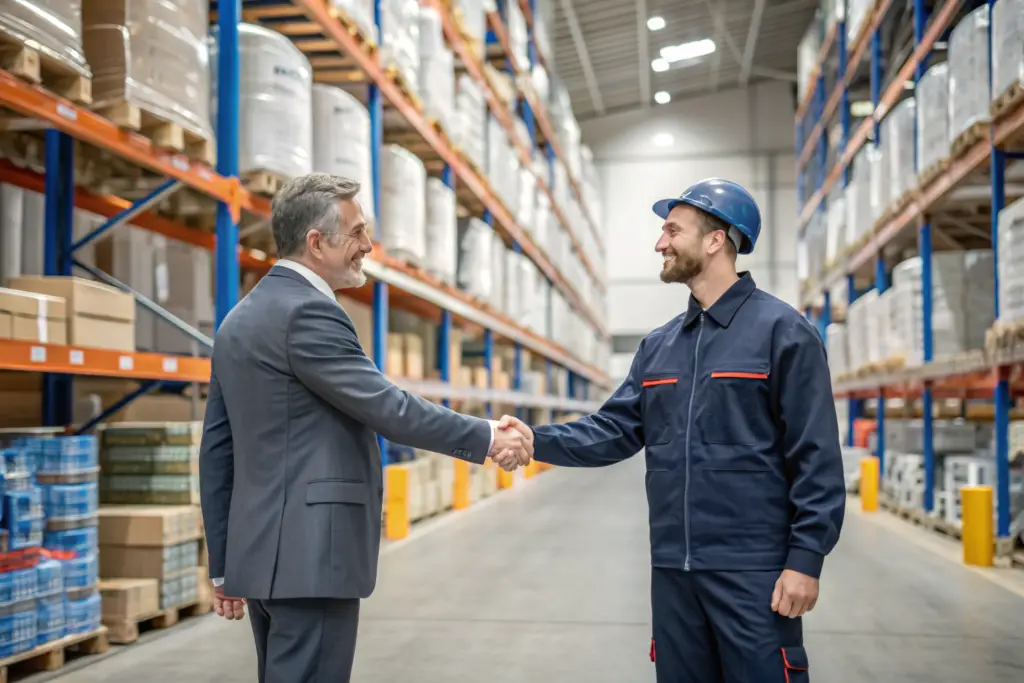
To realize these benefits, the wholesaler-supplier relationship must evolve. You cannot buy OEKO-TEX Grade 1 products from a faceless commodity factory. You need a strategic manufacturing partner.
Why is a "Full-Package" Manufacturer Essential for Cost Control?
A full-package manufacturer manages the entire certified supply chain. This is cost-effective for you because:
- Single Point of Accountability: You have one partner responsible for the certification integrity of the complete garment, not five different suppliers blaming each other.
- Efficient Logistics: They handle quality assurance, documentation, and shipping under coherent DDP terms, reducing your administrative overhead and hidden logistics costs.
- Volume Leverage: A factory like ours has buying power with certified mills, securing better fabric prices than a wholesaler could alone.
How Does Shanghai Fumao Help Wholesalers Optimize This Investment?
We work with wholesalers to make the certification investment efficient:
- Product Portfolio Strategy: We help identify which core, high-volume styles (e.g., best-selling velour rompers, essential bodysuits) will benefit most from certification, ensuring your investment has the greatest market impact.
- Transparent Cost Breakdown: We provide clear line-item visibility into the cost drivers, so you can price and market with confidence.
- Consistent Batch Quality: Our systems ensure every order matches the certified standard, protecting your reputation and preventing costly quality disputes.
Conclusion
For wholesalers, the cost implications of OEKO-TEX 100 Grade 1 must be evaluated on a balance sheet that accounts for both sides of the ledger. On one side, a clear per-unit premium. On the other, a column of substantial, often overlooked savings: eliminated regulatory fines, avoided chargebacks, prevented recalls, reduced sales costs, and protected brand value.
More importantly, it opens a column for new revenue: access to premium retail channels, justified price increases, and the opportunity to build a wholesale brand synonymous with trusted safety.
The question is not, "Can I afford this certification?" The strategic question is, "Can I afford the risk and lost opportunity of NOT having it?" In the modern children's wear market, where safety is the primary purchase driver for parents and a key due diligence filter for retailers, the investment in OEKO-TEX Grade 1 is not a cost—it is the cost of entry to the profitable, sustainable future of wholesale.
Ready to transform your cost structure from liability to advantage? Partner with Shanghai Fumao to build a wholesale portfolio powered by verified safety. Contact our Business Director, Elaine, to analyze your product lines and develop a certification strategy that maximizes your profitability and market reach. Email her at: elaine@fumaoclothing.com.