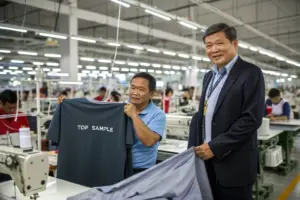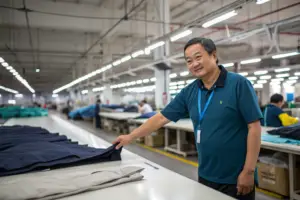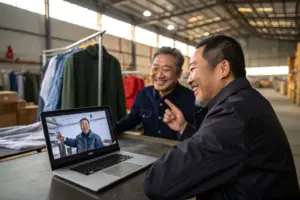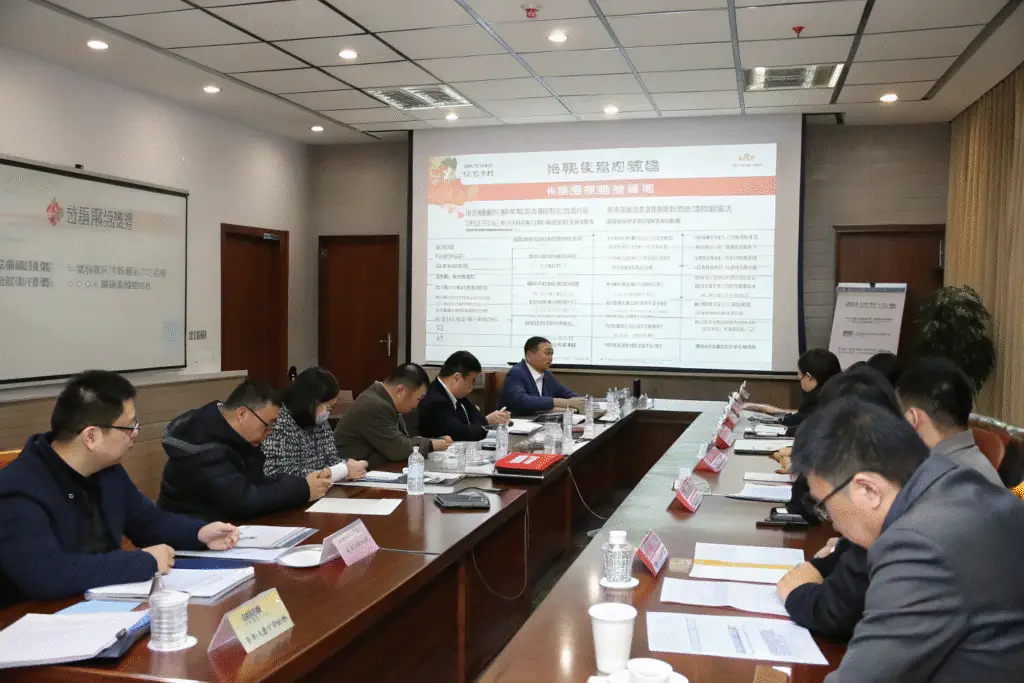
The initial kick-off meeting represents the most critical phase in apparel production, establishing the financial framework for your entire project. For brand owners and buyers, this meeting determines budget alignment and operational efficiency. Understanding the key cost drivers discussed during this session enables you to make informed decisions that balance quality, timeline, and investment.
A garment production kick-off meeting serves as the foundation for budget planning and cost management. The primary cost drivers systematically addressed include fabric and material selection, production complexity and labor requirements, logistics arrangements and payment terms, plus order volume and timeline considerations. Comprehensive discussion of these elements ensures transparent pricing and prevents unexpected expenses throughout the manufacturing process.
Let's examine each cost component in detail, providing you with the knowledge needed to navigate your next production meeting with confidence and clarity.
What fabric choices impact cost most?
Material selection establishes the baseline for your garment's production cost, typically representing 50-60% of the total expenditure. Understanding fabric variables allows for strategic decisions that align with your quality requirements and budget constraints.
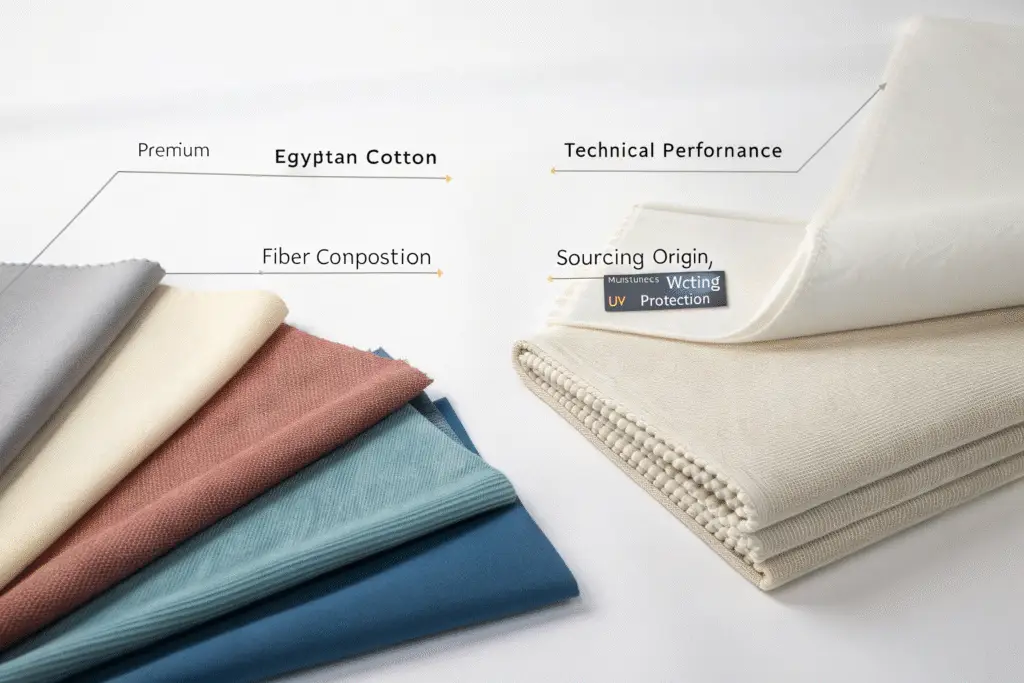
The fabric cost equation extends beyond simple price per meter calculations. It encompasses fiber composition, sourcing origin, and specialized treatments. For example, premium Egyptian cotton commands significantly higher prices than standard blended fabrics, while technical performance materials with moisture-wicking or UV protection features incur additional costs compared to basic knits.
How does fabric type and quality affect the price?
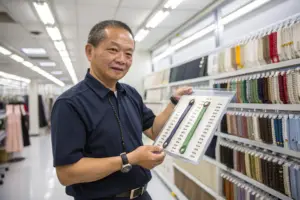
Natural fibers including silk, linen, and high-grade cotton consistently demand premium pricing compared to synthetic alternatives like polyester or rayon. Within each category, quality indicators such as thread count, weight measurement (GSM), and finishing treatments substantially influence final costs. A heavyweight jersey knit designed for premium t-shirts naturally costs more than its lightweight counterpart. We facilitate this decision process by providing comparative samples and transparent pricing structures that balance aesthetic vision with financial practicality.
Why do fabric sourcing and certifications matter?
Geographic sourcing origins directly impact both cost and lead time. Domestically sourced materials often carry higher price tags but offer shorter transportation periods, while imported fabrics may present initial savings but involve extended shipping durations and import duties. Additionally, quality certifications such as OEKO-TEX Standard 100 or GOTS (Global Organic Textile Standard) provide marketable assurances while adding measurable value and corresponding costs. We present these options with complete transparency, enabling informed decisions regarding certification benefits versus budget implications.
How does production complexity increase price?
Manufacturing complexity directly correlates with labor investment and operational efficiency, forming the second major cost component in garment production. The transition from raw fabric to finished product involves numerous steps where design decisions significantly impact final pricing.
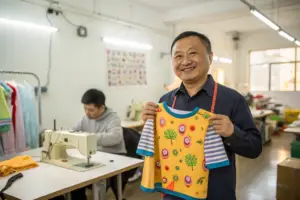
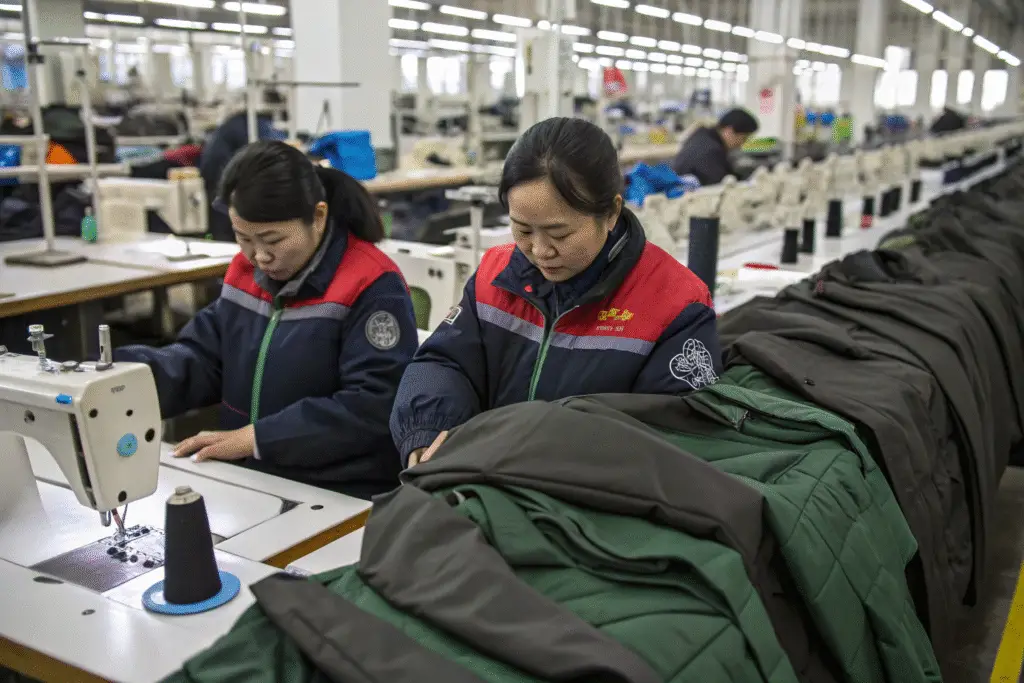
Labor expenses are intrinsically linked to the skill level and time required for garment assembly. While basic t-shirts require minimal stitching operations, structured jackets with multiple panels, full lining, and functional details demand substantially more manufacturing time and expertise. We systematically analyze garment construction requirements during kick-off meetings to identify complexity-driven cost factors before production commences.
What design details are the most costly?
Specific design elements consistently contribute to higher production costs, including:
| Design Element | Reason for Cost Increase |
|---|---|
| Multiple Garment Pieces | Increased pattern development, cutting time, and assembly operations |
| Intricate Stitching | Specialized operator skills required for topstitching and decorative seams |
| Specialized Trims | Custom hardware, embroidery, or prints adding material and application costs |
| Complex Fitting Requirements | Multiple sample iterations extending development timeline and resources |
Why is the skill level of the factory important?
Manufacturing expertise represents a crucial though sometimes overlooked cost factor. Facilities specializing in specific product categories (such as technical outerwear or delicate knitwear) typically operate with greater efficiency, reducing error rates and material waste. This specialized knowledge often justifies moderately higher unit costs compared to general-purpose manufacturers, as it substantially reduces risk of expensive quality issues during production. Partnering with experienced manufacturers who thoroughly understand garment manufacturing terminology and best practices ultimately delivers superior value throughout the production lifecycle.
What logistics and payment terms influence cost?
Transportation arrangements and financial agreements constitute the third major cost category, directly affecting both budget predictability and supply chain reliability. Clear understanding of these elements prevents unexpected charges and ensures smooth operational handoff.
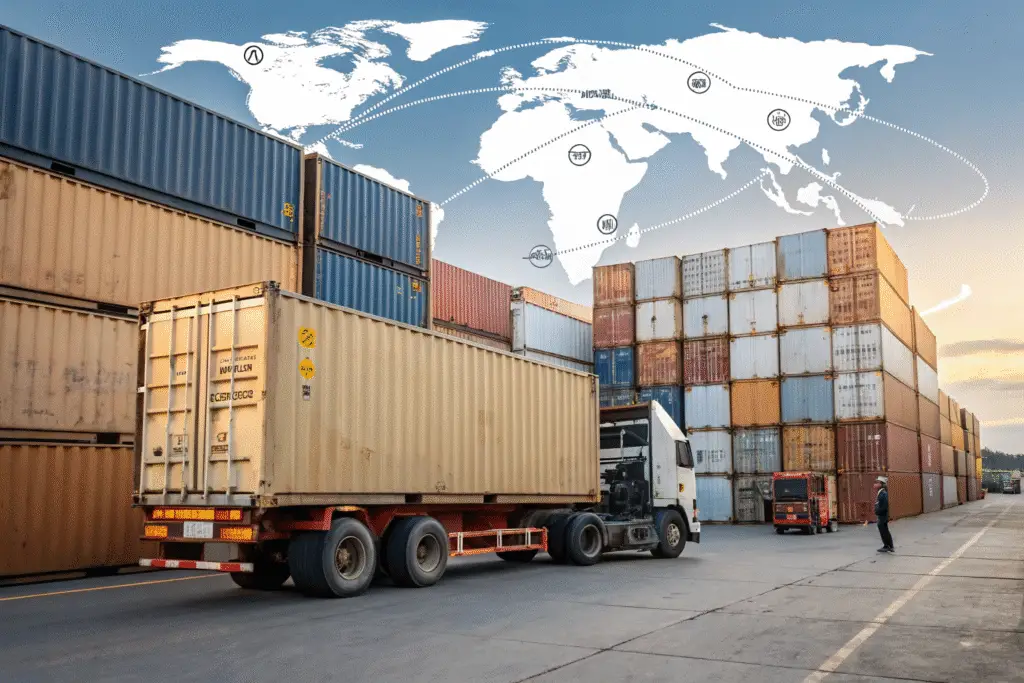
International shipping terms fundamentally define cost responsibility and risk transfer between manufacturing and purchasing parties. Our frequent utilization of DDP (Delivered Duty Paid) arrangements provides clients with comprehensive cost certainty by encompassing all expenses until goods reach designated U.S. locations. This contrasts sharply with FOB (Free On Board) terms where buyers assume responsibility for volatile shipping and insurance costs.
How do shipping mode and timelines affect budget?
The fundamental choice between air freight and sea freight represents a major cost variable. Air transportation offers rapid delivery for urgent shipments but carries premium pricing, while ocean shipping provides cost efficiency for volume orders but requires extended transit periods. Required delivery dates directly influence this decision, with accelerated production timelines often necessitating expedited production scheduling and associated premium charges. We provide clear timeline options and seasonal shipping recommendations to optimize budgetary planning while avoiding peak surcharge periods.
What are the financial aspects beyond the unit price?
Per-unit manufacturing costs represent only one component of the total financial picture. Payment structures including letters of credit (LC) provide transaction security but involve banking fees, while wire transfers offer simplicity but require established trust relationships. Additionally, customs clearance procedures, import duties, and tax obligations (particularly relevant for DDP shipments) must be factored into comprehensive cost calculations. We maintain complete financial transparency throughout the quotation process, ensuring all potential expenses are identified and communicated before commitment.
How do order volume and timeline impact pricing?
Production scale and scheduling requirements form the final major cost dimension, offering significant opportunities for budget optimization through strategic planning. Understanding volume-based economics enables smarter purchasing decisions and manufacturing partnerships.
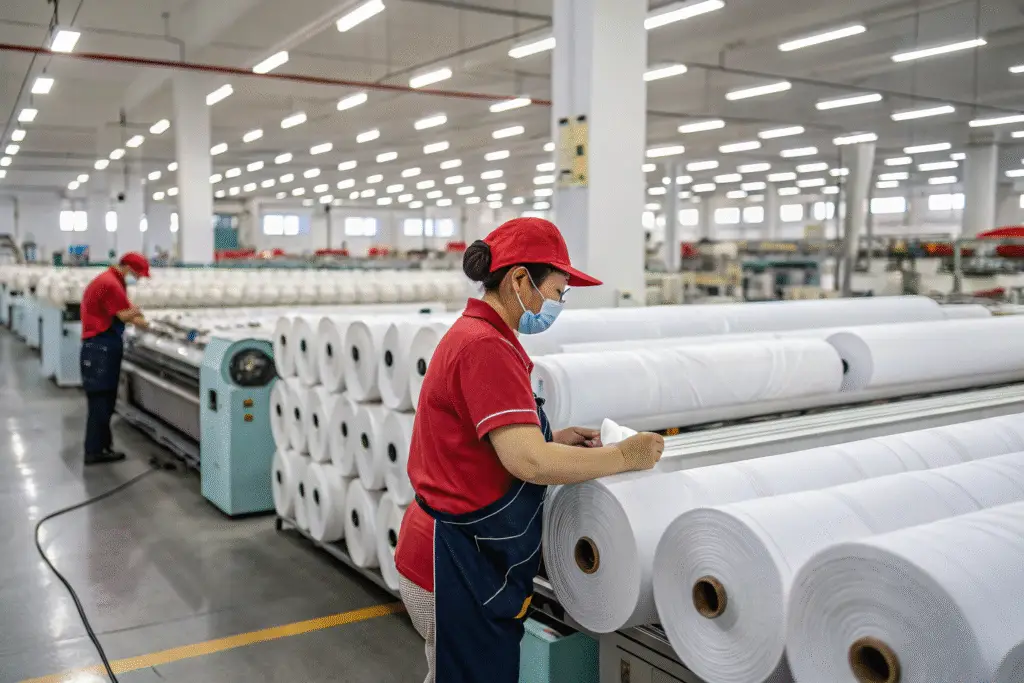
Quantity directly influences per-unit pricing through bulk material purchasing advantages and manufacturing efficiency. Producing 10,000 units of a single style allows for optimized production line configuration and workforce specialization, substantially reducing per-item costs compared to manufacturing 500 units across multiple styles. We collaborate with clients to establish practical Minimum Order Quantities (MOQ) that balance inventory investment against production efficiency.
Why is the production schedule a key cost factor?
Time management directly correlates with manufacturing expenses. Realistic, well-communicated timelines enable efficient resource allocation across labor and equipment. Conversely, rush orders typically necessitate production schedule reorganization, overtime compensation, and premium shipping options—all contributing to substantially higher costs. We emphasize the importance of establishing a definitive production calendar during initial meetings to prevent expedited service charges while ensuring market-ready delivery for your selling season.
What is the cost of quality control and compliance?
Comprehensive quality assurance systems represent essential investments in brand protection, though they contribute measurable production costs. These expenses include specialized inspection personnel, materials testing protocols, and compliance certifications for social or environmental standards. While quality control adds to initial manufacturing costs, it provides substantial financial protection against returns, recalls, and brand reputation damage. We integrate these essential verification processes throughout our manufacturing operations, building quality assurance into foundational pricing rather than treating it as an optional addition.
Conclusion
The garment production kick-off meeting transcends simple introduction to become a strategic planning session that defines project financials and operational parameters. Through systematic discussion of fabric selection, manufacturing complexity, logistics arrangements, and volume considerations, we establish collaborative partnerships built on transparency and mutual understanding. This comprehensive approach prevents budgetary surprises, aligns expectations, and positions both manufacturing and brand teams for successful project execution.
Mastering these cost drivers empowers strategic decision-making throughout your production journey. As your dedicated manufacturing partner, we provide expert guidance through each cost variable, ensuring optimal value without compromising quality or reliability. Ready to optimize these cost factors for your next collection? Contact our Business Director Elaine at elaine@fumaoclothing.com to schedule your production kick-off meeting and receive a detailed project quotation.