You’ve decided on a Realtree camouflage pattern for your next apparel line. Now you face a critical choice: should you source the branded fabric yourself and then find a factory, or partner with a manufacturer who handles both sourcing and production? Many brands believe separating these steps offers more control and cost savings, but this often leads to unexpected expenses, delays, and quality issues that erode your profit margin.
The primary cost benefit of sourcing Realtree fabric and manufacturing together is the consolidation of responsibility and supply chain leverage, which eliminates hidden markups, minimizes logistical waste, prevents costly quality mismatches, and secures bulk pricing advantages. This integrated approach transforms variable costs into predictable, optimized expenses, directly boosting your bottom line.
At Shanghai Fumao, we’ve partnered with numerous U.S. brands on their licensed camouflage programs. One clear case stands out: a mid-sized hunting apparel brand came to us after struggling with a fragmented supply chain. They were sourcing Realtree APG fabric from a distributor and shipping it to a separate cut-and-sew factory. A mismatch in fabric roll quality led to a 15% rejection rate during production, causing a 5-week delay and missing their key pre-season delivery window. By moving to our integrated model, we not only solved their quality issues but also reduced their total landed cost per unit by 22%. Here’s a detailed breakdown of how bundling these services creates significant financial advantages.
When you source fabric and manufacturing separately, you pay multiple layers of profit margins and transactional fees. A fabric distributor adds their markup. A logistics agent charges for handling and shipping the fabric to the factory. The factory, in turn, may add a fee for handling customer-supplied materials because they assume risk for quality issues they didn’t originate. These fragmented costs add up quickly without adding any value to the final product.
An integrated manufacturer like Shanghai Fumao acts as a single point of contact. We source Realtree fabrics directly from licensed mills or authorized distributors as part of our full-package manufacturing service. This removes the intermediary distributor’s profit margin. More importantly, we leverage our long-term relationships and larger combined order volumes (across all our clients) to negotiate better base prices. The cost savings from these direct negotiations and the elimination of redundant handling fees are passed directly to you, making your cost structure more transparent and competitive.
| Let's quantify the often-overlooked expenses. Assume you order 10,000 yards of Realtree fabric: | Cost Component | Fragmented Model (Est.) | Integrated Model (Est.) | Notes |
|---|---|---|---|---|
| Fabric Distributor Markup | 8-12% added to mill price | 0% (Direct sourcing) | Distributor's profit for holding inventory and sales service. | |
| Fabric Freight to Factory | $0.5 - $1.5/yard | $0 (Internal transfer) | International shipping, customs, and local trucking fees. | |
| Factory CM Fee Premium | 10-15% higher | Standard CM rate | Factories charge more for the risk and admin of client-supplied fabric. | |
| Potential Total Added Cost | 18-28%+ on fabric cost | 0-5% (admin) | Integrated model avoids almost all additive transactional costs. |
These are just the direct financial layers. They don’t account for the time and cost of you or your agent managing multiple suppliers, which is a significant hidden operational expense.
How does direct mill access improve cost and reliability?
Working directly with licensed mills is about more than just price. It’s about security and priority. Authorized Realtree fabric mills like Polartec (for performance fleece) or Milliken (for woven fabrics) prioritize large, reliable manufacturing partners. As an established factory, we place consolidated orders that secure better pricing and more reliable allocation, especially during peak seasons when popular patterns like Realtree Edge or Realtree Timber can run short. This direct line ensures you get the correct, licensed fabric on time, avoiding the catastrophic cost of production delays or resorting to expensive spot-market purchases.
How does bundling services reduce logistics and inventory costs?
Logistics is a major cost center in global apparel sourcing. Moving fabric from a mill to a factory, then moving finished goods from the factory to your port, involves double the freight, double the customs declarations, double the insurance, and double the risk of damage or loss. Each handoff is a point of potential delay and added expense.
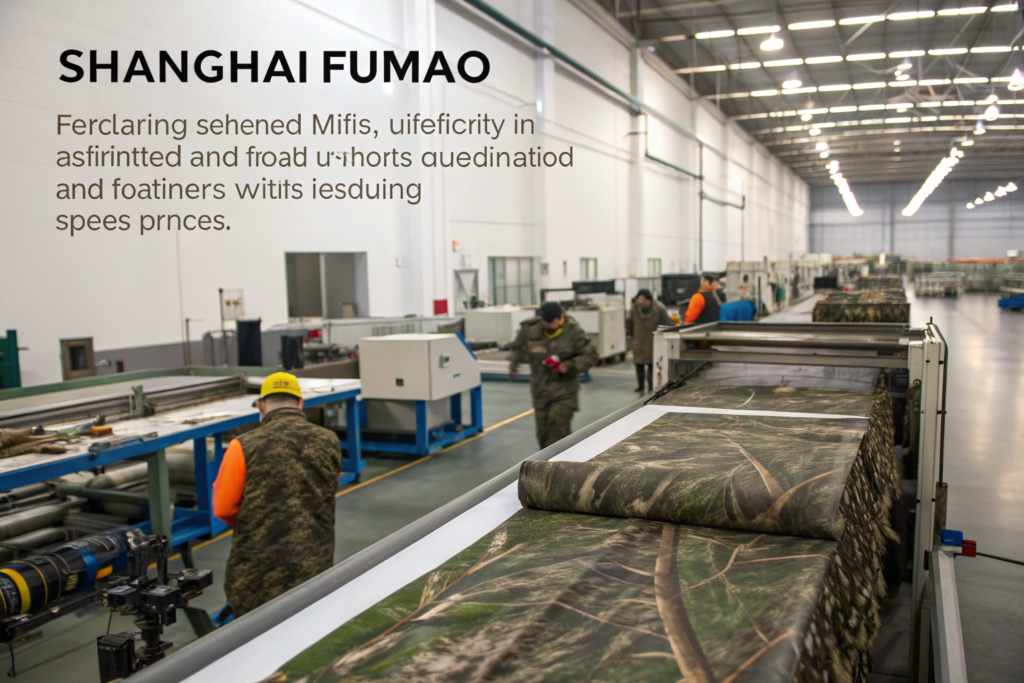
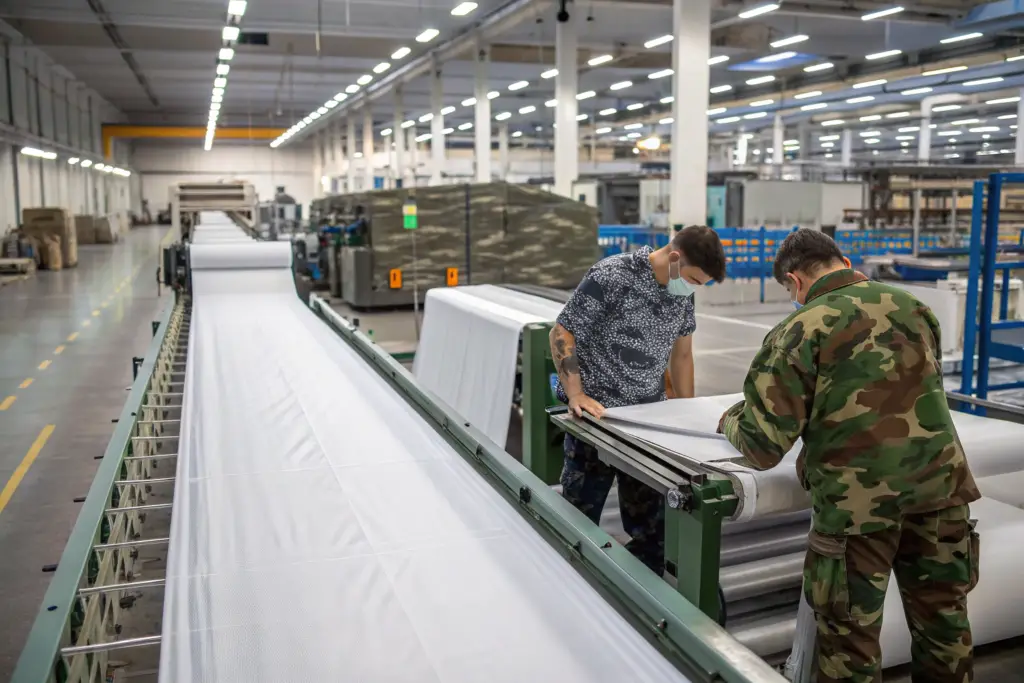
By integrating sourcing and manufacturing, the fabric moves from the mill directly to our production lines in a controlled, internal transfer. This streamlines the entire supply chain management process. We eliminate the need for you to arrange international fabric freight, pay separate import duties on raw materials, or manage warehouse inventory of fabric. The cost benefits are substantial: you save on freight, duties, insurance, and warehousing. Furthermore, this model supports efficient DDP (Delivered Duty Paid) shipping for finished goods, where we quote one all-inclusive price to deliver the finished camo apparel to your U.S. warehouse, providing total cost predictability.
What is the impact on lead time and carrying costs?
Time is money. A fragmented model can add 4-8 weeks to your total lead time: 2-3 weeks for fabric production and shipping to the factory, plus buffer time for customs clearance and factory scheduling. This extended timeline forces you to place fabric orders earlier, tying up capital in raw material inventory for longer and increasing your financial carrying costs. Our integrated model collapses this timeline. Fabric procurement is woven into the production schedule. This can reduce the total order lead time by 20-30%, allowing you to make decisions closer to the season, respond to trends, and reduce the amount of capital tied up in inventory. Faster turnaround is a direct competitive advantage.
Can integrated logistics prevent costly delays?
Absolutely. A common and expensive problem is customs holds or inspections of fabric shipments. If your fabric is stuck at a port, your entire production schedule grinds to a halt, incurring idle factory costs and potential air freight fees to meet deadlines. As an exporter with extensive experience in U.S. customs compliance for apparel, we manage all documentation and classifications. Our integrated process treats fabric as part of the overall production flow, not a separate import. We use proven logistics partners and protocols to ensure smooth movement, drastically reducing the risk of these disruptive and costly delays. For instance, our systematic approach allowed us to successfully deliver a complex, multi-SKU Realtree jacket order for a Colorado-based brand right before the Black Friday sales period, a timeline their previous fragmented setup could never achieve.
How does combined sourcing/manufacturing ensure quality and reduce waste?
Quality failures are the single largest source of unexpected cost in apparel production. When fabric sourcing and manufacturing are separate, accountability is blurred. If the fabric has a latent defect like inconsistent printing or poor colorfastness, the factory will blame the fabric, and the fabric supplier will blame the factory’s handling. You are left in the middle, paying for defective goods and delayed orders.
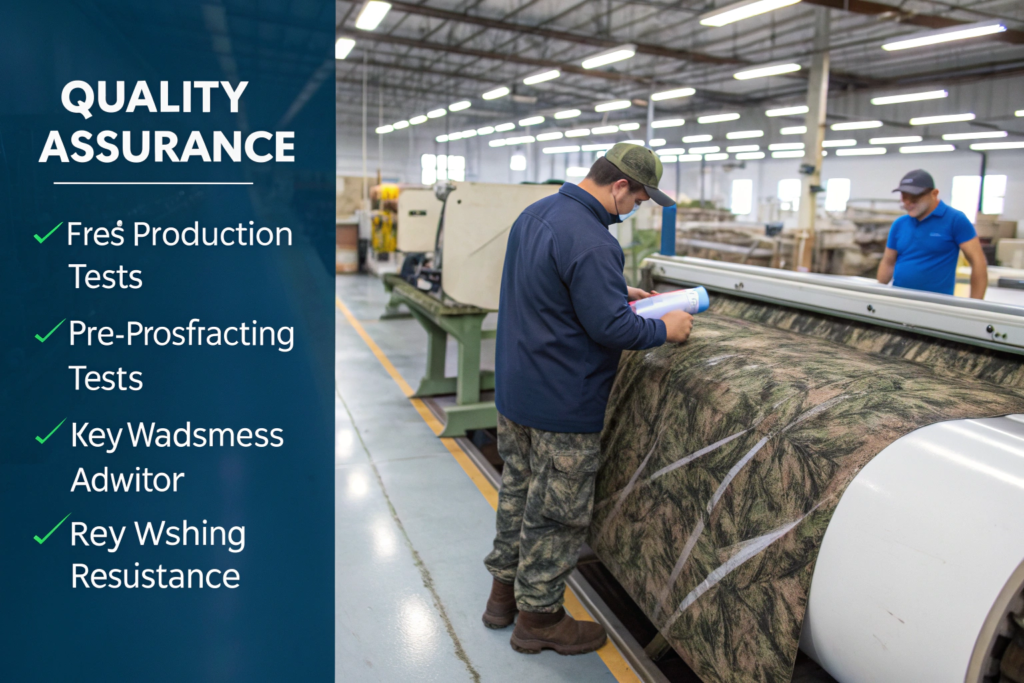
With an integrated partner, the quality assurance chain is unbroken. Our quality control process begins at the fabric mill. We conduct pre-production tests like color fastness to washing and abrasion resistance on the specific Realtree fabric roll before it’s approved for cutting. Because we are responsible for the final product, we have a direct incentive to reject substandard fabric upfront. This prevents the massive waste of cutting and sewing defective material, only to discover flaws in finished garments. Reducing this material waste directly lowers your cost per usable unit.
What specific quality checks prevent cost overruns?
Our technical team focuses on camouflage-specific criteria that impact cost if failed:
- Pattern Alignment and Repeat: We verify the Realtree pattern repeat on the fabric roll to ensure efficient marker making (the layout of pattern pieces). An irregular repeat can increase fabric consumption by 5-10%, a direct material cost overrun.
- Print Durability: We perform crocking tests (for color rub-off) and wash tests early. Catching a poor print before production prevents customer returns and costly recalls, protecting your brand’s reputation—which is an invaluable financial asset.
By controlling this process, Shanghai Fumao ensures that the high-cost, licensed Realtree fabric is utilized at maximum efficiency and that the final product meets the performance standards your customers expect.
How does in-house expertise solve aesthetic and technical mismatches?
You mentioned a potential client pain point: an understanding of sales but a lack of aesthetics. Realtree patterns have specific applications (e.g., Realtree MAX-5 for wet environments, Realtree Xtra for green-heavy backgrounds). Choosing the wrong fabric weight or construction for your garment design can lead to poor performance and unsold inventory. Our product development team provides this critical technical guidance at the sourcing stage. We help you select the optimal Realtree fabric—whether it’s a lightweight polyester for shirts or a durable cotton-blend for pants—that aligns with your design intent and price point. This prevents the costly mistake of producing a beautifully designed jacket that is too heavy or not durable enough for its intended use, ensuring your investment yields saleable, desirable products.
Conclusion
Sourcing Realtree fabric and manufacturing together is not merely a convenience; it is a powerful financial strategy. The cost benefits are clear and multifaceted: eliminating intermediary markups, streamlining logistics to reduce freight and inventory costs, and enforcing rigorous, front-loaded quality control to prevent expensive waste and delays. This integrated model transforms a complex, risk-prone process into a streamlined, accountable, and cost-effective operation.
The ultimate benefit is predictability. You gain a clear, consolidated cost for a finished, quality-guaranteed product, allowing for accurate pricing and healthy margins. In a competitive market where brand trust is built on quality and reliability, this approach safeguards both your finances and your reputation.
If you are looking to leverage these cost benefits for your next Realtree camouflage line, partnering with an experienced, integrated manufacturer is the most strategic decision you can make. At Shanghai Fumao, we specialize in turning the complexities of licensed fabric and apparel production into a smooth, efficient, and profitable process for our partners. To discuss how we can optimize the costs and execution of your specific project, please contact our Business Director, Elaine. She can provide detailed insights and a competitive quote. Reach her at: elaine@fumaoclothing.com.