Your clothing line's production is complete, the goods have passed inspection, and the factory is waiting for your final balance payment to release the shipment. But cash flow is tight this month, so you decide to delay the payment by a week or two, thinking it's a minor inconvenience. From the factory's perspective in China or Vietnam, this is not a trivial delay. It is a breach of contract that triggers a chain reaction of serious operational and financial consequences, damaging a partnership you've spent months building.
The consequences of late payment in garment orders are severe and multifaceted, extending far beyond a polite reminder email. They include shipment holds leading to missed selling seasons, loss of production priority for future orders, damaged supplier relationships, imposition of financial penalties, and in extreme cases, legal action or the sale of your goods to recoup costs. The short-term cash flow relief is never worth the long-term strategic cost.
Understanding these consequences from the factory's viewpoint is crucial for maintaining a healthy, reliable supply chain. Let's detail what really happens when a payment is late and why timelines in this industry are so rigid.
How Does a Late Payment Immediately Disrupt Logistics?
The moment the agreed-upon payment due date passes, the factory's logistics plan for your order grinds to a halt. The shipment is not just sitting in a warehouse; it is actively blocking space and planned workflows.
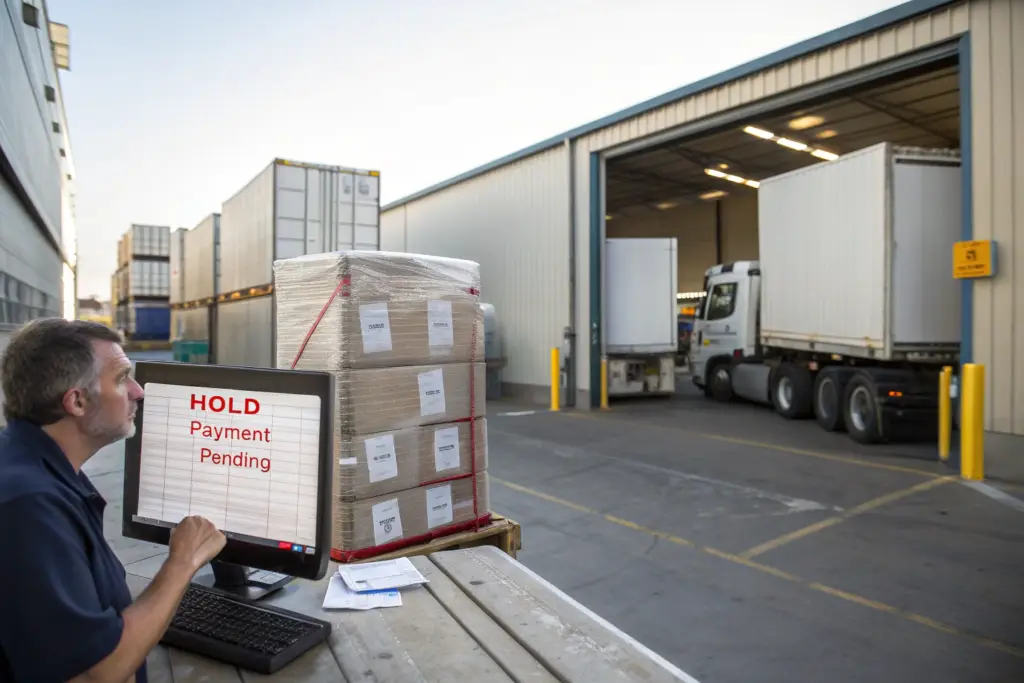
A late payment causes an immediate hold on all shipping activities. The factory will not release the goods to the freight forwarder, will not submit final shipping documents, and will cancel any pre-booked container or air freight space. This creates a domino effect of delays that almost guarantees you will miss your planned delivery window.
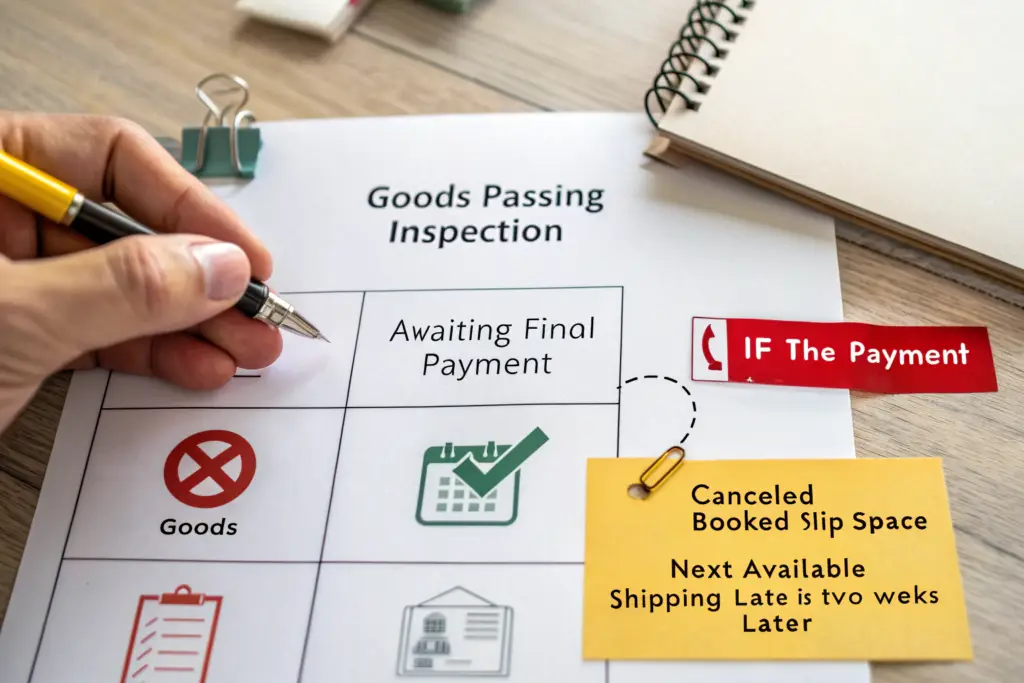
What Are the Direct Costs of a Shipping Delay?
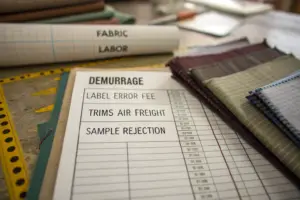
- Demurrage and Storage Fees: If goods are already at the port awaiting loading (which can happen under certain payment terms), daily charges accrue.
- Freight Rate Loss: Booked space at a negotiated rate is lost. Re-booking a week later could cost 20-50% more, especially during peak season.
- Missed Selling Season: This is the ultimate cost. For holiday or seasonal merchandise, a 2-week delay can mean missing the entire sales window, leading to deep discounting or dead stock.
A client last year paid their balance 5 days late. We had to release their booked container space. The next available sailing was 12 days later, and the air freight cost to meet their deadline was $8,000 more than sea freight. They chose air, and the late payment ultimately cost them over $10,000 in hard costs, not counting lost sales.
Why Can't the Factory Just Ship and Trust You to Pay?
International trade operates on strict documentary control. The Bill of Lading (B/L) is the title to the goods. Releasing the B/L or shipping the goods without payment is equivalent to giving away ownership with only a promise of payment later. No financially disciplined factory will take this risk, especially with a client who has just broken the payment term. At Shanghai Fumao, our system automatically flags orders for shipment only after the finance department clears the payment. It's a non-negotiable control.
How Does It Affect Your Relationship and Future Production Priority?
The business impact goes deeper than one delayed shipment. A factory categorizes clients based on reliability. Late payment moves you into a "high-risk" or "difficult" category, which fundamentally changes how they treat your business.
Late payment severely damages trust and reclassifies you as an unreliable partner. This results in the loss of future production priority, stricter payment terms (like higher deposits), less flexibility during emergencies, and a reluctance to invest extra effort or resources in your orders.
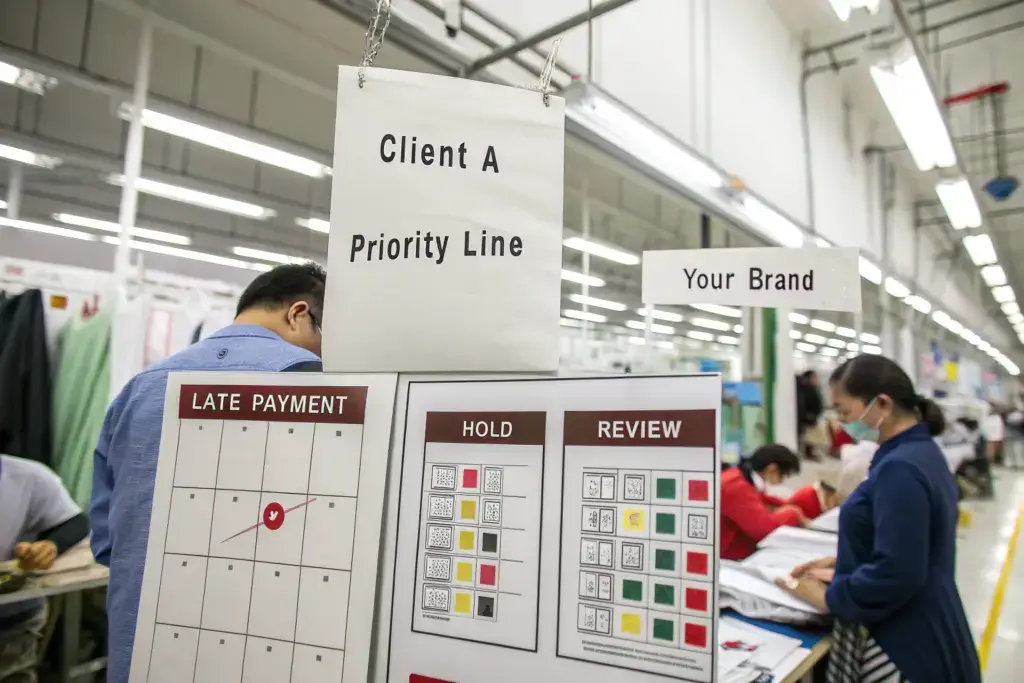
What Does "Loss of Priority" Mean in Practical Terms?
When the factory is at full capacity, they will allocate their best workers, fastest machines, and most flexible managers to the orders from their most reliable clients. If you need a rush order in the future, they will likely say "no" or quote an exorbitant rush fee. If a material shortage occurs, your order will be the first to be delayed in favor of a trusted client's order. You become expendable.
Can the Relationship Be Repaired?
Yes, but it takes work and consistent behavior. It requires an apology, a valid explanation (not just an excuse), immediate payment of any late fees, and likely, several subsequent orders with flawless, early payment to rebuild trust. We had a client who had a genuine bank error cause a delay. They communicated proactively, paid a small goodwill penalty we proposed, and have paid early ever since. They are now a top-tier partner. Silence or excuses, however, are relationship killers.
What Financial Penalties and Legal Actions Can Arise?
The contract you signed is not just a formality. It contains clauses that protect the factory in the event of late payment. These clauses are enforceable.
Standard contracts include liquidated damages clauses for late payment, typically charging 0.5% to 1% of the overdue amount per week of delay. In extreme cases of non-payment, factories can pursue legal arbitration, blacklist the brand with industry associations, or even sell the finished goods to a third party to mitigate losses, often at a steep discount.
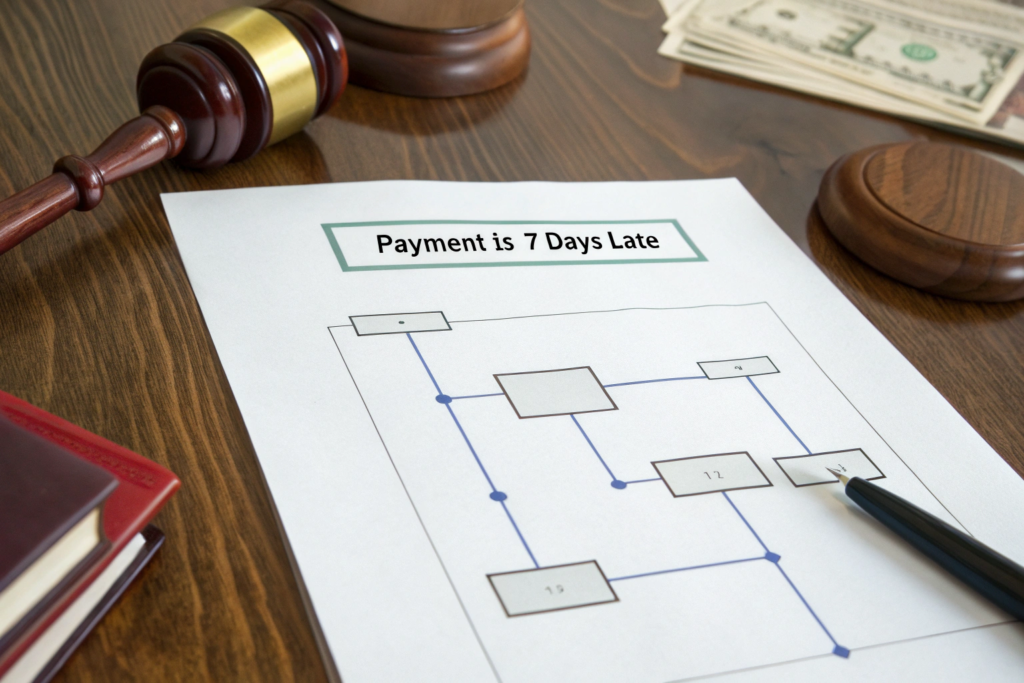
How Are Late Fees Calculated and Enforced?
A typical clause reads: "If the buyer fails to pay the balance by the due date, the buyer shall pay a late fee of 0.5% of the overdue amount for each week of delay, up to a maximum of 5%."
For a $50,000 balance paid two weeks late, that's a $500 penalty. The factory will add this to your invoice and may refuse to ship until it is paid. This is a standard and legally accepted practice to compensate for the cost of capital and administrative hassle.
What is the "Last Resort" of Selling the Goods?
If payments are withheld for an extended period (often 60-90 days), the factory has the right under many contracts and trade laws to dispose of the goods. They will typically try to sell them to other buyers, often in wholesale markets, at a heavy loss. They will then sue you for the difference between the original price and the sale price, plus all incurred costs. This destroys your brand's reputation in the industry and can lead to legal claims in international courts.
How Does Late Payment Impact the Factory's Operations?
Your late payment isn't just your problem; it creates a crisis for the factory. They have planned their cash flow based on your promised payment date to cover their own obligations.
Late payment disrupts the factory's cash flow, preventing them from paying their own workers and suppliers on time. It forces them to use emergency lines of credit at high interest, diverts management time to collections, and undermines their ability to plan future production, affecting all their clients.
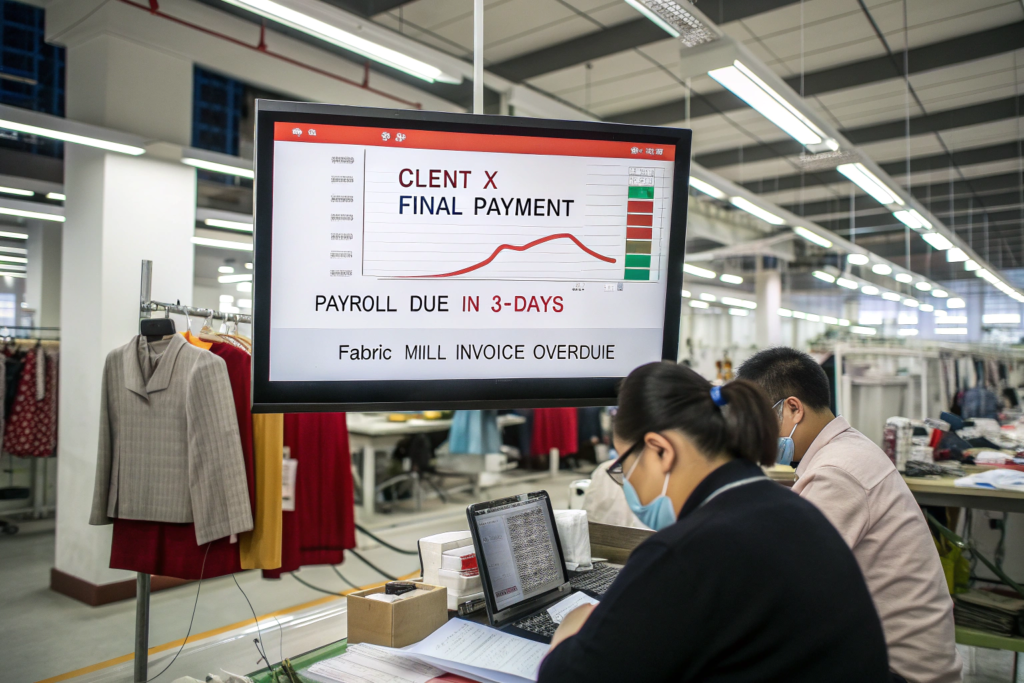
Why is Factory Cash Flow So Tight?
Garment factories operate on thin margins. They use your deposit to buy materials. They use your balance payment to pay the labor for your order (sewers, cutters, quality controllers) and their overhead (rent, utilities). Your late payment means they may have to delay salaries—a serious issue that affects worker morale and stability. It also damages their credit with fabric mills, making future material purchases more expensive and difficult for all their clients, including you.
How Does This Affect Other Brands?
When a factory's cash flow is damaged by one client's late payment, their entire operation becomes less stable. This can lead to longer lead times, less flexibility on minimum order quantities (MOQs), and a general decline in service quality for every brand they work with. You are not just hurting yourself; you are contributing to the instability of the very supply chain you rely on.
Conclusion
Late payment in garment orders is a critical failure with consequences that cascade from logistics and finance to relationship capital and legal liability. It is a decision that trades a minor, short-term cash flow benefit for major, long-term strategic losses. In an industry built on precise timing and mutual trust, it is one of the fastest ways to degrade a partnership and jeopardize your business.
The most successful brands treat their suppliers as financial partners, respecting payment terms as sacred commitments. This reliability is rewarded with priority, flexibility, and a collaborative spirit that is priceless. At Shanghai Fumao, we value and fiercely protect relationships with clients who honor their agreements, and we build our most successful, long-term partnerships on this foundation of mutual respect.
If you want to build a sourcing relationship defined by reliability and mutual success, where your orders move smoothly because your word is your bond, let's connect. Contact our Business Director, Elaine, to start a partnership built on trust at strong>elaine@fumaoclothing.com</strong.