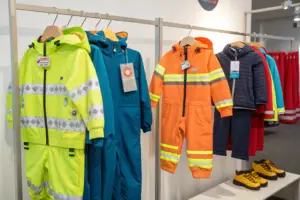
Are you confident your hunting apparel meets all EU legal requirements, or are you risking costly recalls, rejected shipments, and damaged brand reputation in a premium market? Navigating EU compliance is complex, extending far beyond basic camouflage licensing.
Compliance standards for hunting apparel exported to the EU form a multi-layered framework encompassing product safety regulations (REACH, CPSR), specific chemical restrictions, flammability requirements, labeling mandates (CE marking where applicable), and strict enforcement of intellectual property rights for licensed patterns like Realtree or Kryptek.
As a manufacturer experienced in exporting to global markets, including Europe, Shanghai Fumao helps brands systematically address each layer. Non-compliance is not an option in the EU's tightly regulated environment. Let's demystify the essential standards you must meet.
Which product safety and chemical regulations are mandatory?
The EU's cornerstone regulation for consumer products is the General Product Safety Regulation (GPSR), which mandates that all products placed on the market be safe. For apparel, this is primarily enforced through specific chemical restrictions and a required technical file.
Key regulations include REACH for chemicals, restrictions on AZO dyes and PFAS, and, for certain items, the need for a Child Safety Product report.
What does REACH compliance specifically require for textiles?
REACH (Registration, Evaluation, Authorisation and Restriction of Chemicals) is paramount. It restricts specific hazardous substances in articles. For hunting apparel, you must ensure your fabrics, dyes, prints, and waterproof coatings do not contain substances on the SVHC (Substances of Very High Concern) list above the 0.1% weight threshold. Key restricted substances include:
- Phthalates (used in some PVC prints or coatings).
- PFAS (Per- and polyfluoroalkyl substances), often used in durable water repellent (DWR) finishes, are now heavily restricted under REACH Annex XVII.
- Certain flame retardants.
Compliance is proven through test reports from accredited labs. We routinely send fabric and component samples to EU-notified bodies for testing, and maintain a Technical Construction File for each product, documenting compliance evidence.
When is a CPSR (Product Safety Report) required?
If your hunting apparel is intended for or likely to be used by children (e.g., youth-sized camo gear), it falls under the Toy Safety Directive. Even if not a toy, the GPSR strongly recommends a Child Safety Product (CPSR) assessment for any product used by children. This involves a hazard analysis and risk assessment conducted by an EU-based expert. For example, we facilitated a CPSR for a client's youth hunting glove line in 2023, identifying and mitigating risks like loose cords (a strangulation hazard) before market entry, preventing potential regulatory action.
What are the specific labeling and marking requirements?
EU labeling rules are strict and non-negotiable. Incorrect or missing labels are a common reason for customs delays and market surveillance actions. Labels must be durable, legible, and in the language(s) of the destination countries.
Requirements cover fiber composition, care instructions, manufacturer identification, and size marking.
How must the permanent care label be formatted?
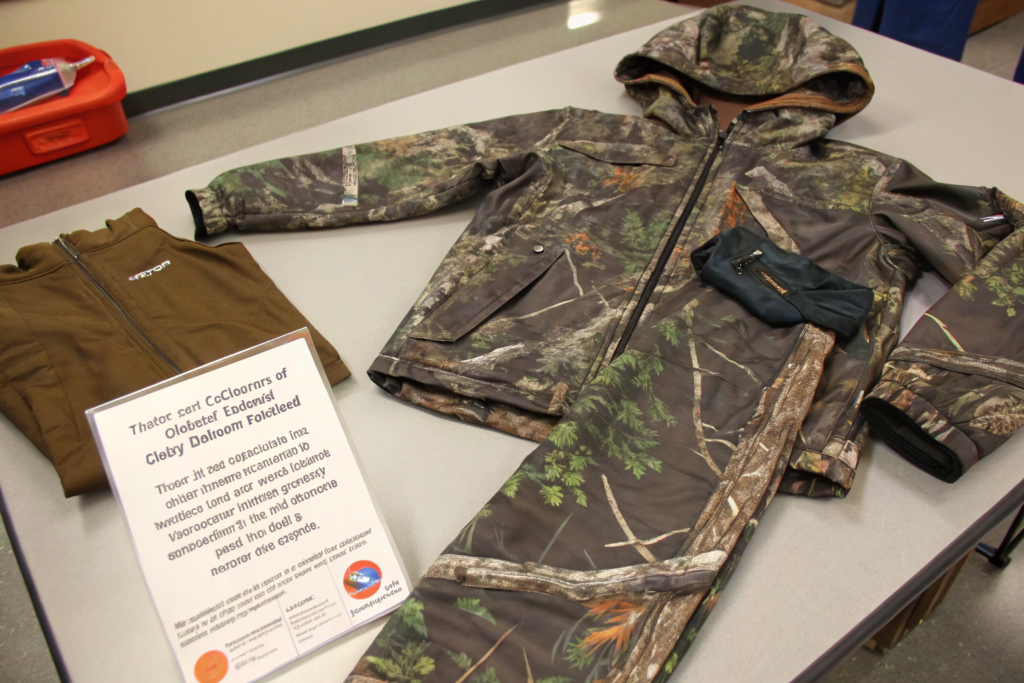
The permanent care label must be attached to the garment and contain, at minimum:
- Fiber composition: Listed in descending percentage by weight, using standardized EU textile fiber names.
- Care instructions: Using the standardized GINETEX care symbols (e.g., wash temperature, ironing, dry cleaning). Textual instructions may supplement but not replace the symbols.
- Identity of the manufacturer or importer: The company name and registered address within the EU. As a non-EU manufacturer, your importer's details must appear here. Labels must be in the local language (e.g., German for Germany, French for France). We work with our clients' EU-based importers to ensure label artwork is 100% correct before production begins at our Shanghai Fumao facility.
Is CE marking required for hunting apparel?
CE marking is generally not required for standard hunting apparel. It is mandatory only if the clothing is explicitly marketed as Personal Protective Equipment (PPE)—for example, high-visibility hunting vests (under Regulation (EU) 2016/425) or certified protective wear against chainsaws. Claiming PPE status without CE certification and an EU Declaration of Conformity is illegal. For most casual hunting jackets and pants, you must not apply the CE mark. Understanding this distinction is critical to avoid misrepresentation.
How do flammability and performance standards apply?
While there is no overarching EU-wide flammability standard for all adult apparel like the US 16 CFR Part 1610, specific standards apply to certain categories and claims.
Performance claims related to insulation, water resistance, or high visibility must be backed by corresponding EU harmonized standards.

What are the rules for fleece and brushed materials?
For "nightwear" and certain loose-fitting garments, stricter national flammability rules may apply. More broadly, materials like fleece used in hunting apparel linings should be tested for safety. A key standard is EN ISO 14116, which limits the spread of flame. While not always a legal mandate for all garments, major EU retailers often require such tests as part of their due diligence. We proactively test high-pile fleece materials to this standard to ensure they meet the stringent requirements of our European retail partners.
How to legally substantiate performance claims?
If you claim "water-resistant," "windproof," or "insulated," you must be prepared to substantiate it with test evidence. Relevant EU harmonized standards include:
- Water resistance: EN 343 (for protective clothing) or ISO 4920 (for spray test).
- Thermal insulation: EN 342 (for cold protective garments).
Using these standards, even voluntarily, builds credibility and protects against unfair commercial practice claims. For a flagship insulated parka line shipped to Germany last fall, we provided full EN 342 certification for thermal insulation, which became a key marketing asset for our client.
What are the intellectual property and licensing necessities?
Beyond safety, compliance includes respecting intellectual property. Using camouflage patterns without a valid license for the EU territory is a direct violation that leads to swift customs seizures.
Licensing must be territorially valid, and all associated trademarks (like the Realtree logo) must be used correctly.
How does EU IP enforcement differ from the US?
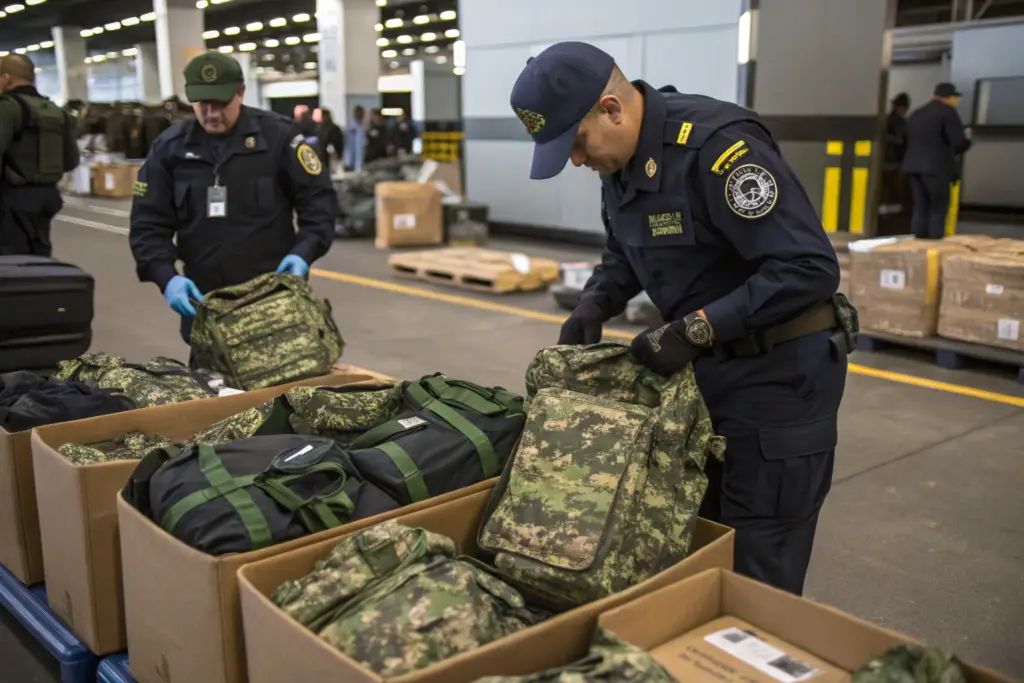
EU customs authorities (AGEA in Italy, HMRC in the UK, etc.) are highly proactive in enforcing Intellectual Property Rights (IPR). Rights holders can record their IP with customs, who will then detain suspicious shipments. We ensure that for any licensed pattern (e.g., Realtree, Mossy Oak, Kryptek), the license agreement explicitly covers export to the EU. Furthermore, we provide our clients with the necessary license certificates and authorization letters to present to customs, proving the goods are genuine and authorized. This documentation is as crucial as the chemical test reports.
What are the rules for branding and country of origin labeling?
The country of origin must be clearly indicated on the label (e.g., "Made in China"). This is a customs requirement. Additionally, all branding—your own brand logo and the licensed pattern logo—must not infringe on any existing EU trademark. A thorough trademark search in the EU is advisable before finalizing brand assets. At Shanghai Fumao, our compliance checklist includes verifying that all hangtags and labels are cleared for use in the target EU markets.
Conclusion
Exporting hunting apparel to the EU is a rigorous exercise in comprehensive compliance, blending chemical safety, accurate labeling, substantiated performance, and ironclad intellectual property rights. Success hinges on proactive testing, meticulous documentation, and an understanding that retailers' and customs' requirements are as important as the legal minima.
Navigating this alone is fraught with risk. Partnering with a manufacturer that has an integrated compliance protocol is essential. At Shanghai Fumao, we treat EU compliance as a core part of our production process, from material sourcing to final labeling, ensuring your goods move smoothly to market. To ensure your next hunting apparel line is fully compliant for the EU, contact our Business Director, Elaine, at: elaine@fumaoclothing.com.