Starting your first clothing production can be exciting but risky. Many new brands make avoidable errors that cost them time and money. I've seen these patterns repeat over years of working with startups. The good news is that most first-time mistakes are predictable and preventable.
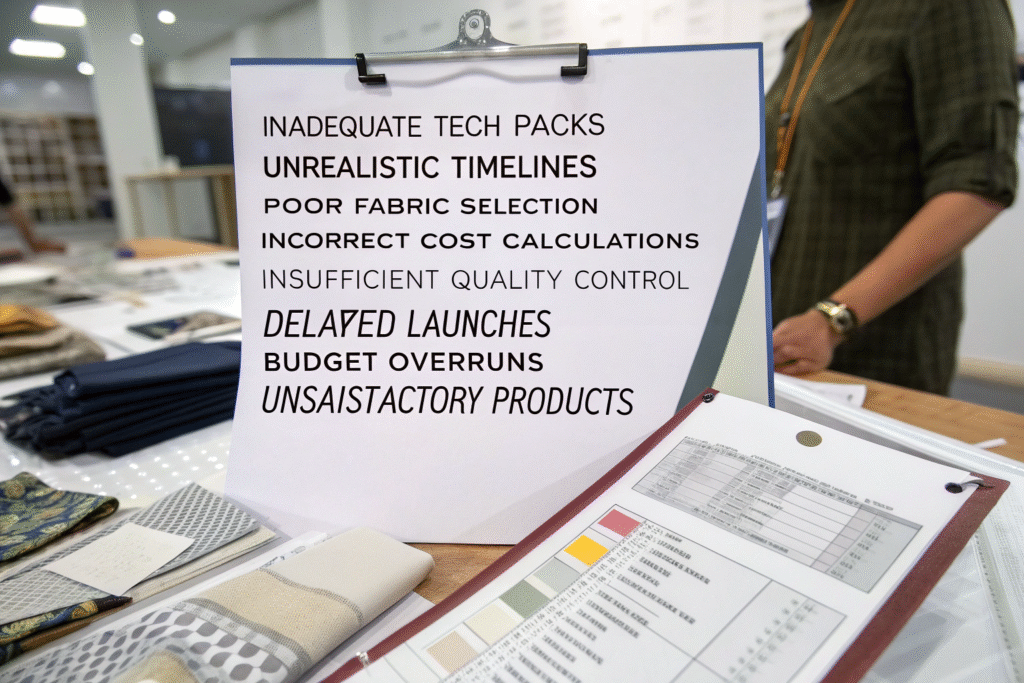
The most common mistakes in first-time clothing production include inadequate tech packs, unrealistic timelines, poor fabric selection, incorrect cost calculations, and insufficient quality control. These errors often stem from inexperience and can lead to delayed launches, budget overruns, and unsatisfactory products.
Understanding these pitfalls before starting can save your brand from costly errors. Let me share the specific mistakes we frequently see and how you can avoid them.
Why Do Inadequate Tech Packs Cause Major Problems?
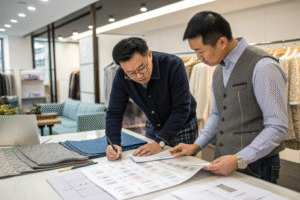
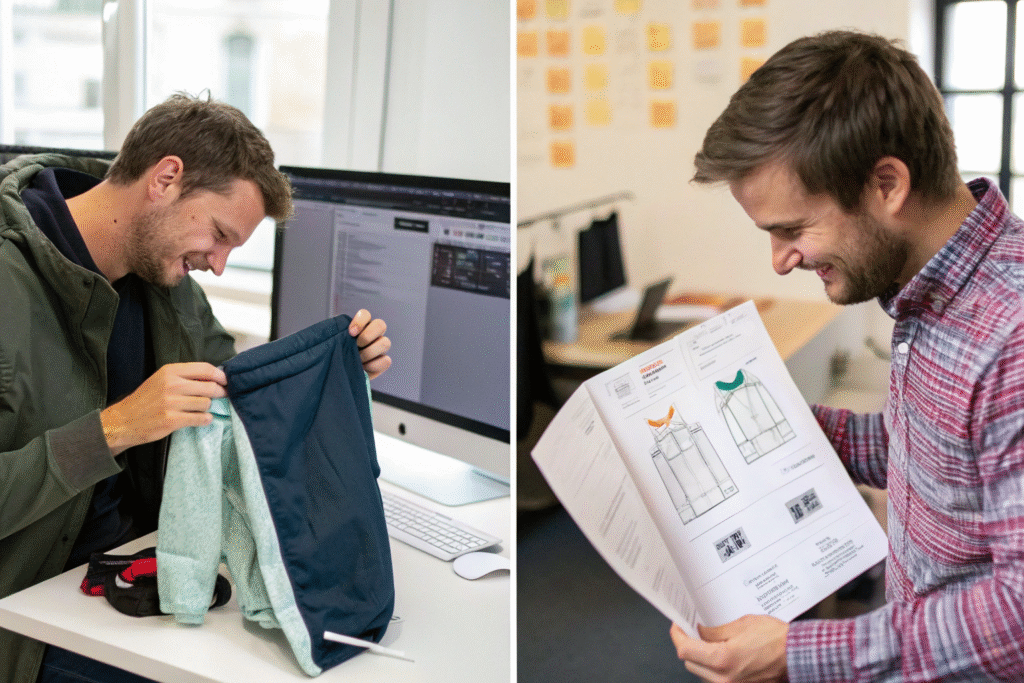
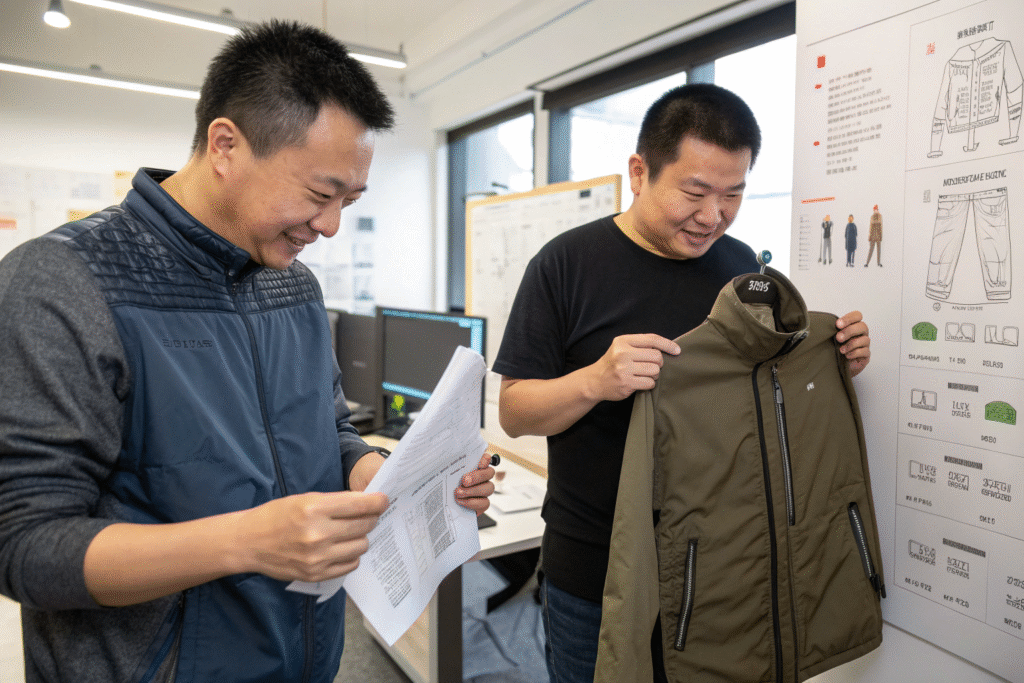
A tech pack is your production blueprint, and incomplete ones create confusion at every stage. Many first-timers think a simple sketch is enough, but factories need detailed specifications to work effectively.
An inadequate tech pack lacks precise measurements, construction details, fabric specifications, or trim information. This leads to multiple sample revisions, timeline delays, and cost overruns. We received a tech pack from a startup last month that only had front-view sketches. It took three sample rounds instead of one to get the garment right.
How do missing construction details affect quality?
Missing construction details force factories to make assumptions about how garments should be made. This often results in products that don't match your vision. Specific stitch types, seam finishes, and reinforcement points must be clearly specified. We had a client who didn't specify the seam type for their knit dresses. The factory used basic overlooking instead of the requested flatlock seams, compromising the product's quality and appearance. Clear garment construction details prevent such disappointments.
Why are incomplete measurement specs problematic?
Incomplete measurement specs make consistent sizing impossible. Without full measurement charts covering all sizes and key points, pattern makers must guess proportions. This leads to fit issues across your size range. A sportswear startup provided only chest and length measurements for their tops. The resulting samples had inconsistent sleeve widths and body shapes, requiring complete repatterning. Comprehensive size specifications ensure proportional grading and better fit.
How Does Poor Fabric Selection Impact Results?
Choosing the wrong fabric is one of the costliest first-time mistakes. Many brands select materials based on aesthetics alone without considering performance, production requirements, or end-use.
Poor fabric choices lead to quality issues, production difficulties, and customer returns. A trendy jumpsuit made from non-stretch fabric might look great but be unwearable. A delicate fabric might not withstand production processes. We've seen beautiful silks that couldn't survive the sewing process.
What happens when you don't test fabrics properly?
Skipping fabric testing leads to unexpected performance issues after production. Fabrics might shrink, bleed color, or pill excessively after washing. Last year, a client ordered 2,000 units using a beautiful red cotton without pre-testing. The color ran dramatically during the first wash, rendering the entire batch unsellable. Proper fabric testing for shrinkage, colorfastness, and durability prevents such catastrophic losses.
How does fabric choice affect production feasibility?
Some fabrics are difficult to work with in production environments. Slippery materials, heavy denims, or delicate laces require special equipment and skilled operators. A new brand chose a ultra-thin silk for their first collection without realizing it needed specialized needles and feed systems. The result was production delays and higher defect rates. Considering production feasibility during fabric selection ensures smoother manufacturing.
Why Do Timeline Misunderstandings Occur?
First-time producers often underestimate how long clothing production actually takes. They expect turnarounds similar to sample-making or don't account for all production stages.
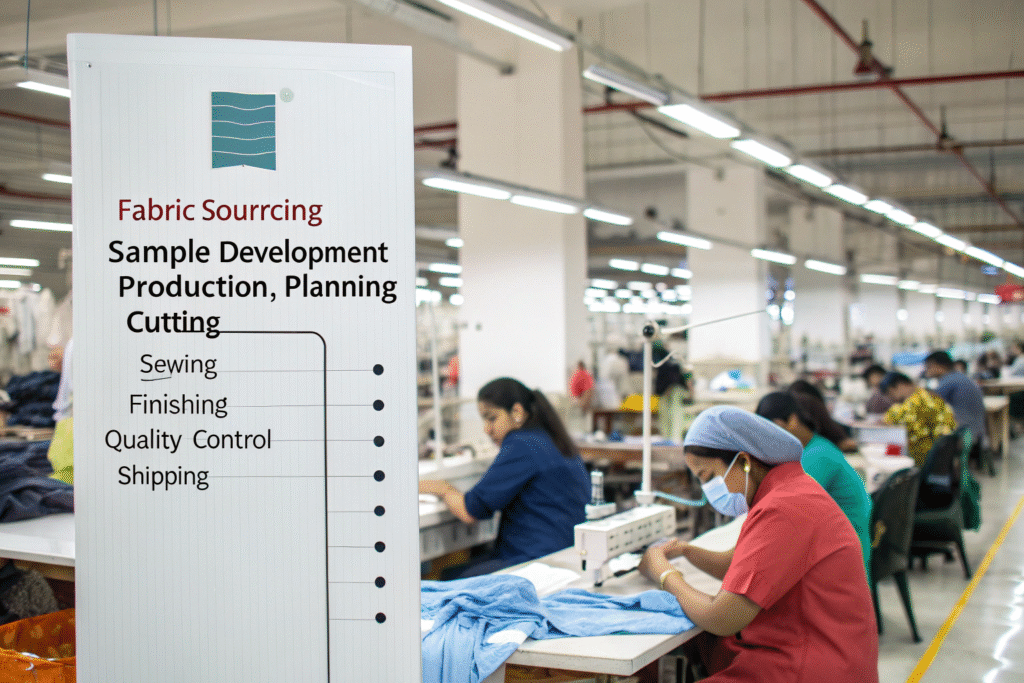
Realistic timelines account for fabric sourcing, sample development, production planning, cutting, sewing, finishing, quality control, and shipping. Each stage takes time, and rushing any step compromises results. Most first collections need 3-4 months from confirmed tech pack to finished goods.
| Production Stage | Typical Duration | Common Underestimation |
|---|---|---|
| Fabric Sourcing | 2-4 weeks | 1-2 weeks |
| Sample Development | 3-4 weeks | 1-2 weeks |
| Production | 4-6 weeks | 2-3 weeks |
| Quality Control | 1-2 weeks | 3-4 days |
How to create realistic production schedules?
Realistic scheduling involves consulting your manufacturer early and building in buffers for unexpected delays. We help clients create detailed timelines that account for each production phase. A handbag brand initially wanted delivery in 8 weeks but learned they needed 14 weeks for proper material curing and quality checks. Understanding production planning fundamentals prevents rushed jobs and quality compromises.
What are the consequences of rushing production?
Rushing production leads to quality issues, worker fatigue, and higher defect rates. Factories might take shortcuts in cutting, sewing, or inspection to meet unrealistic deadlines. We've seen brands insist on aggressive timelines only to receive products with uneven stitching, skipped quality checks, and packaging errors. These issues ultimately cost more time and money through returns and remakes.
How Can Costing Errors Be Avoided?
First-time producers often focus only on the manufacturing cost per piece while missing hidden expenses that impact total budget.
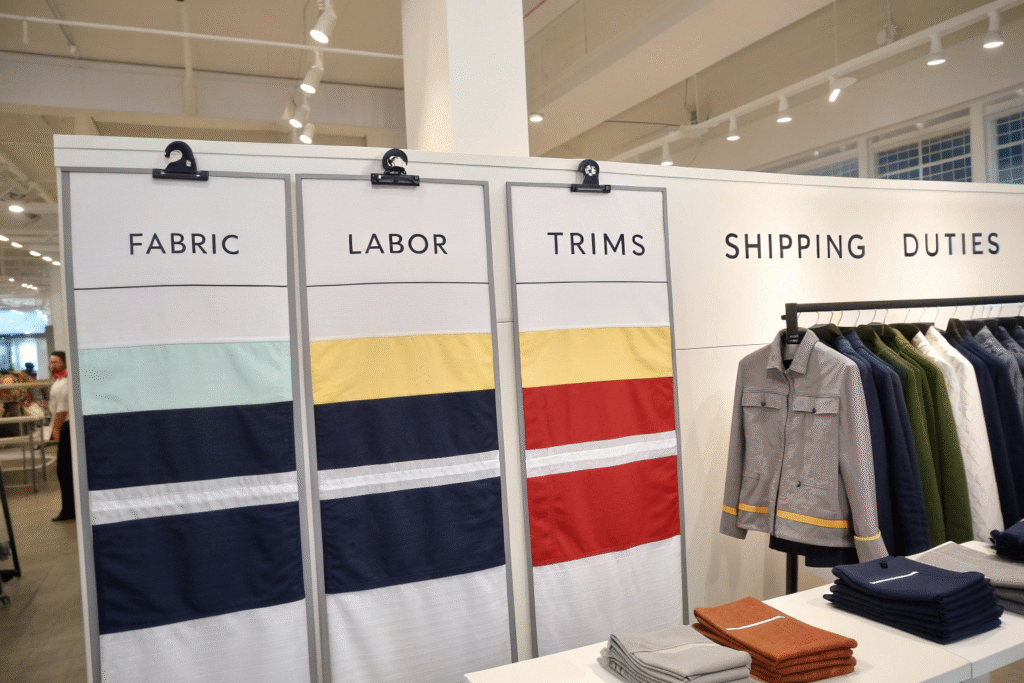
Complete costing includes raw materials, trims, manufacturing, labels, packaging, shipping, duties, and quality control. Many beginners forget import taxes, payment processing fees, or unexpected cost increases. A client recently calculated their cost at $15 per piece but discovered actual cost was $22 after adding all components.
What hidden costs do first-timers often miss?
Commonly missed costs include customs duties, banking fees, quality inspection costs, sample shipping, and defective piece allowances. One startup budgeted for production but forgot the 15% import duty, significantly impacting their margin. Others don't account for the 3-5% standard defect rate that's normal in manufacturing. Understanding total cost analysis prevents budget shortfalls.
How to get accurate manufacturing quotes?
Accurate quotes require detailed specifications and transparent communication. Provide complete tech packs, target quantities, and quality expectations to manufacturers. Ask for breakdowns showing material, labor, and overhead costs separately. We always provide transparent pricing so clients understand what they're paying for. This approach builds trust and prevents surprises later.
Why Is Quality Control Often Overlooked?
First-time producers frequently underestimate the importance of systematic quality control, assuming factories will automatically deliver perfect products.
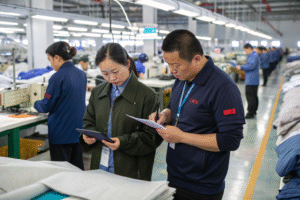
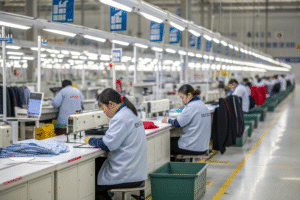
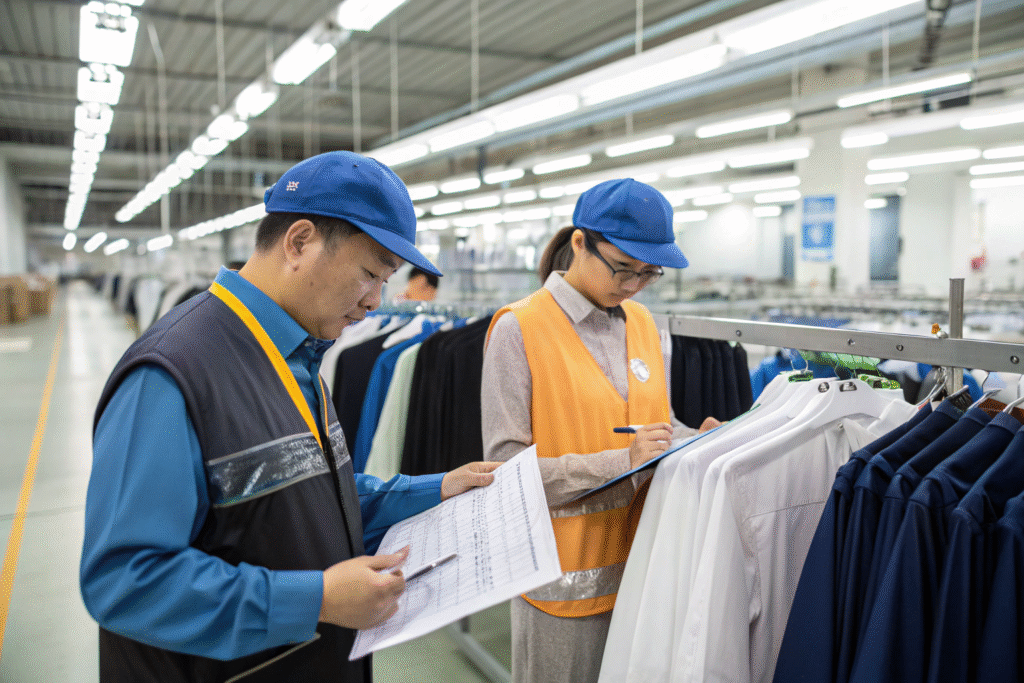
Proper quality control involves multiple checkpoints throughout production: fabric inspection, in-process checks during sewing, and final random inspection of finished goods. Without these steps, issues are discovered too late. We implemented a three-stage quality system for a denim brand that reduced their defect rate from 12% to 3%.
What are the essential QC checkpoints?
Essential checkpoints include pre-production (fabric and trim quality), during production (sewing and assembly quality), and pre-shipment (finished product inspection). Each stage catches different potential issues. A swimwear brand learned this when we caught flawed elastic during material inspection rather than after production, saving them from remaking hundreds of pieces. Establishing quality benchmarks early ensures consistent results.
How to implement effective quality standards?
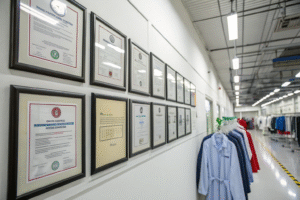
Effective quality standards include clear acceptance criteria for measurements, stitching, fabric, and finishing. Use AQL (Acceptable Quality Level) sampling for final inspection. Provide reference samples and defect classification guides. We help clients establish practical quality standards that balance perfection with production reality. This systematic approach catches issues before they reach customers.
Conclusion
First-time clothing production comes with learning curves, but avoiding these common mistakes sets your brand up for success. The key is thorough preparation, realistic planning, and choosing manufacturing partners who guide you through the process.
Remember that experienced manufacturers want your success too—we benefit when your products are well-made and your business grows. The goal is building a foundation for long-term production success rather than just getting through the first order.
If you're planning your first production run and want to avoid these common pitfalls, let's talk. At Fumao Clothing, we specialize in guiding new brands through their initial manufacturing experience. Contact our Business Director, Elaine, at elaine@fumaoclothing.com for personalized advice on starting your clothing production journey.