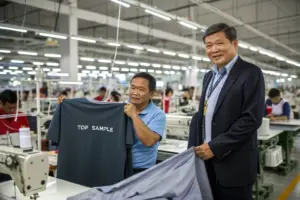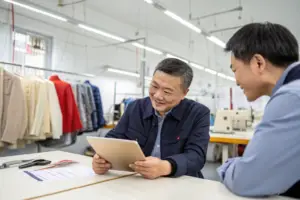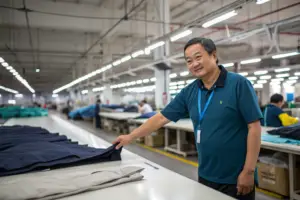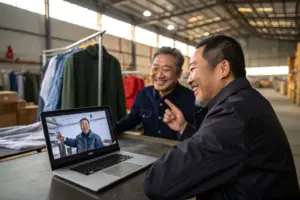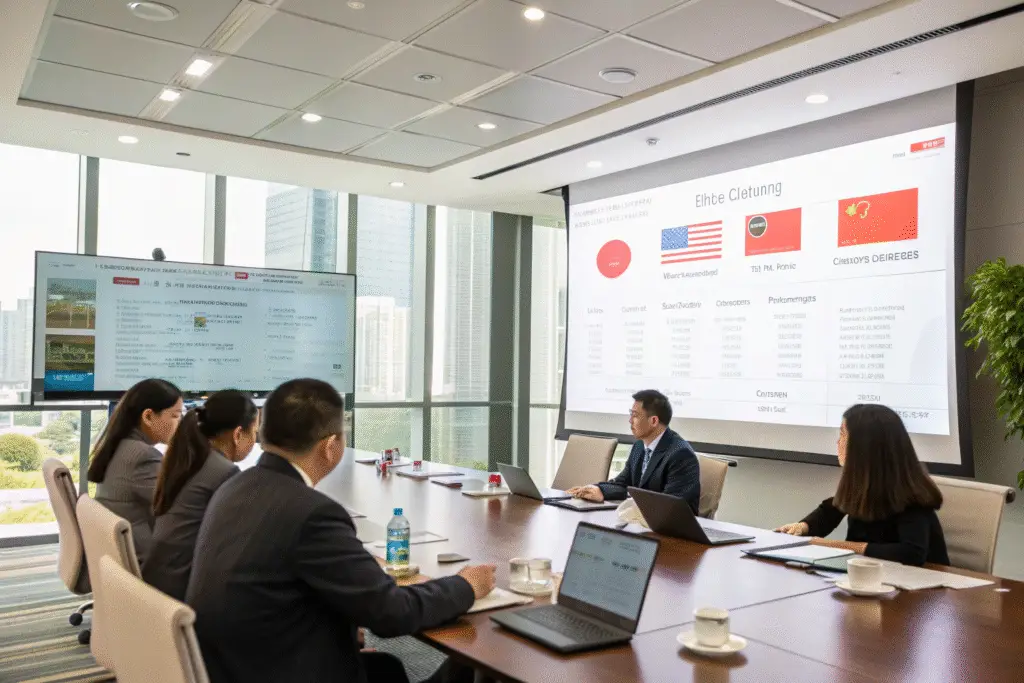
A kick-off meeting sets the tone for your entire apparel development project. Get it right, and you pave the way for a smooth, profitable season. Get it wrong, and you risk delays, cost overruns, and products that miss the mark. Many brands, especially those sourcing from overseas, repeat the same critical errors in these initial meetings. This article will uncover these common pitfalls and provide a clear roadmap to avoid them, ensuring your next project starts strong.
A successful kick-off meeting is the cornerstone of on-time, on-budget, and high-quality apparel production. It aligns everyone on vision, specs, and timelines from day one, preventing costly misunderstandings down the line. Avoiding common mistakes in this phase is not just about good communication; it's about protecting your profit margin and brand reputation. For U.S. brands partnering with manufacturers like us in China, a disciplined kick-off process is your first line of defense against the headaches of international sourcing.
Let's dive into the specific missteps that can derail your project before it even begins.
How Poor Communication Derails Apparel Kick-off Meetings?
Ineffective communication is the most frequent and costly error in kick-off meetings. When key information is vague or assumptions are made, the entire project is built on a shaky foundation. This is especially true for American brands working with overseas partners, where language and cultural nuances can add layers of complexity.
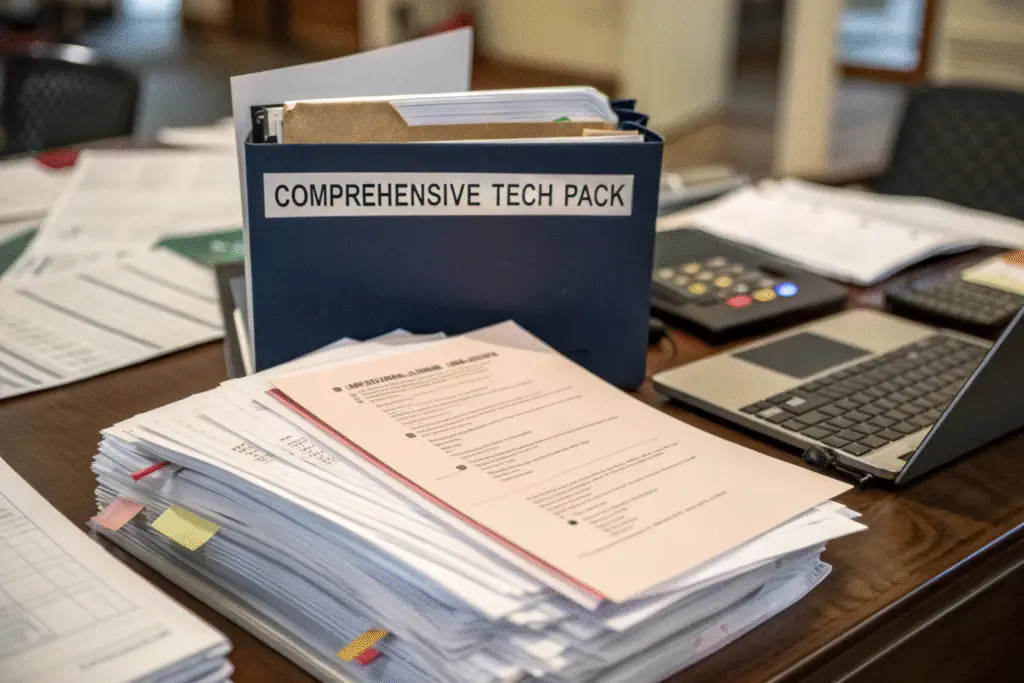
A primary communication failure is the lack of a single, authoritative document. Without a detailed tech pack and a clear bill of materials (BOM), your manufacturer is left guessing. Vague descriptions like "make it feel high-quality" are subjective and open to interpretation. This ambiguity directly leads to incorrect samples, wasted time, and frustrated calls. We insist on comprehensive documentation because it translates your vision into a universal language of production.
Why is a detailed tech pack non-negotiable?
A tech pack is the blueprint of your garment. It is the single source of truth for your entire production run. When a tech pack is missing or incomplete, it creates immediate risk. We have seen projects stall because critical measurements or fabric composition were not finalized. A strong tech pack includes precise flat sketches, graded specs, material details, trims, and stitching instructions. Using industry-standard garment manufacturing software can streamline this process. This clarity allows us to provide accurate apparel costing from the start, avoiding surprise costs later. A complete tech pack aligns expectations and empowers our factory to execute your design exactly as you envision it.
How can you standardize your material specifications?
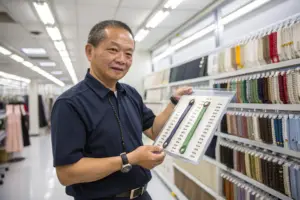
Ambiguity in material specifications is a primary cause of sample rejection. Simply naming a fabric is not enough. You must provide its full composition, weight, GSM, and a physical reference swatch. We recommend creating a standardized template for your Bill of Materials (BOM). This template should list every component: main fabric, lining, threads, zippers, buttons, and labels. For each item, specify the type, supplier, and quality standard. This practice eliminates guesswork. It ensures that the sample we produce matches the production bulk in every way. Providing a physical approved swatch is the gold standard for color and hand-feel matching.
What Critical Timelines Are Overlooked in Kick-off?
Time is the most precious commodity in fashion, and a delayed launch can mean missing your entire selling season. Many kick-off meetings focus only on the final delivery date, ignoring the crucial milestones that lead to it. This creates a high-risk project plan with no room for error.
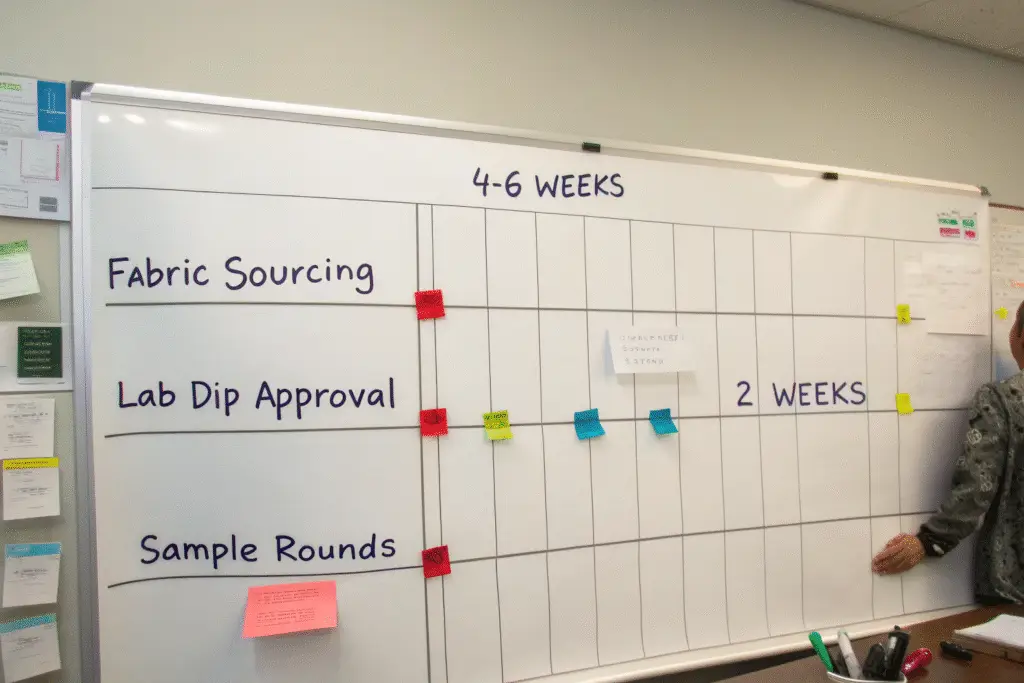
A holistic timeline accounts for every step, not just the finish line. Overlooking the time needed for fabric sourcing, lab dip approval, and multiple sample rounds is a classic mistake. For instance, a complex fabric might take 4-6 weeks to source and another 2 weeks for lab dips. If you only allocate 8 weeks for the entire process, you are already behind schedule before you start. We build detailed timelines with our clients, highlighting these internal lead times to set realistic expectations from day one.
Why must you factor in sampling cycles?
The sampling process is iterative and time-consuming. Assuming one perfect sample is unrealistic. Most projects require at least two or three sample rounds for fit, style, and production approval. Each round involves shipping time between China and the U.S., which can take 5-7 days each way. Failing to plan for these cycles is a major reason for missed deadlines. We break down the timeline clearly:
| Sample Stage | Typical Duration | Key Activities |
|---|---|---|
| Proto Sample | 10-12 days | Check initial design and basic fit. |
| Fit Sample | 10-12 days | Review fit on a standard model, make adjustments. |
| Pre-Production Sample | 12-15 days | Final approval before mass production begins. |
Building this buffer into your apparel production timeline is essential for managing your launch schedule effectively.
How does logistics planning prevent delays?
The clock doesn't stop when the garments are finished. The choice of shipping method is a critical timeline decision made at kick-off. Ocean freight is cost-effective but slow, while air freight is fast but expensive. Furthermore, you must account for customs clearance, which can sometimes cause unexpected holds. We discuss DDP shipping terms (Delivered Duty Paid) with our clients upfront. Under DDP, we handle all logistics, risks, and costs until the goods are delivered to your U.S. warehouse. This eliminates surprises and ensures a seamless, predictable transition from our factory to your door, protecting your in-store or online launch dates.
How to Set Unrealistic Budgets and Quality Expectations?
Chasing the lowest possible price in a kick-off meeting often leads to compromises that hurt the final product and brand reputation. Price, quality, and speed are interconnected; you cannot maximize all three simultaneously. Setting a budget without understanding the cost drivers of quality is a common and costly error.
The budget conversation must be grounded in the specifics of the product. A $5 FOB price might be achievable for a basic t-shirt, but not for a technical jacket with specialized fabrics and construction. Unrealistic budgets force manufacturers to cut corners—using inferior fabric, simplifying construction, or reducing quality checks. We believe in transparent costing. We break down the price for you: fabric, trims, labor, and overhead. This shows you exactly what you are paying for and allows for informed decisions, not just a race to the bottom.

Why does focusing only on FOB price mislead you?
The FOB (Free On Board) price is only part of the total cost. A slightly higher FOB price from a reliable factory often includes robust quality control processes that prevent financial losses later. A cheaper shirt may have inconsistent dye lots or weak seams, leading to a high rate of customer returns and damaged brand equity. The real cost is not just the price per piece; it's the total cost of ownership. Investing in proven quality from the start is more profitable than dealing with the fallout from defective products.
How can you verify quality beyond a sample?
A perfect sample is not a guarantee of perfect bulk production. Some suppliers might create a "golden sample" using higher-quality materials than what will be used in mass production. To prevent this, you must agree on objective quality standards during the kick-off meeting. This includes defining AQL inspection standards for the bulk order. The AQL (Acceptable Quality Level) is an international sampling procedure used to measure quality. We agree on the AQL level (e.g., 2.5 for major defects) and include it in our contract. This provides a clear, measurable benchmark for quality that protects you throughout the production run.
Why Ignoring Supplier Capabilities and Compliance Is a Mistake?
Assuming all apparel manufacturers can produce all types of garments is a dangerous oversight. Factories have specialized machinery, expertise, and capacity. Pushing a factory outside its core competencies inevitably leads to quality and delivery issues. Furthermore, in today's market, compliance and certifications are not optional; they are a necessity for reputable brands.
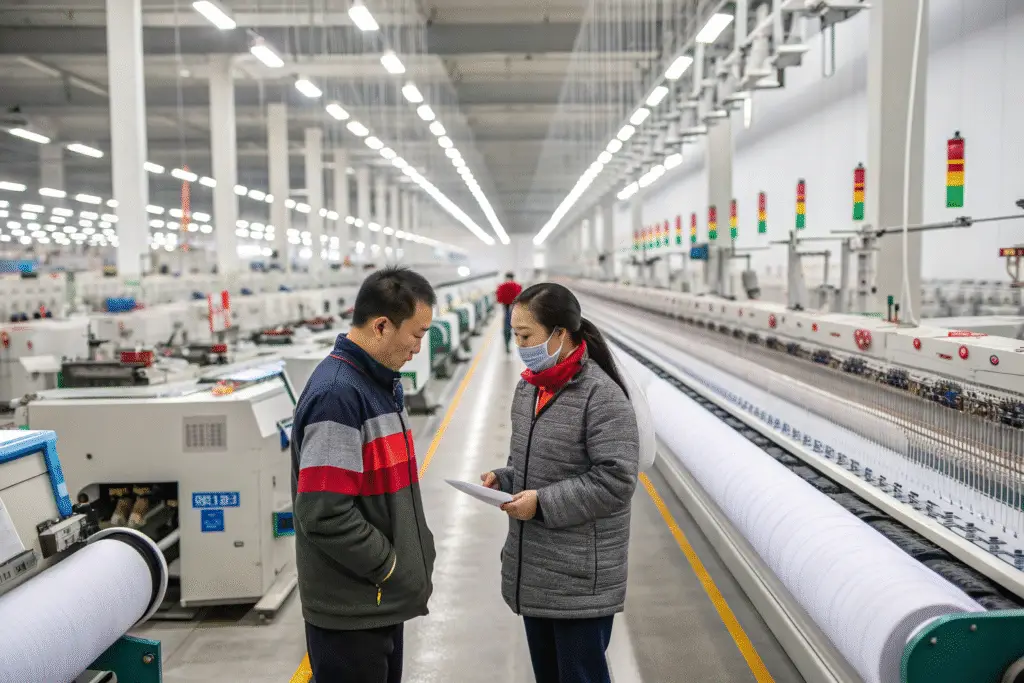
We specialize in knitwear, wovens, and activewear. If a client came to us for highly technical waterproof outerwear, we would be transparent about it not being our specialty and might even refer them to a trusted partner. Misaligning your product with a factory's expertise is a fundamental kick-off error. It's crucial to discuss the factory's strengths, current workload, and apparel manufacturing capabilities openly. This ensures they have the right equipment and skilled workers for your specific product.
How do you assess a factory's true capacity?
A factory's capacity is not just about the number of production lines. It's about their access to fabric and trim mills, their quality control team's size, and their in-house capabilities like printing or embroidery. During the kick-off, ask critical questions: Can you show me similar items you have produced? What is your current production load? Who are your key fabric suppliers? The answers reveal their true ability to handle your order. We encourage clients to ask these questions. Our confidence in answering them builds the trust needed for a long-term partnership.
What certifications should you require?
For U.S. brands, certain certifications are critical for market access and risk management. Overlooking this in the kick-off meeting can lead to legal troubles and rejected shipments. Key certifications to verify include:
- OEKO-TEX Standard 100: Certifies that textiles are free from harmful substances.
- Global Organic Textile Standard (GOTS): For organic fiber products.
- Social Compliance Audits (e.g., BSCI, SMETA): Ensure ethical manufacturing practices.
We provide these certificates upfront to give our partners peace of mind. Verifying a factory's certification in apparel is a simple step that safeguards your brand from reputational damage and ensures compliance with U.S. import regulations.
Conclusion
A successful apparel development kick-off meeting is a strategic exercise in clarity, realism, and partnership. By avoiding these common mistakes—poor communication, unrealistic timelines, cost-driven quality sacrifices, and ignoring supplier capabilities—you set your collection up for success. The goal is to transform the kick-off from a simple formality into a powerful project management tool that aligns your brand with your manufacturing partner.
The foundation of a strong supplier relationship is built in that first meeting. It's about choosing a partner who is transparent, asks the right questions, and has the systems in place to execute your vision flawlessly. If you are looking for a manufacturing partner who prioritizes clear communication, rigorous quality control, and reliable delivery, let's start your next project on the right foot. Contact our Business Director, Elaine, today at elaine@fumaoclothing.com to schedule a truly productive kick-off meeting for your next apparel line.