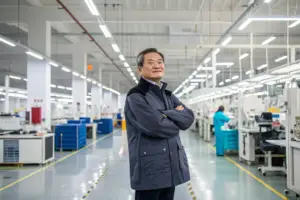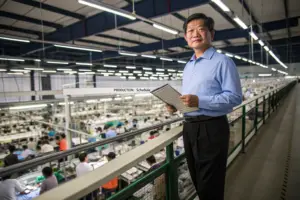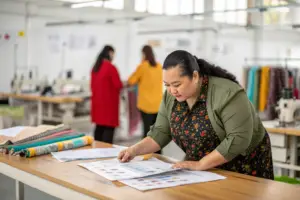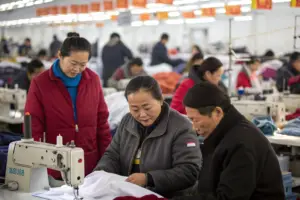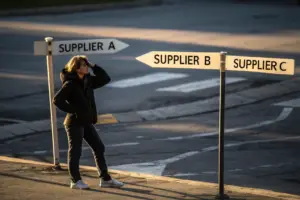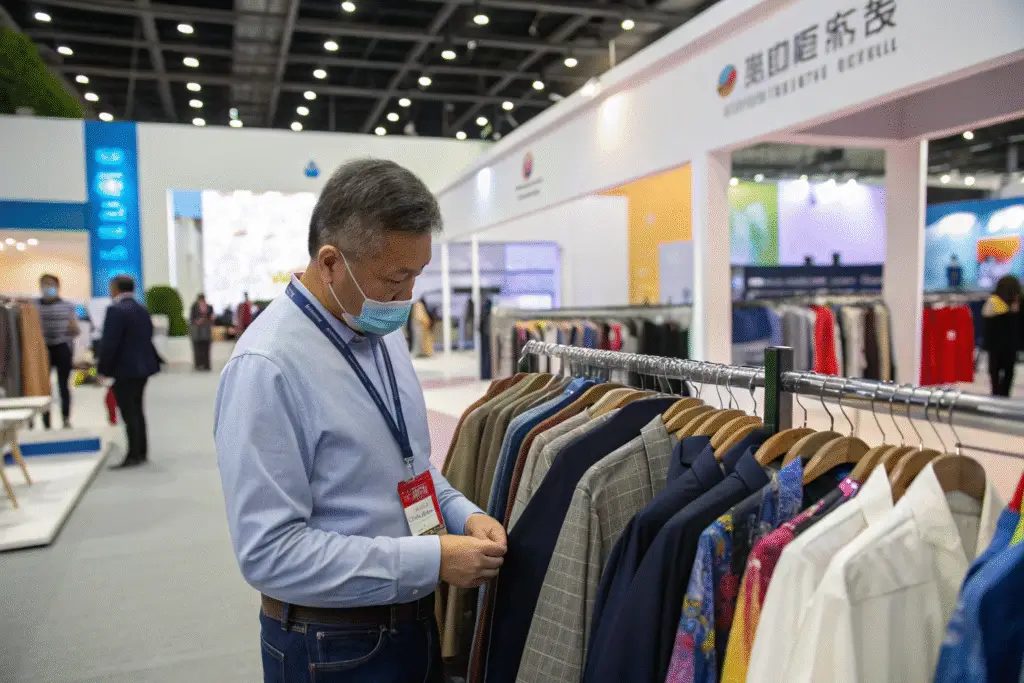
For global apparel buyers like Ron, trade shows in China are still among the most powerful tools for discovering new suppliers, verifying product quality in person, and building long-term sourcing relationships. But navigating these events in China—especially post-COVID and amid new travel dynamics—requires a strategic approach.
To get the most from trade shows in China, buyers should plan their trip around major show dates, pre-register for meetings, vet exhibitor lists, bring detailed sourcing checklists, and follow up promptly after the show.
As a Chinese garment manufacturer who’s exhibited at dozens of shows like Canton Fair and CHIC Shanghai, I’ve seen firsthand what smart buyers do differently. Here's how to approach your trip for maximum sourcing value.
Which Are the Most Important Apparel Trade Shows in China?
China hosts dozens of industry expos each year, but only a few are truly relevant for garment sourcing. Knowing which ones match your brand goals can save you weeks of wasted travel.
The most valuable trade shows for apparel sourcing focus on finished garments, textiles, OEM/ODM manufacturing, and export-ready suppliers.
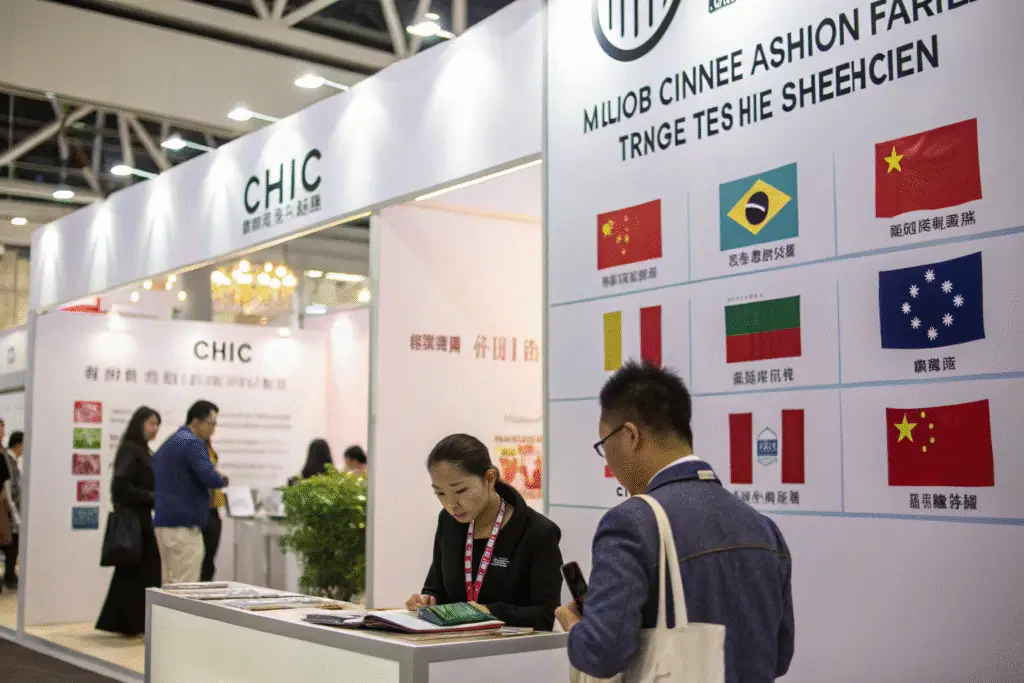
What Is CHIC and Why Do Fashion Buyers Attend?
CHIC (China International Clothing & Accessories Fair) is China’s largest professional apparel exhibition. Held in Shanghai (March) and Shenzhen (October), it covers:
- Men’s, women’s, and kids’ wear
- Athleisure, denim, suits, and outerwear
- OEM and OBM suppliers
- Live fashion trend showcases
It attracts over 100,000 trade visitors and is ideal for mid- to high-end sourcing. We’ve exhibited here with our formalwear and knit lines for the past 7 years.
How Does Canton Fair Differ for Apparel Sourcing?
The Canton Fair is China’s largest export-focused trade event held twice a year (April and October) in Guangzhou. Phase 2 covers textiles and garments, featuring:
- Ready-made garments
- Socks, hats, accessories
- Basic and mass-market apparel
It’s especially useful for high-volume buyers. Bonus: Canton Fair is government-supported, making visa invitation letters and hotel discounts easier.
How to Prepare for a Trade Show Visit in China?
A successful sourcing trip starts weeks before you step into the exhibition hall. The more prepared you are, the more suppliers you can qualify and sample orders you can place on the spot.
To get real value from China’s trade shows, prepare your documentation, sourcing goals, and daily booth agenda well in advance.
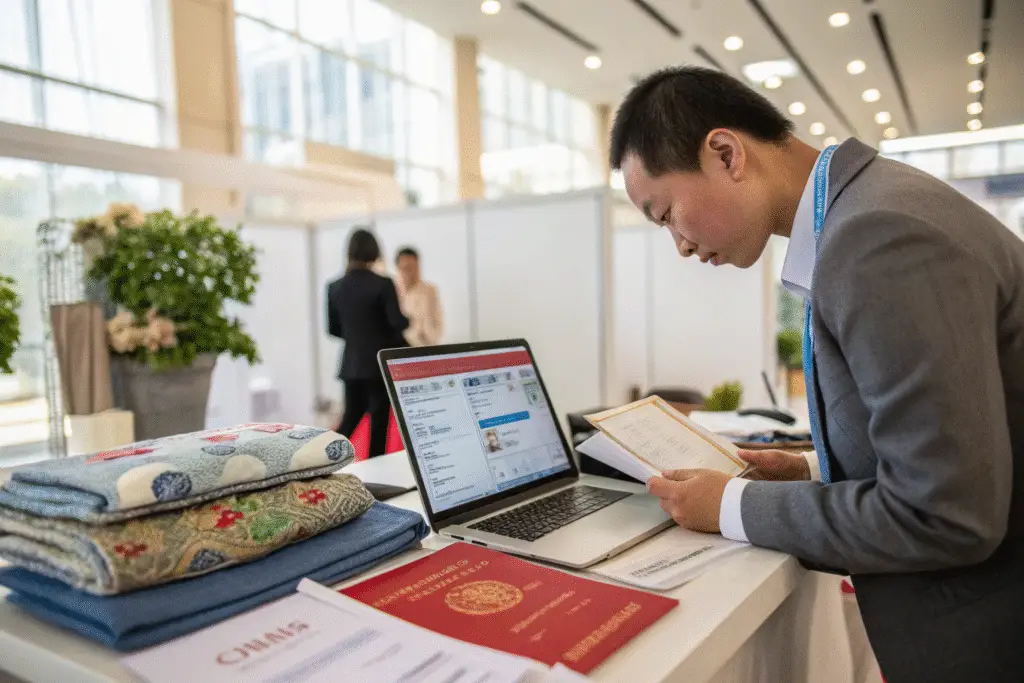
What Documents and Registrations Are Needed?
- Passport & China visa – Apply 3–4 weeks in advance. Shows like Canton Fair issue visa invitation letters.
- Show registration – Pre-register online to save time at entry. Most shows issue e-badges now.
- Hotel bookings – Choose accommodations near the venue or free shuttle points.
For first-time visitors, sites like ChinaExhibition.com list deadlines and travel tips for each event.
What Should You Bring to Meet Suppliers?
- Product tech packs or sketches
- Company profile sheet with logo
- Fabric swatches (if sourcing matching items)
- Samples of successful products
- Business cards (at least 300)
We recommend bringing a USB with past purchase order specs and label artwork if you plan to place a sample order on the spot.
What’s the Best Way to Interact with Suppliers at the Show?
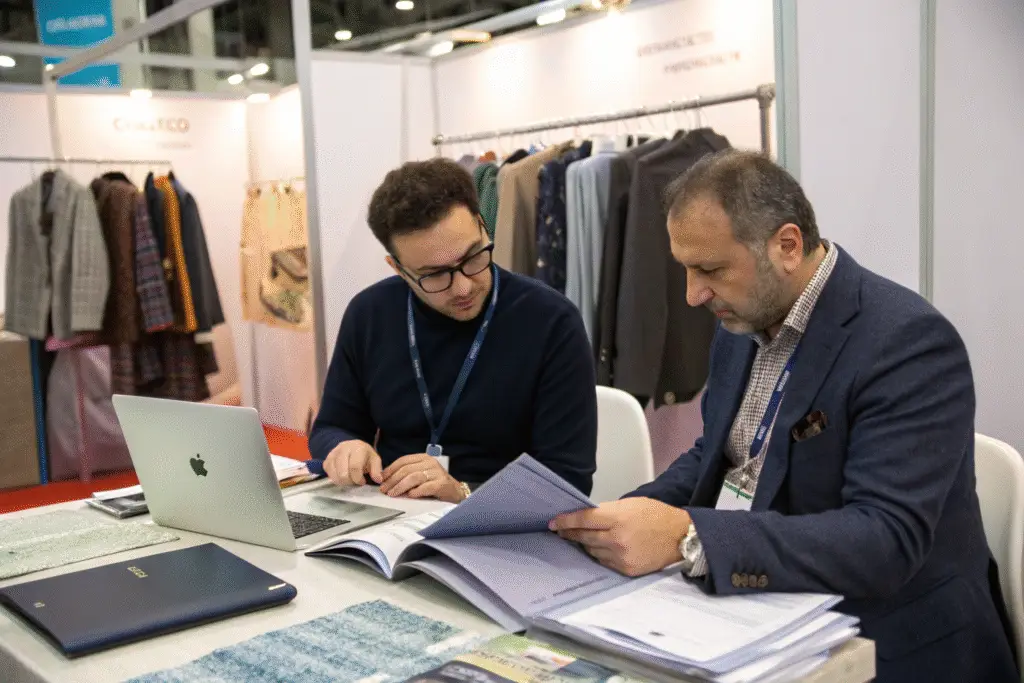
Trade shows are not just about browsing—they’re about real-time decision-making. If you know how to ask the right questions, you’ll walk away with strong leads and sample commitments.
Great buyers qualify factories at the booth using spec-based questions, quick capability audits, and order discussions.
What Questions Should You Ask on the Spot?
- Are you a direct factory or a trading company?
- What is your MOQ for this category?
- Can I visit your facility next week?
- Do you offer DDP or FOB pricing?
- How long is your sample lead time?
Refer to sourcing templates on Techpacker or Maker’s Row for suggested factory audit checklists.
How Can You Spot a Reliable Factory at a Booth?
Look for:
- Detailed hang tags with composition, MOQ, and price
- Staff who speak directly about production (not just marketing)
- Real-time videos of their workshop on iPads or QR codes
- Printed BSCI or WRAP audit reports
At Fumao, we offer live Zoom tours from our booth so buyers can verify our factory in real time while they’re still in China.
What to Do After the Show to Maximize ROI?
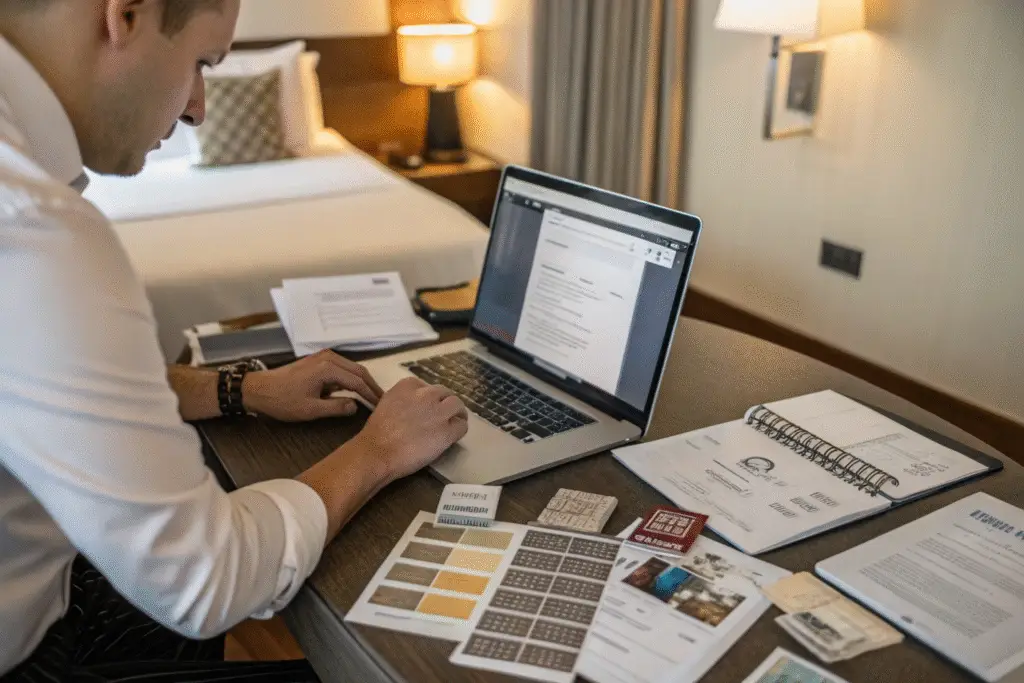
Many buyers make the mistake of ghosting their best supplier leads after the show. A strong post-show follow-up plan ensures samples are made correctly and partnerships progress.
Within 48 hours, send structured follow-up emails, confirm sample specs, and enter leads into your CRM or supplier matrix.
How to Organize and Follow Up on Leads?
- Use business card scanning apps like CamCard
- Create a post-show spreadsheet with: supplier name, category, MOQ, lead time, notes
- Send emails with subject: “CHIC 2025 Sample Request – [Your Brand Name]”
- Attach all reference documents again—booth conversations are fast-paced
At Fumao, we prioritize follow-ups from buyers who clearly restate what we discussed and include visuals.
Should You Plan Factory Visits After the Show?
Absolutely. Many Chinese trade shows coincide with factory visit weeks. We suggest:
- Visit 2–3 shortlisted suppliers within 2 days
- Verify actual output and QC flow
- Review fabric sourcing or warehouse capacity
- Sign NDAs and sample order contracts in person
Use platforms like FactoryFix or QIMA to organize inspections if you’re short on time.
Conclusion
Trade shows in China offer unmatched access to apparel factories and fabric mills—if you visit with purpose. From CHIC to Canton Fair, your goal is to qualify, connect, and convert those meetings into reliable sourcing partnerships.
At Fumao Clothing, we’ve met dozens of our best U.S. and European clients at these shows. The ones who succeed always come prepared, ask sharp questions, and follow up like pros.
If you’re serious about scaling your brand with China-based suppliers, there’s no substitute for boots on the trade show floor.