As a seasoned apparel manufacturer deeply embedded in the U.S. market, I'm often asked by our brand partners about the hottest-selling categories. Understanding these trends is crucial for making informed sourcing decisions that drive profitability. The U.S. kids wear market is dynamic, influenced by parental spending, children's preferences, and evolving lifestyle needs. Let's dive into the data and consumer behavior to uncover the segments with the highest demand and turnover.
The best-selling kids wear items in the US market consistently include graphic t-shirts, comfortable athleisure sets, durable denim bottoms, and character-themed sleepwear. These categories dominate due to their alignment with casual lifestyles, children's pop culture interests, and the practical needs of parents seeking value and durability. Knowing which items are in high demand allows brands to optimize their inventory and marketing strategies effectively.
This analysis is based on market research, our own export data to North America, and ongoing conversations with our successful American clients. By the end of this article, you will have a clear picture of the top-performing product categories and the key factors driving their sales, enabling you to make smarter sourcing choices for your brand.
What are the top-selling kids clothing categories in the US?
The children's apparel market in the U.S. is vast, but a few key categories consistently outperform others. These segments are not just about fashion; they are about functionality, comfort, and value for money. For business owners like Ron, focusing on these areas can maximize return on investment and minimize risk.
The top-selling categories are graphic tees, athleisure wear, denim, and character-themed sleepwear. These items form the backbone of a child's wardrobe due to their versatility and appeal to both kids and their parents. They are everyday essentials with high replacement rates, ensuring consistent sales throughout the year.
Why are graphic t-shirts a perennial best-seller?
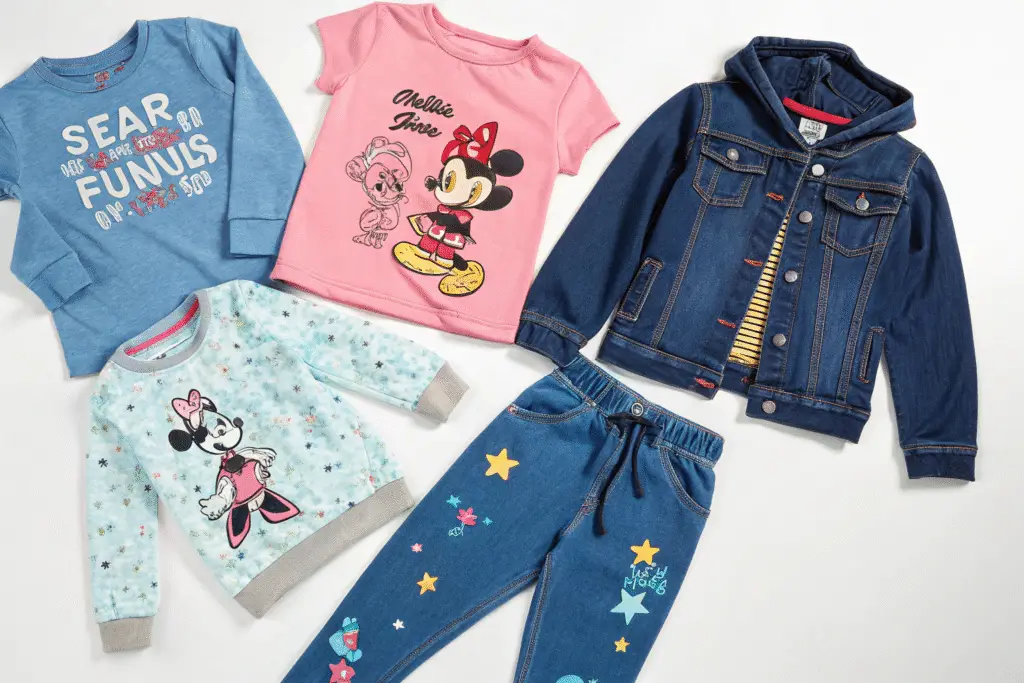
Graphic t-shirts are a fundamental staple. They are a blank canvas for expression, allowing children to showcase their favorite characters, hobbies, or slogans. For brands, this means endless opportunities for customization and branding. The cost-effectiveness of producing knitwear like tees also makes them highly profitable. From a manufacturing standpoint, we see that brands that regularly update their graphic designs and use high-quality, soft cotton blends see the strongest repeat business. The low production cost and high perceived value make them a win-win.
How does the athleisure trend influence kids' wear?
The athleisure trend has firmly taken root in kids' fashion. Comfort is king, and parents are dressing their children in clothes that can transition from school to playground to home seamlessly. This category includes items like jogger pants, hoodies, and sports-inspired tops. The fabric is key here—breathable, stretchable, and easy-care materials are non-negotiable. For suppliers, mastering the production of these technical fabrics is a significant advantage. The demand for athleisure is not a fad; it's a long-term shift in how children dress.
| Category | Key Features | Target Age Group |
|---|---|---|
| Graphic Tees | Custom prints, soft cotton, popular themes | All ages (2-14) |
| Athleisure Sets | Stretch fabrics, comfort, versatile style | All ages (2-14) |
| Denim Jeans | Durability, classic look, various washes | Kids (4-14) |
| Character Sleepwear | Licensed characters, soft materials, safety | Toddlers & Kids (2-10) |
How to ensure quality and safety in children's apparel?
For buyers like Ron who are sensitive to quality, this is a paramount concern. The U.S. market has strict regulations, and parents are increasingly vigilant about what their children wear. Quality and safety are not just about compliance; they are powerful marketing tools that build brand trust and loyalty.
Ensuring quality and safety involves a two-pronged approach: selecting the right materials and implementing rigorous testing protocols throughout the production process. This means partnering with a manufacturer who understands international standards and has a proven track record.
What fabric certifications should you look for?
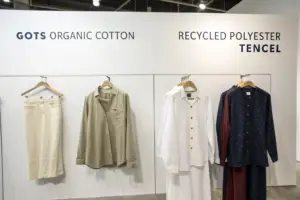
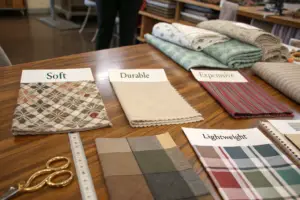
Certifications are tangible proof of a product's safety and quality. For children's wear, look for suppliers that provide OEKO-TEX Standard 100 certification, which verifies that textiles are free from harmful substances. For organic claims, the Global Organic Textile Standard (GOTS) is the most recognized. These certifications protect your brand from potential liabilities and reassure your customers. We insist on these for all our kids' wear production, as it simplifies the sourcing process for our clients and provides peace of mind.
How can you prevent production delays?
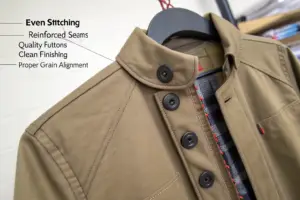
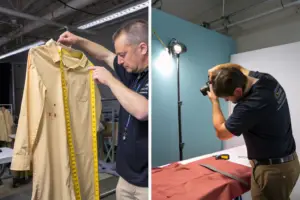
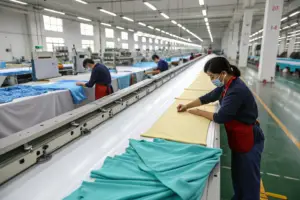
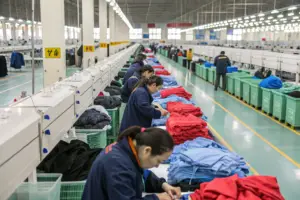
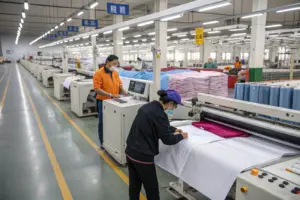
Delayed shipments are a major pain point, often stemming from quality issues that cause reworks. The key to on-time delivery is proactive quality control. This means not just a final inspection, but in-line checks during cutting, sewing, and finishing. A reliable manufacturer will have a transparent system for updating you on production milestones. We utilize a dedicated quality control team that works alongside the production lines, catching defects early. Furthermore, a clear production planning system is crucial for anticipating and mitigating potential delays, ensuring you never miss a selling season.
What is the DDP shipping model for US imports?
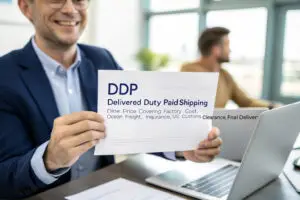
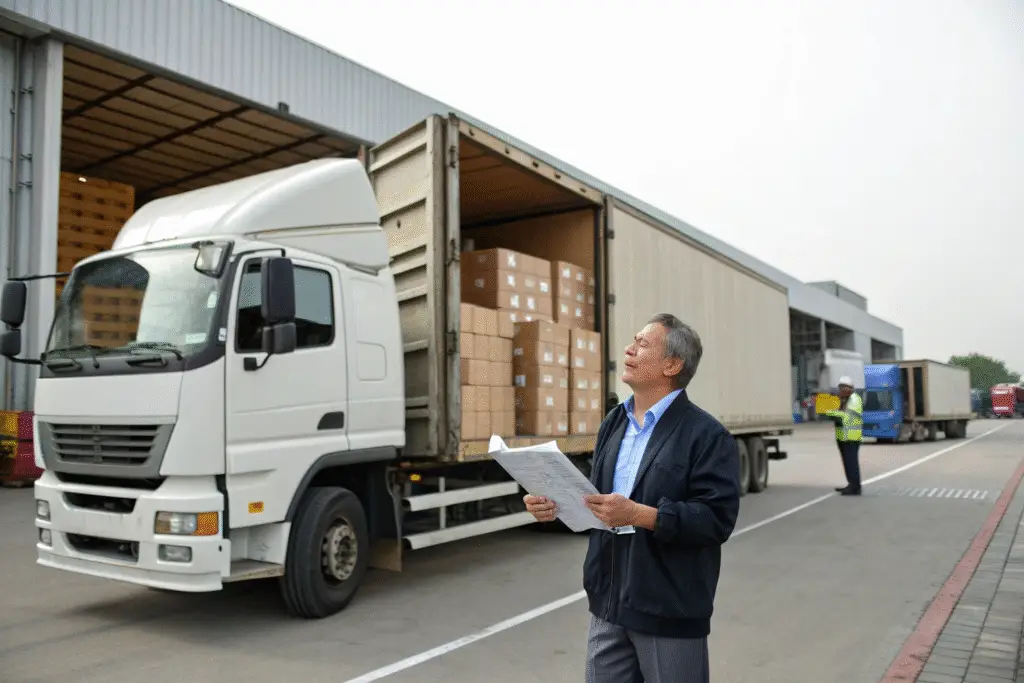
Logistics can be a complex and stressful part of importing, especially for business owners who need predictability. The Delivered Duty Paid (DDP) model is a comprehensive shipping solution that simplifies the process for the buyer, making it an increasingly popular choice.
In a DDP agreement, the seller (the manufacturer) assumes all responsibility and costs for delivering the goods to the buyer's designated location in the U.S., including shipping, insurance, and most importantly, import duties and taxes. This provides the buyer with a clear, all-inclusive cost upfront.
How does DDP benefit US apparel importers?
The primary benefit is simplicity and cost predictability. For our client Ron, it means no surprise fees or complicated paperwork. He knows the exact landed cost of his goods, which makes calculating his profit margins straightforward. It also reduces his administrative burden, as he doesn't need to handle U.S. customs clearance himself. This model is particularly advantageous for small to mid-sized brands that may not have a dedicated logistics department. We handle everything from our factory door to his warehouse door.
What are the key advantages of DDP over FOB?
While Free on Board (FOB) is common, DDP offers superior advantages for buyers seeking a hassle-free experience. With FOB, the buyer's responsibility and risk begin once the goods are loaded onto the ship at the origin port. This means the buyer must arrange and pay for international freight, insurance, and U.S. customs clearance. DDP flips this, offering a seamless, hands-off experience. This reliability in logistics directly addresses the pain point of delayed shipments, as the manufacturer has a vested interest in managing the entire supply chain efficiently to meet the delivery deadline.
How to find a reliable kids wear manufacturer?
Finding a partner you can trust is the most critical step in building a successful apparel brand. The challenges of inefficient communication, certificate falsification, and unreliable delivery can be mitigated by choosing a manufacturer with a proven reputation and transparent processes.
A reliable manufacturer is not just a producer; they are a strategic partner. They should offer full-package services, have clear communication channels, and be able to provide verifiable references and certifications. They should understand your market and your business goals.
What should you verify in a manufacturer's audit report?
To avoid the risk of falsified certificates, due diligence is essential. Always ask for and independently verify a manufacturer's social compliance and quality audit reports. Reputable factories will have undergone audits like BSCI or SMETA. Don't just look at the certificate; ask for the full report to understand the findings. Furthermore, verify their business license and export records. We open our doors to potential clients for virtual or in-person factory tours, because transparency is the foundation of trust.
Why is a full-package service model important?
A full-package or turnkey manufacturing service simplifies your supply chain. This means the manufacturer handles everything from fabric and trim sourcing, pattern making, sampling, production, quality control, to final packing and shipping. For a business owner like Ron, this means a single point of contact and accountability. It streamlines communication, reduces the coordination effort required on his part, and ensures a consistent standard of quality from raw material to finished product. This integrated approach is key to efficiency and scalability.
Conclusion
The U.S. kids wear market offers substantial opportunities for brands that can effectively source and supply the top-selling categories: graphic tees, athleisure, denim, and character-themed sleepwear. Success in this competitive landscape hinges on a deep understanding of these product trends, an unwavering commitment to quality and safety, the strategic use of hassle-free shipping models like DDP, and, most importantly, a partnership with a reliable and transparent manufacturer. By focusing on these core areas, you can build a strong, profitable, and trusted kids wear brand.
If you are looking to produce high-quality, best-selling kids wear with a partner that prioritizes your success, we are here to help. Let's discuss how we can bring your apparel visions to life. For a direct conversation about your production needs, please contact our Business Director, Elaine, at elaine@fumaoclothing.com.