If you’ve ever had a shipment of garments arrive with the wrong sizing, loose stitching, or color mismatches, you already know that poor quality control isn’t just annoying—it’s expensive. Missed launch windows, product returns, and damaged brand reputation are real threats.
To protect your investment, you need a solid quality control (QC) system in place from sampling to final delivery.
In this article, I’ll walk you through the most effective QC practices used by professional importers, including pre-shipment inspections, AQL standards, and communication protocols with overseas manufacturers. These steps will help you ensure every piece meets your brand’s expectations.
Why Is Quality Control Crucial for Apparel Importers?
Quality issues in clothing imports aren’t rare—they’re common. That’s why the most successful brands treat QC as an investment, not a cost.
Quality control ensures the product your factory ships matches your original design, specs, and customer expectations.
What Risks Arise Without a QC Process?
Without a structured QC process, importers face:
- Delayed product launches
- High return and refund rates
- Inconsistent sizing and stitching
- Color mismatch or faded prints
- Labeling and packaging errors
According to Intertek, most apparel returns in e-commerce stem from defective construction and mislabeling.
How Does QC Affect Profitability?
Poor QC causes rework, air shipments, and inventory losses—all of which eat your margins. Implementing strict QC helps you avoid chargebacks, logistics delays, and customer complaints, as explained in SGS’s Textile Inspection Guide.
It also builds trust with buyers and retailers. Consistency is currency in the apparel business.
What Are the Different Stages of Apparel Quality Control?
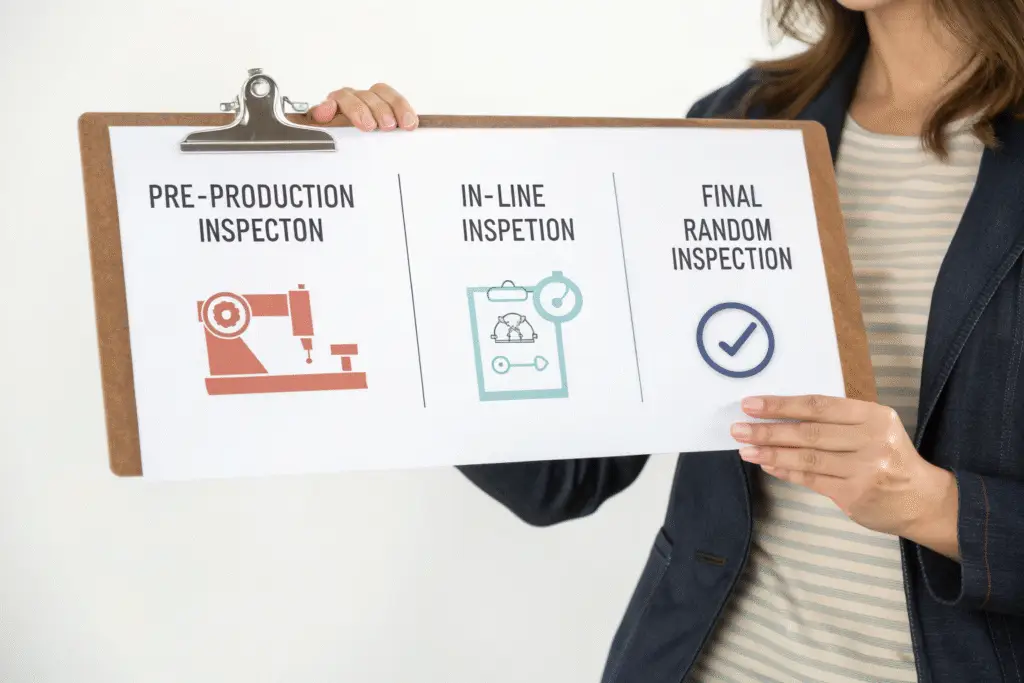
A thorough QC process isn’t just about checking the goods when they’re done—it starts before production begins and continues through every stage.
A multi-stage quality control workflow minimizes defects and catches problems before they spiral.
What Happens During Pre-Production Inspection (PPI)?
PPI ensures raw materials, patterns, and initial samples meet your expectations before full production starts. Key checks include:
- Fabric GSM and color accuracy
- Trim availability and quality
- Prototype vs tech pack matching
- Machine readiness
Agencies like AsiaInspection (QIMA) offer customizable PPI services for importers sourcing from China.
What Is In-Line Inspection (DUPRO) and Why Is It Important?
In-line or DURPO (During Production Inspection) is conducted when 20-50% of the production is complete. It verifies:
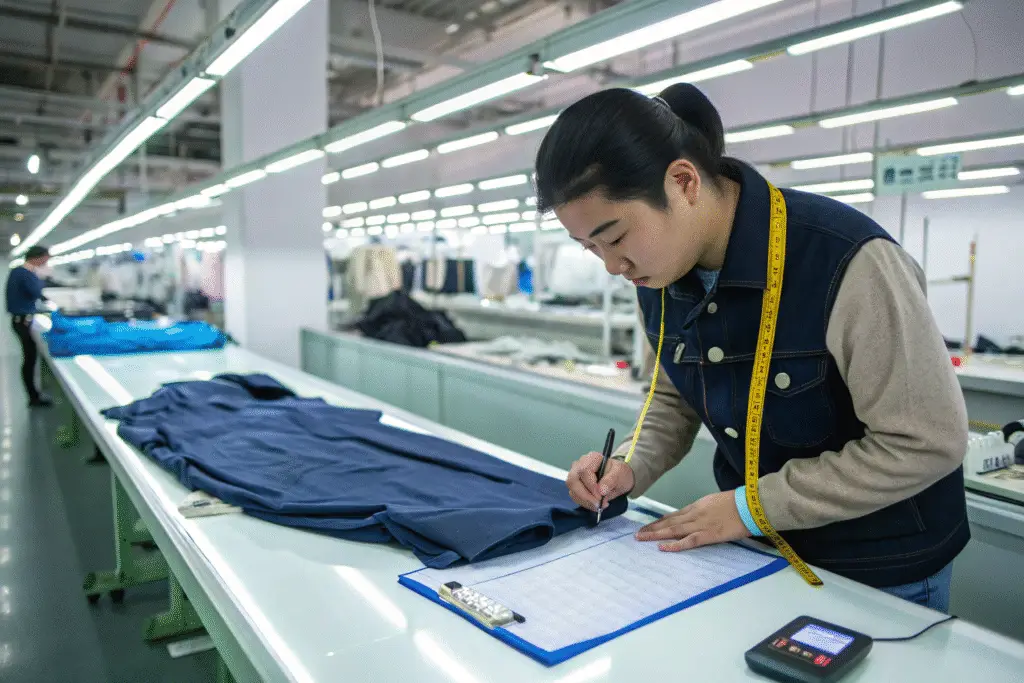
- Correct stitching and measurement
- Print placement and finishing
- Assembly flow and defect rate trends
Factories that allow DUPRO (like Berunwear) show a commitment to transparency. It’s also a great time to provide course corrections.
How Do You Conduct Final Random Inspection (FRI) Effectively?
The Final Random Inspection is your last line of defense before shipment. Conducted when 80-100% of the order is packed, it determines if the lot can ship or needs rework.
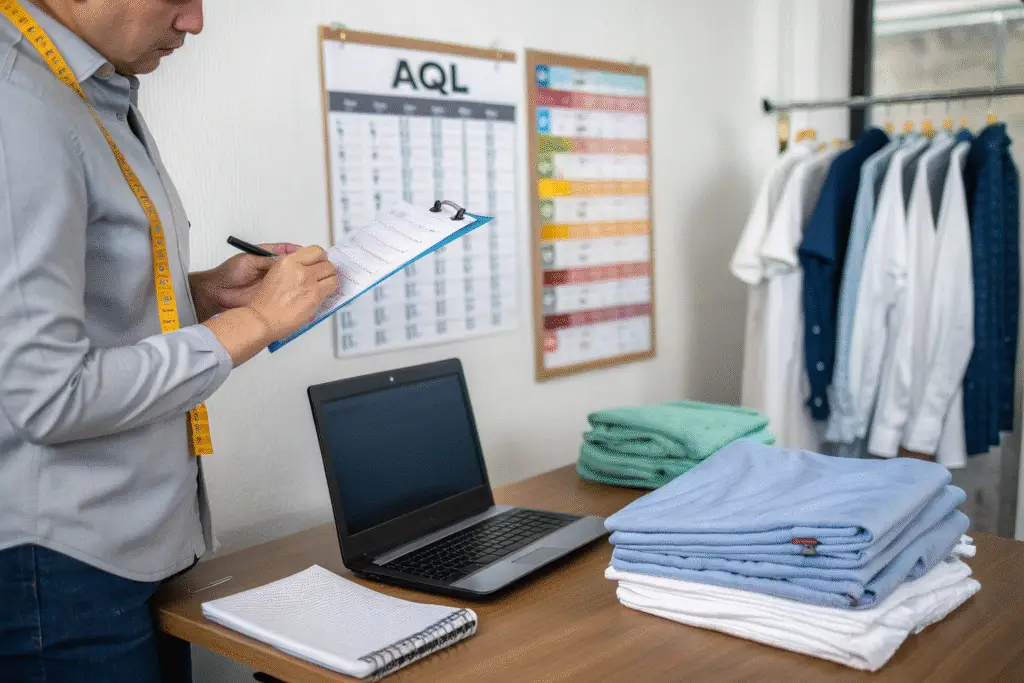
FRI uses statistical sampling methods like AQL to evaluate quality without checking every piece.
What Is AQL and How Is It Used?
AQL (Acceptable Quality Limit) defines how many defective units are allowed in a sample batch. For apparel, AQL 2.5 is common.
Here’s a basic example:
| Order Qty | Sample Size | Max Defects Allowed |
|---|---|---|
| 500 pcs | 80 pcs | 5 minor, 2 major |
| 1000 pcs | 125 pcs | 7 minor, 3 major |
Tools like SQC Online can help you generate compliant sample plans.
What Are Major vs Minor Defects?
- Minor defects: loose threads, light stains, incorrect labels
- Major defects: wrong sizing, poor stitching, fabric damage
- Critical defects: health/safety risk, contamination, sharp objects
A final inspection report from a service like QIMA includes defect photos, measurement results, and pass/fail recommendations.
How Should You Communicate QC Expectations with Chinese Factories?
The best QC systems fall apart without strong communication. Your suppliers need clarity from day one.
Clear expectations, visual documents, and inspection agreements reduce confusion and ensure accountability.

What Documents Are Essential for Quality Control?
Include these documents in your production process:
- Tech Pack: includes measurements, color codes, label positions
- QC Checklist: outlines defect definitions, tolerances
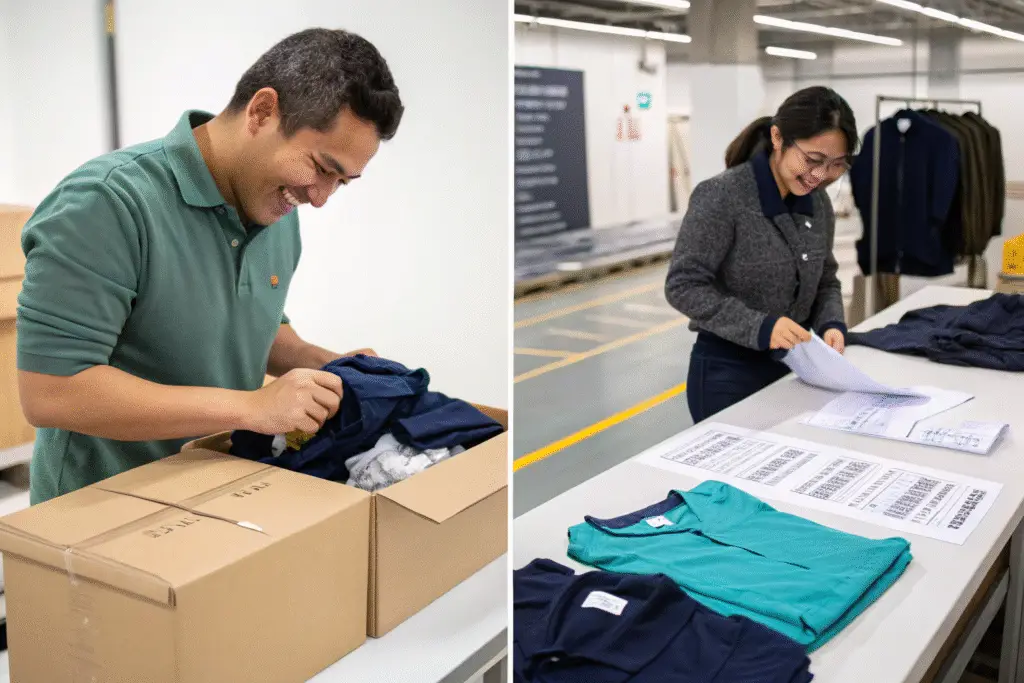
- Packaging Manual: specifies fold style, barcode location, tag placement
- Approval Sample: pre-signed sample used as production reference
Many manufacturers like Fumao Clothing use these as standard practice to streamline communication.
Should You Use QC Contracts or Penalty Clauses?
Yes. A solid purchase order or manufacturing agreement should include:
- Inspection deadlines
- Approved AQL level
- Rework timelines
- Compensation for failed lots
Use legal templates or partners like Dragon Sourcing to add these protections when working with overseas suppliers.
What Tools and Services Help with Apparel Quality Control?
Technology and third-party inspectors can take your QC process to the next level—especially if you're managing multiple factories.
From cloud-based checklists to remote inspections, QC is now more trackable, shareable, and measurable than ever.

Are QC Apps or Cloud Checklists Worth It?
Yes. Apps like Inspectorio or FactoryFix offer:
- Mobile checklists and defect logging
- Real-time QC status
- Photo uploads and signatures
- Audit trails and compliance reports
For importers managing many SKUs or seasonal launches, these platforms provide transparency and consistency.
When Should You Hire Third-Party QC Agencies?
Hire third-party QC if:
- It’s your first time working with the factory
- The shipment is high-value or time-sensitive
- You’re unable to visit the site personally
Trusted agencies include:
They offer customizable packages, including pre-production and inline inspections with same-day reports.
Conclusion
Quality control isn't just a checkbox—it's a core part of your import business strategy. With clear documentation, thorough inspections, and reliable communication, you can stop quality issues before they reach your customers.
By implementing the best QC practices used by industry leaders, you’ll protect your brand, boost your profits, and create garments that your customers love.